
Merida Road Bikes
Merida road bikes sit in a rare position in the market: genuinely factory-owned, WorldTour-proven, and priced where most riders can actually reach them. While plenty of brands contract out their manufacturing, Merida controls its own carbon production in-house - every CF3 and CF5 layup, every tube profile, every weld. That matters, because quality control isn't a brochure promise; it's baked into the process.
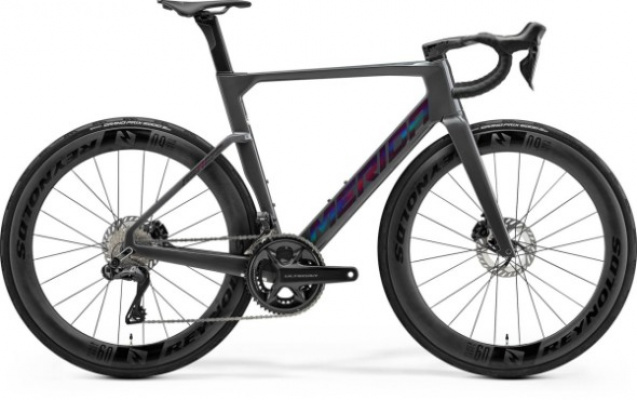
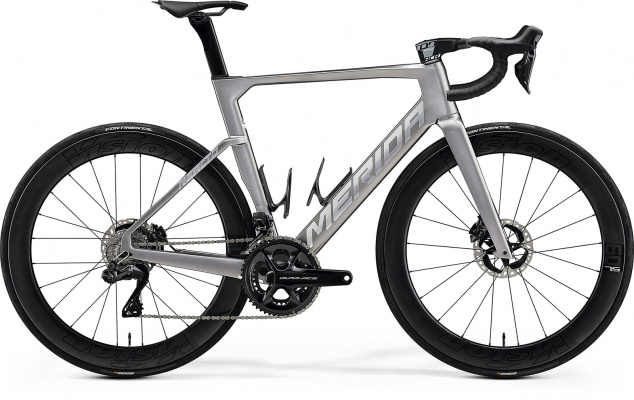
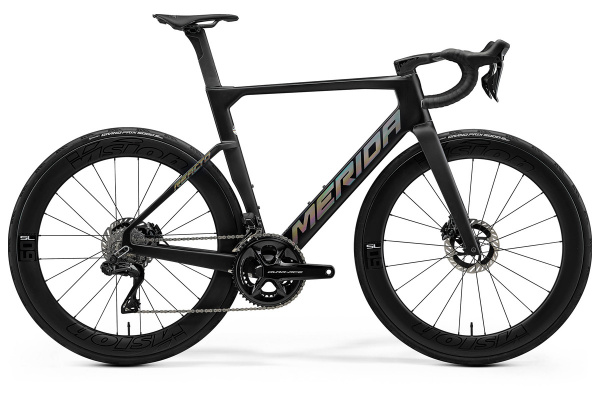
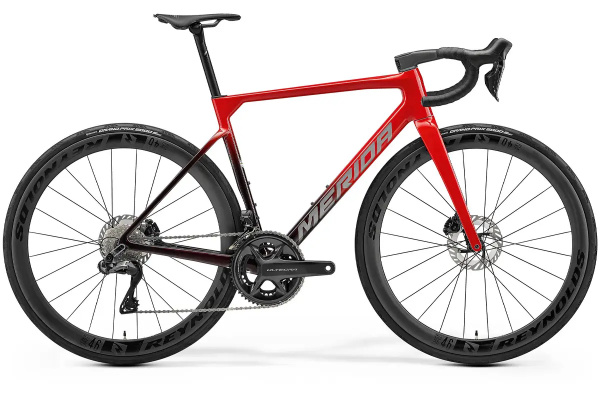
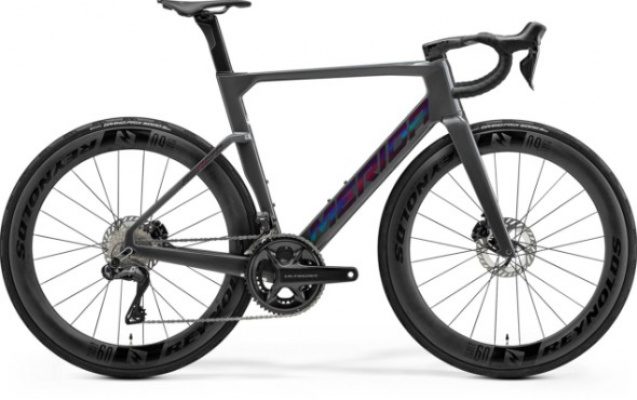
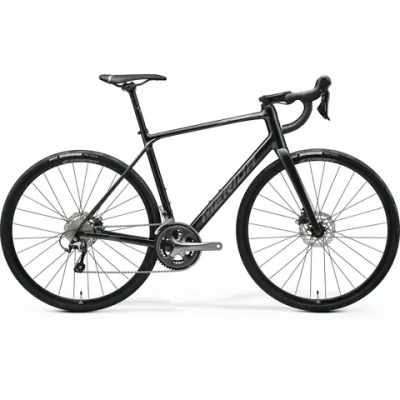
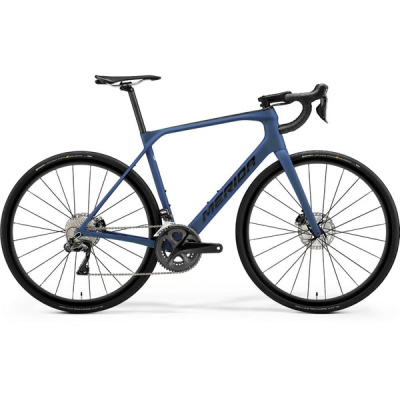
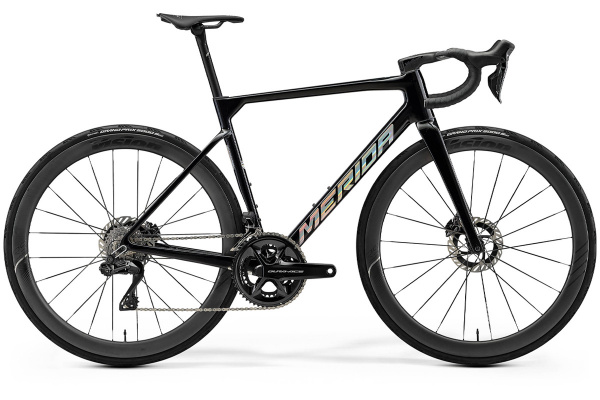
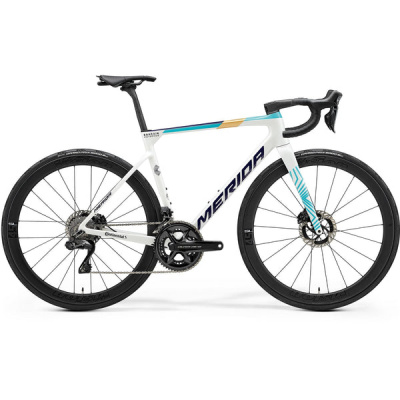
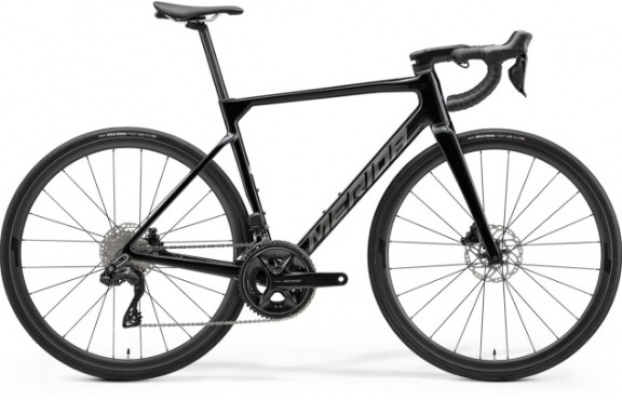
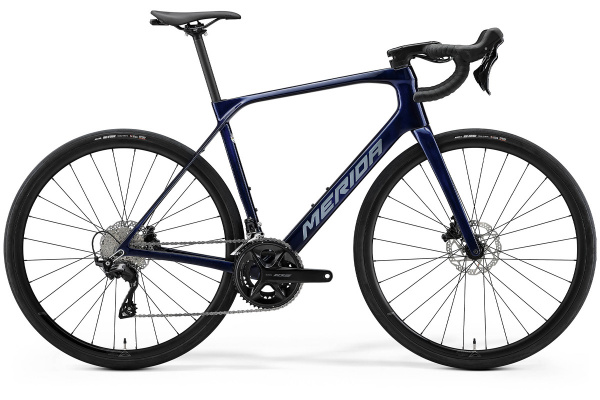
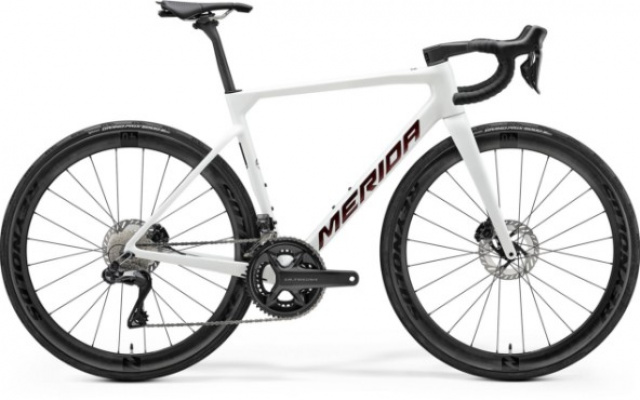
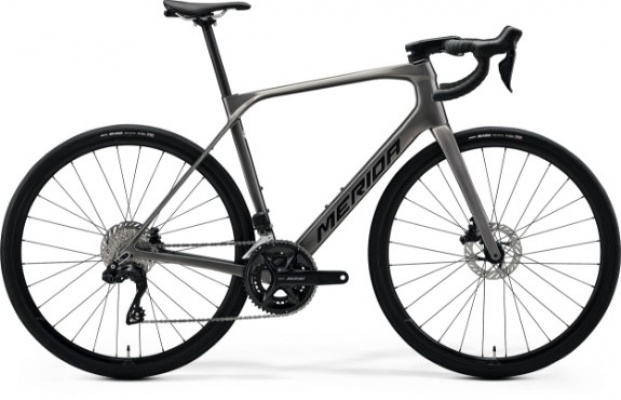
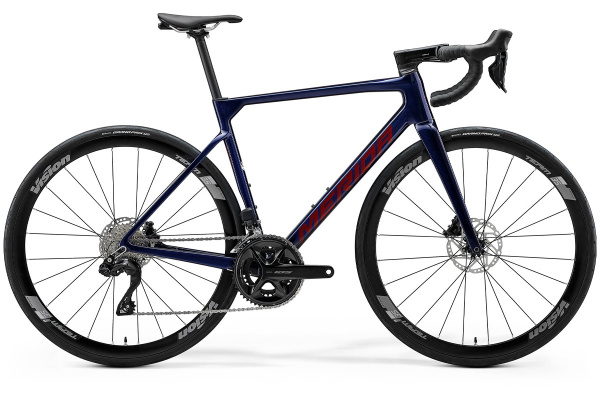
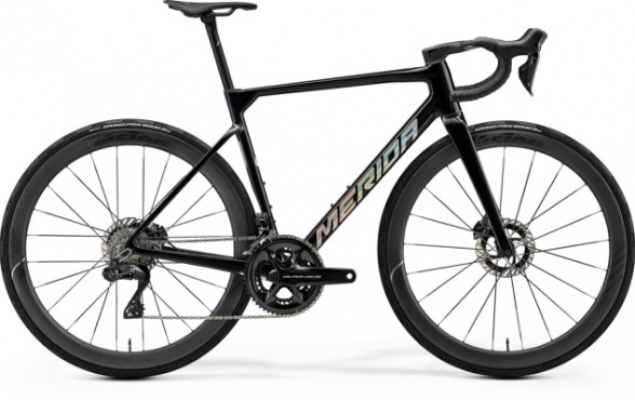
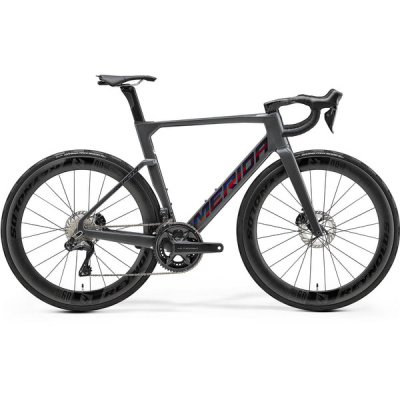
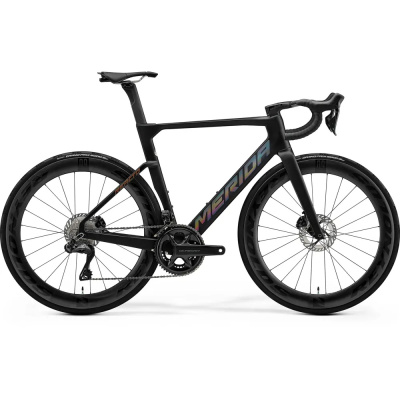
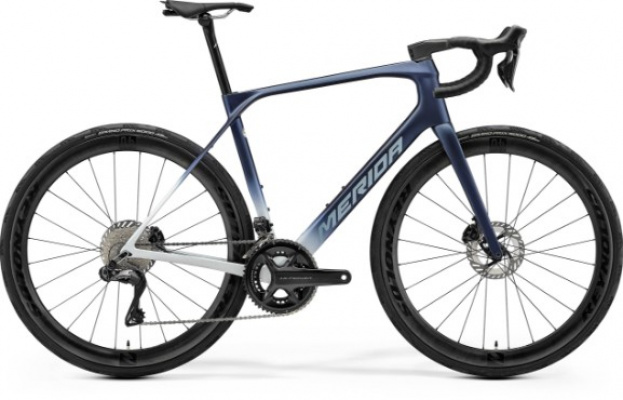
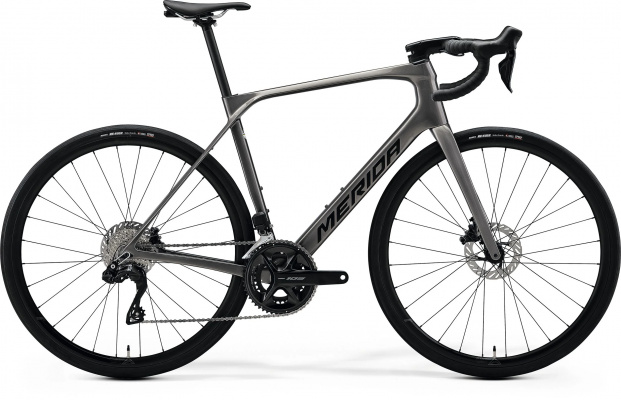
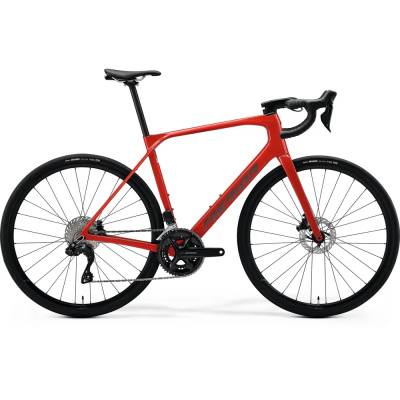
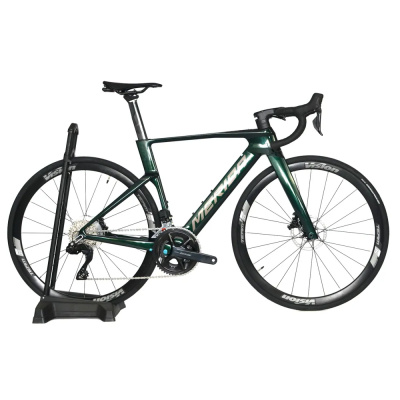
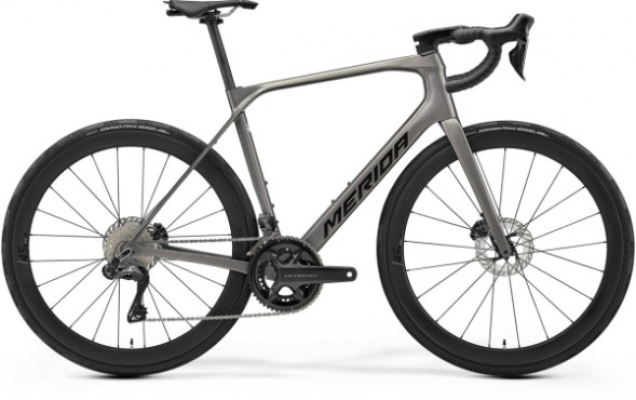
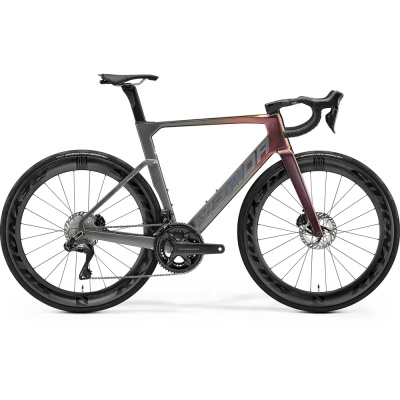
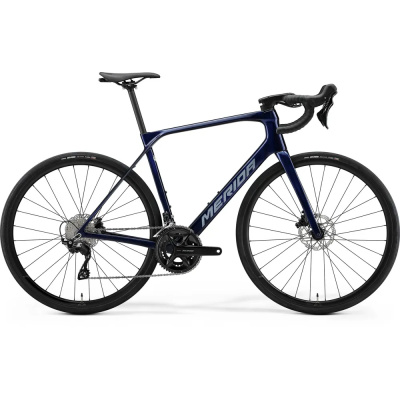
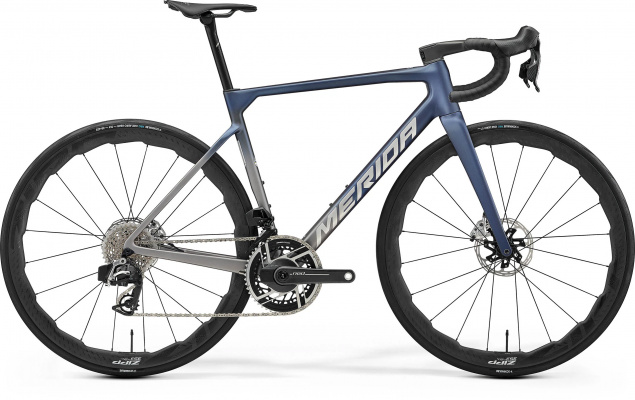
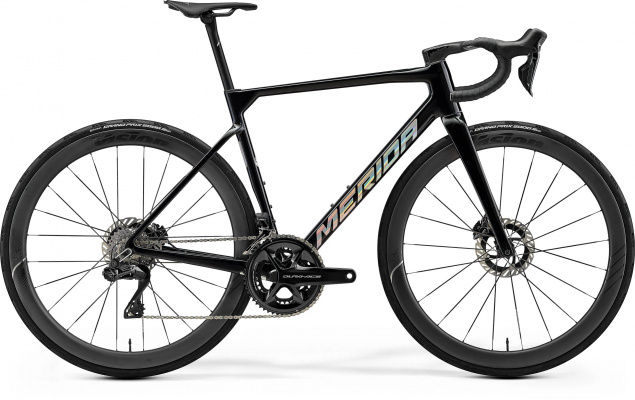
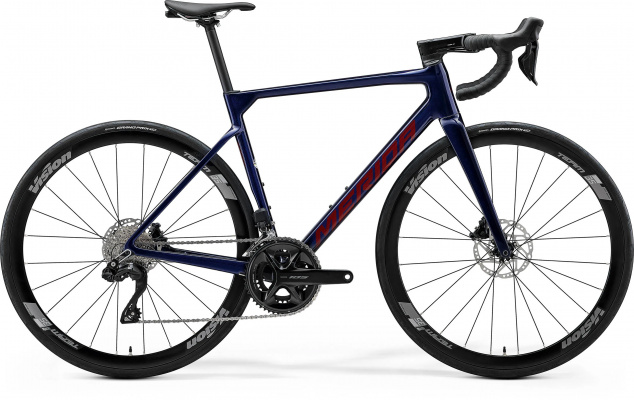
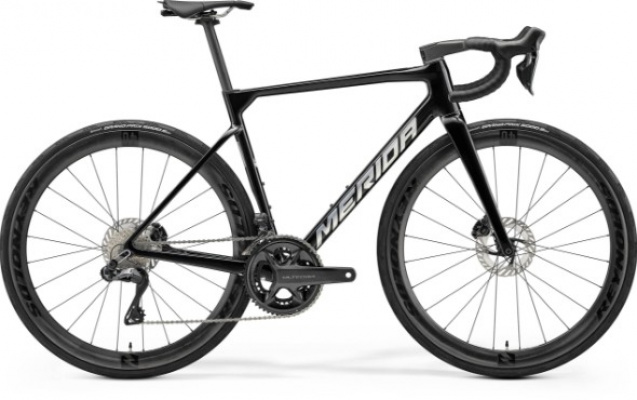
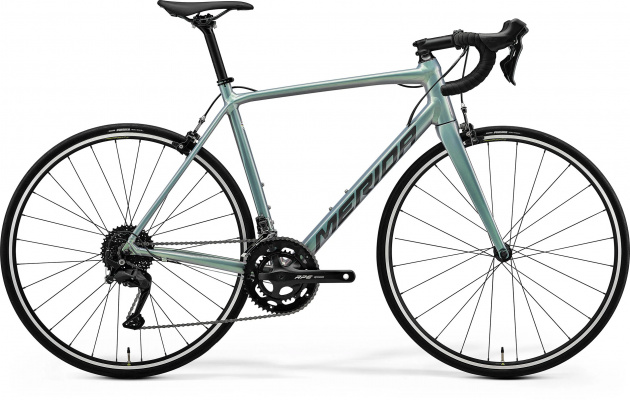
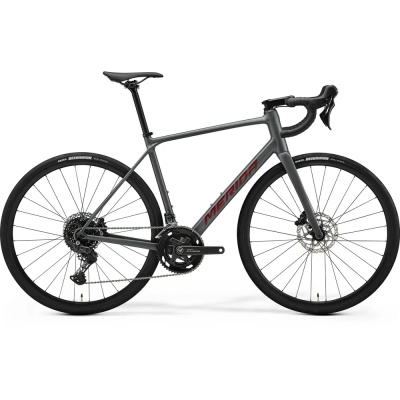
The road range splits into three clear families. The Reacto is the aero race bike - built around integrated cable routing and NACA Fastback tube profiles that slice through the wind on flat and rolling roads. The Scultura is the lightweight climber, stiff where it counts and light enough to make a difference when the road tilts up. Then there's the Scultura Endurance, which broadens the brief considerably: more tyre clearance, a more forgiving position, and an S-Flex seatpost that takes the edge off on rougher roads.
If you're weighing up a fast sportive machine against something that'll handle a British winter without rattling your fillings out, you're in the right place. We've mapped the full lineup below so you can work out which direction suits you.
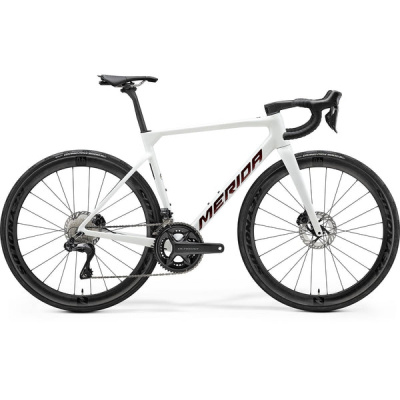
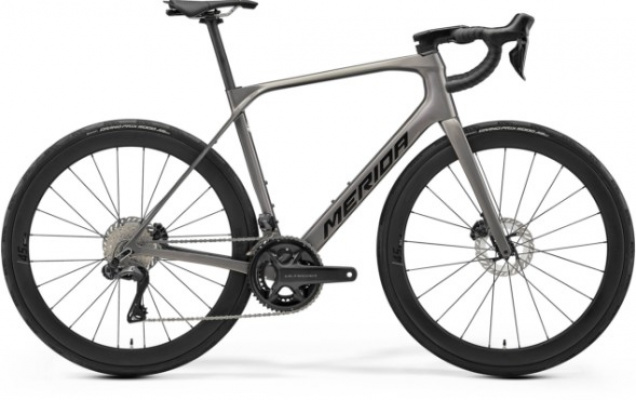
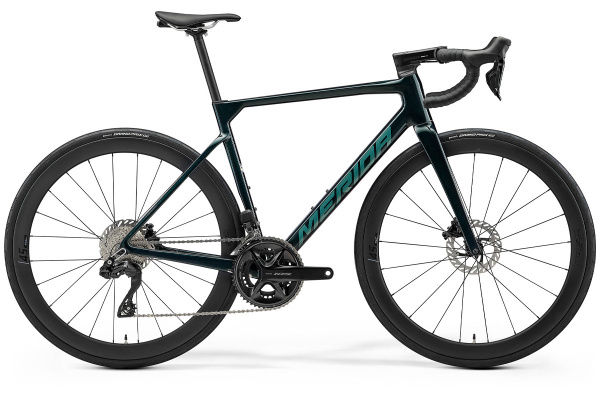
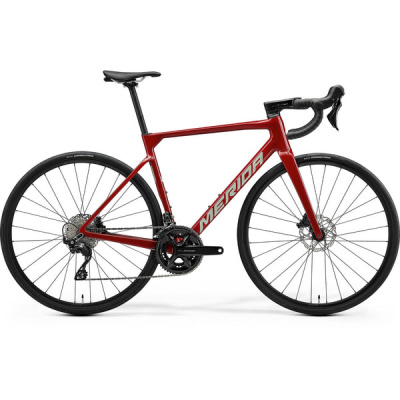
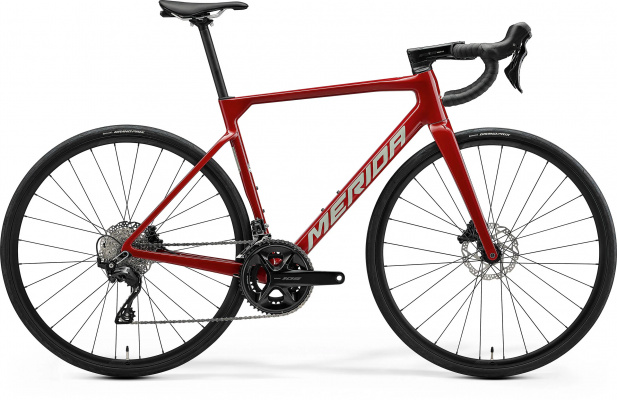
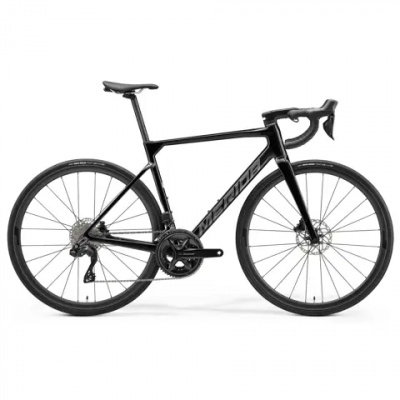
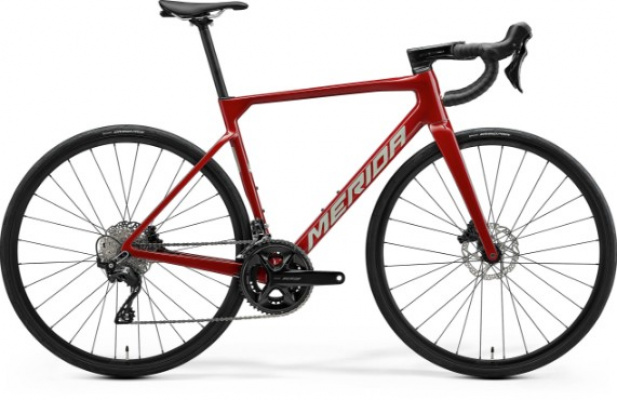
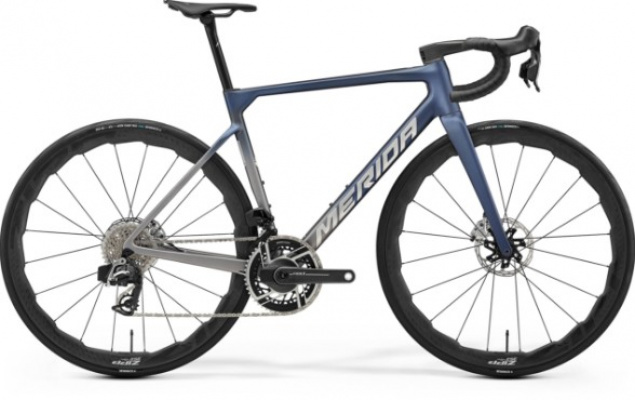
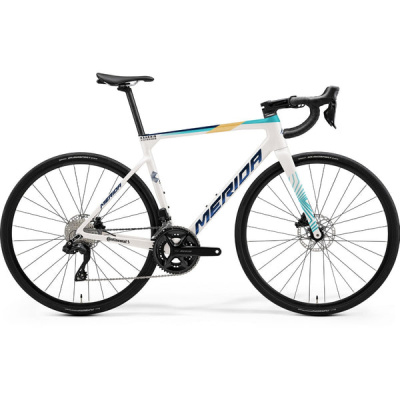
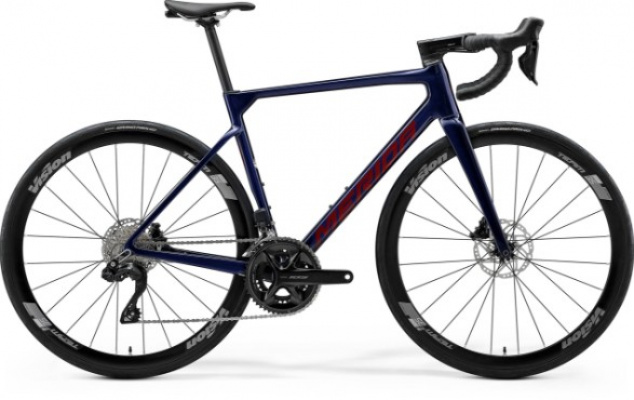
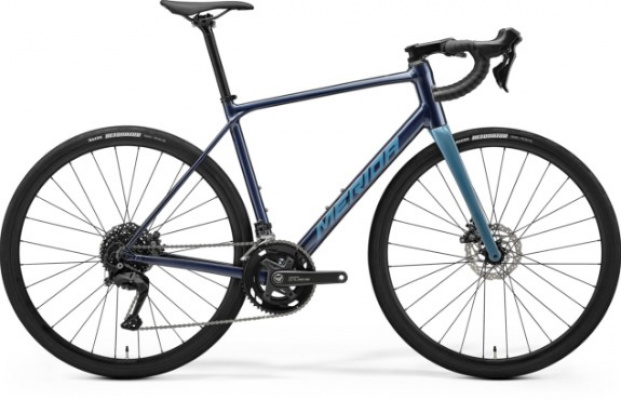
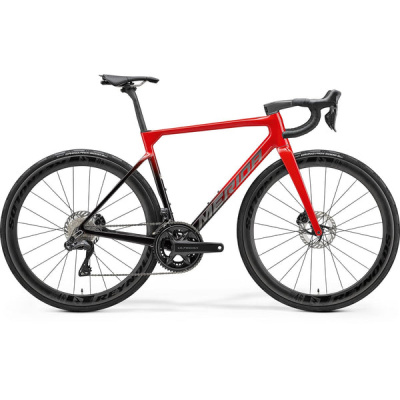


Prices and availability can change quickly. Delivery charges are not always included in listed prices.
Final price, stock status and delivery terms are set by retailer. We may receive a commission on purchases made.
Decoding the Merida Road Lineup
Merida keeps the road range tight and purposeful. Trim levels run from 4000 up to 9000 - the higher the number, the better the carbon grade, the lighter the build, and the sharper the componentry. A Reacto 4000 will run a solid aluminium frame with carbon fork, while a Scultura 9000 is full CF5 carbon with top-tier Shimano groupset. It's a logical ladder; you're not paying for marketing, you're paying for material.
The Reacto is where you go if speed on the flat is the priority. Aero geometry, deep-section wheel compatibility, and those truncated teardrop tube shapes all point in one direction. It suits riders who spend time on fast club runs, Gran Fondos with long exposed sections, or anyone who finds themselves chasing down road signs on the A-roads around Suffolk or the Cheshire Plain.
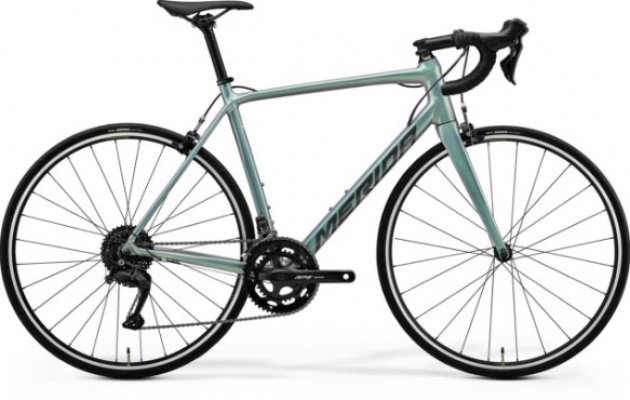
The Scultura is the weight-first option. Stiffer, more aggressive, and built for riders who want a bike that responds instantly under load - think punchy climbs on the Surrey Hills or pushing a fast sportive pace where every gram is doing a job. It's a proper race tool rather than an all-day machine.
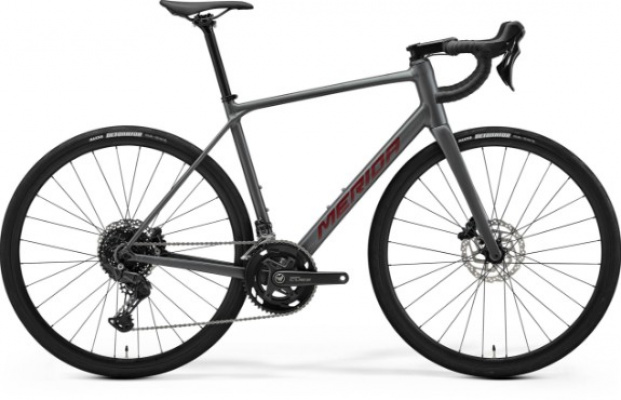
The Scultura Endurance broadens the picture. Longer wheelbase, taller stack, and that S-Flex seatpost working quietly in the background to absorb the kind of chip-seal and potholed B-roads that make up most British riding. This is the one that makes sense if your typical Saturday involves four hours on roads that haven't seen resurfacing since the Blair years.
Looking to head off-road or race against the clock? Check out our dedicated Merida Gravel Bikes and Merida Time Trial & Triathlon Bikes pages.
What's Actually Going On With the Frame Tech
Merida's carbon story centres on two layup grades. CF3 is the accessible end - heavier than the top-tier stuff, but genuinely durable and stiff enough for most riders to never feel short-changed. It's the carbon that makes sense if you're new to road riding or you want a race-ready frame without the anxiety of babying something fragile. CF5 is where the real engineering attention goes: tighter fibre alignment, higher modulus material, and a weight reduction that's meaningful rather than marginal. Pro-level bikes use CF5, and the ride difference is noticeable - it's crisper, more immediate, and lighter enough that you feel it out of corners and on long climbs.
The NACA Fastback tube profiles on the Reacto are worth understanding properly. Named after the aeronautical research body that developed them, these truncated teardrop shapes manage airflow better than a true teardrop at the angles a cyclist actually moves through - and they do it without adding excessive material weight. The result is measurable aero efficiency without the bike becoming a sail in crosswinds. It's a considered engineering decision rather than a styling exercise.
Then there's Disc Cooler technology, which is one of the more distinctive pieces of kit Merida fits to its disc brake models. CNC-milled fins sit beneath the brake calipers and act as heat sinks, drawing thermal energy away from the rotor and caliper assembly. On a long, wet descent - the kind you get coming off Snowdonia or the steeper sections of the Cairngorms - disc brakes can suffer from pad glazing and fade when rotors stay hot and gritty. The Disc Cooler fins reduce that risk substantially. It's the sort of detail that sounds minor until you've had mushy brakes at the wrong moment.
Integrated cable routing across the range keeps the front end clean and marginally more aerodynamic, but it also means internal cable runs need attention at service intervals. Worth factoring in if you're used to external routing and doing your own maintenance.
How Merida Road Bikes Behave on British Roads
British roads are, frankly, a mixed bag. You might start a ride on smooth tarmac and end up on a potholed lane that's testing your fillings by the time you get back. The Scultura Endurance handles that best - tyre clearance up to 35mm means you can run a proper 32c or 35c tyre with enough volume to absorb surface irregularities without sacrificing too much pace. For winter miles or any route that takes you beyond the smooth stuff, that clearance is a practical asset.
Disc brakes are standard across most of the range, and the Shimano 105 Di2 builds offer a particularly strong package - electronic shifting that's reliable in wet weather when mechanical cables can drag and slow. Worth noting if you ride through October to March and want consistent performance regardless of conditions.
The Disc Cooler technology earns its keep on the kind of long descents that require sustained braking - gritty Peak District lanes after rain, or the sustained drops on the North Yorkshire Moors where your speed builds and you're braking into corners repeatedly. Heat management in those situations is a real consideration, not a theoretical one.
If you're comparing Merida against the wider market, Giant road bikes and Canyon road bikes sit in similar territory on value and spec - but Merida's factory ownership and WorldTour development pipeline give it a distinct engineering edge that's worth weighing up. Cube road bikes are another reasonable comparison at the mid-range price points. For riders who want to see the full Merida picture beyond tarmac, the Merida e-bikes range is worth a look too.
Related searches:
Merida Road Bikes FAQs
Are Merida road bikes any good?
They're genuinely strong performers across the range. Merida manufactures its own frames rather than outsourcing production, which keeps quality control tight and value high. The bikes are developed alongside WorldTour racing, so the engineering isn't theoretical - it's tested at the sharp end of the sport.
What is the difference between Merida Scultura and Reacto?
The Scultura prioritises light weight and climbing agility - it's the bike you want when the road goes up. The Reacto is built around aerodynamic efficiency, using NACA Fastback tube profiles and aero geometry to maximise speed on flat and rolling roads. Both are race-oriented, but they optimise for different scenarios.
What does CF3 and CF5 mean on Merida bikes?
They're Merida's two carbon layup grades. CF5 is the premium option - higher modulus fibre, tighter construction, noticeably lighter - used on top-tier builds. CF3 uses a more affordable carbon blend that's heavier but still stiff and durable, making it the practical choice for everyday riding without a significant performance compromise.