
Merida Kids Bikes
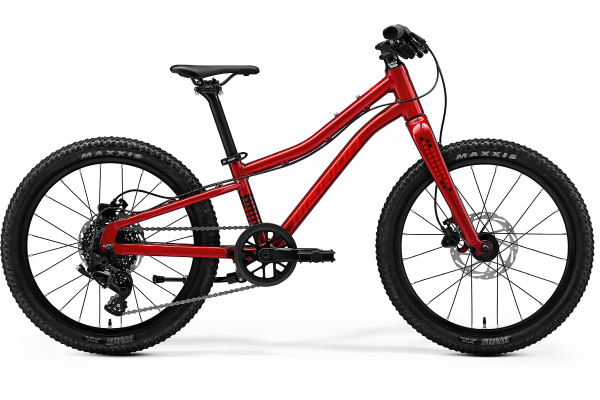
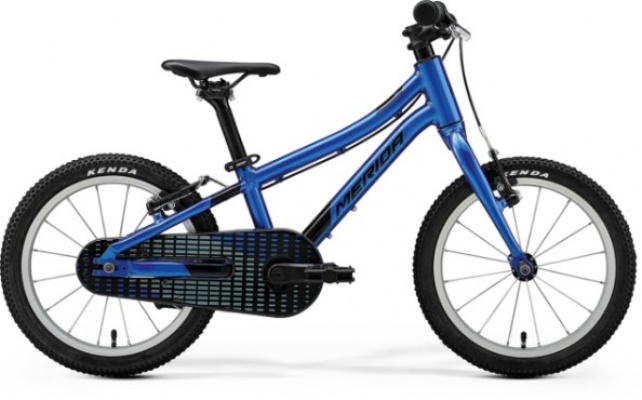
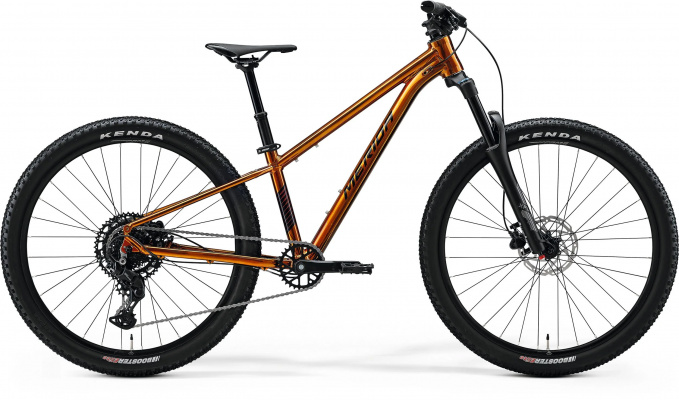
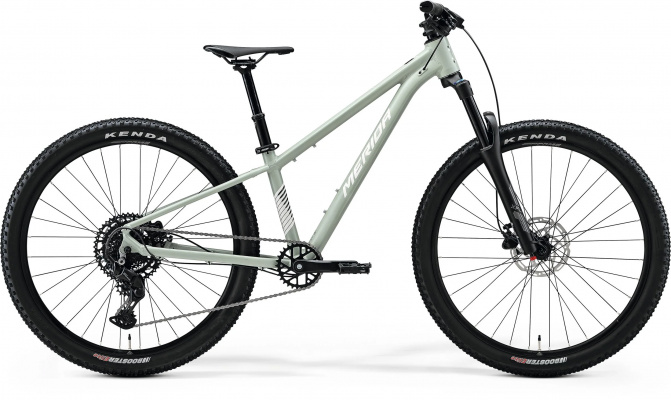
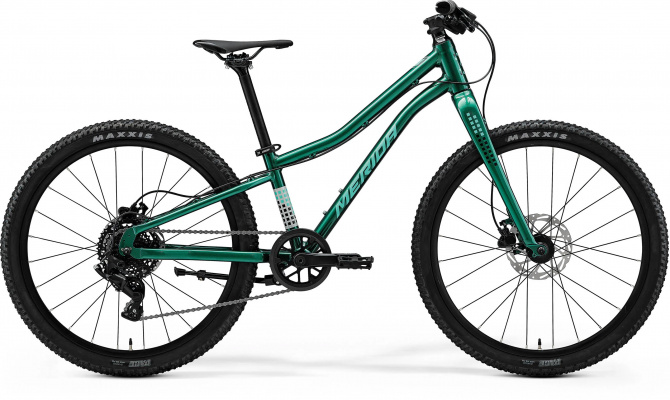
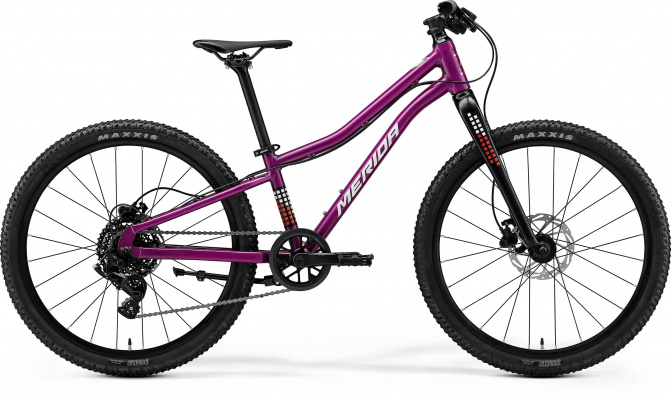
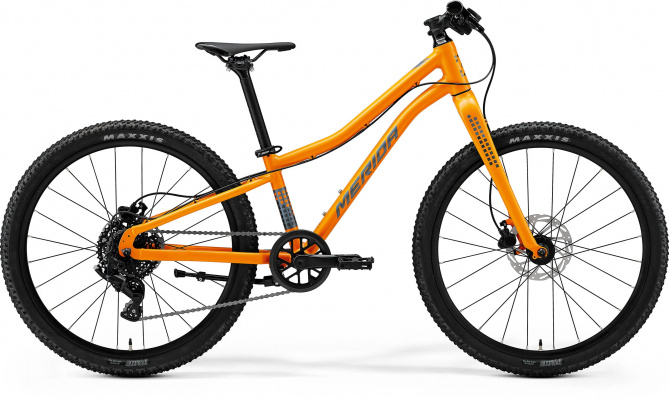
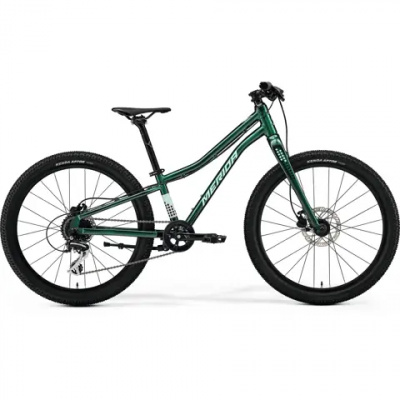
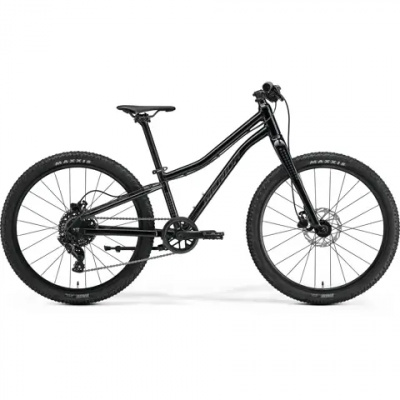
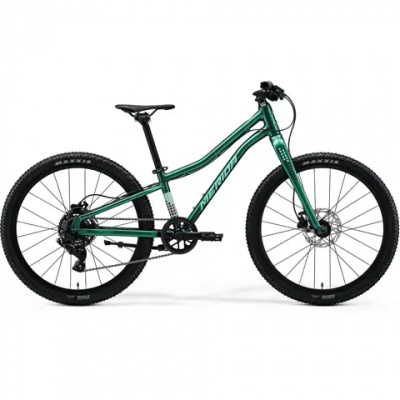
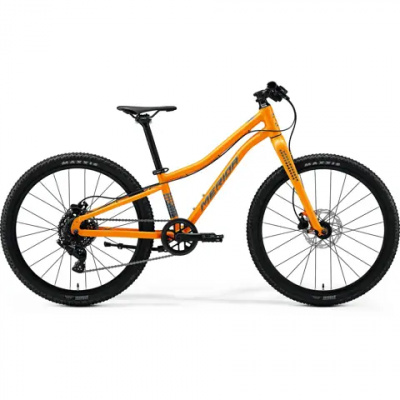
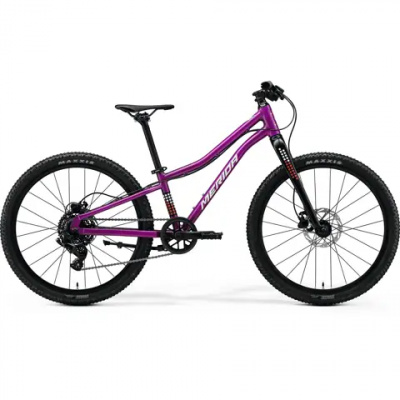
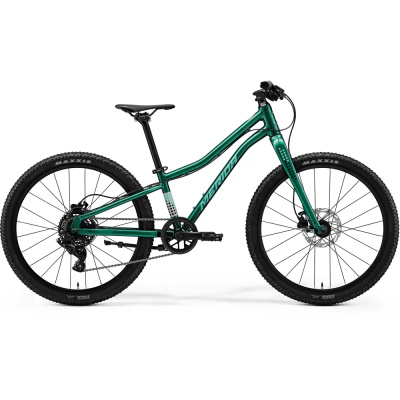
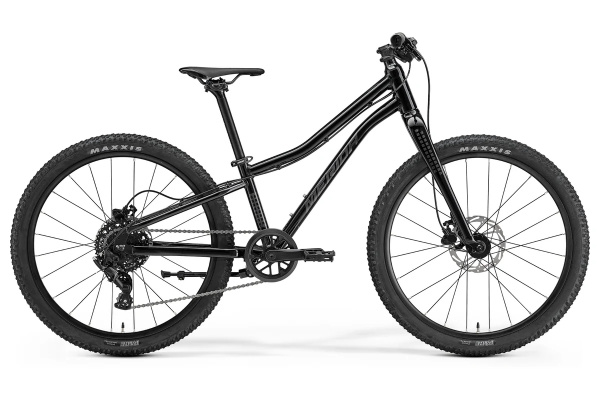
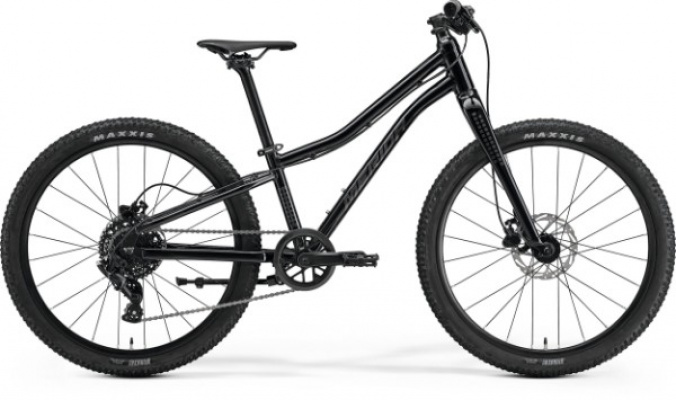
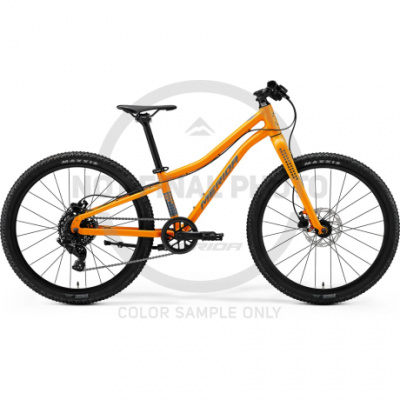
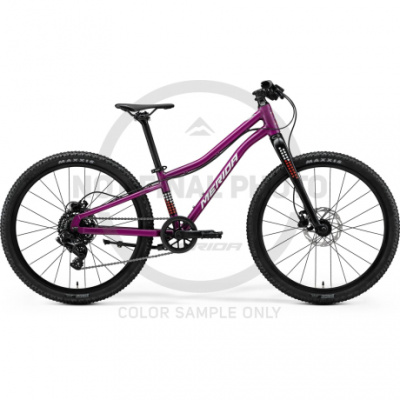
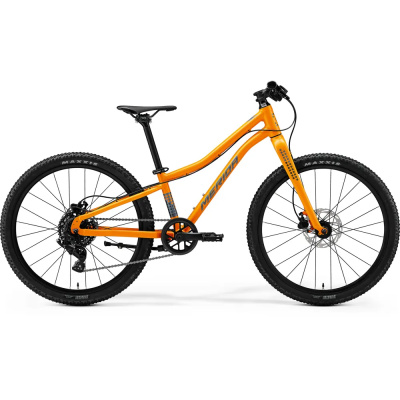
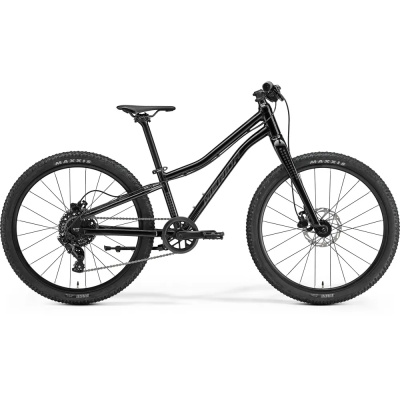
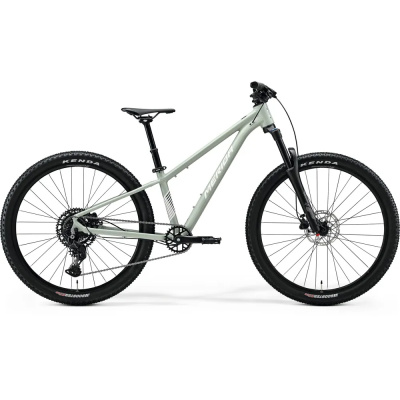
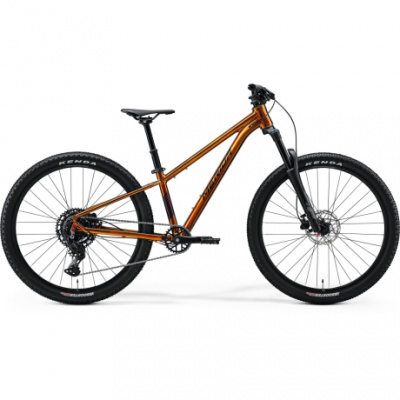
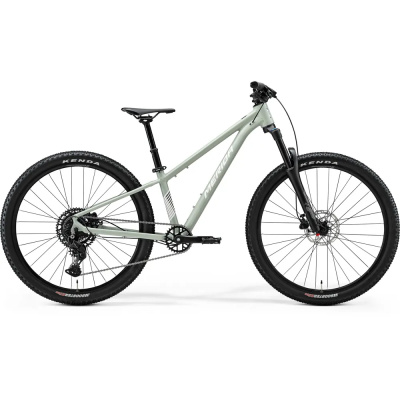
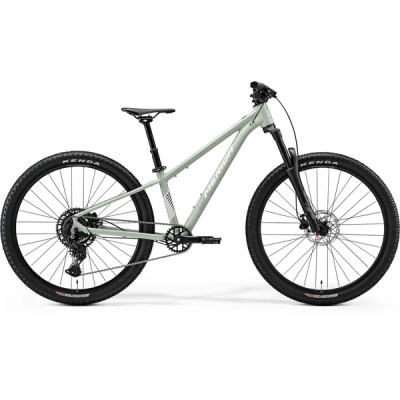
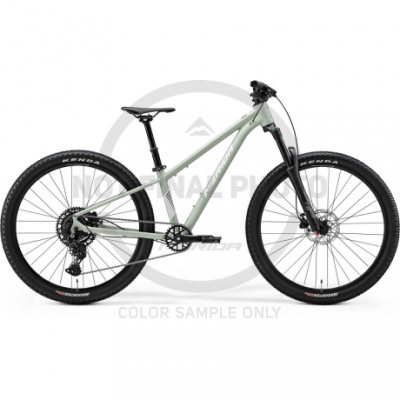
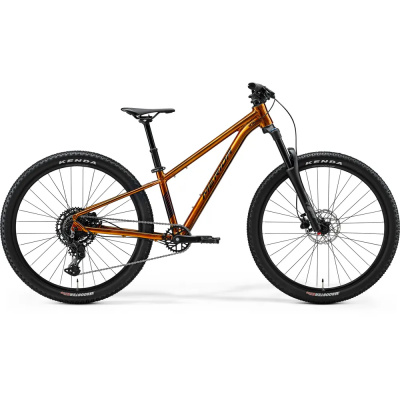
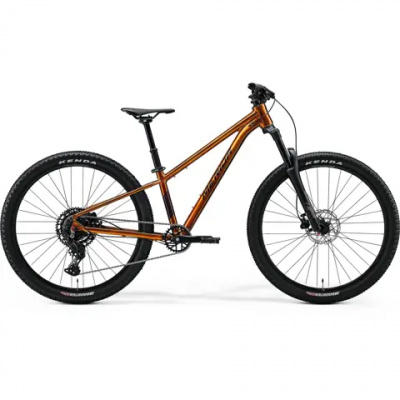
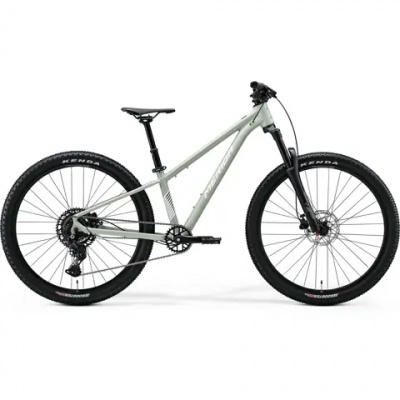
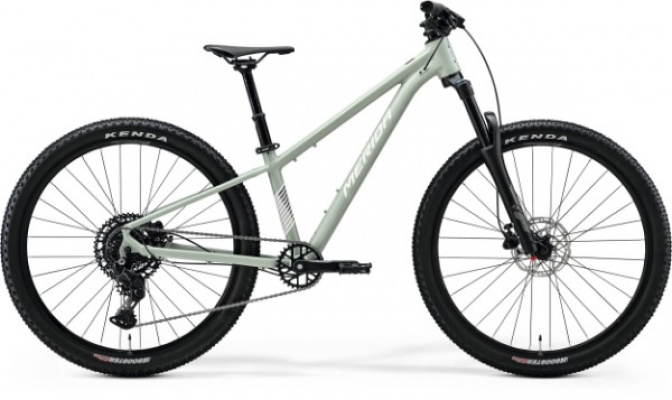
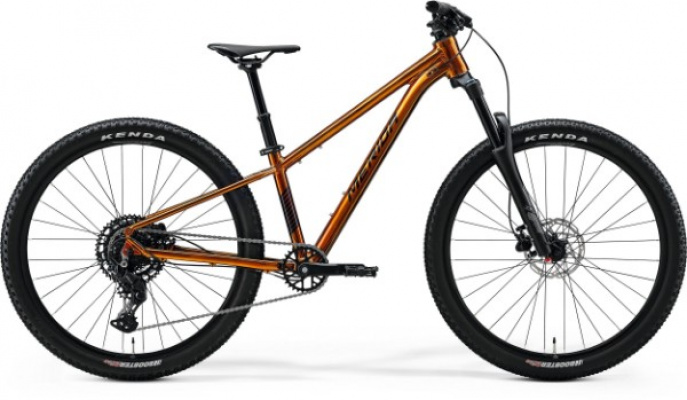
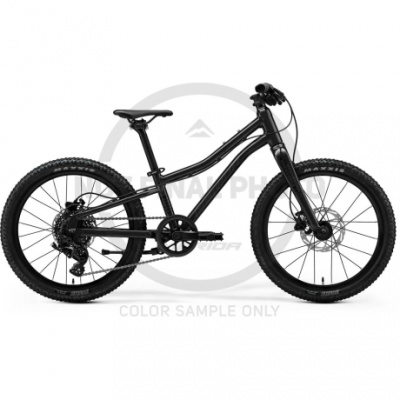
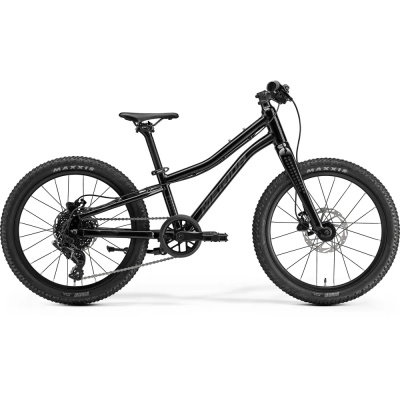
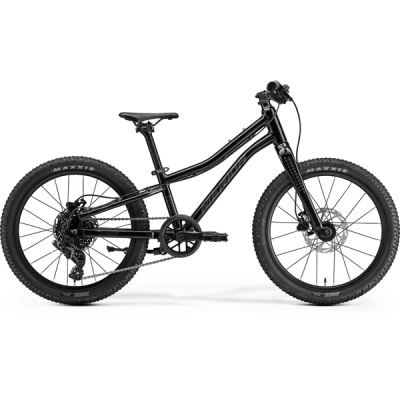
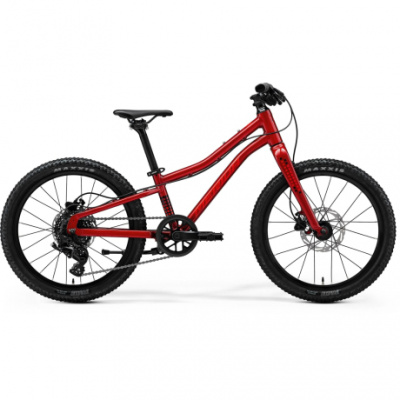
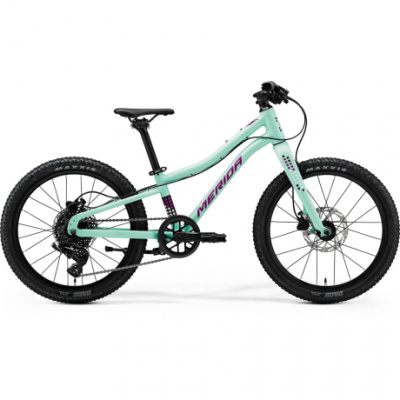
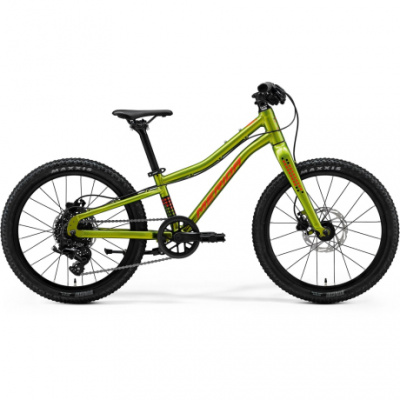
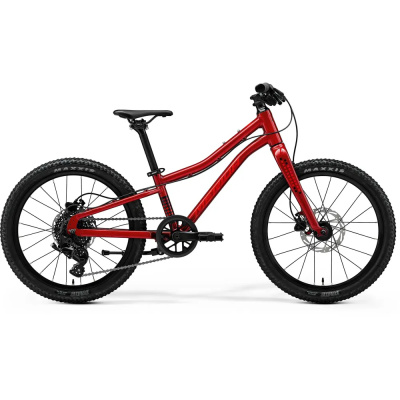
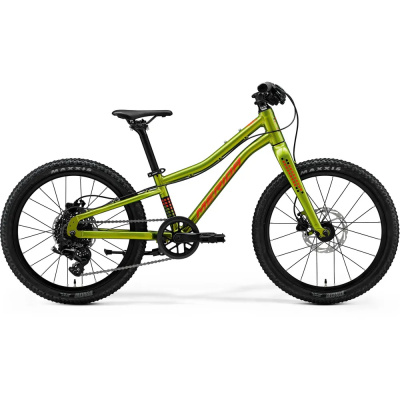
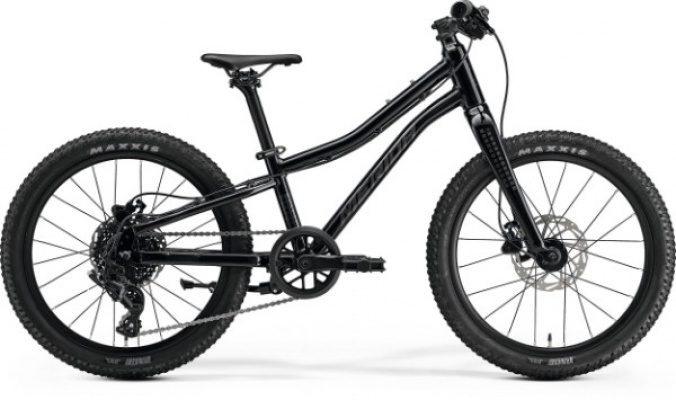
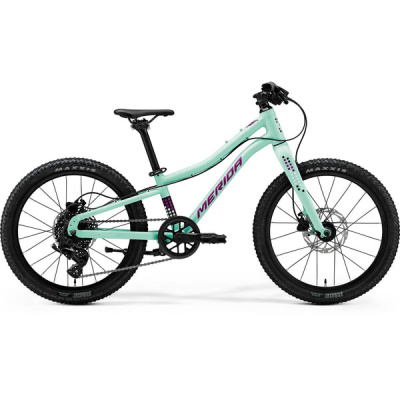
Merida kids bikes aren't scaled-down adult frames with a splash of bright paint - they're purpose-built machines, and that distinction matters more than most parents realise. The Matts J series is engineered from scratch using the same Racelite 61 aluminium that goes into Merida's pro-level adult frames. That's aerospace-grade alloy on a bike your eight-year-old will leave in the garden. The payoff is a weight-to-rider ratio that keeps cycling fun rather than a grinding slog up every gentle hill.
The core idea is simple: a heavy bike kills a child's confidence fast. If they're wrestling with the weight just to steer around a corner, they stop enjoying it. Merida's child-specific geometry tackles this directly - lower centre of gravity, ultra-low standover height, and size-specific components like shortened crank arms and short-reach brake levers that actually fit small hands. These aren't afterthoughts; they're baked into the design at every wheel size in the range.
For UK families, that means a bike that handles a muddy towpath loop on Saturday and a damp school-run on Monday without falling apart by half-term. If you're weighing up the Matts J against rivals like Frog Kids Bikes or Cube Kids Bikes, the engineering here is genuinely comparable - and worth a close look.
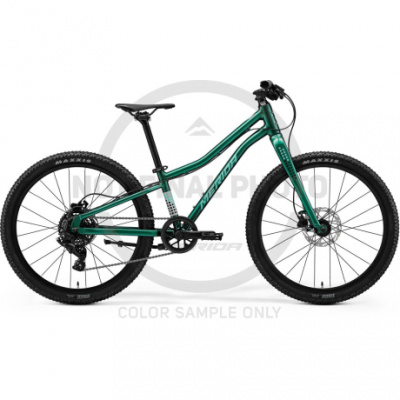
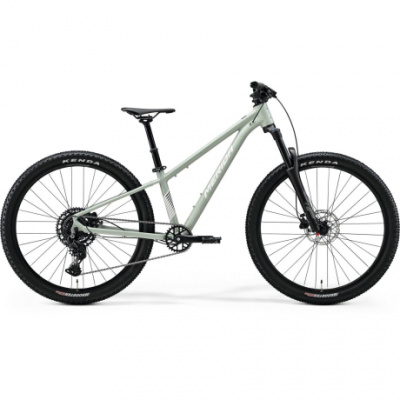
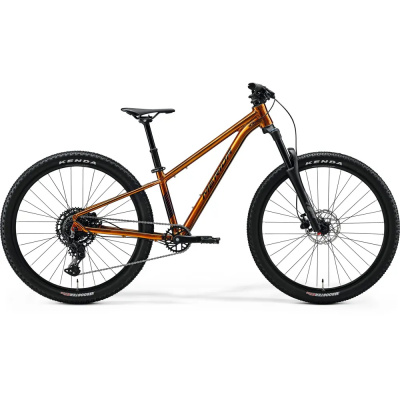
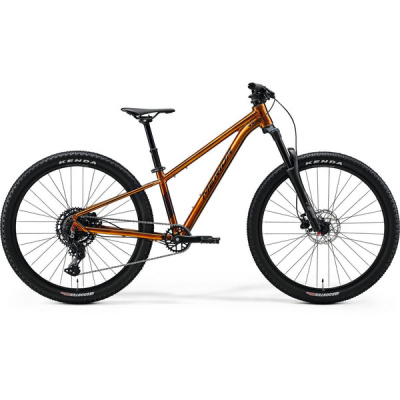
Prices and availability can change quickly. Delivery charges are not always included in listed prices.
Final price, stock status and delivery terms are set by retailer. We may receive a commission on purchases made.
Decoding the Matts J Lineup
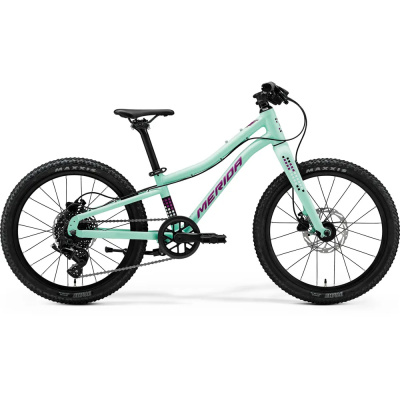
The naming convention is straightforward once you know the key: the number after the J tells you the wheel size. So the J12 runs 12-inch wheels for the youngest riders, stepping up through J16, J20, J24, and J26 as your child grows. The Merida Matts J series covers roughly ages two through to early teens, and each size is a distinct build rather than a proportional copy of the one above it.
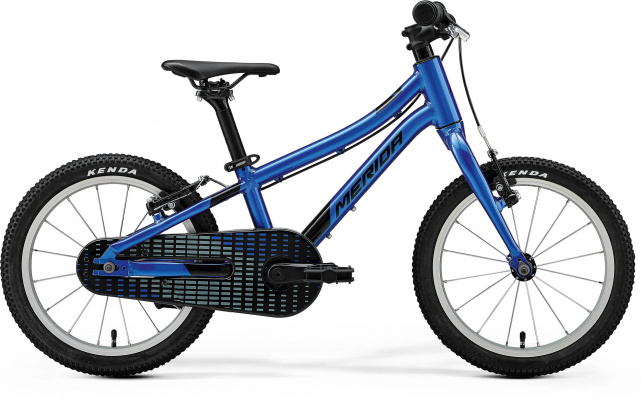
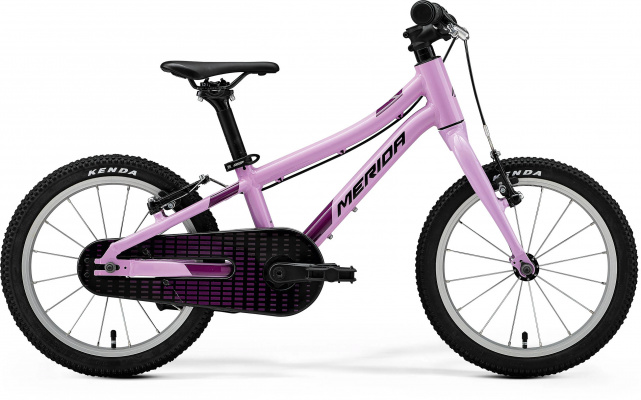
The smaller models - J12 through J16 - use a rigid fork, which is the right call. Suspension forks on tiny bikes add weight and complexity without delivering meaningful benefit on the rides those kids are actually doing. Keep it light, keep it simple. From the J20 upwards, Merida introduces suspension fork options for riders who are starting to venture onto proper trail riding - think local woods, pump tracks, or forest centre blue runs. That's where a bit of travel earns its place.
Worth flagging: if your child is after something purpose-built for a skatepark or dirt jump sessions, the Matts J range isn't the right match. Head over to our Merida BMX Bikes page instead, where the geometry and build are shaped around that kind of riding. And if they're ready to step into a full adult trail bike, Merida Mountain Bikes is the natural next chapter.
The Merida Matts J20 vs J24 question comes up constantly. In short: J20 suits riders around 110 - 125cm who are comfortable on two wheels but not yet throwing themselves down anything technical. The J24 is for kids who've outgrown the J20 and want more capable Shimano gears and, depending on the spec level, disc brake options. Both use the same alloy frame philosophy - the differences are mostly in component spec and intended riding confidence level.
The Engineering Behind Merida's Approach
Most high-street kids bikes are heavy. Not heavy by adult standards - heavy relative to the child riding them. A six-year-old pushing a 9kg bike is dealing with a proportionally enormous load. Merida's use of Racelite 61 aluminium - a butted alloy grade normally reserved for performance adult frames - cuts that weight meaningfully. The result is a bike that a child can actually pick up, lean, and manoeuvre without it feeling like a piece of garden furniture.
The child-specific geometry goes further than just scaling numbers down. A lower bottom bracket drops the centre of gravity, so the bike feels planted rather than twitchy when a young rider is still building balance. The standover height is kept genuinely low - not just technically adequate - because a child who can't get a confident foot down will stop trusting the bike. That trust is everything in early riding development.
Then there are the contact points. Short-reach brake levers mean small hands can actually reach the lever blade without stretching. Shorter crank arms reduce the arc each leg travels, which matters for knee comfort on longer rides and makes pedalling feel natural rather than forced. The narrow Q-factor keeps the feet tracking correctly for a smaller frame width. None of this sounds dramatic, but together it's the difference between a child who wants to ride every weekend and one who asks to go home after twenty minutes.
Compared to something from a supermarket or toy catalogue, the gap is stark. Those bikes often use heavy steel forks, vague braking, and adult-proportion cranks crammed into a small frame. Carrera Kids Bikes sit in a middle ground - decent quality for the price, but Merida's alloy spec and geometry thinking put it a level above for riders who are actually progressing.
Practicalities for UK Riders and Parents
Are Merida kids mountain bikes good in British conditions? The alloy frames handle damp storage fine - leave one in a shed through a wet Pennine winter and it won't rust on you. That's a genuine practical win compared to any steel-framed alternative. What will need attention is the drivetrain. Chains and exposed cable runs pick up grit and moisture on muddy towpath rides or after school in November. A quick wipe-down and a drop of chain lube after wet outings will add months to the drivetrain's life.
The V-brakes on the smaller Matts J models are easy to maintain and adjust - you don't need a workshop or specialist tools. Brake pad wear is visible, cable tension is adjustable with a barrel adjuster, and replacement parts are cheap and widely available. For parents new to bike maintenance, this matters. Disc brakes on the larger J24 and J26 spec levels offer stronger, more consistent stopping - particularly useful on longer descents in the kind of damp, leaf-covered conditions you get on UK trail days from October onwards.
Sizing is where we'd urge you to ignore the instinct to buy a size up so they can grow into it. It's genuinely the single most common mistake. A bike that's too big kills handling, makes the low standover advantage irrelevant, and puts the child in a position where they can't control the bike properly. Always measure your child's inside leg and cross-reference it with Merida's standover figures for each model. A properly sized bike that they'll outgrow in eighteen months will do more for their riding development than an oversized one they struggle on for three years. If you want another benchmark on fit-focused kids bikes, Frog Bikes publish similarly detailed sizing guides and are worth comparing directly.
Related searches:
Merida Kids Bikes FAQs
Are Merida kids bikes good?
Yes - and meaningfully so compared to most high-street options. Merida builds the Matts J series using Racelite 61 aluminium, the same alloy grade used in their adult race frames. That makes them lighter, more durable, and considerably easier for children to handle than the heavy steel or low-grade alloy bikes you'll find in toy shops and supermarkets.
What size Merida bike does my child need?
Merida uses wheel size to define the range: J12 suits roughly ages 2 - 4, stepping up through J16, J20, J24, and J26 to approximately age 14. Age is a starting point, not the answer - always measure your child's inside leg and check it against the standover height of the specific model. A bike they can confidently touch the ground on will develop their riding far faster than one they've 'grown into'.
Are Merida Matts J bikes lightweight?
They are, particularly for the price bracket. Butted Racelite 61 aluminium frames and rigid forks on the smaller models keep the weight low, which improves the weight-to-rider ratio considerably. For a child, even a kilogram less makes steering and balancing noticeably easier - especially on anything other than a flat car park.