
Maxxis Road Tyres
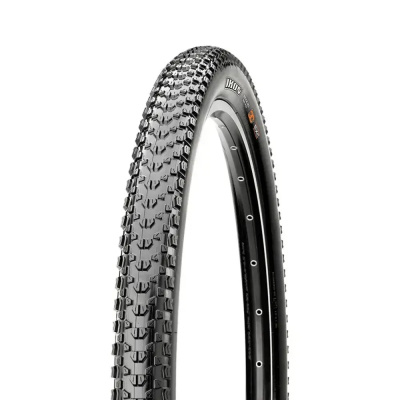
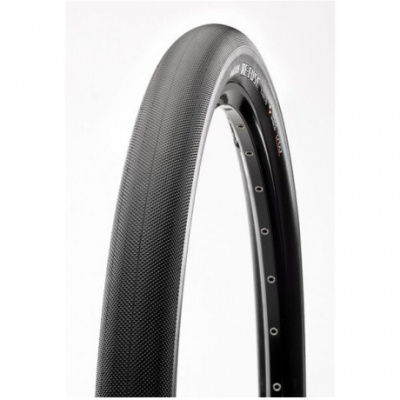
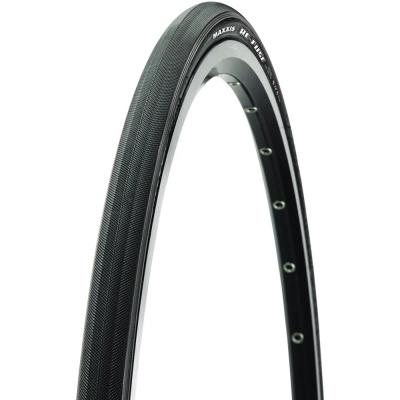
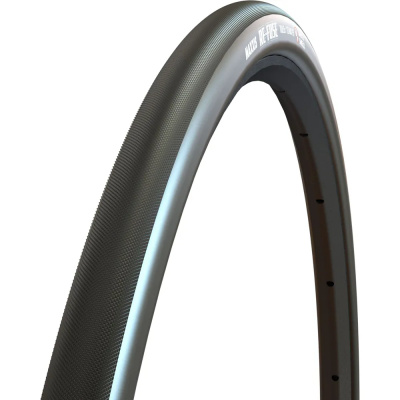
Maxxis road tyres have quietly become one of the most technically serious options on the market, bringing the same compound obsession and casing precision that made their MTB rubber famous straight onto the tarmac. At the core of the range sits the proprietary HYPR compound - a full-silica formulation that cuts rolling resistance by 16% and increases wet grip by 23% compared to conventional blends. That second number matters on greasy British lanes where the tarmac goes from dry to treacherous before you've cleared the car park. Above that compound layer, ZK puncture protection - a liquid crystal polymer lighter and tougher than Kevlar - sits between your tube or sealant and the flint-riddled B-roads of rural England. The range spans from the featherlight High Road race tyre, with its extraordinary ONE70 Technology 170 TPI casing, right down to the tank-like Re-Fuse for winter training and commuting. Tubeless Ready (TR) and traditional clincher options cover both modern hookless rim systems and older setups. Whether you're targeting a fast sportive or grinding out base miles in November, there's a Maxxis for the job.
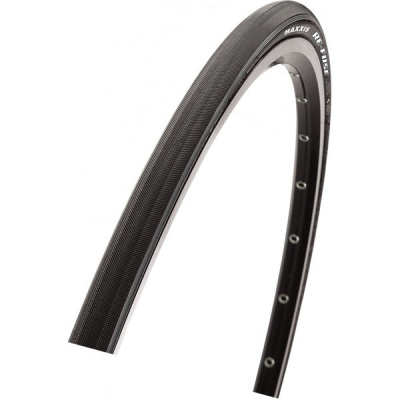
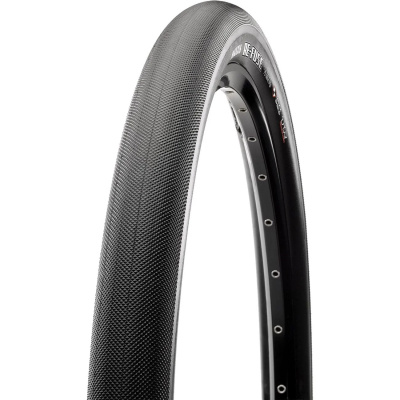
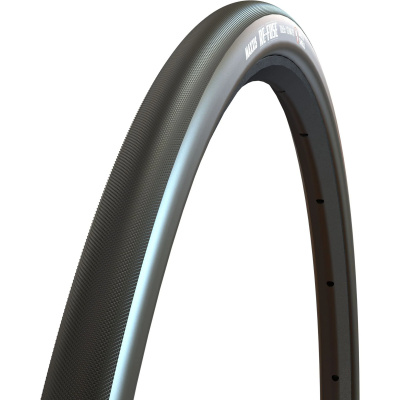
Prices and availability can change quickly. Delivery charges are not always included in listed prices.
Final price, stock status and delivery terms are set by retailer. We may receive a commission on purchases made.
Rim Compatibility and What Fits What
Before you buy, fitment deserves proper attention - especially if you're running a newer wheelset or thinking about going tubeless. Maxxis Tubeless Ready tyres use a reinforced bead designed to seat securely on standard hooked road rims, and the TR versions work well with a floor pump and a bit of patience on most modern alloy and carbon rims. Hookless compatibility is more specific: only the newer generation of TR models in 28c and wider carry hookless approval, and they must be run within the ETRTO-mandated 72.5 psi (5 bar) ceiling. Go beyond that on a hookless rim and you're voiding the compatibility. Check your rim manufacturer's own approved tyre list - that's always the final word.
Frame clearance is the other thing worth sorting before checkout. Swapping from a 25c to a 28c or 32c on an older rim-brake frameset can be tighter than it looks on paper. Many pre-2018 frames with close-tolerance fork crowns and chainstay bridges genuinely won't clear a 28c once mud or road grime builds up, even if the tyre technically fits cold and clean. Measure your clearance with a 5 - 6mm margin in mind. If you're on a modern disc frameset, 32c is usually straightforward - and the extra volume pays dividends on potholed lanes, reducing the risk of pinch flats even in a tubeless setup.
Which Maxxis Road Tyre Actually Suits You
The range breaks into three distinct tiers, and the differences are real - not just marketing gradient.
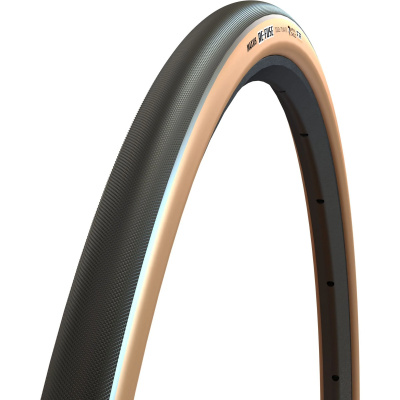
The High Road is the flagship. Its ONE70 Technology casing runs at 170 TPI, which gives it a suppleness under load that you can genuinely feel through the bars - reviewers consistently describe it as one of the more communicative tyres at this level. Paired with the HYPR compound, it rolls fast and grips well in the wet for a race tyre. This is what you spec when you want the best Maxxis road tyre experience and you're not asking it to survive 5,000 kilometres of daily commuting. The ZK breaker is present here too, so it's not fragile - just optimised for speed over longevity.
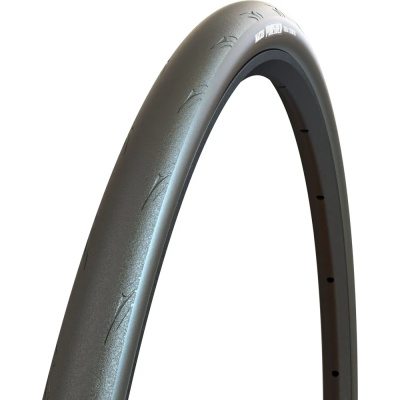
Step down to the Pursuer and you get a harder compound over a standard 60 TPI casing. Rolling resistance goes up, but durability improves meaningfully. It's a sensible choice for high-mileage training blocks, club runs, or anyone who doesn't want to be precious about what surface they ride. If the High Road is your race-day weapon, the Pursuer is the workhorse that handles everything else. The trade-off is feel: the stiffer casing doesn't absorb road buzz the same way, which over three hours on rough Suffolk lanes starts to register in your hands and backside. Comparing the two sits at the heart of the Maxxis High Road vs Pursuer decision most riders face - and honestly, running one of each (race tyre on race day, Pursuer the rest of the time) is the most practical answer.
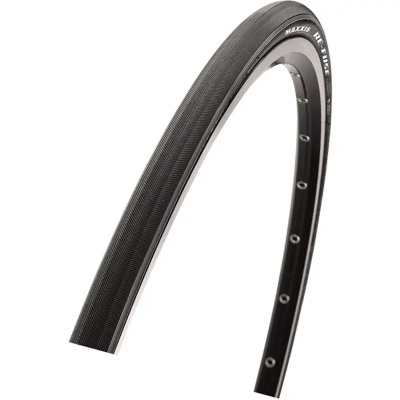
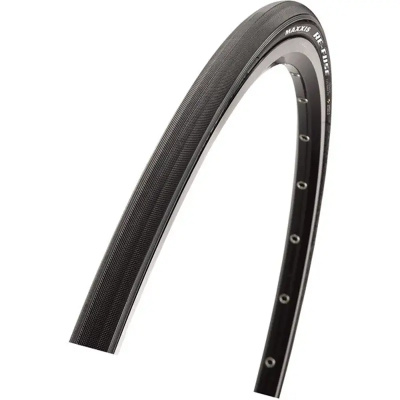
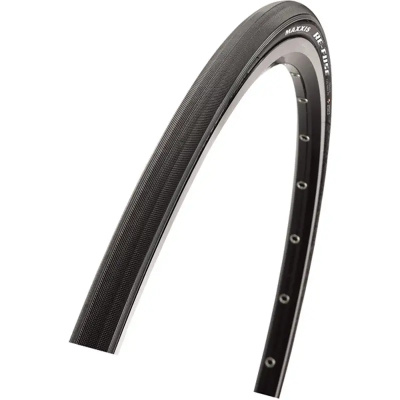
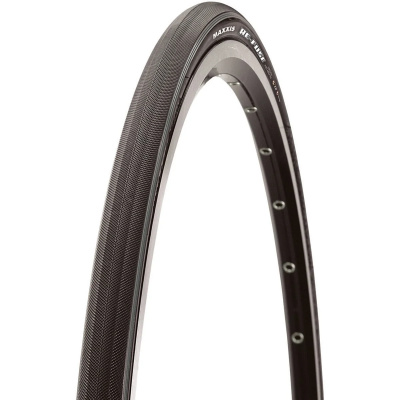
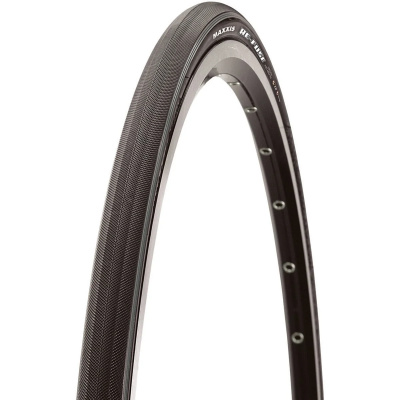
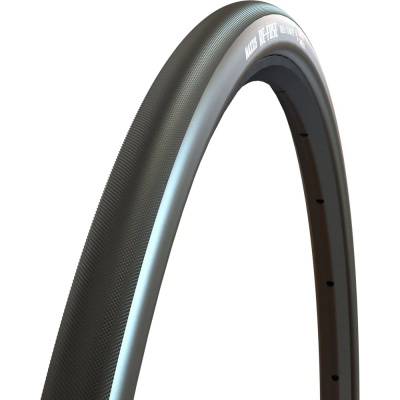
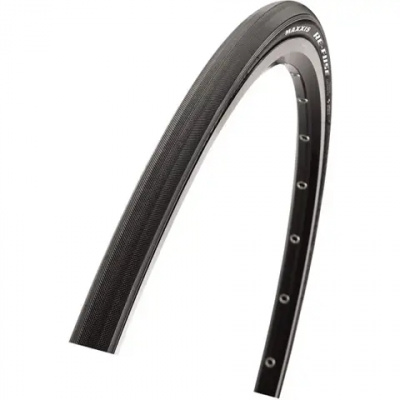
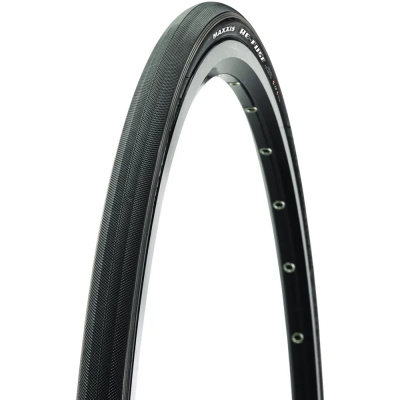
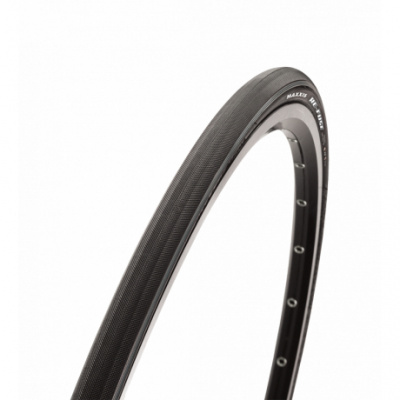
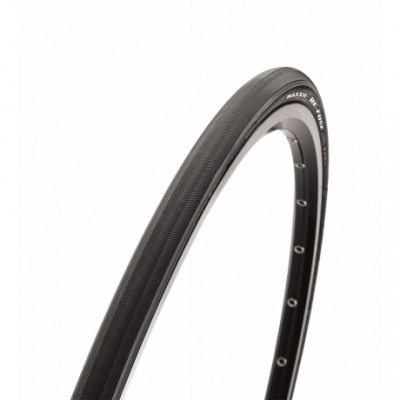
The Re-Fuse is a different animal altogether. MaxxShield sub-tread protection makes it about as resistant to glass and flint as a road tyre gets, and it's the pick for winter training and commuting where puncture resistance outranks everything else. It's heavier and slower-rolling than the other two, but that's the trade. If you're on Continental road tyres for winter right now and finding them lacking in cut resistance, the Re-Fuse is worth a direct comparison. Pirelli road tyres in the Cinturato range occupy similar territory, but the Re-Fuse's protection layer is notably aggressive.
Keeping Maxxis Road Rubber Alive on UK Roads
UK roads are a specific kind of hostile. Flint doesn't care what compound you're running, and the broken glass on city commutes is relentless. The ZK breaker in the High Road and K2 protection in mid-range models handle most of this - the liquid crystal polymer construction resists cuts rather than just absorbing them, which is a meaningful difference when you're rolling over debris at 25 mph.
Tubeless setups add a useful layer of defence, but road tubeless needs more active maintenance than MTB. Higher pressures - often 60 - 80 psi versus 20 - 30 psi on a trail bike - push sealant harder against the casing and dry it out faster. Check and top up every three to four months; don't wait for a slow puncture to tell you the sealant's gone. For a standard 25c to 30c road tyre, 30 - 40ml per tyre is the right amount. Pair your tyres with quality Maxxis tubeless valves - the valve core needs to stay clean and removable for easy top-ups without breaking the bead. If you're converting a clincher wheelset, Maxxis inner tubes remain a tidy fallback for non-tubeless builds or emergency carries.
On wet winter rides, dropping tyre pressure by 5 - 8 psi below your usual setting genuinely widens the HYPR compound's contact patch and improves grip on greasy tarmac. It's a small tweak but worth making before a wet sportive or a cold January club ride through the Dales. This is also where the Maxxis tubeless road tyre advantage shows most clearly - the ability to run lower pressures without pinch-flat anxiety changes how confidently you can corner on slick surfaces. And when you do eventually need to lever a tyre off for any reason, proper tyre levers prevent unnecessary rim tape damage - especially important on hookless rims where bead integrity matters more.
For Maxxis puncture resistant road tyres in the commuter bracket, the Re-Fuse in 28c tubeless is the most sensible configuration for UK city use - enough volume to absorb the worst potholes, MaxxShield to deal with glass, and sealant to handle anything that does get through. If you're weighing it against Vittoria road tyres like the Rubino or Corsa Control, the Re-Fuse edges ahead on outright protection, though Vittoria's Graphene compound is competitive on wet grip. The best Maxxis road tyres for UK winter riding ultimately come down to how much speed you're willing to sacrifice for confidence - and for most of us grinding through February, the answer is: quite a lot.
Maxxis Road Tyres FAQs
Are Maxxis High Road tyres hookless compatible?
The latest generation of High Road Tubeless Ready tyres in 28c and above are hookless compatible, but only when kept within the 72.5 psi (5 bar) ETRTO pressure limit. Always cross-reference your rim manufacturer's approved tyre list - that cap is non-negotiable on hookless systems.
What is the difference between Maxxis High Road and Pursuer?
The High Road is built for speed - 170 TPI ONE70 casing, HYPR compound, and a supple ride feel that suits race days and fast events. The Pursuer uses a harder compound and 60 TPI casing for durability and everyday mileage. Faster and more fragile versus slower and tougher, essentially.
How much tubeless sealant should I use in Maxxis road tyres?
Thirty to 40ml per tyre covers most road sizes from 25c to 30c. Road pressures are high enough that sealant dries out quicker than in MTB setups, so check levels every three to four months and top up before it's gone completely rather than waiting for a slow leak to flag it.