
Martini Jerseys
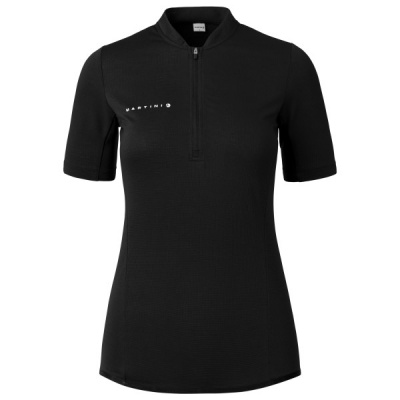
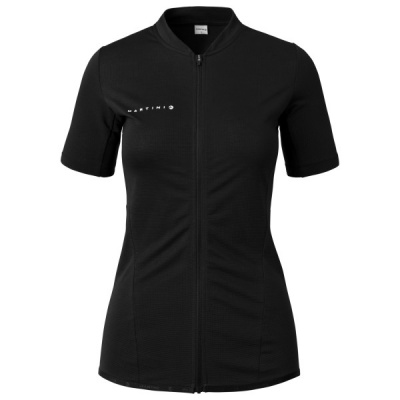
Martini cycling jerseys bring Alpine pedigree to your ride, blending the kind of technical chops you'd expect from a brand rooted in Austria's Annaberg valley with a café-friendly aesthetic that doesn't scream 'race replica'. These aren't just cycling tops. They're functional bike wear designed around the 'Hike & Bike' philosophy, meaning they'll handle a gravel blast through the Chilterns or a technical climb in the Lakes without looking out of place when you roll up for coffee afterwards. Moisture-wicking technology keeps you dry, odor-neutralizing fabric keeps you fresh, and a PFC-free finish means you're not trading performance for environmental responsibility.
The range spans breathable cycling shirts for summer singletrack and thermal hybrids with Primaloft Active insulation for those shoulder-season rides when the weather can't decide. Fit is European athletic - close but not restrictive - and the fabrics are built to last, which matters when you're clocking big miles on rough surfaces. Whether you're after Martini MTB jerseys for trail centre laps or Martini women's bike tops that actually fit properly, the collection covers a lot of ground. Worth a look if you want something that works as hard as it looks good.
Prices and availability can change quickly. Delivery charges are not always included in listed prices.
Final price, stock status and delivery terms are set by retailer. We may receive a commission on purchases made.
Technical Fabric Architecture
Martini leans heavily on sophisticated material blends to keep you comfortable when the effort ramps up. Most jerseys feature Tencel lyocell fibres, a cellulose-based fabric that cools faster than polyester and wicks moisture away from your skin with impressive speed. It's soft against the body, resists odour build-up naturally, and dries quickly when you stop for a breather. You'll also find blends incorporating recycled polyester and elastane for stretch and durability, particularly in the more trail-focused cuts where abrasion resistance matters.
The brand's use of mineral-based cooling technologies - often integrated into the yarn itself - gives you an edge on long climbs or humid summer days. These fibres conduct heat away from your core more efficiently than standard synthetics. Anti-odor treatments are built into the fabric structure rather than sprayed on, so they survive repeated washes without fading. That's a big deal if you're riding multiple times a week and don't want to run a laundry cycle every other day.
For colder months, Martini integrates Primaloft insulation into jersey-jacket hybrids, offering warmth without bulk. These pieces still breathe well enough for high-output riding but add a thermal buffer when you're descending through damp Welsh valleys or tackling early-morning starts in the Peaks. The PFC-free water-repellent finish sheds light drizzle without the environmental baggage of older treatments, and it doesn't stiffen the fabric or compromise breathability.
Fit Profile & Discipline Compatibility
Martini offers two broad fit philosophies. The athletic cut sits close to the body, reducing flap on fast gravel descents or when you're tucked into a headwind. It's not race-tight - you won't need a shoehorn - but it's trim enough to work well under a gilet or shell. These jerseys suit riders who prioritise aerodynamics and like their kit snug. Hem grippers keep everything in place, and pocket configurations tend towards three rear pockets with a zipped valuables slot, much like you'd find on Endura jerseys or Craft jerseys.
The looser, trail-oriented cuts offer more freedom of movement and a relaxed silhouette that works well for technical MTB riding where you're shifting your weight around the bike. These tend to have slightly longer backs and dropped hems for coverage when you're in an aggressive riding position, but they're not baggy enough to snag on branches or flap annoyingly. If you're used to the fit of Cube jerseys, you'll find Martini's trail cuts similarly practical.
How do Martini sportswear sizes fit? The brand follows a European athletic cut, so garments are form-fitting without being restrictive. If you're between sizes or prefer a looser feel for trail riding, sizing up is a sensible move. Women's-specific cuts are well thought out, with longer torsos and shaped seams that don't bunch or ride up. Is Martini clothing suitable for mountain biking? Absolutely. The 'Hike & Bike' crossover versatility means these jerseys are built to handle abrasion, repeated washing, and the kind of sweat output you generate on a steep technical climb. Pair them with Martini shorts for a matched kit that works across disciplines.
Seasonal Layering Guide
Martini's lightweight summer jerseys are your go-to when temperatures push past 20°C and you're riding exposed routes like the South Downs Way. The mesh panels and Tencel blends keep airflow high, and the quick-drying properties mean you're not riding around in a damp shirt after a hard effort. These pair well with a minimal base layer or none at all, depending on your preference.
When autumn rolls in and the mornings turn crisp, the long-sleeve options come into their own. These often feature brushed interiors for a bit of warmth without adding bulk, and they layer neatly under a windproof gilet for those rides where you're starting cold but expect to warm up. The moisture transport remains rapid, so you're not getting clammy as soon as you hit the first climb.
For proper cold-weather riding - think January loops around the Peak District or Scottish Highland trails - Martini's thermal jersey-jacket hybrids with Primaloft Active insulation offer genuine warmth. They're not as heavy as a full winter jacket, but they're warm enough to handle single-digit temperatures when paired with a good base layer. The insulation is strategically placed across the chest and shoulders, leaving the back and underarms less insulated to prevent overheating. You'll still want a shell in your pack for sustained rain, but these hybrids handle light drizzle and damp conditions without issue.
Austrian Heritage & Sustainability
Where is Martini sportswear made? The brand is an Austrian family business with roots in Annaberg, and they prioritise European production to maintain quality control and reduce transport emissions. The majority of their collection is manufactured within the EU, which means shorter supply chains and more transparent working conditions. It's not just marketing talk - Martini's commitment to local production is part of their broader sustainability strategy.
The use of Tencel lyocell is a key part of that approach. Lyocell is derived from sustainably managed forests, and the closed-loop production process recycles nearly all the solvents used, making it one of the more eco-friendly fabrics in cycling. Martini also avoids PFC-based water repellents, opting instead for fluorocarbon-free finishes that perform well without the environmental persistence of older chemistries. These jerseys are built to last, too - reinforced seams, durable fabrics, and thoughtful construction mean you're not replacing them every season.
The 'Hike & Bike' philosophy reflects a broader European approach to outdoor sportswear: gear that works across activities, looks good enough to wear off the bike, and doesn't compromise on technical performance. It's a refreshing contrast to the disposable fast-fashion model, and it resonates with riders who want their kit to do more than one job. If you're looking for a brand that takes sustainability seriously without sacrificing function, Martini sits alongside the likes of Dynafit jerseys in terms of ethos, though with a stronger focus on cycling-specific features. For comparison with more race-oriented brands, Castelli jerseys and Assos jerseys offer a different performance focus, but Martini's versatility and sustainability credentials give it a distinct edge for riders who value those attributes.