
Marin Mountain Bikes
Marin mountain bikes have been shaping how riders think about trail geometry since the brand's early days on the fire roads above San Francisco Bay - and the current lineup translates that Californian aggression directly to British singletrack. Whether you're threading the Tweed Valley's loamy switchbacks or grinding out a muddy Surrey Hills loop in November, there's a Marin built for the job.
The range runs from the entry-level Bobcat Trail and Bolinas Ridge cross-country bikes right through to the long-travel Alpine Trail enduro rig, with the versatile Rift Zone and the hard-charging San Quentin hardtail sitting in the middle. Trim levels - Base, 1, 2, and the top-spec XR (eXtra Rad) builds - mean you can match your budget to your ambitions without compromising on frame quality. Every model gets Marin's modern, slack, and long geometry regardless of price point. That's not something every brand can say.
Looking for pedal-assist power to lap the bike park? Head over to our Marin E-Bikes collection. If you're building a custom rig from the ground up, check out our Marin Frames.
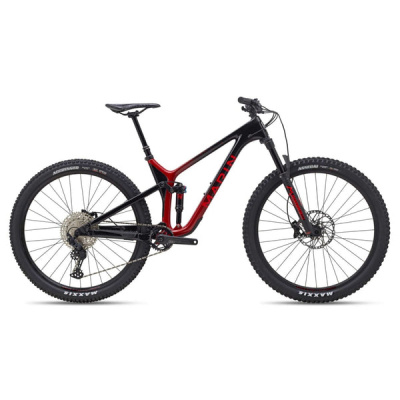
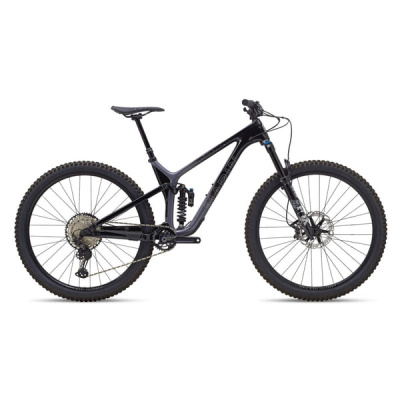
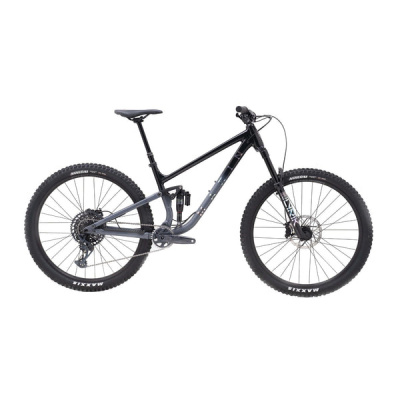
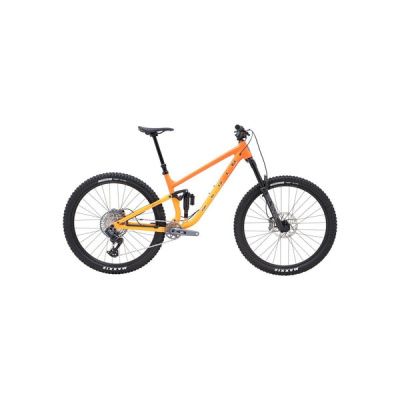
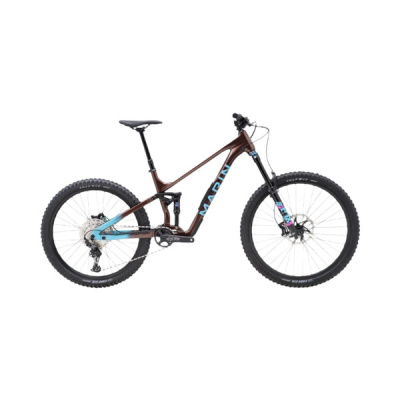
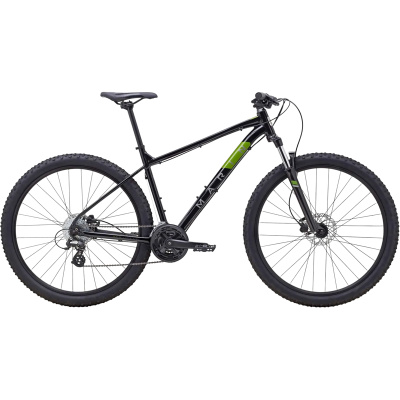
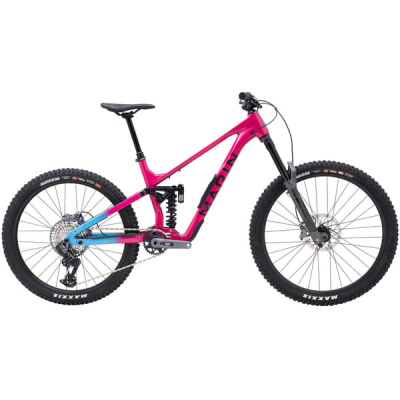
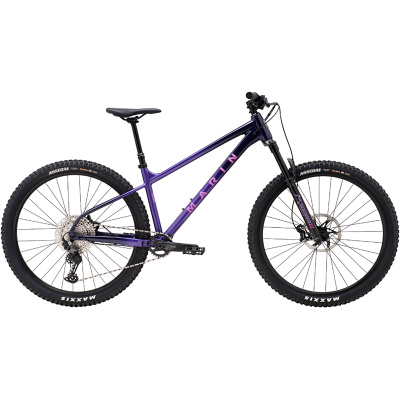
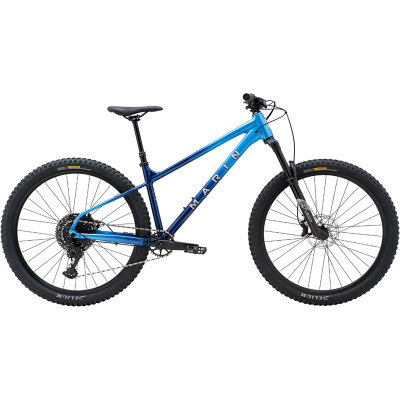
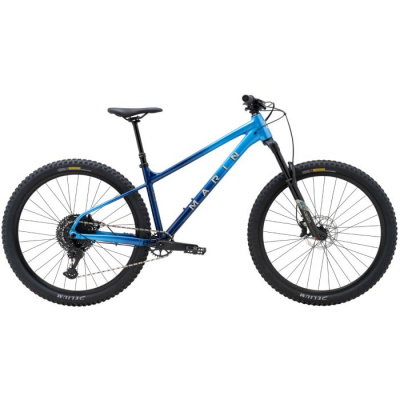
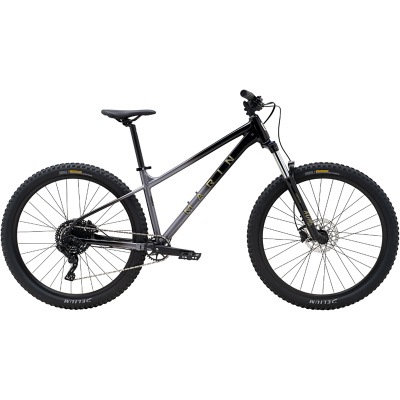
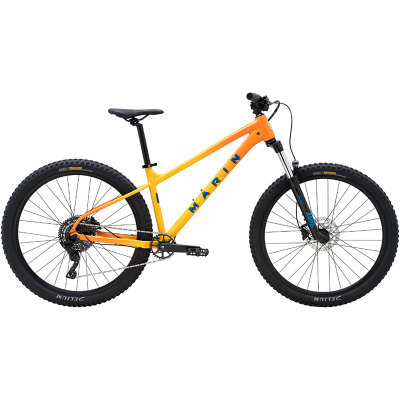
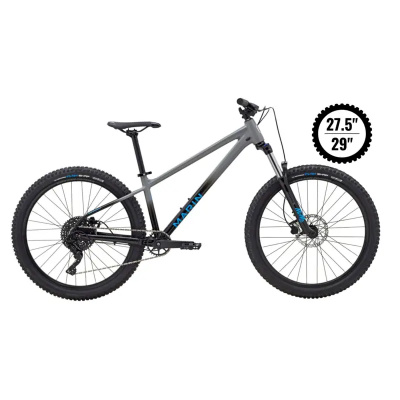
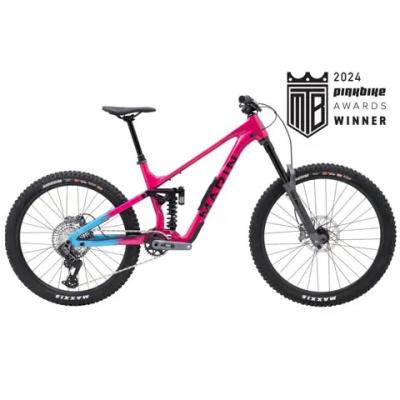
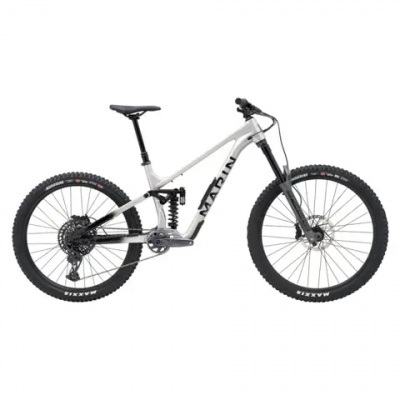
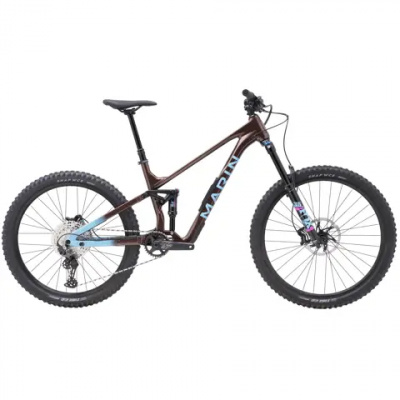
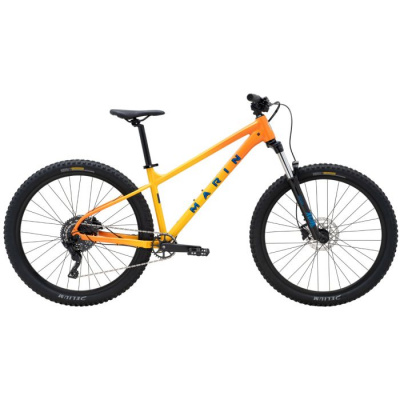
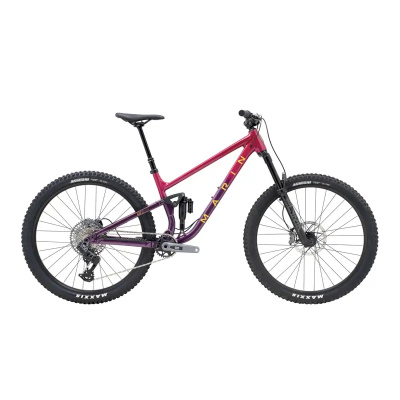
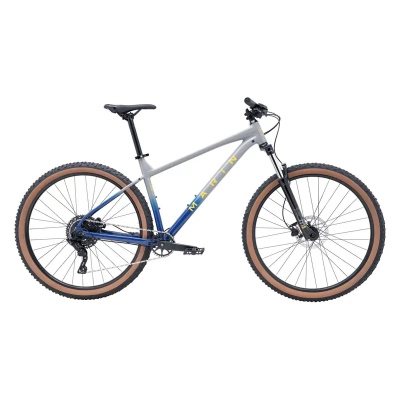
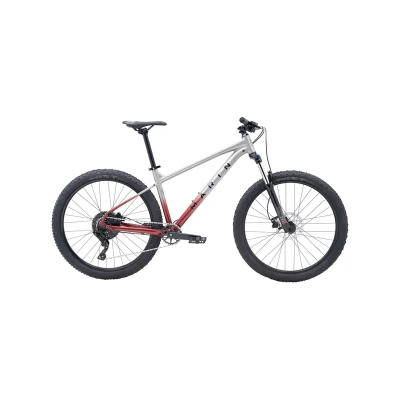
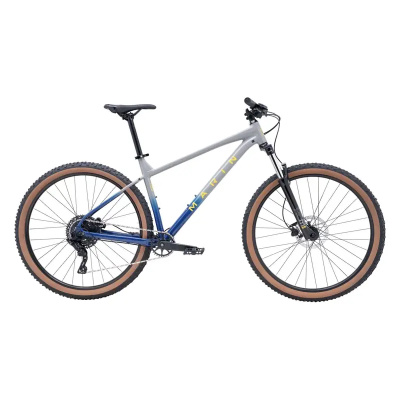
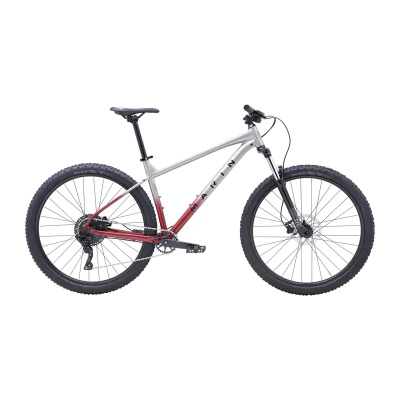
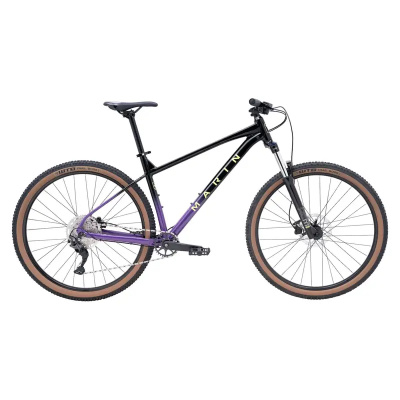
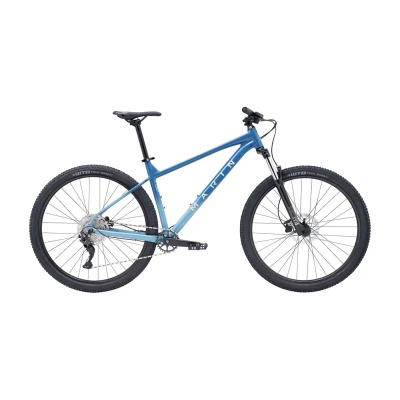
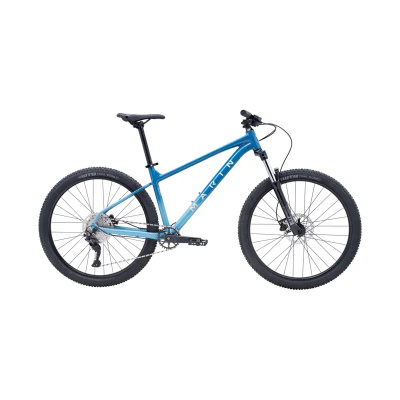
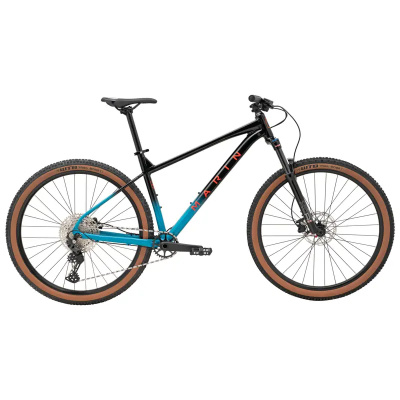
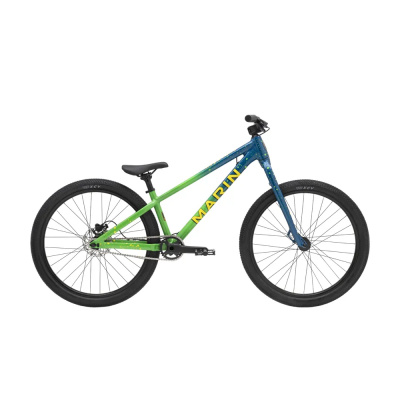
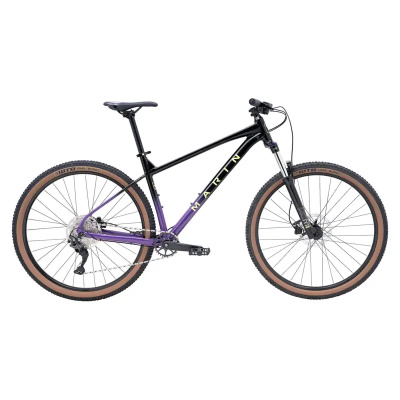
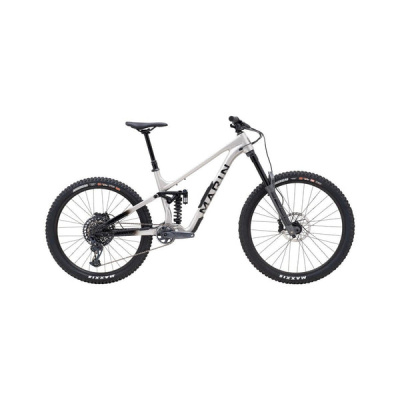
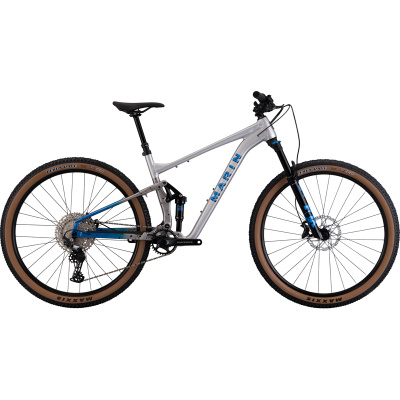
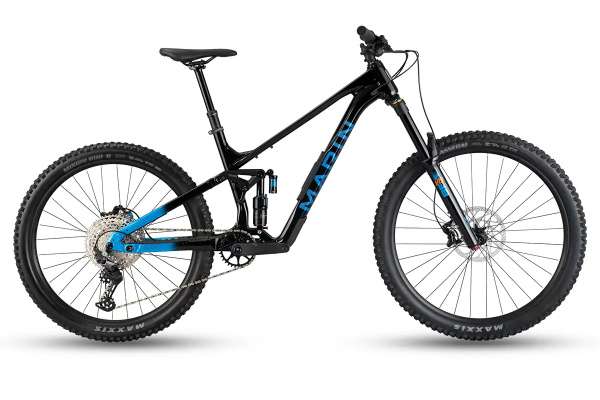
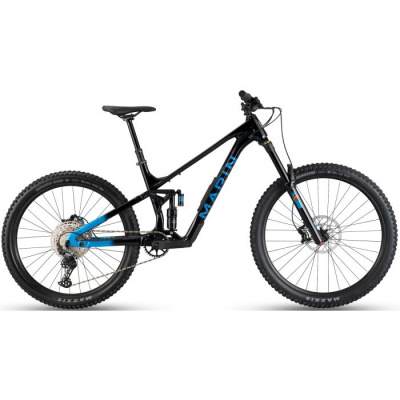
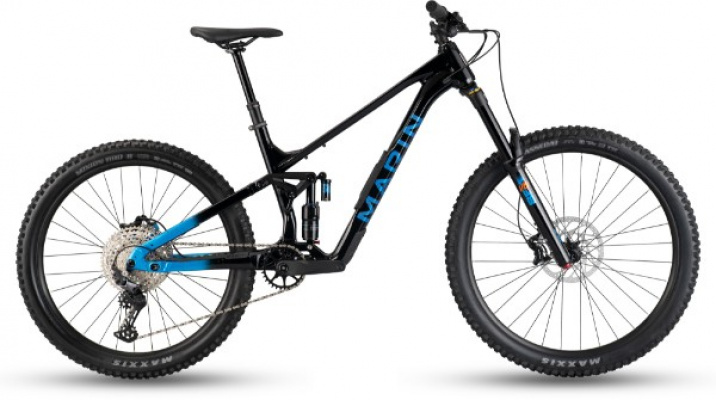
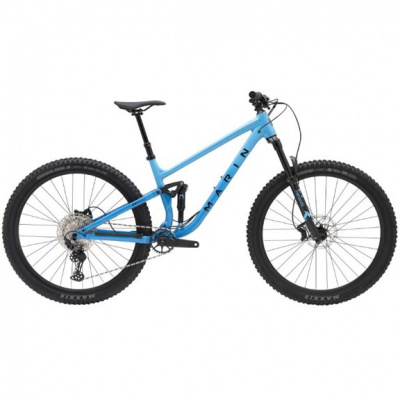
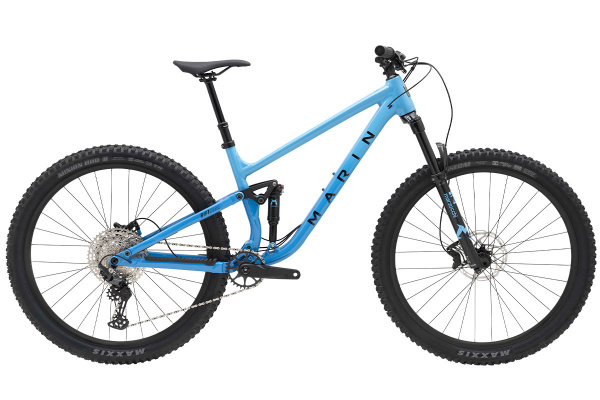
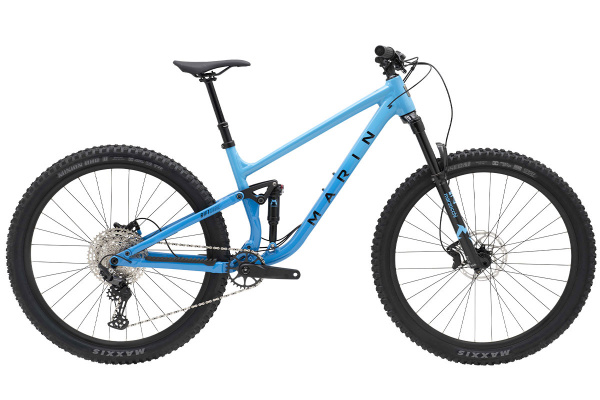
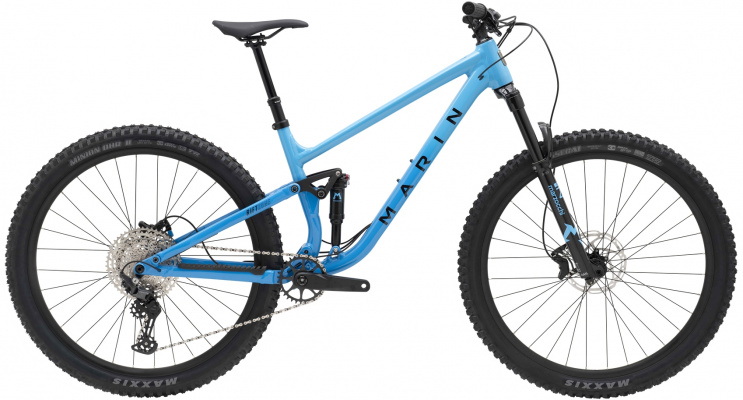
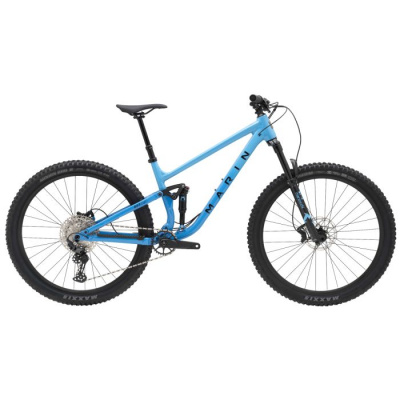
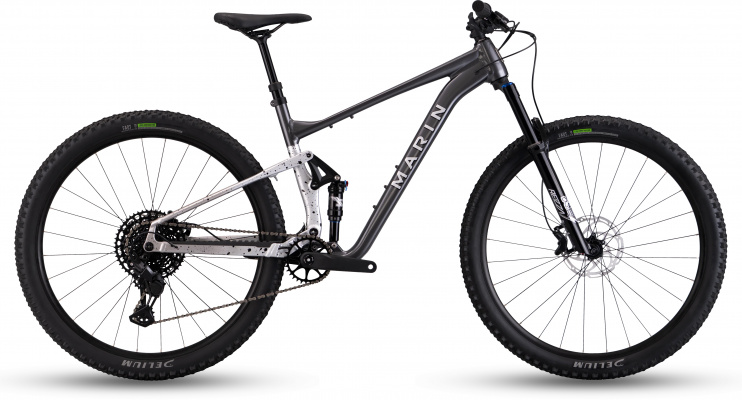
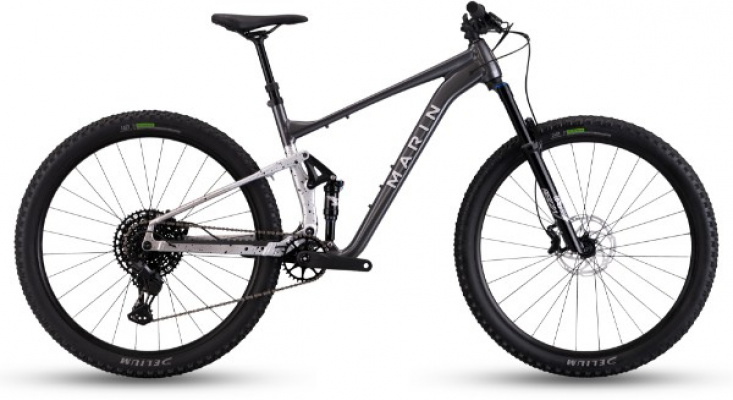
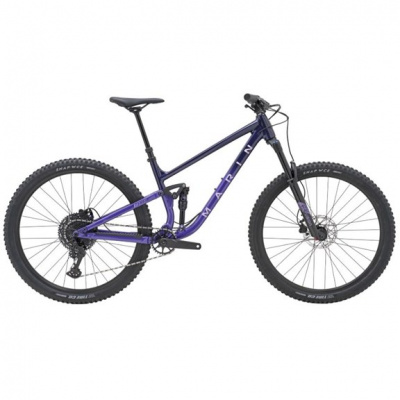
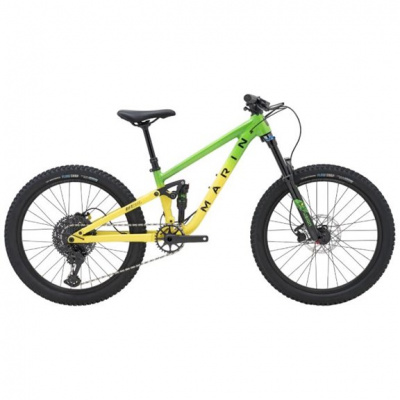
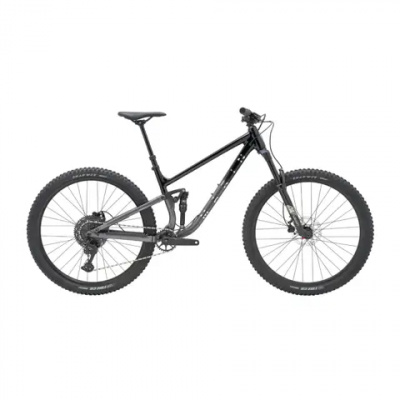
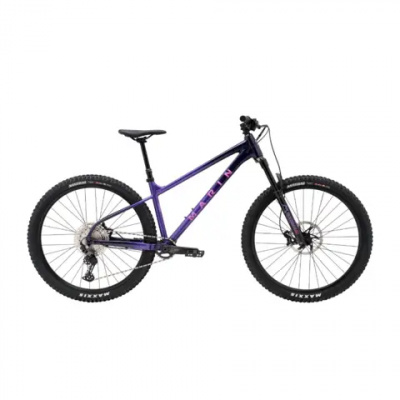
Prices and availability can change quickly. Delivery charges are not always included in listed prices.
Final price, stock status and delivery terms are set by retailer. We may receive a commission on purchases made.
Mapping the Marin Mountain Bike Families
Marin mountain bikes split into four clear families, and knowing which is which saves a lot of scrolling. The Rift Zone is the all-rounder - short-to-mid travel, 29er wheels, and a trail geometry that handles everything from flow trails to chunky natural lines without feeling like a compromise in either direction. Think of it as the bike you'd reach for on 90% of UK trail centre days. Step up in aggression and travel and you hit the Alpine Trail, Marin's long-travel enduro rig. Slacker head angle, more suspension stroke, and a geometry that's designed to eat steep descents rather than merely tolerate them.
On the hardtail side, the San Quentin is the one worth paying attention to. It runs a slack head angle and a long reach for a hardtail, making it far more capable on aggressive descents than its price tag suggests. It's the sort of bike that makes riders question why they ever needed rear suspension. Then there are the Bobcat Trail and Bolinas Ridge models - more trail-friendly, more upright, and a sensible first step into proper off-road riding without the weight or complexity of full suspension.
Trim levels follow a consistent hierarchy. Base and level 1 builds use reliable workhorse components - solid brakes, dependable drivetrains, and the same frame as everything above them. Level 2 and the XR builds bring better suspension forks, lighter contact points, and in some cases, dropper post routing as standard. The XR designation signals Marin's highest-spec builds: Unidirectional Carbon frames with high-modulus layups that cut weight without sacrificing stiffness. Worth knowing before you assume the alloy option is always the budget choice.
What's Actually Going On With the Tech
Marin's MultiTrac suspension platform is the backbone of the Rift Zone and Alpine Trail full-suspension models. The linkage geometry is tuned specifically to deliver mid-stroke support - so the bike doesn't wallow when you're pedalling across flat sections - while still offering genuine bottom-out control on big hits. In practice, that means you're not constantly chasing sag or fiddling with compression damping every time the trail changes character. It pedals well enough that you won't dread the climbs, and it descends with enough composure that you're not white-knuckling the bars on the way down.
The alloy frame range uses a tiered system worth understanding. Series 1 and 2 aluminum frames appear on the more accessible models - decent quality, reliable welds, and heavier than the upper tiers. Series 3 and 4 aluminum bring progressive tube butting and hydroforming into play, meaning the tubing wall thickness varies along its length to remove weight where stresses are lowest and keep material where it counts. The result is a noticeably livelier, more responsive frame feel compared to basic alloy - closer to carbon in character than most riders expect at the price. On the XR models, Unidirectional Carbon with high-modulus layups takes things further still, shaving meaningful grams and sharpening handling precision.
Geometry across the range sits firmly in modern territory. Slack head angles, long reaches, and short chainstays are standard rather than reserved for premium models. That matters because it means a mid-range Rift Zone handles with the same intent as bikes costing significantly more from Cube or Giant at equivalent price points. Dropper post routing is internal on the current generation - a small detail that makes a real difference when you're fumbling with a cable in cold gloves on a wet Peak District morning.
How Marins Cope With British Riding
California designed, Wales tested - that's roughly how it works in practice. The rear triangles on the Rift Zone and Alpine Trail offer enough mud clearance to keep things moving when the clay gets sticky, which matters more than most buyers realise until they're halfway up a Welsh hillside with a rear wheel that's stopped rotating. That said, if you're regularly riding genuinely clogged-up conditions, checking tyre clearance specs for your specific build is worth doing before you commit to wider rubber.
The MultiTrac pivot bearings are sealed cartridge units, which gives them a fighting chance against British grit and winter road spray. They're not indestructible - no bearing is - but they're far more resistant to the kind of gradual ingress that destroys cheaper pivot systems inside a season. Annual pivot checks and occasional fresh grease on the hardware will keep things running smoothly. It's five minutes of work that most riders skip and then wonder why things feel vague a year later.
Sizing is worth a quick note. Marin's geometry runs on the longer side, which is generally a good thing for stability, but riders on the cusp between sizes will often find the larger option gives a more confident, stretched-out position on descents. If you're used to sizing down on other brands, hold off here and check the reach figure directly. For reference, the Rift Zone and Alpine Trail suit riders who want that planted, point-and-shoot feel on steep UK trails - the kind of geometry that makes the Surrey Hills feel less sketchy and the Tweed Valley feel properly fast. Compared to a Cannondale at a similar spec level, Marin tends to run slightly more aggressive out of the box, which most trail riders in the UK will appreciate.
One practical thing worth flagging: Marin's internal dropper routing means installation is clean, but bleeding hydraulic lines or running new cable housing is slightly more involved than on externally routed frames. Nothing a competent workshop can't handle, but factor that in if you're planning a component swap at home.
Marin Mountain Bikes FAQs
Are Marin mountain bikes good quality?
Yes, consistently so. Marin's Series 3 and 4 alloy frames use proper tube butting and forming to deliver a ride quality that outperforms the price tag. The MultiTrac suspension system is a genuine design rather than a badge - it handles pedalling efficiency and descending composure without asking you to compromise on either. Respected across the UK trail community for durability and honest spec levels.
Where are Marin mountain bikes made?
Designed and tested in Petaluma, California, with frames manufactured in Taiwan and Indonesia. That's standard across the industry - it's how brands like Marin achieve consistent weld quality and precise carbon layups at scale. The design intent and geometry decisions are entirely Californian; the execution is backed by some of the best frame manufacturing facilities in the world.
What is the difference between the Marin Rift Zone and Alpine Trail?
The Rift Zone is a short-to-mid travel trail bike - versatile, efficient on climbs, and comfortable across a wide range of conditions. The Alpine Trail is the long-travel option, with slacker geometry and more suspension travel aimed squarely at steep, aggressive descents and bigger mountain riding. If you're mostly on UK trail centres, the Rift Zone suits the majority of days. If you're chasing enduro lines, the Alpine Trail is the one.