
Maloja Regular Shorts
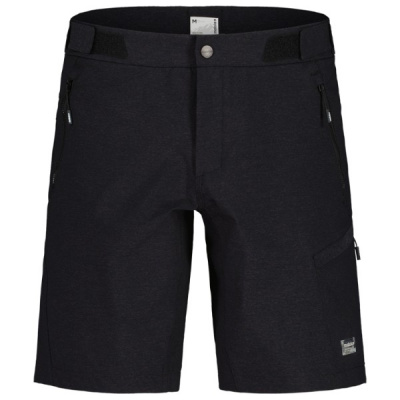
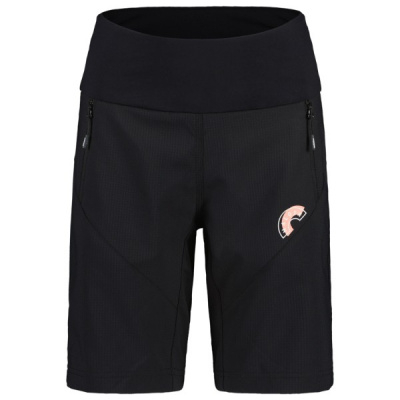
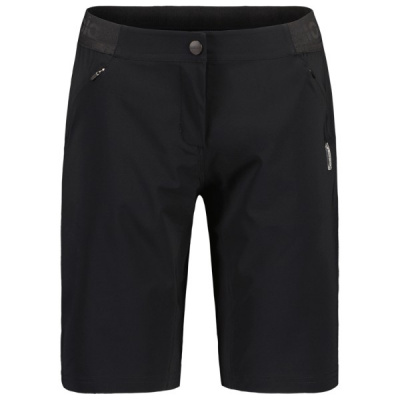
Maloja regular cycling shorts sit in a category that's easy to get wrong - too stiff and they fight you on steep switchbacks, too baggy and they're flapping like a windsock on the descent. Maloja gets the balance right. Built on proprietary Polystretch and Hemp Stretch fabrics, these waist shorts move with you in four directions without sagging or bunching after an hour in the saddle. That mechanical give matters whether you're hauling out of the Peak District grit on a long climb or navigating a technical root section in the wet.
The PFC-free DWR finish isn't just a box-tick - UK trail spray and passing showers are a near-constant, and a proper water-repellent coating buys you comfort when the ride goes longer than planned. Triple-stitched seams handle the inevitable hedge encounters and low-side moments without fraying, and laser-cut ventilation keeps things from cooking on humid woodland climbs. Bibs aren't for everyone - they're fiddly at café stops, awkward under a pack's hipbelt, and just not what every rider wants. These shorts offer a relaxed, highly mobile fit that doesn't compromise on technical credentials. Maloja's aesthetic is understated too, which means they work just as well for a bikepacking overnighter as a Saturday trail session.
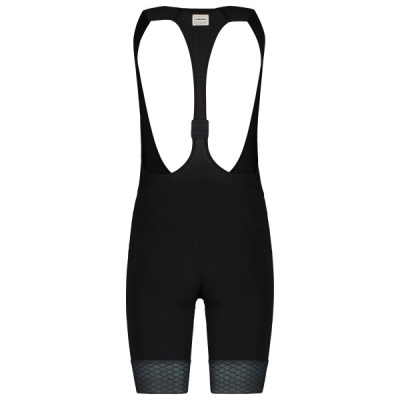
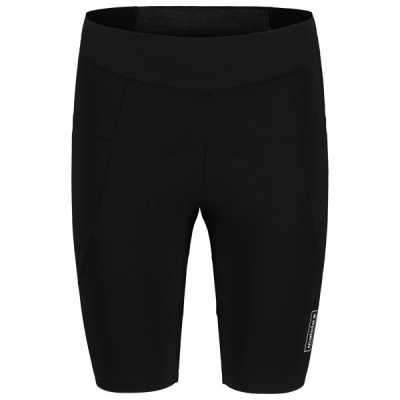
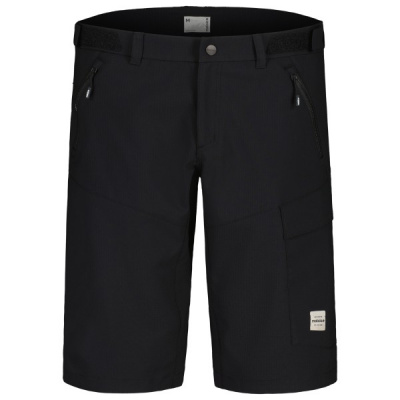
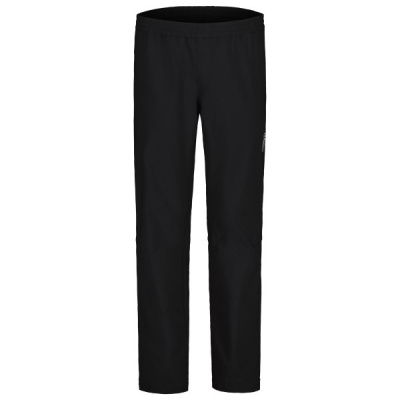
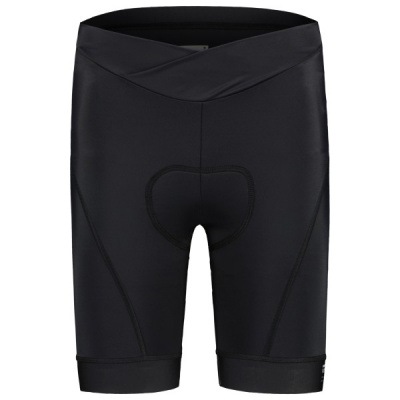
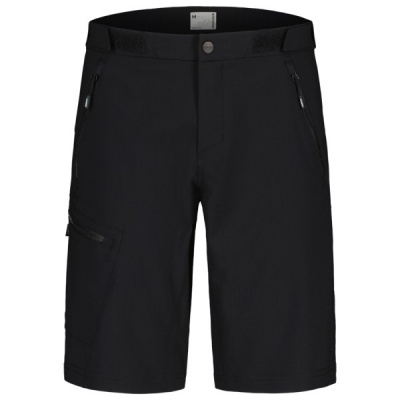
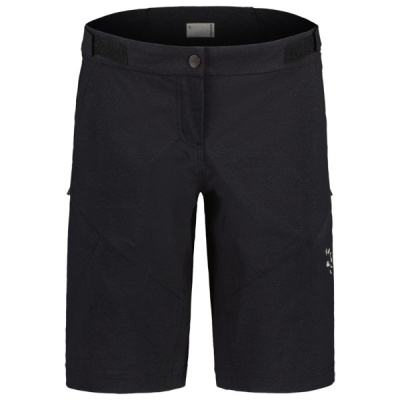
Prices and availability can change quickly. Delivery charges are not always included in listed prices.
Final price, stock status and delivery terms are set by retailer. We may receive a commission on purchases made.
Fabric Tech and How It Handles UK Weather
Maloja uses two main fabric constructions across the regular shorts range. Polystretch is the workhorse - a synthetic 4-way stretch weave that holds its shape ride after ride and resists the kind of abrasion you get from rocky Welsh singletrack or sitting back on your rear wheel through loose gravel. Hemp Stretch brings a natural-fibre twist to the same brief: blending hemp with stretch synthetics gives you a slightly softer hand feel and better moisture management, which matters on longer days when you're generating consistent heat output. Neither fabric bags out at the knees after a few hours, which is more than can be said for plenty of shorts in this bracket.
The PFC-free DWR finish is the coating applied to the outer face of the fabric. PFC-free means it avoids the more harmful fluorinated chemicals used in older DWR treatments - better for the environment, and still effective enough to bead off light showers and puddle splash. It won't turn a full Scottish deluge into a non-event, but for the kind of drizzle that follows you from the car park to the ridge and back, it keeps you noticeably drier than an uncoated shell. Worth noting: DWR performance degrades with washing and use, but it's restorable - more on that below.
Laser-cut ventilation holes are punched into panels on the thigh and sometimes the seat area. The laser process seals the edges of each hole as it cuts, so there's no fraying risk. The result is direct airflow to the skin on muggy summer climbs through Grizedale or Afan, without weakening the structural integrity of the panel. It's a practical detail that makes a real difference when you're working hard and the trees are trapping the heat.
Cuts, Fits, and Getting the Sizing Right
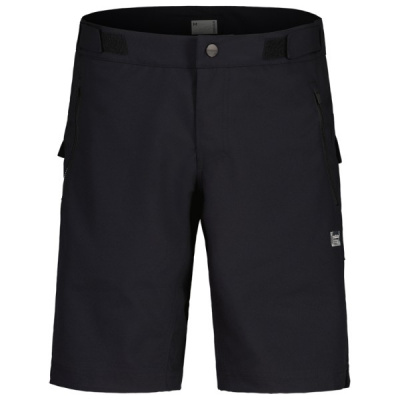
Maloja runs a couple of distinct silhouettes across the Maloja MTB shorts and Maloja gravel shorts ends of the range. The enduro and freeride-oriented cuts are genuinely relaxed - longer inseam, wider through the thigh, and cut to sit slightly lower on the hip for freedom when you're really moving around on the bike. These pair well with knee pads because the inseam is long enough to meet the top of the pad without leaving an awkward gap. If you're running knee pads regularly, check the inseam measurement before you buy; it makes a bigger difference than most riders expect.
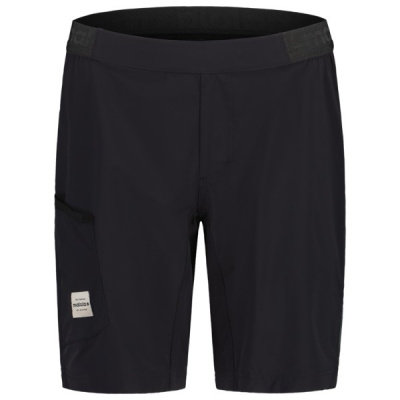
The more XC and gravel-leaning options trim things down - less fabric around the leg means less wind resistance and less material bunching under a tight hip belt. They still have a noticeably more relaxed cut than a road short, but they're not voluminous. Think of it as the difference between a regular and a slim fit in jeans - both are comfortable, but one's built for a different kind of movement.
Velcro waist adjusters are a genuinely useful feature that often gets overlooked. They let you dial in the waistband fit without needing a belt, which keeps the profile clean under a pack and means one size can work across a small range of waist measurements. Maloja typically runs true to European sizing, which translates reasonably accurately to UK sizing - if you're between sizes, most riders find sizing up works better for the looser cuts, while the tailored options tend to work well at your usual size. For a detailed Maloja shorts size guide, the brand's own size chart is worth a look before ordering, as inseam lengths vary between models. Compared to something like Endura's regular shorts range - which tends toward a slightly more British, relaxed cut - Maloja sits a touch more structured through the hip, reflecting their alpine roots. Fox regular shorts are a useful comparison point too, with Fox typically running a little longer in the body and looser through the seat.
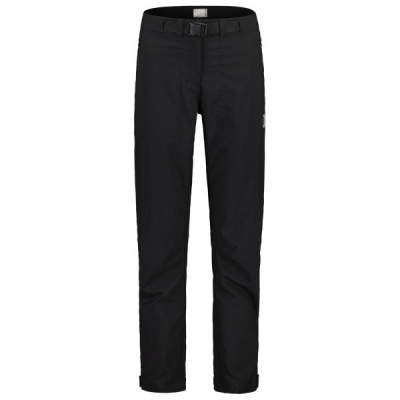
If you're after something with more coverage for cooler days or longer road sections between trails, Maloja regular tights and Maloja trousers follow the same fabric logic with more leg coverage.
Layering Up and Keeping Them in Good Condition
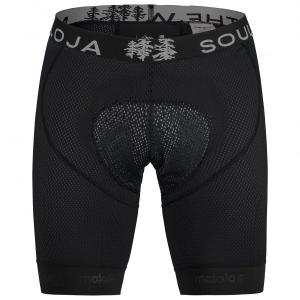
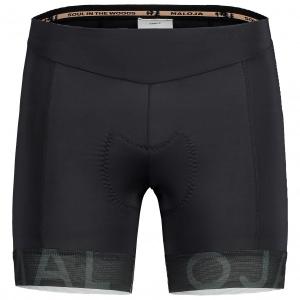
These are outer shells. There's no built-in chamois, so you'll need a padded liner or bib short underneath for anything beyond a short spin. That's not a limitation - it's actually more versatile, because you can match the pad to your saddle time and riding style independently of the outer. A good liner under a Maloja baggy short gives you the freedom of a waist-short fit with proper saddle comfort. Pair the whole system with a Maloja base layer up top and you've got a layering setup that adapts as the day warms up.
UK trails are particularly good at getting kit filthy. When it comes to washing, avoid biological detergents - the enzymes that make bio detergents effective at shifting stains also degrade DWR coatings faster than normal wear does. Use a dedicated tech-wash (Nikwax Tech Wash is widely available and works well) at 30 degrees. Don't use fabric softener either; it clogs the pores of stretch fabrics and kills breathability. After washing, the DWR coating needs a bit of heat to reactivate - a short tumble dry on a low setting or a cool iron over the fabric (not directly on any printed logos) is enough to get the beading effect back. It takes two minutes and it's worth doing after every few washes rather than waiting until you notice the fabric wetting out.
For complete kit coordination on the ride, Maloja jerseys and Maloja jackets are designed to work with the same colour palette and proportions, so layering up for a changeable day in the hills looks considered rather than cobbled together.
Maloja Regular Shorts FAQs
Do Maloja regular shorts include a padded chamois liner?
No - Maloja regular shorts are outer shells sold without a built-in pad. You'll need to wear a separate padded liner or bib short underneath for saddle comfort on anything longer than a very short ride. This actually works in your favour: you can choose a liner that suits your saddle time and riding style independently.
How do Maloja cycling shorts fit compared to UK brands?
Maloja generally runs true to size with an alpine-influenced cut that sits a touch more structured through the hip than something like Endura but is still genuinely relaxed compared to road-oriented shorts. The Velcro waist adjusters help bridge small sizing gaps. If you're between sizes, go up for the looser enduro cuts and stick to your usual size for the trimmer gravel options.
How do I maintain the water resistance on my Maloja shorts?
Wash at 30 degrees using a tech-wash - not biological detergent, which degrades the DWR coating. Skip the fabric softener too. Once dry, run them through a tumble dryer on a low heat setting or press with a cool iron to reactivate the PFC-free DWR finish. Do this every few washes and the beading effect stays strong for much longer.