
Maloja Jerseys
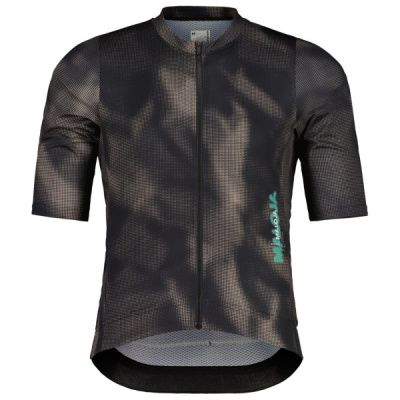
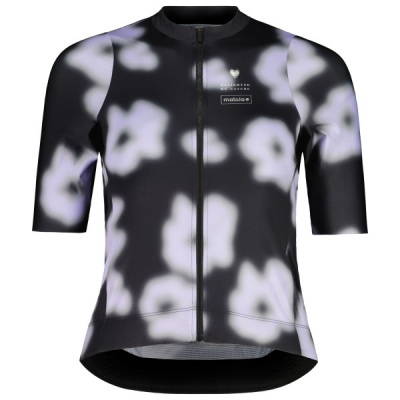
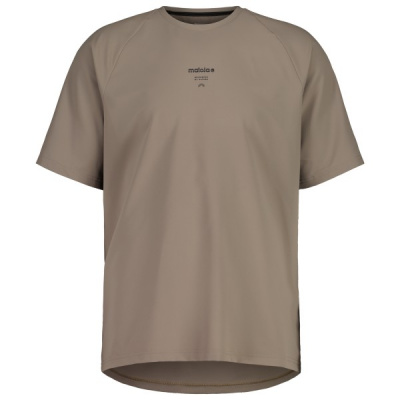
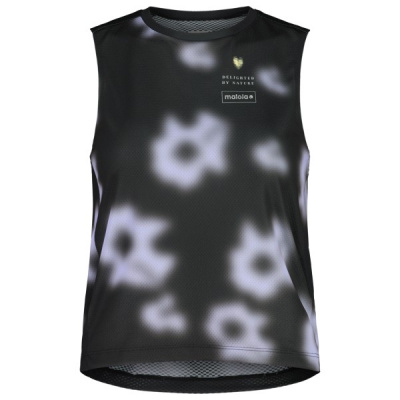
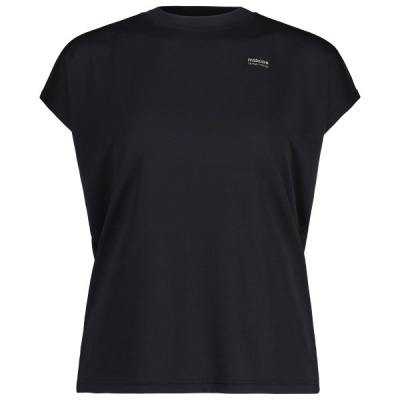
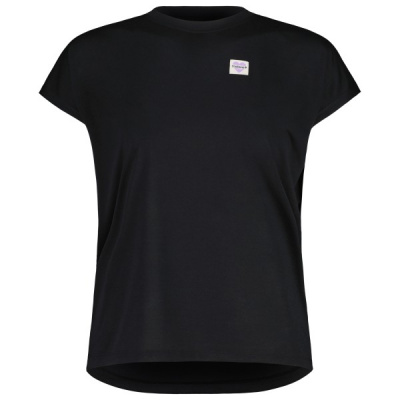
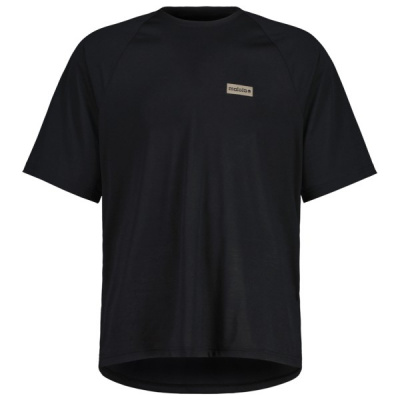
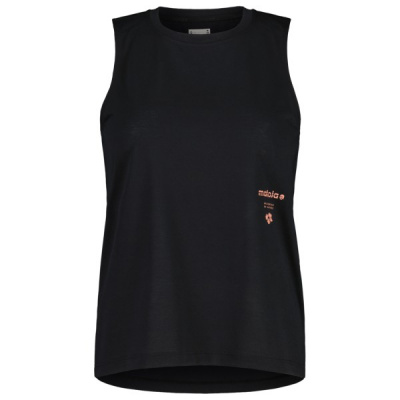
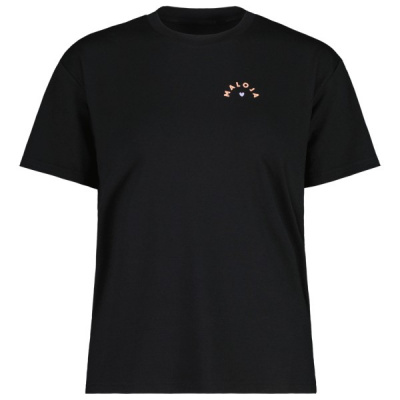
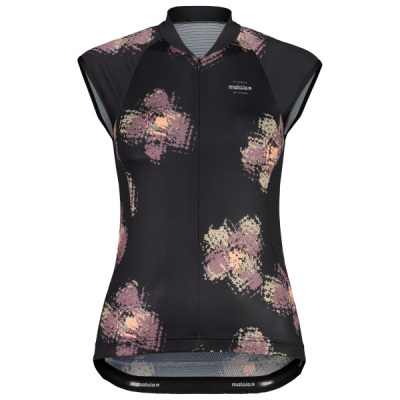
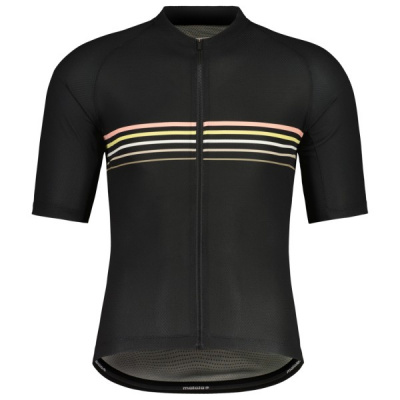
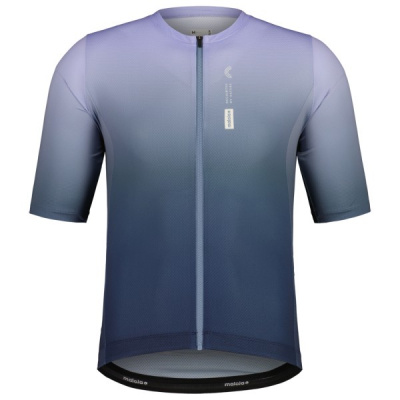
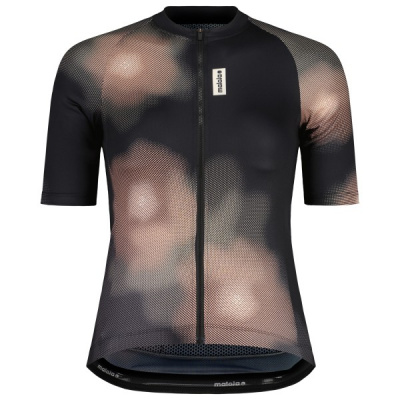
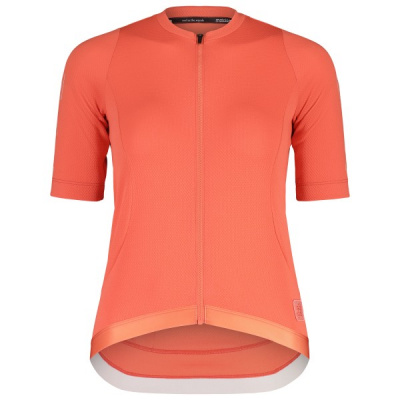
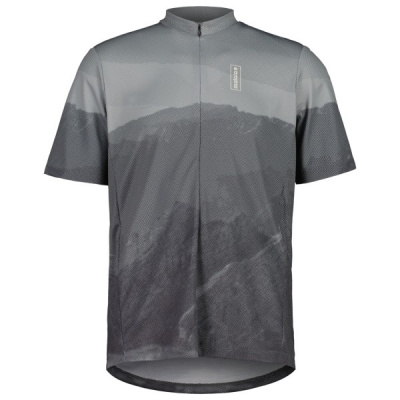
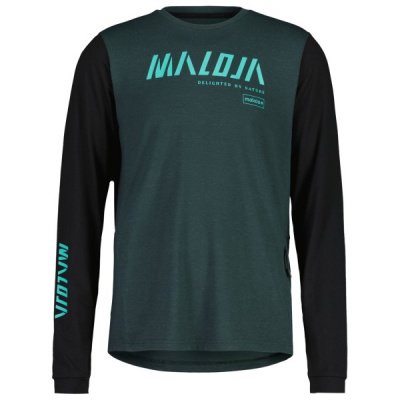
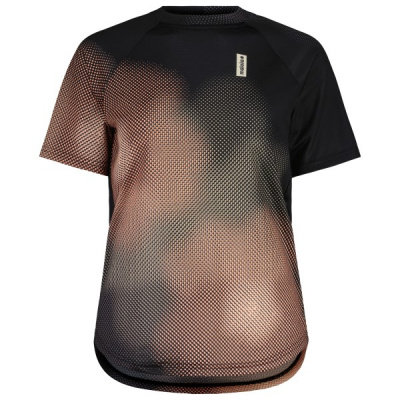
Maloja cycling jerseys sit in a genuinely interesting corner of the market - alpine-rooted design sensibility, eco-conscious fabric choices, and performance specs that hold up against the big names without leaning on the usual race-kit playbook. The range covers road, gravel, and MTB, each with a cut and fabric spec dialled for what you're actually doing on the bike.
What sets Maloja apart is the material thinking. They use Hemp Stretch blends that resist trail abuse, lightweight Pushlite synthetics that vent hard on humid climbs, and Polygiene anti-odour technology baked into the fabric - not a spray-on treatment that washes out after a few rides. Drop-tail hems keep your lower back covered when you're tucked over the bars, which matters more than it sounds on a long gravel day.
For UK riders, the versatility is the real draw. These jerseys layer cleanly under a gilet when the weather turns, breathe well enough for slow, sweaty ascents in the Peak District, and hold their shape after repeated washes in muddy conditions. The aesthetic leans distinctly non-corporate - bold graphic work, considered colourways - so you won't look like a catalogue page on the trail. Practical, well-made kit with a clear point of view.
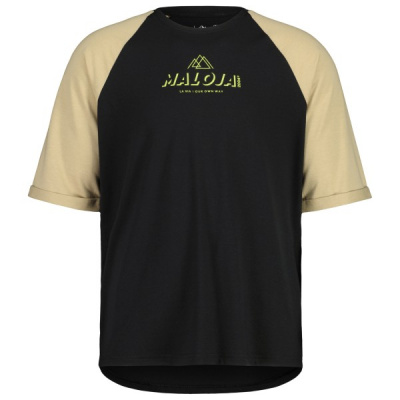
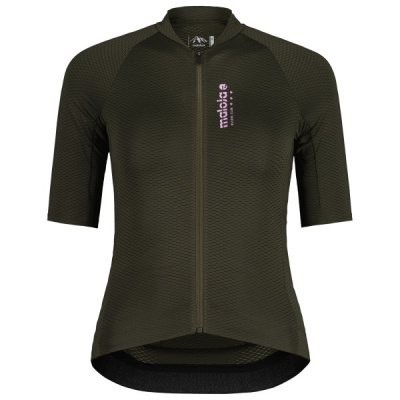
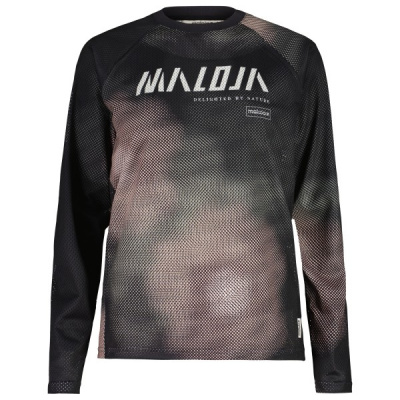
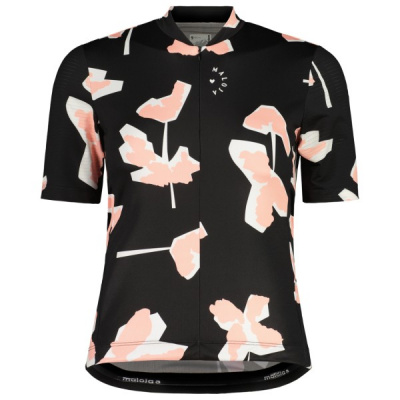
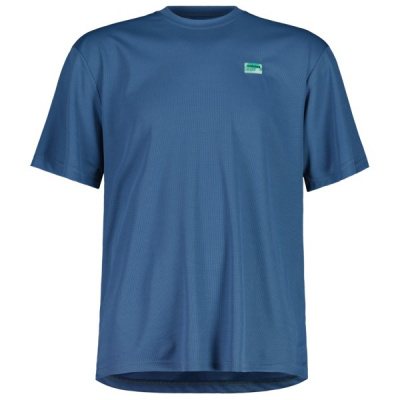
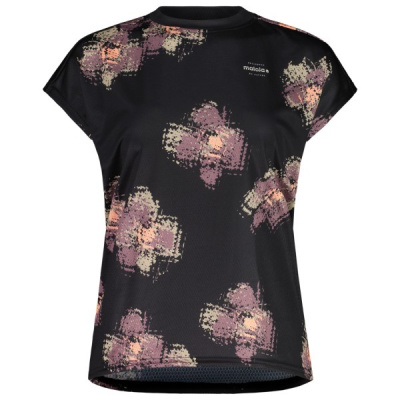
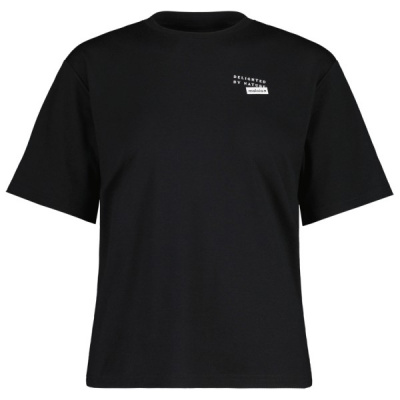
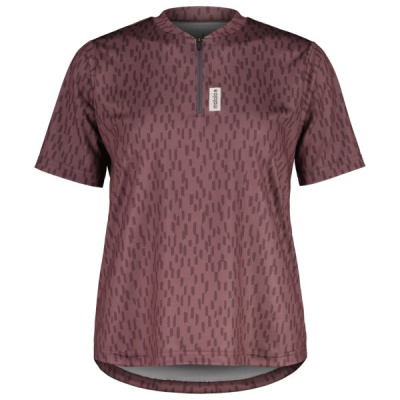
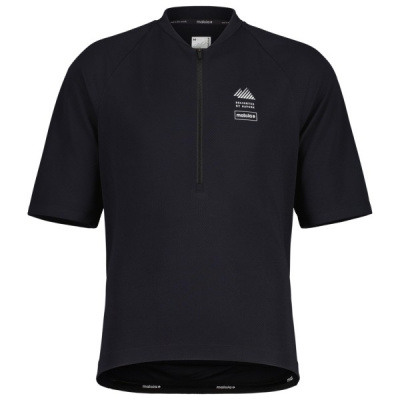
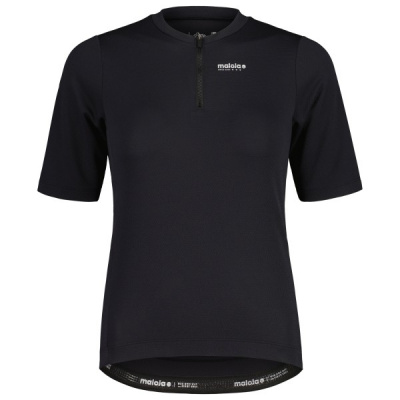
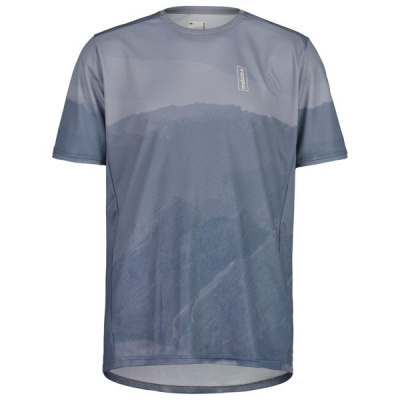
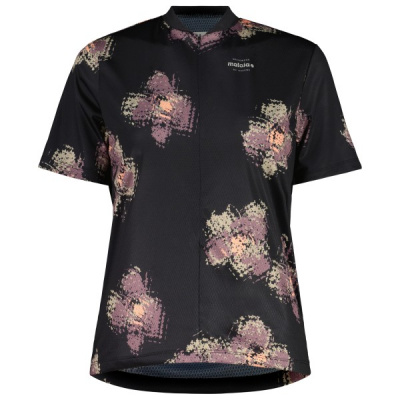
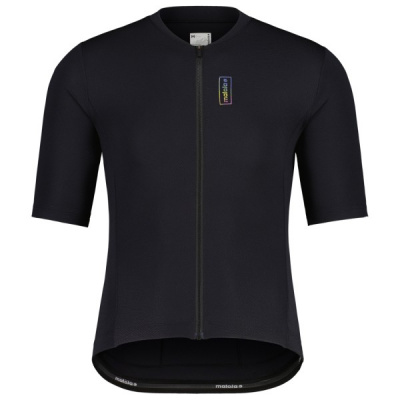
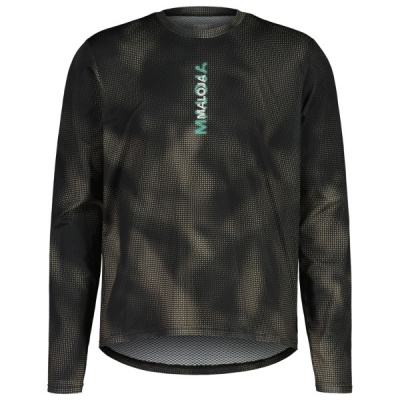
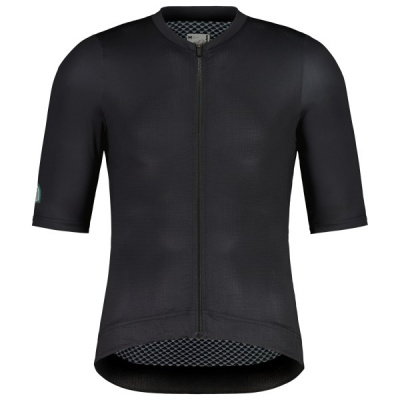
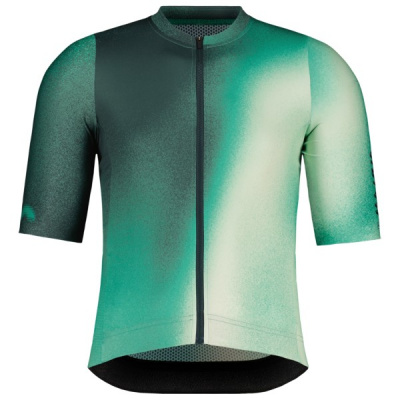
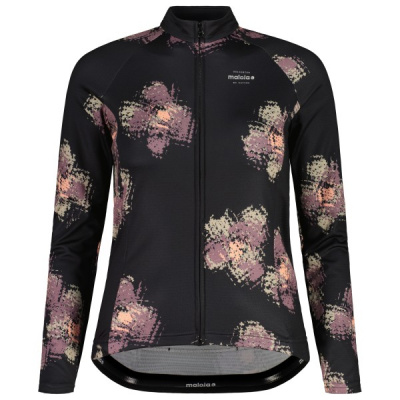
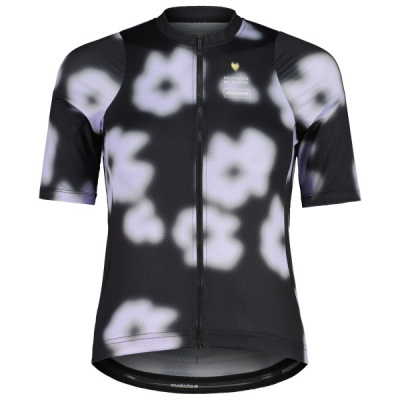
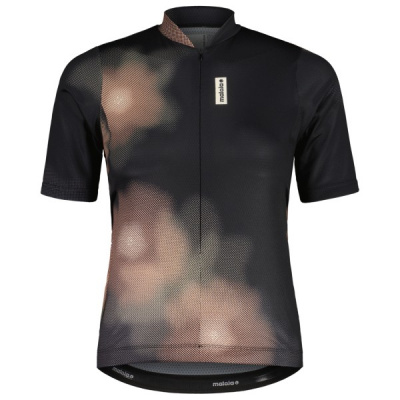
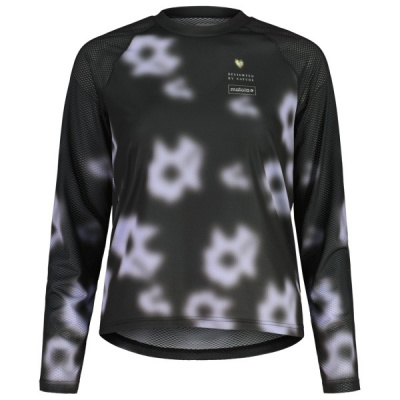
Prices and availability can change quickly. Delivery charges are not always included in listed prices.
Final price, stock status and delivery terms are set by retailer. We may receive a commission on purchases made.
Fabric Tech and Weather Performance
Maloja's fabric choices are where the jerseys earn their keep. The Pushlite material - used across several of their summer road and gravel options - is a lightweight, highly breathable synthetic that moves moisture away from the skin quickly. On a long Welsh climb in July humidity, that speed of wicking makes a real difference to comfort. It's thin without feeling fragile, and it dries fast enough between efforts that you're not sitting in a damp layer on the descent.
For MTB and trail riders, the Hemp Stretch (also referred to as Moenus in parts of the range) fabric is the one to know about. Hemp fibres add natural durability and a slight texture that resists snagging on brambles and rough bark better than pure synthetic weaves. The stretch component keeps movement unrestricted - reaching forward on the bars, pushing through a technical rollover - without the fabric pulling tight across the shoulders. It's a smarter material call than it might first appear.
Then there's Polygiene. This is a silver-salt anti-odour treatment embedded in the yarn itself, not added post-production. It inhibits the bacteria that cause fabric to smell, which means the jersey stays fresher across multiple rides without needing a wash after every outing. For anyone doing a bikepacking route across the Scottish Borders, or just a big back-to-back weekend in the hills, that's genuinely useful rather than a marketing footnote. Polygiene's effectiveness doesn't degrade with normal washing either, which is more than can be said for some competitor treatments.
The drop-tail hem is a consistent feature across the range. It's a small detail with a practical function - the longer rear panel stays tucked over your lower back in the riding position rather than riding up and leaving a gap. In cooler conditions, that gap is where the cold gets in, so it's a welcome design decision rather than a cosmetic one.
Understanding the Maloja Fit and Range
Maloja splits their jersey cut broadly by discipline, and getting that distinction right matters for how the jersey performs. Their MTB and freeride jerseys use a relaxed, freeride fit - more room across the chest and arms, a longer body length, and enough slack to wear comfortably over a chest protector or light body armour without bunching. If you're used to road-cut jerseys, these will feel noticeably roomy. That's intentional. Dynamic trail riding needs that freedom of movement, and a tight jersey under armour is an uncomfortable jersey.
The road and gravel jerseys take a slimmer, more athletic line. Not aggressively race-tight, but cut to reduce wind flap at speed and sit cleanly against the body on longer efforts. There's still stretch in the fabric, so it doesn't feel restrictive - more like a fitted base layer than a compression garment. For gravel riders, this cut works well: aero enough on open roads, comfortable enough on rougher tracks.
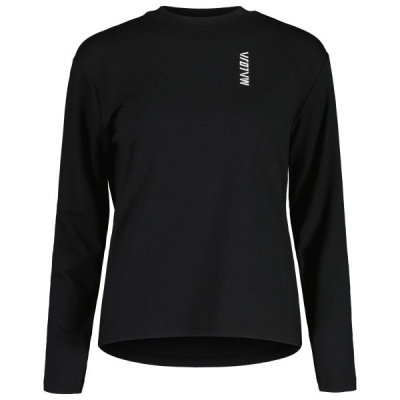
On sizing, Maloja runs to European sizing conventions, which tends to sit a touch slimmer than UK high-street norms. If you're between sizes and ride MTB, go up - the relaxed fit absorbs the extra room without looking baggy. For road and gravel, stay true to size unless you prefer more coverage across the shoulders, in which case sizing up one step works without compromising the fit elsewhere. Longer-torso riders will appreciate the drop-tail hem even more; shorter riders should check sleeve length on the Maloja long sleeve jersey options before ordering.
The range also includes merino wool blend jerseys for cooler conditions, where the natural temperature regulation of merino handles the kind of variable output you get on autumn rides - pushing hard on a climb, then cooling fast on an exposed ridge descent. If you're comparing across brands, 7mesh jerseys take a similar premium-fabric approach, while Castelli jerseys sit at the more race-oriented, aero-cut end of the spectrum. Maloja sits comfortably between those two poles - performance-minded but with a broader appeal across ride types.
Layering and Care for UK Riding
UK weather doesn't commit to a forecast, so building a flexible layering system around your jersey is more practical than hunting for a single do-everything option. A Maloja short-sleeve jersey paired with a set of arm warmers and a Maloja gilet covers most spring and autumn scenarios - you can strip back on the climbs and cover up fast when the wind picks up on the descent. That combination packs smaller and responds to changing conditions faster than a heavier mid-layer alone.
For the colder end of the calendar, layering a Maloja long sleeve jersey under a Maloja jacket gives you a breathable base that manages moisture while the outer layer handles wind and rain. The quick-drying properties of the Pushlite and Hemp Stretch fabrics help here - synthetic layers that hold moisture make you cold fast on a British winter ride, so fabrics that shed it quickly are worth prioritising.
Care is straightforward but worth doing right. Wash at 30°C with a mild, non-biological detergent - bio detergents can degrade the Polygiene treatment over time and break down moisture-wicking finishes. Avoid fabric softeners entirely; they coat the fibres and block the wicking channels, which is the opposite of what you want. Air dry rather than tumble dry. Heat damages stretch fabrics and can cause the print work to crack on graphic-heavy jerseys. Hang them up, give them space to dry fully before folding, and they'll hold their shape and performance for a long time. Altura jerseys follow the same care logic if you're mixing brands in the wash - the 30°C, no-softener rule applies broadly to performance cycling fabrics.
Worth pairing with a set of Maloja shorts if you want the sizing and aesthetic to match up - the brand's chamois padding options vary by range, so check the spec against your ride length and saddle preference before committing. A Maloja gravel jersey in particular works well as part of a coordinated kit for longer days where comfort and coverage matter more than shaving grams.
Maloja Jerseys FAQs
How do Maloja cycling jerseys fit?
Maloja offers two broad fit profiles. MTB and freeride jerseys use a relaxed, looser cut that accommodates body armour and free movement on technical trails. Road and gravel jerseys run slimmer and more athletic to reduce wind flap without feeling tight. Maloja uses European sizing, so riders between sizes should go up for MTB disciplines and stay true to size for road and gravel.
Are Maloja jerseys good for hot weather?
Yes. Summer options use Pushlite fabric - a lightweight, moisture-wicking synthetic that vents well on humid climbs. Polygiene anti-odour technology keeps the jersey fresher across multiple rides without washing. It's a solid combination for sweaty UK summer days, particularly on long gravel routes or trail centre laps where you're generating consistent heat output.
How should I wash my Maloja cycling jersey?
Wash at 30°C with a mild, non-biological detergent. Avoid fabric softeners - they coat the fibres and ruin the moisture-wicking performance, as well as degrading the Polygiene odour treatment over time. Always air dry rather than tumble drying; heat damages stretch fabrics and can crack printed graphics. Treated correctly, the technical properties hold up well over many washes.