
Madison Socks
Foot comfort dictates ride quality, and Madison cycling socks are built to handle everything the UK calendar throws at you - from baking sportive tarmac in July to waterlogged trail centres in November. What separates a good day in the saddle from a miserable one often comes down to what's between your foot and your shoe, and Madison takes that seriously across their full range.
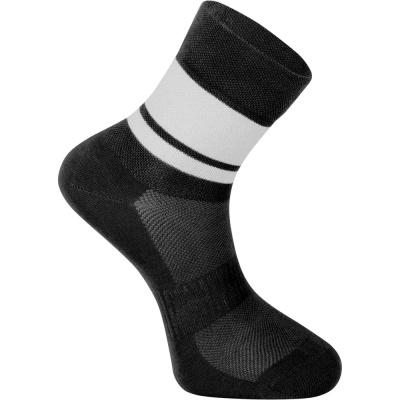
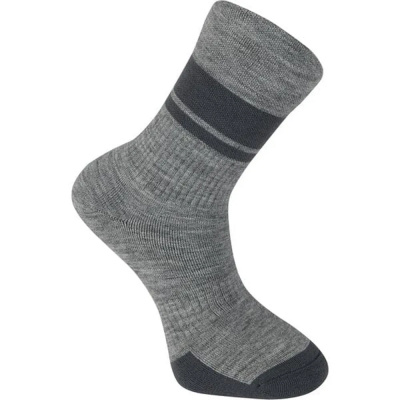
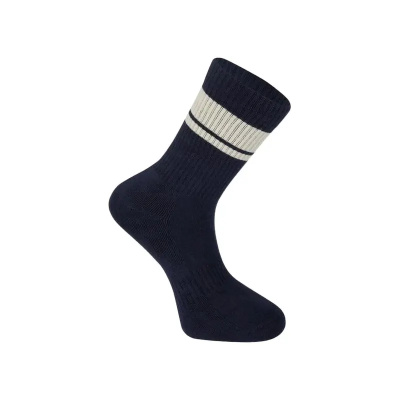
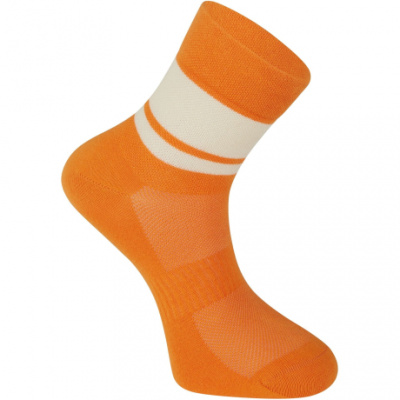
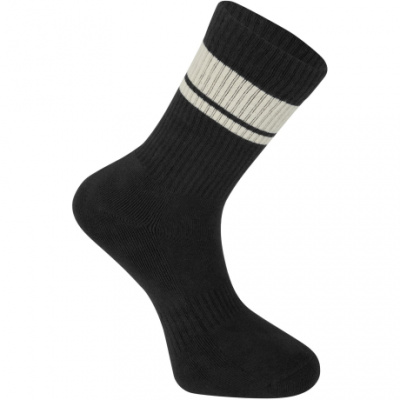
The range spans fast-wicking summer synthetics with open mesh upper panels for heat dissipation, thermal Merino wool blends that keep working even when damp, and 3-layer waterproof breathable membranes for the kind of relentless rain that makes you question your life choices. Throughout the range, compressive mid-foot bands stop the sock shifting around inside your shoe, and flatlock toe seams remove the friction points that turn a long ride into a blister-management exercise. Whether you're after a low-profile road fit or a taller cuff for trail debris protection on gravel, there's a Madison option that fits the brief without overcomplicating the choice.
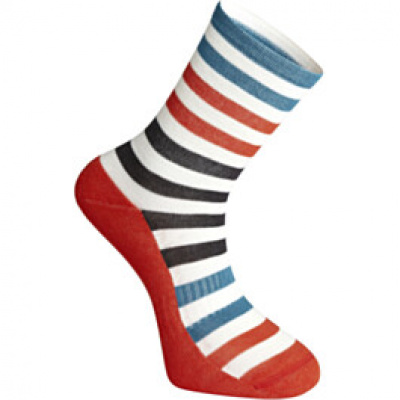
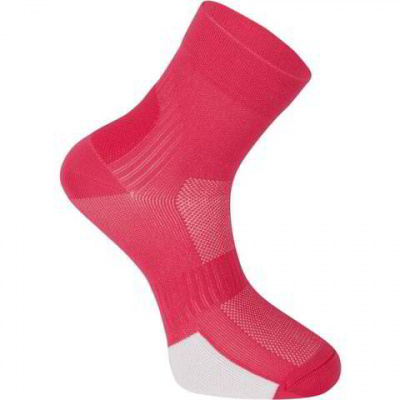
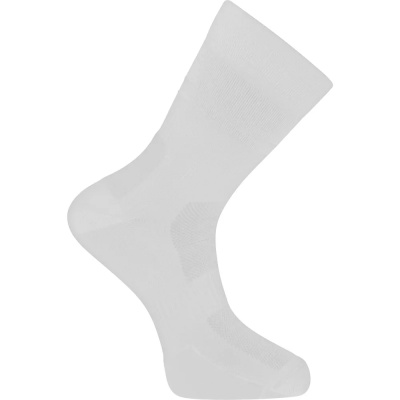
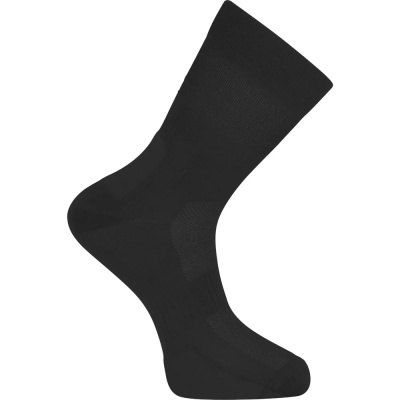
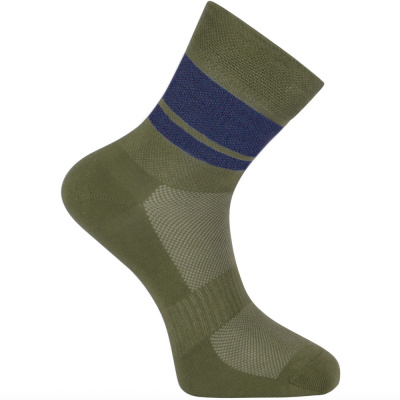
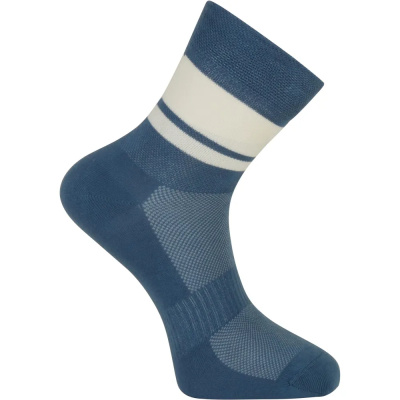
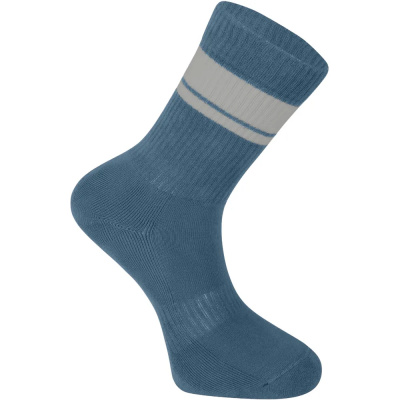
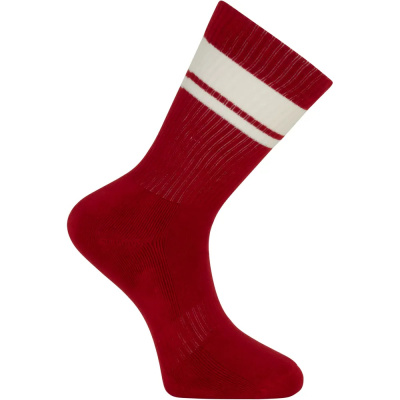
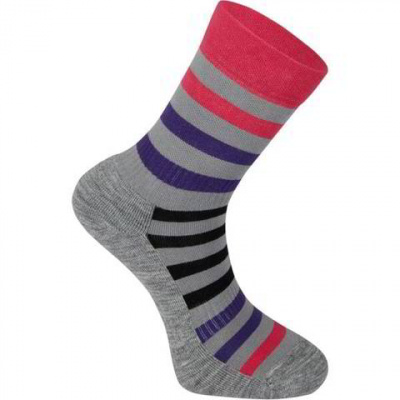
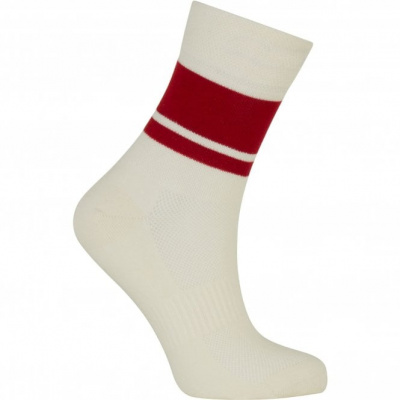
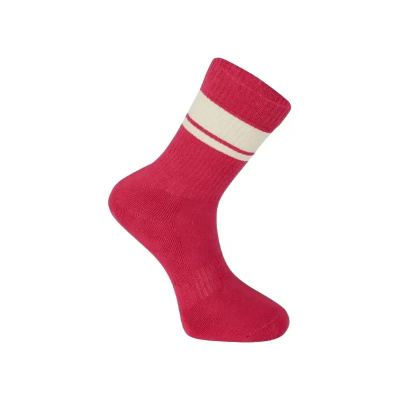
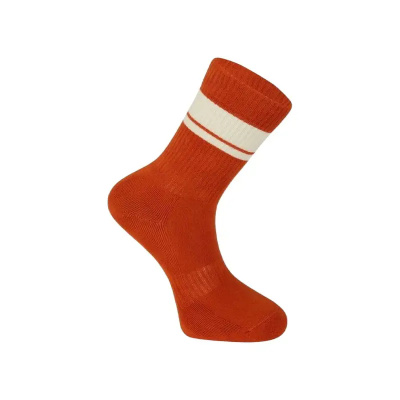
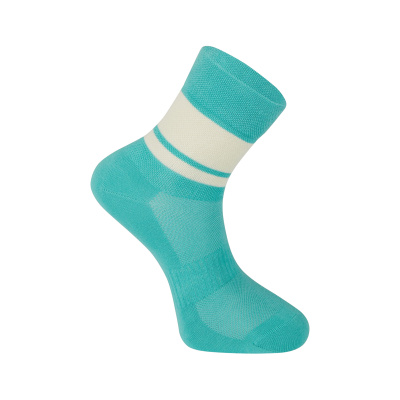
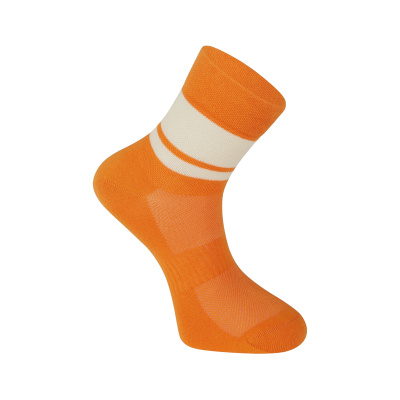
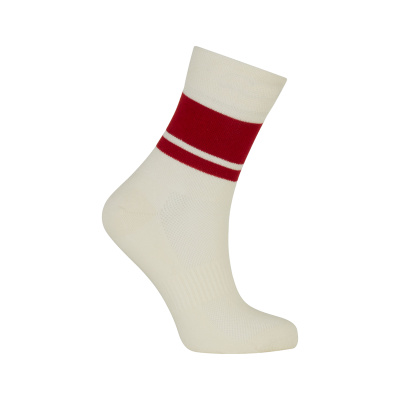
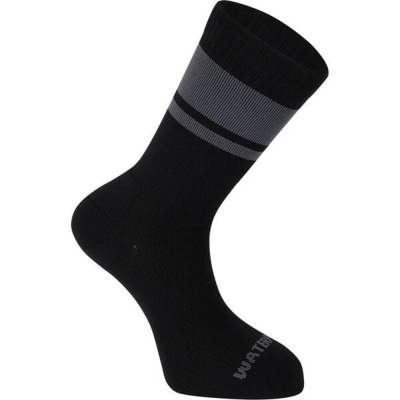
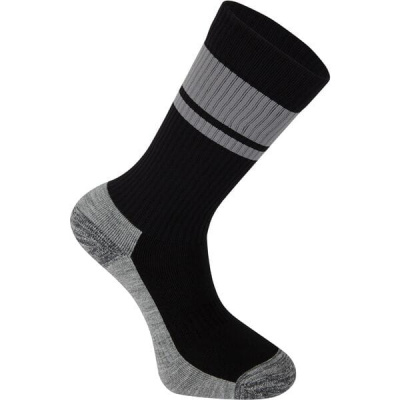
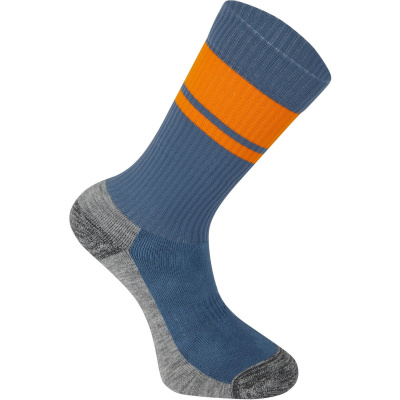
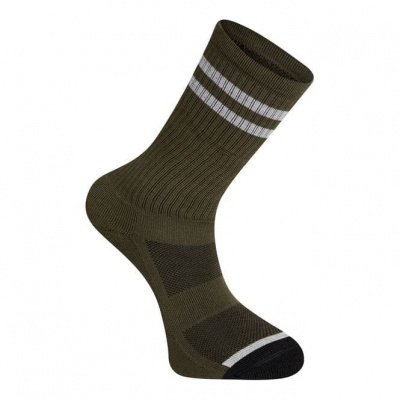
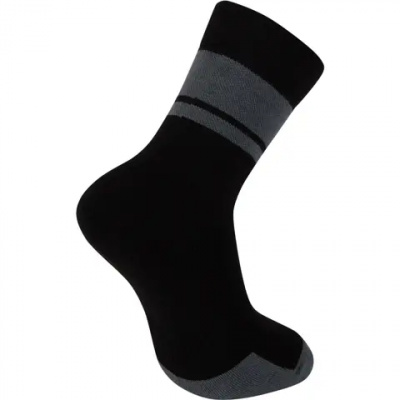
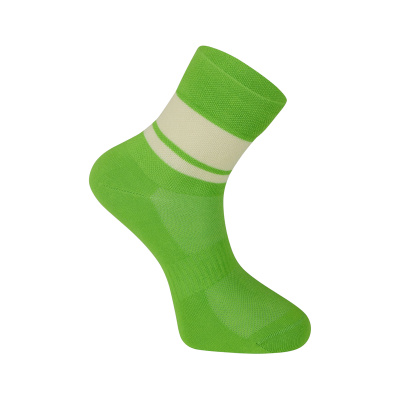
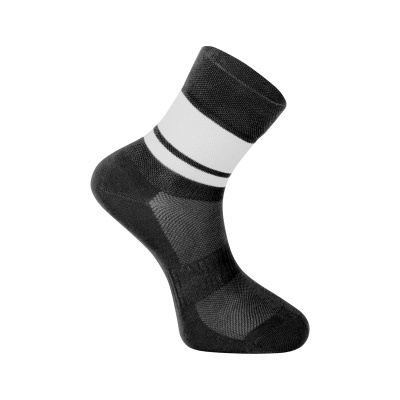
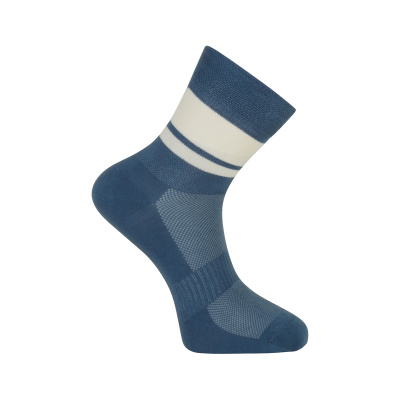
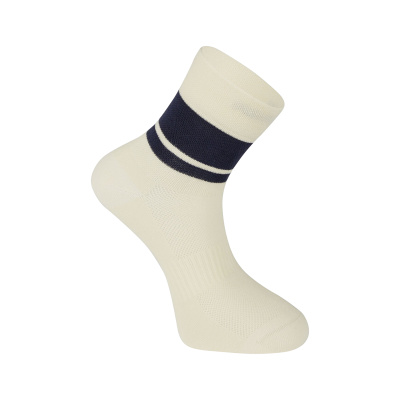
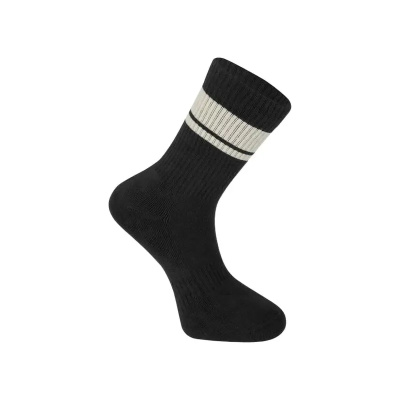
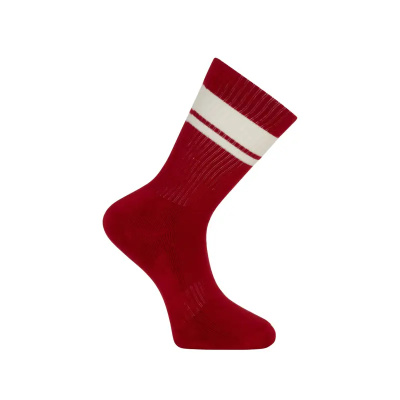
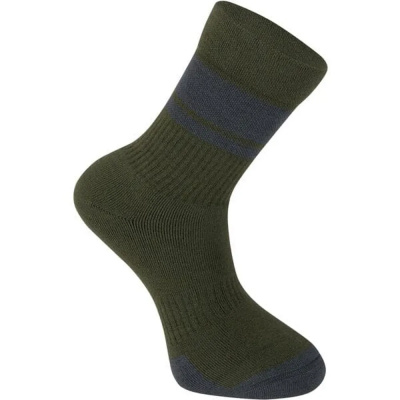
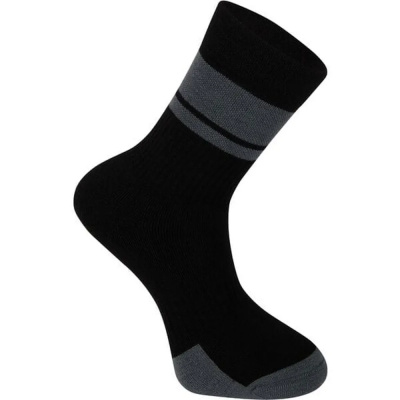
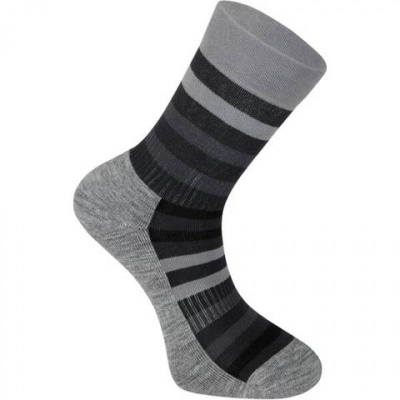
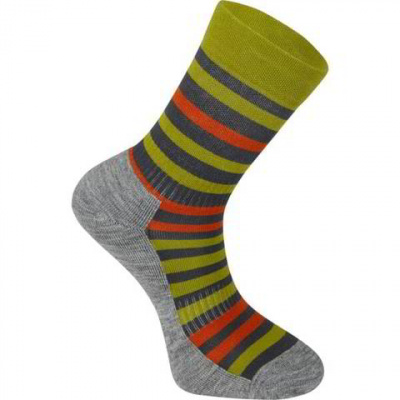
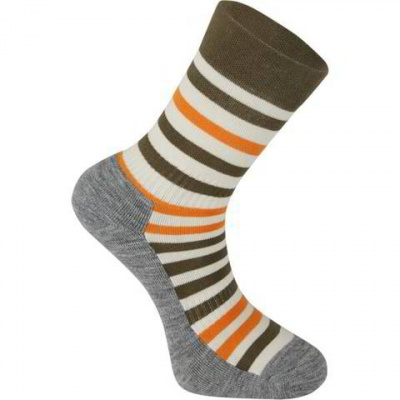
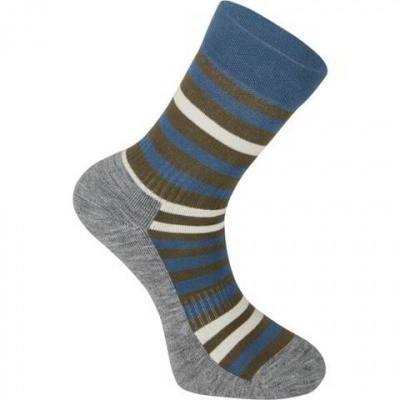
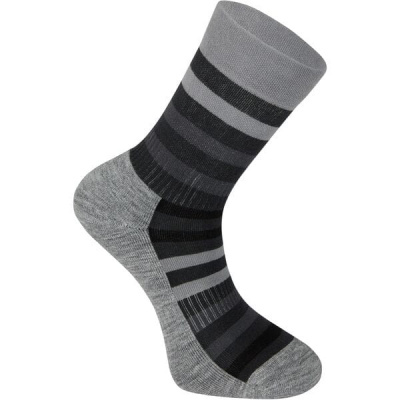
Prices and availability can change quickly. Delivery charges are not always included in listed prices.
Final price, stock status and delivery terms are set by retailer. We may receive a commission on purchases made.
Fabric Tech and Weather Performance
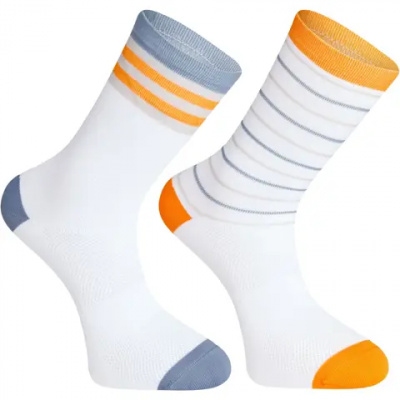
The summer end of the Madison range leans on synthetic blends - typically nylon and polyester mixes - with breathable mesh panels across the upper foot. These open mesh panels do real work on a hot day: air moves through, sweat moves out, and your feet stay cooler and drier. That moisture-wicking action matters because damp skin plus repetitive movement equals hot-spots, and hot-spots become blisters faster than you'd expect on a long sportive. Synthetics also dry quickly, which is useful if you're doubling up socks on back-to-back days.
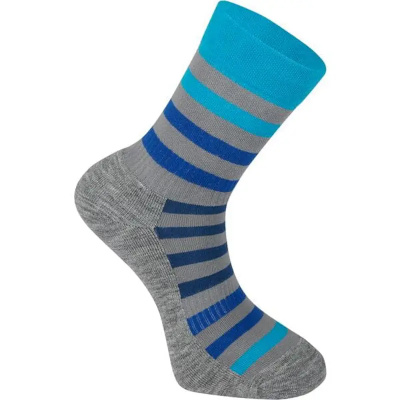
Drop into the colder months and Merino wool becomes the more sensible choice. Merino's key property isn't just warmth - it's that it retains thermal insulation even when wet. On a dreich Scottish morning where the drizzle doesn't stop, a synthetic sock will feel cold and clammy within the hour; a Merino blend keeps some warmth going regardless. Merino also resists odour better than synthetics, which matters if you're putting in big winter base miles and the washing machine can't always keep up.
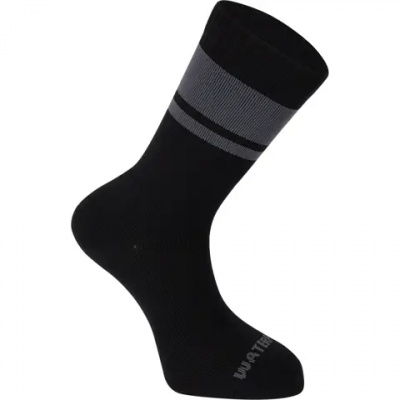
Then there's Madison's waterproof range, which uses a 3-layer waterproof breathable membrane construction - an outer protective layer, a sealed breathable membrane in the middle, and a soft inner comfort layer against the skin. In sustained heavy rain, the membrane keeps water out effectively. The breathable element means they don't turn into plastic bags, though they're not as breathable as a standard sock, so expect slightly warmer feet on efforts. One thing worth knowing: water can still run down your leg and in over the cuff if it isn't covered - more on that below.
Making Sense of the Madison Range
Madison's road-focused lines - including options in their Sportive range - are cut for a closer, lower-profile fit. The cuff sits at or just below the ankle, which works with the tighter interior space of most road shoes and keeps the look clean if you care about that sort of thing. The fabric is thinner throughout, prioritising feel and fit over cushioning, and they're made to work with snug road shoe lasts without bunching.
Their MTB and gravel-oriented options run to taller cuffs, which aren't just an aesthetic choice - a higher cuff length blocks trail debris, twigs, and grit from working into your shoe on rougher riding. The padding is typically more substantial too, particularly around the heel and ball of the foot, which makes a difference when you're stomping through technical sections on flat pedals or spending hours on gravel. If you're comparing to something like Madison bib shorts in terms of discipline-specific thinking, the same logic applies - different riding demands different construction.
Across the board, the compressive mid-foot band is one of those details that sounds minor until you've ridden without it. Without that band, socks migrate. The fabric bunches under the arch or shifts at the toe, and once you're an hour in, it's all you can think about. The compression keeps everything locked in place through the full pedal stroke. Paired with flatlock toe seams - stitched flat rather than raised - there's no ridge sitting across your toes to rub. Both features matter most on longer rides, which is exactly when you want to be thinking about anything other than your feet.
Sizing tends to run in generous bands (small/medium, large/extra-large), so if you're on the boundary, consider your shoe fit - go smaller if your shoes run snug, larger if you've got a bit of room. Should I choose Merino wool or synthetic? That depends almost entirely on temperature and ride duration. Cold and damp conditions consistently favour Merino; summer riding and high-output efforts favour the faster-drying synthetics.
Layering, Pairing, and Looking After Your Socks
Waterproof socks are genuinely useful for UK winters, but they work best as part of a system. The cuff is the weak point - if you're riding in heavy rain without Madison overshoes or Madison leg warmers overlapping the top of the sock, water will eventually find its way in from above. It's worth treating the waterproof sock as one layer in a stack rather than a standalone solution. Overshoes that extend past the cuff close that gap properly.
For deep cold, pairing a thermal sock with a Madison base layer system gives you a coherent approach to heat retention from core to foot. Your extremities lose heat fast on exposed winter roads, and socks alone won't compensate for bare legs or a thin jersey above.
Care makes a significant difference to how long these socks perform. For waterproof and Merino options specifically: wash them inside out on a 30°C gentle cycle using a non-biological detergent. Biological detergents and fabric softeners both cause problems - softeners coat the fibres and clog the waterproof membrane, destroying the waterproofing over time and also wrecking the moisture-wicking performance of synthetic socks. Never tumble dry. Direct heat melts the membrane in waterproof socks and can felt or shrink Merino wool. Air dry flat or hanging, and they'll last considerably longer. It's a small habit that protects what is, functionally, a precision piece of kit.
Madison Socks FAQs
Are Madison waterproof socks fully waterproof?
Yes - Madison's waterproof socks use a three-layer construction with a sealed breathable membrane sandwiched between inner and outer layers, and they handle heavy rain well. The one caveat is the cuff: if it's not covered by tights or overshoes, water can still run in from the top. Pair them properly and your feet stay dry.
Should I choose Merino wool or synthetic cycling socks?
For UK winters and shoulder seasons, Merino wool is the stronger choice - it retains warmth even when wet and resists odour on long days out. In summer or on high-intensity rides where you're generating serious heat, synthetics win on breathability, moisture-wicking speed, and drying time. It's genuinely a seasonal swap, not a preference.
How do I wash waterproof cycling socks?
Turn them inside out and wash on a 30°C gentle cycle with non-biological detergent. Skip the fabric softener - it clogs the waterproof membrane and ruins performance. Never tumble dry; heat destroys the membrane. Air dry them and they'll hold their waterproofing for far longer.