
Madison Headwear
Regulating your temperature starts at the top, and Madison cycling headwear is built specifically for the realities of riding in Britain - where the weather changes its mind mid-climb and drizzle arrives without warning. These aren't afterthought accessories. Each piece is engineered to sit low-profile under your helmet, protect you from the elements, and stay out of your way while you get on with the ride.
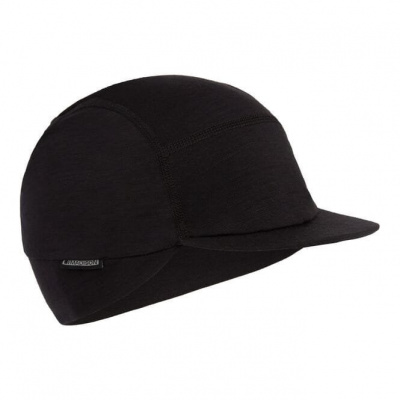
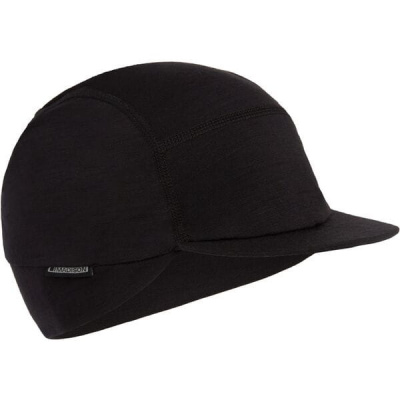
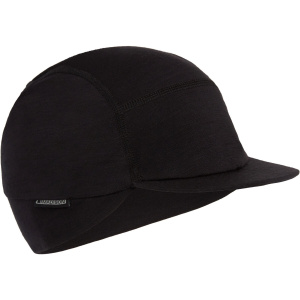
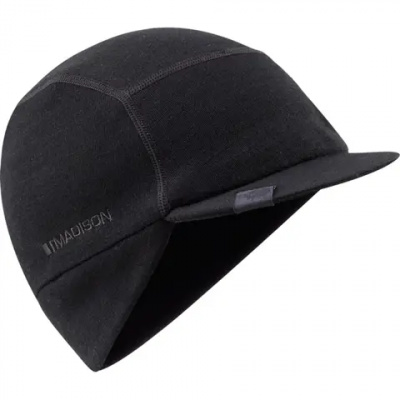
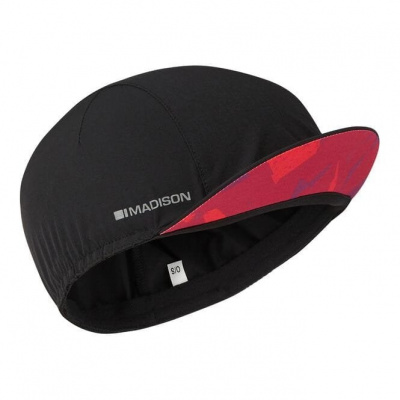
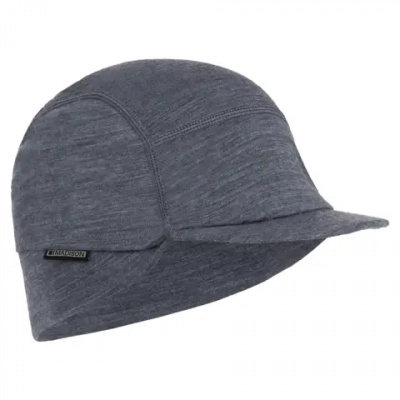
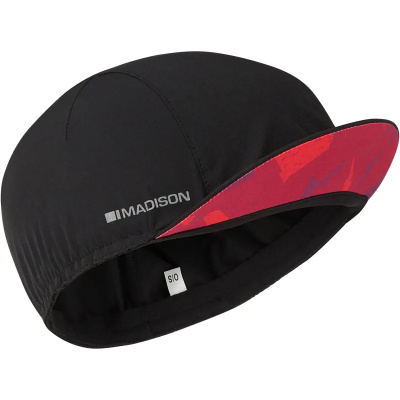
The range covers a lot of ground. Classic peaked caps keep spring rain off your glasses during a wet Wednesday morning commute. Thermal skull caps with windproof front panels block the kind of biting January air that makes your forehead ache on a fast descent. Headbands handle those in-between days when it's cold enough for ear coverage but warm enough that a full cap would have you sweating by the first hill.
What ties it together is the attention to fit. Low-bulk seams mean no pressure points when you dial your helmet down, and the fabrics work with your effort level rather than against it - wicking when you're pushing hard, insulating when you're not. Practical kit at a price that doesn't sting.

Prices and availability can change quickly. Delivery charges are not always included in listed prices.
Final price, stock status and delivery terms are set by retailer. We may receive a commission on purchases made.
Fabric Tech and Weather Performance
Madison builds their cold-weather headwear around a straightforward principle: put the right fabric in the right place. The forehead and crown - where windchill does the most damage on descents - get a windproof front panel, typically a softshell-style construction that stops icy air dead. Think of it as a draught excluder for your skull. The rear panels, meanwhile, use breathable, moisture-wicking mesh or micro-fleece roubaix linings that let excess heat escape when you're grinding up a long, humid climb.
That split-panel approach matters more than it sounds. A fully windproof cap traps heat brilliantly until you hit a steep rise, at which point you're soaked in sweat and suddenly very cold when the effort backs off. Madison's zoned construction keeps that cycle in check. The micro-fleece roubaix lining in the thermal options also delivers a high warmth-to-weight ratio - genuinely insulating without the bulk that makes your helmet fit feel wrong.
On the outer shell, DWR coating (Durable Water Repellent treatment) on peaks and exposed panels sheds road spray and light drizzle rather than absorbing it. It won't perform like a waterproof jacket in a downpour, but for the constant low-level wet that defines British riding from October through March, it makes a real difference to how quickly you feel chilled. Peaks, specifically, earn their place here - angle your head slightly down into the rain and your glasses stay clear.
Understanding the Madison Headwear Range
Madison under helmet caps split into a few clear use cases, and picking the right one comes down to the temperature and your effort level.
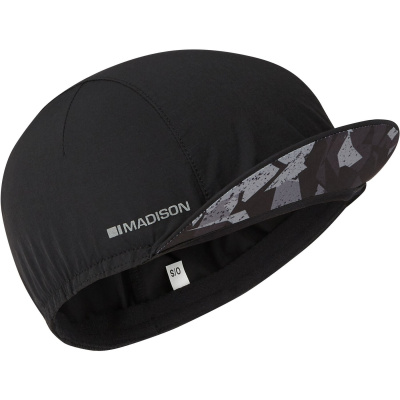
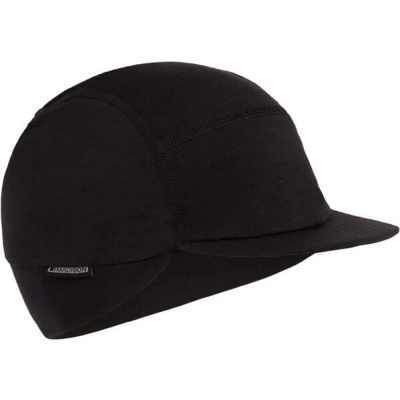
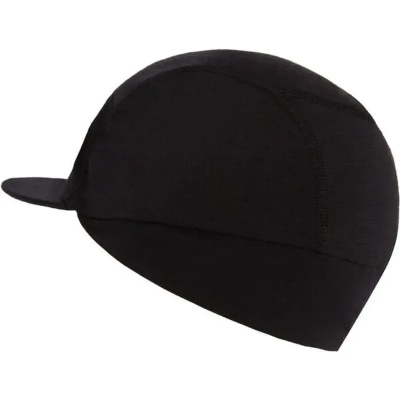
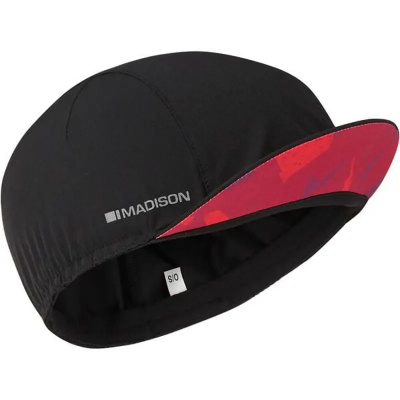
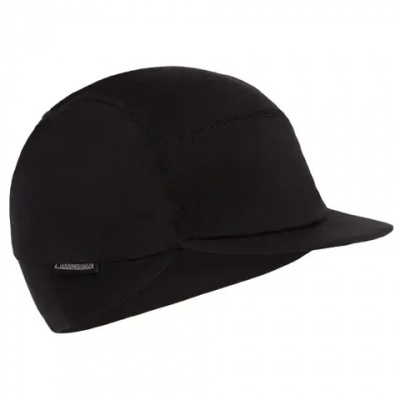
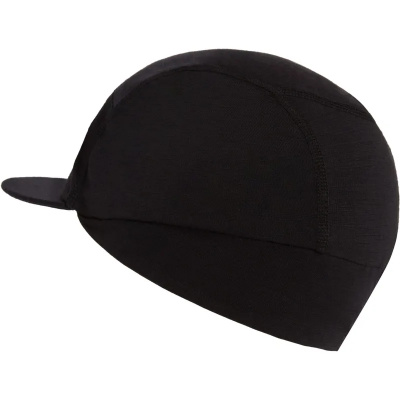
- Peaked cycling caps - Cotton-blend or lightweight polyester construction, designed for mild weather, commuting, and casual rides. The peak keeps sun and drizzle off your face. These sit neatly under a helmet and double as a post-ride cap when you pull your lid off. Helmet compatibility is easy - they're low-profile enough for modern aero shells without creating fit issues.
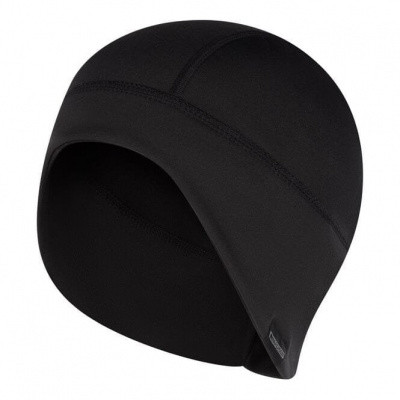
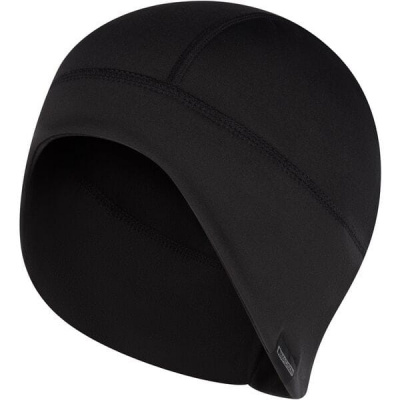
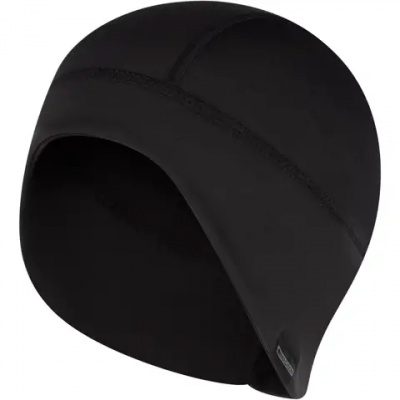
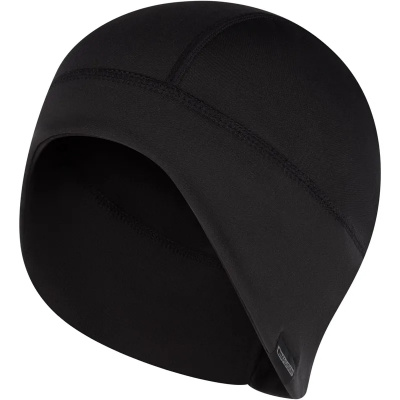
- Thermal skull caps - The serious winter option. Full ear coverage, windproof front, and a micro-fleece lining throughout. Sized to sit flush under your helmet with low-bulk seams that use flatlock stitching to prevent any ridge forming against your scalp when the retention dial is cinched. Pair these with Madison gloves and you've got your extremities covered.
- Thermal headbands - Madison thermal headbands cover your ears and forehead without trapping heat across your whole head. Useful from September through to November, and again in early spring, when air temperature is low but effort levels are high. If a full skull cap has you overheating on the climbs, a headband is usually the answer.
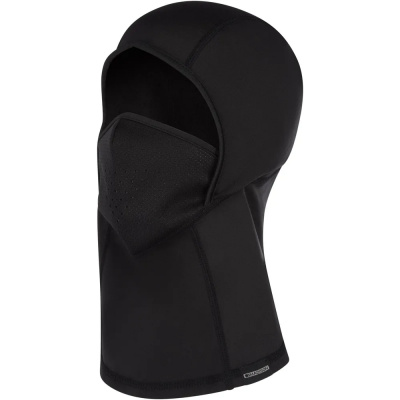
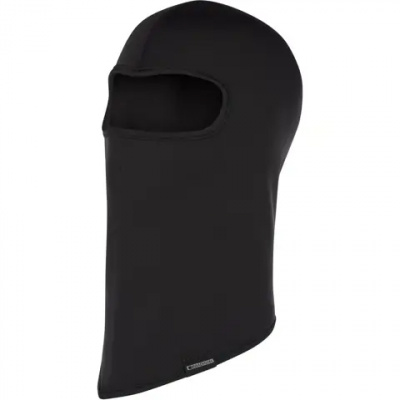
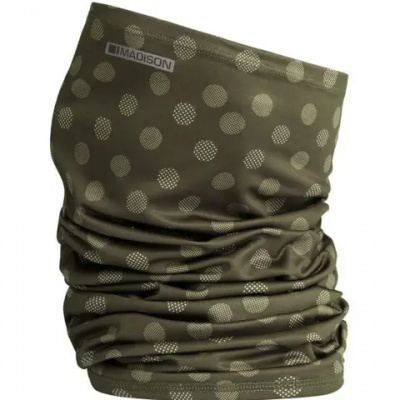
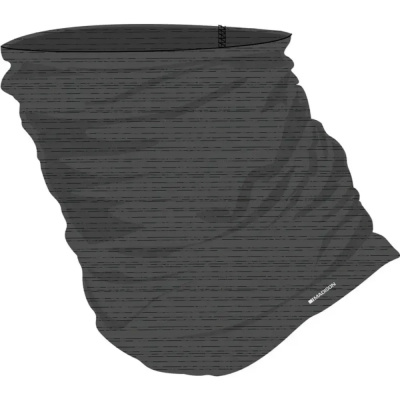
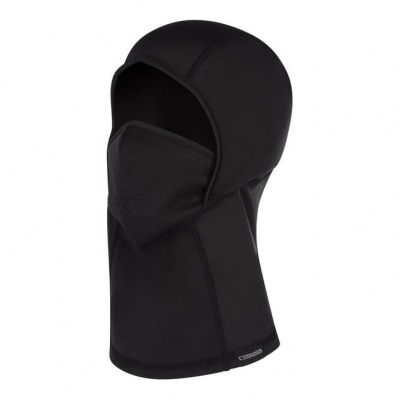
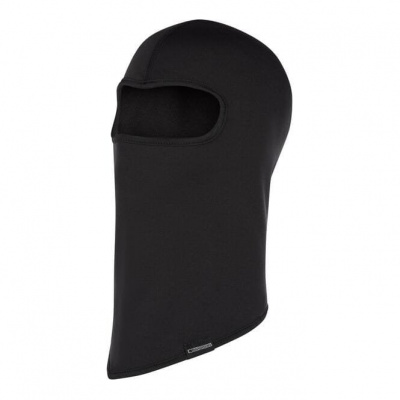
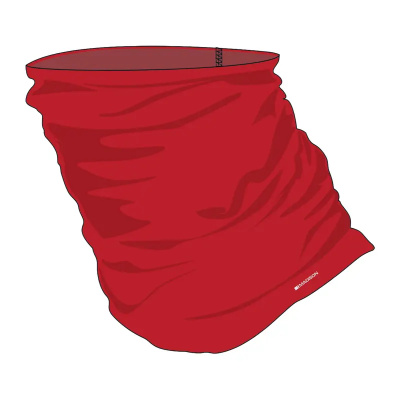
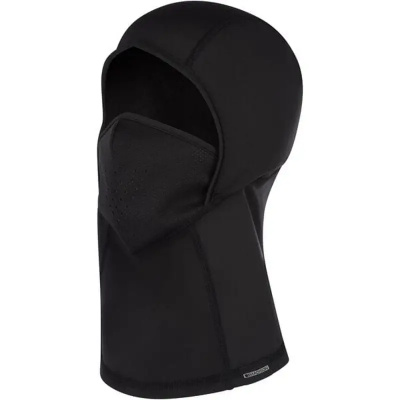
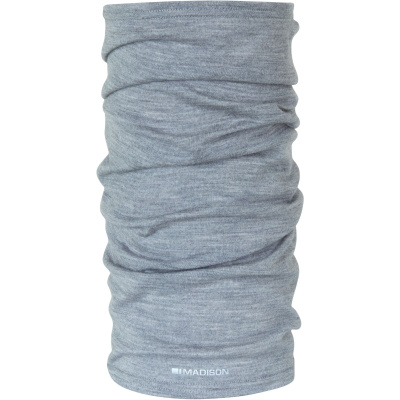
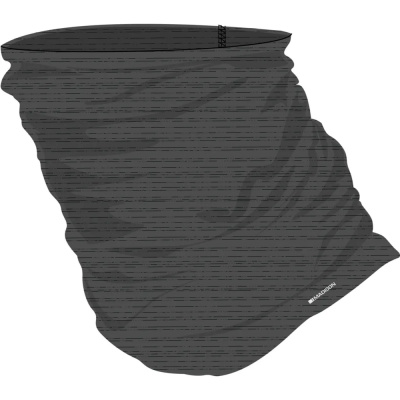
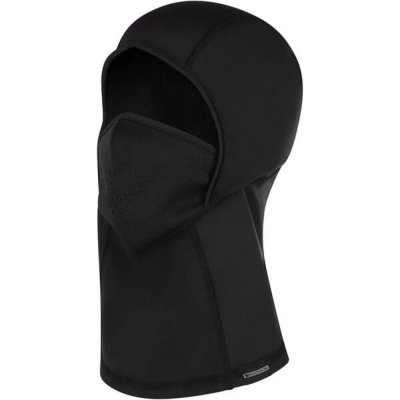
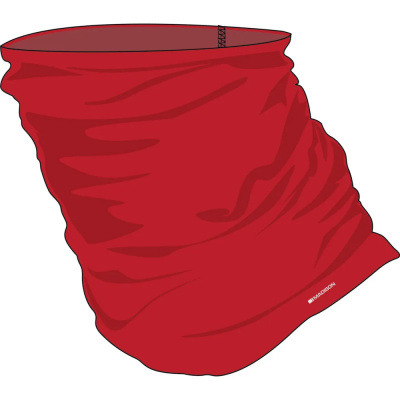
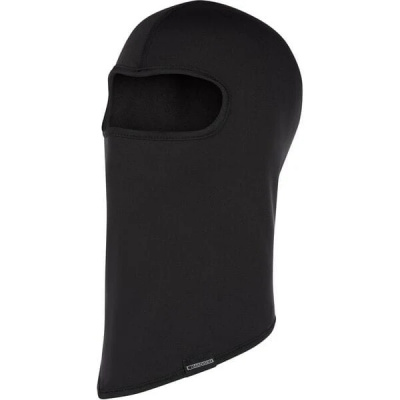
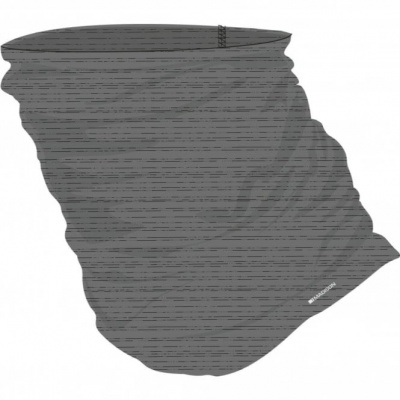
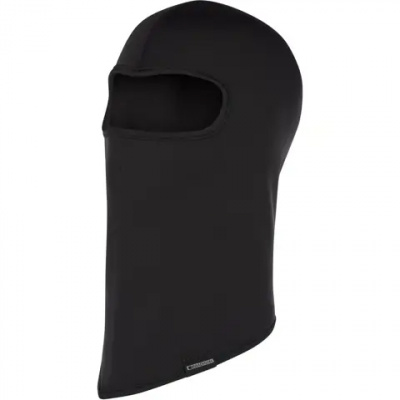
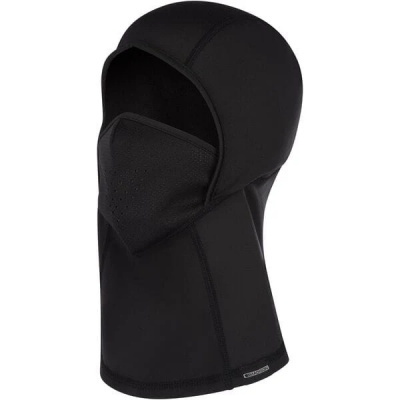
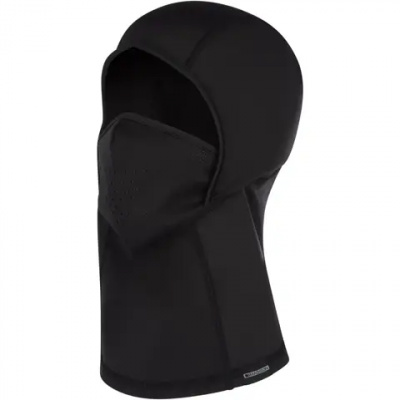
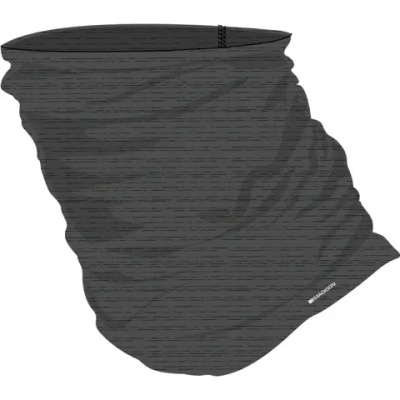
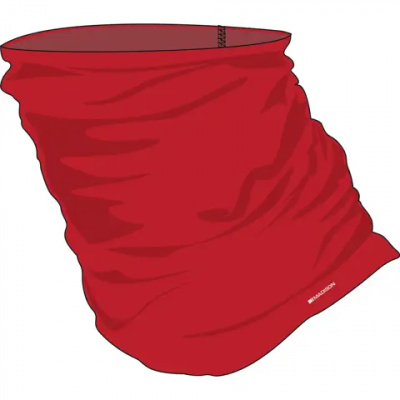
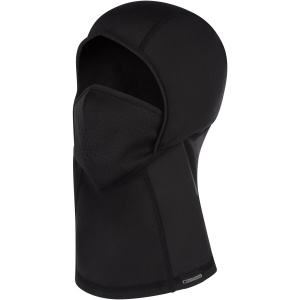
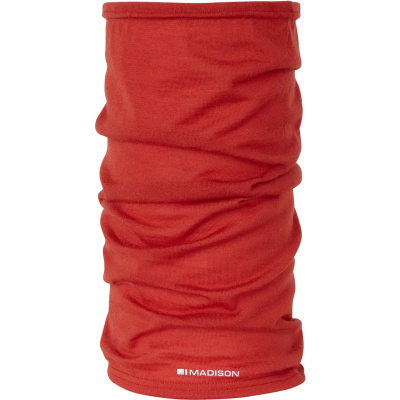
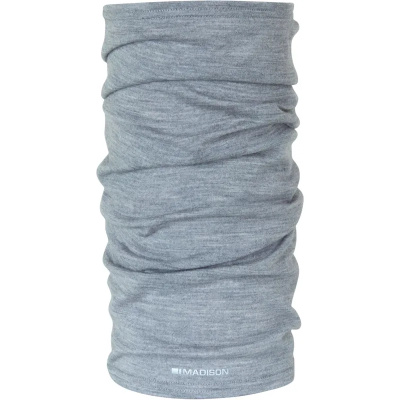
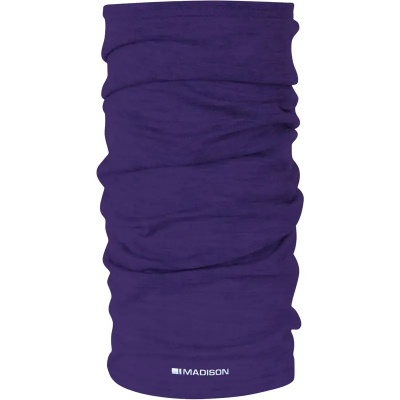
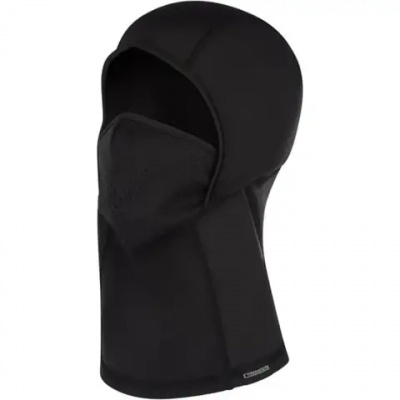
Looking for lower-face or neck protection to round out your winter kit? Check out the dedicated Madison masks and Madison neck warmers collections for complete cold-weather coverage.
If you're building a full winter layering system, the headwear pairs naturally with Madison base layers for core temperature management, and Madison jackets to handle wind and rain from the shoulders up. The logic is consistent across the range - zoned protection that responds to effort rather than just sitting there.
Layering, Helmet Fit, and Looking After Your Kit
Getting a skull cap to work properly under a helmet is less about luck and more about seam construction. Madison's flatlock stitching keeps seams flat against the fabric rather than raised, so when you tighten your helmet's retention system there's no ridge digging into your scalp. It sounds minor until you've done a four-hour winter ride with a poorly made cap and arrived home with a headache that has nothing to do with the effort.
On the layering front, the cap goes on first, then the helmet. Simple. But the fit interaction matters - if a cap is too thick at the crown, it shifts your helmet up and affects how it sits. Madison's thermal options are cut with this in mind, keeping the loft of the micro-fleece lining controlled enough that your helmet position stays where it should be. Worth checking the specific product description if you're running a particularly low-profile aero lid.
For the rest of your extremities, Madison overshoes handle foot warmth, and Madison arm warmers fill the gap between gloves and jacket sleeves on variable days.
Care is straightforward but worth getting right. Wash at 30°C and skip the fabric softener - it coats the fibres and kills both the moisture-wicking performance and the DWR treatment on the outer shell. Air drying rather than tumble drying keeps the elastic in the rear panels doing its job for longer. A cap that's had ten tumble-dry cycles tends to fit loosely by the time winter returns. None of this is complicated; it just pays to be consistent.
Madison Headwear FAQs
Do I need a cycling cap under my helmet?
You don't strictly need one, but you'll notice the difference quickly. In warmer months a lightweight cap wicks sweat and keeps sun or drizzle off your face. In winter, a thermal cap stops significant heat loss through your helmet vents - your head sheds heat fast, and once you're cold up top, the rest of the ride suffers. Worth having both in your kit bag.
How do you keep your head warm when cycling in winter?
A thermal skull cap with a windproof front panel is the most effective single item. It blocks cold air from hitting your forehead on descents while trapping a thin layer of warm air against your scalp. Pair it with ear coverage and you've removed the two areas where heat loss bites hardest. Layer your jacket and base layer from there.
Are Madison cycling caps one size fits all?
Most Madison caps and skull caps use a one-size-fits-most approach, with highly elastic rear panels or stretch fabrics that accommodate different head shapes and sizes. It works well for the majority of riders. That said, some heavier winter models do offer distinct sizing, so it's worth checking the individual product listing before you buy.