
M Part Road Wheels
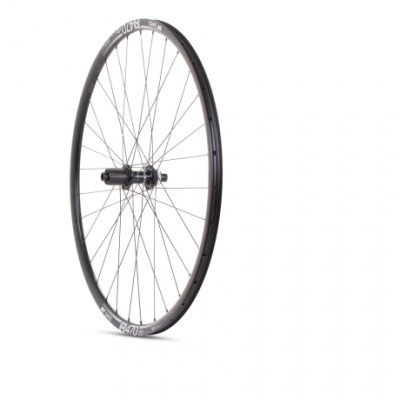
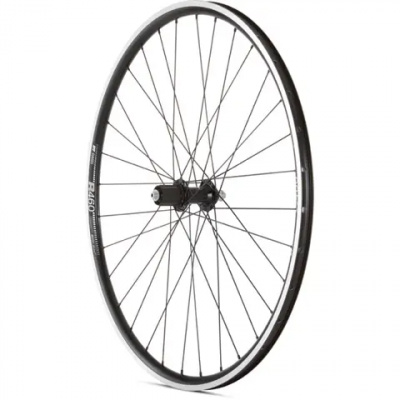
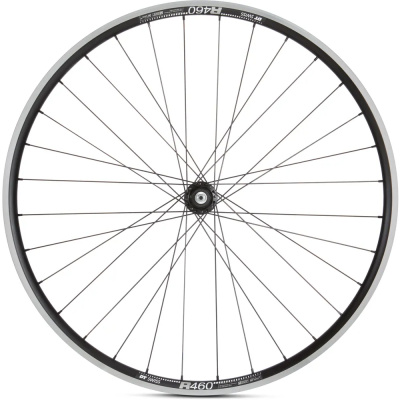
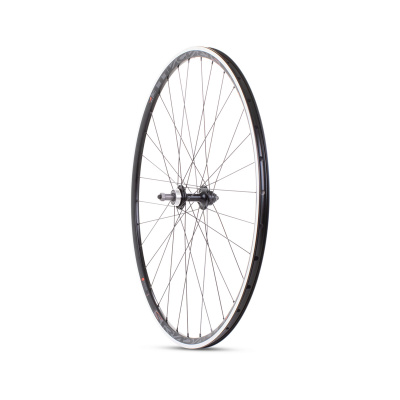
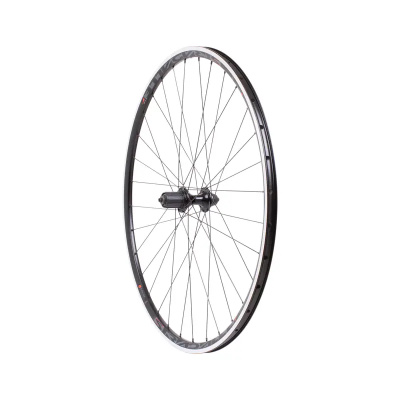
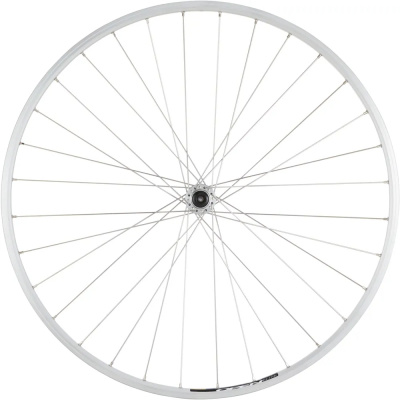
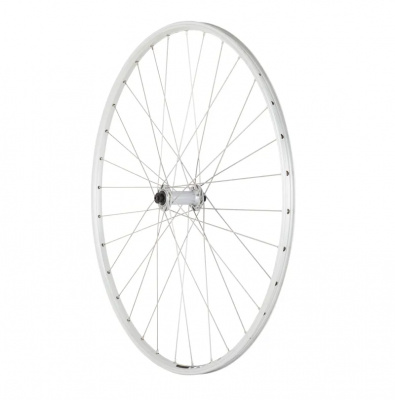
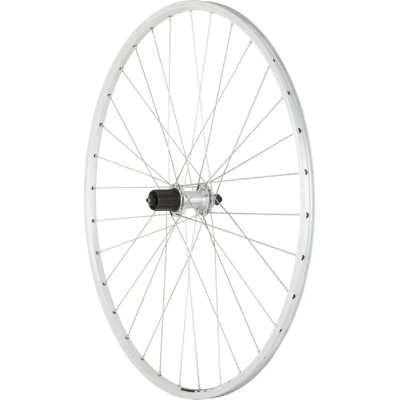
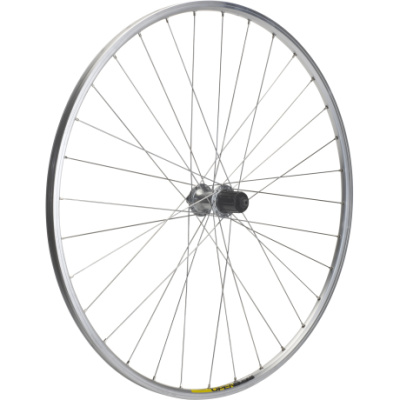
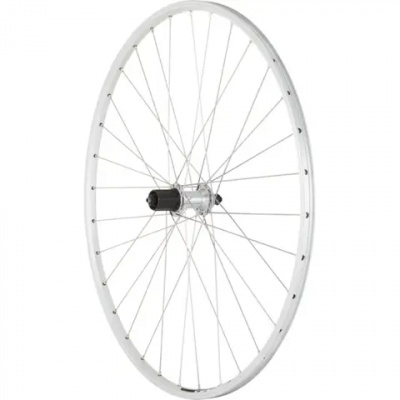
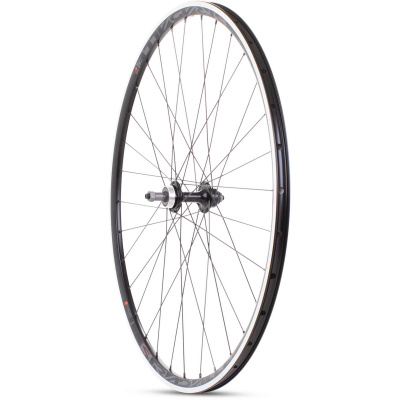
When a UK pothole finally claims your rim or a season of abrasive road grit wears through your brake track, M Part road wheels are the pragmatic fix most riders actually need. There's no aero marketing here, no fragile race-day engineering - just robust 700c clinchers built to keep you turning pedals through whatever a British winter throws at the road surface.
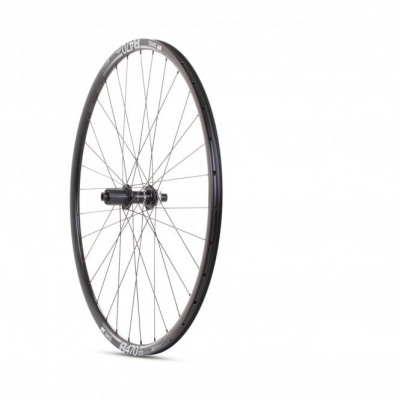
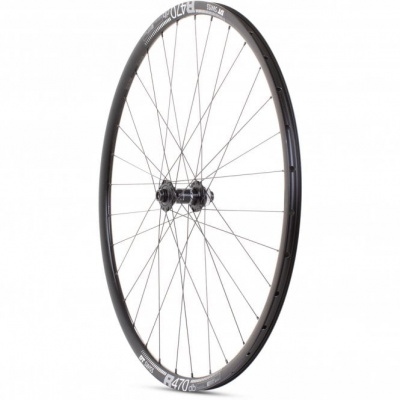
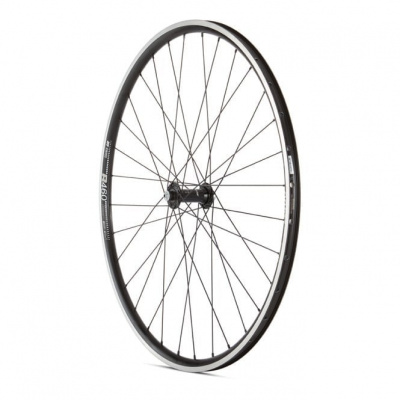
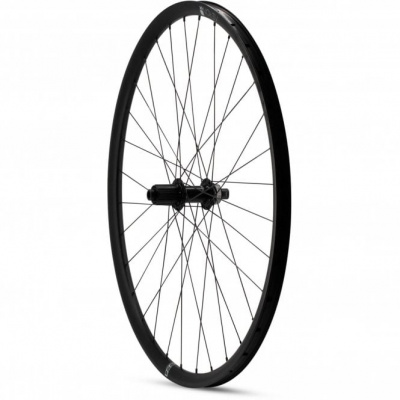
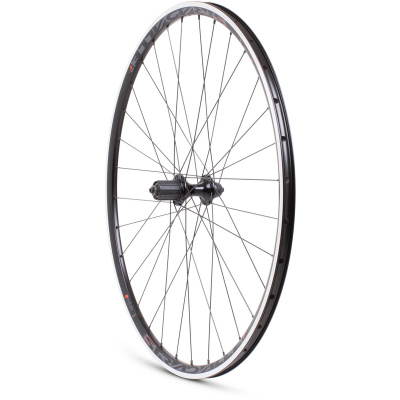
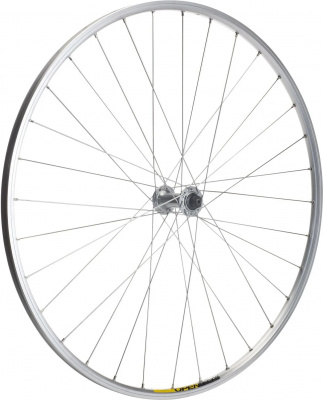
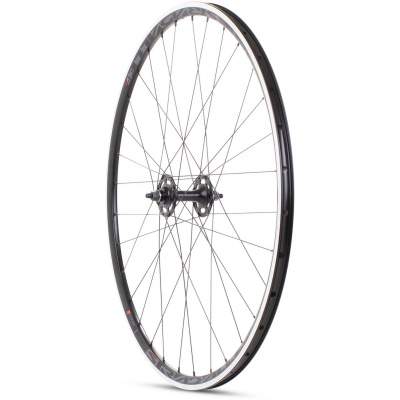
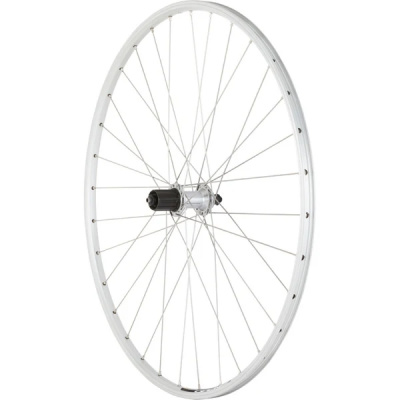
M Part builds around double-wall alloy rims, standardised J-bend spokes, and hubs you can actually service. That combination matters more than it sounds. A broken spoke at 7am before work is a five-minute job at any local bike shop, not a warranty call to a boutique wheel brand. Whether you're resurrecting an older rim brake frame with a quick-release rear wheel, or fitting a disc-compatible hoop to a modern training bike, the range covers the bases without fuss.
These wheels suit winter trainers, daily commuters, and any bike that does the miles you don't want to put on your good set. Durable, repairable, and straightforwardly compatible with Shimano HG drivetrains - that's the M Part pitch, and for most UK riders, it's a convincing one.
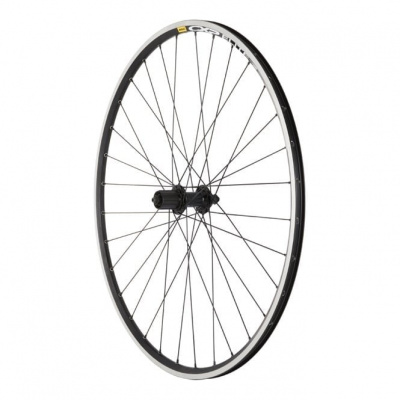
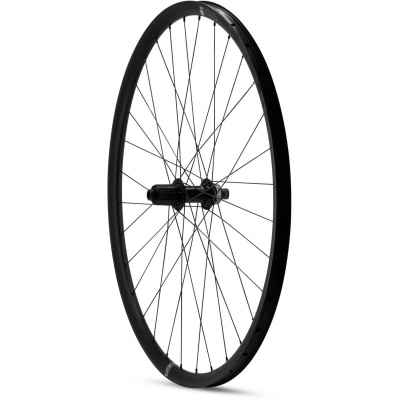
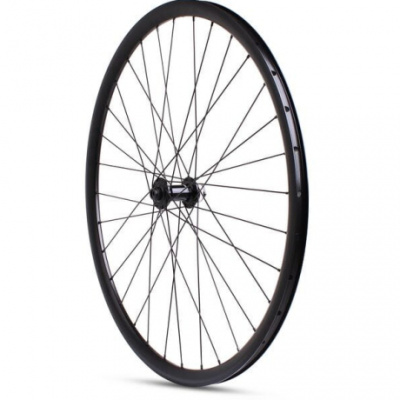
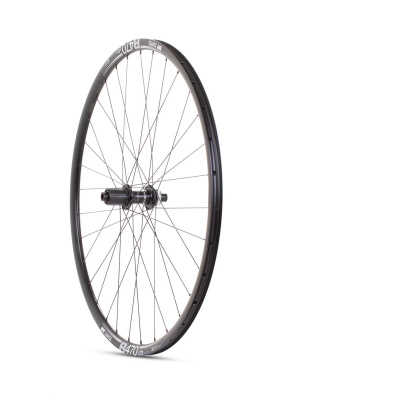
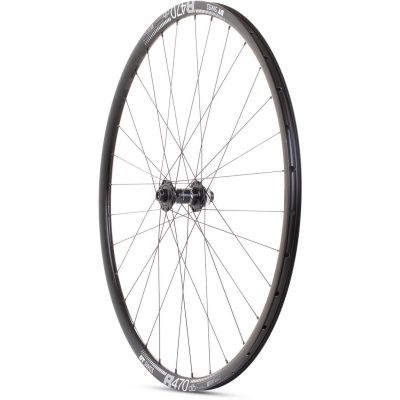
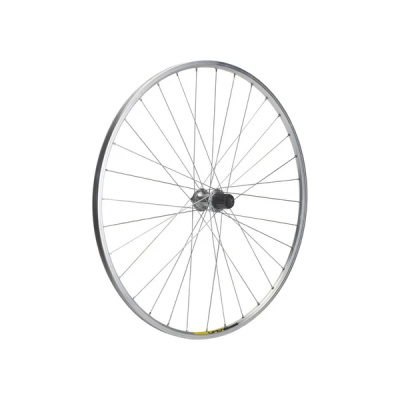
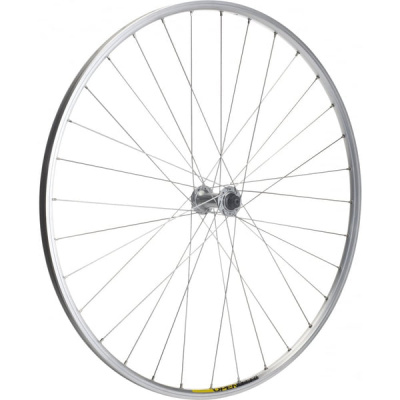
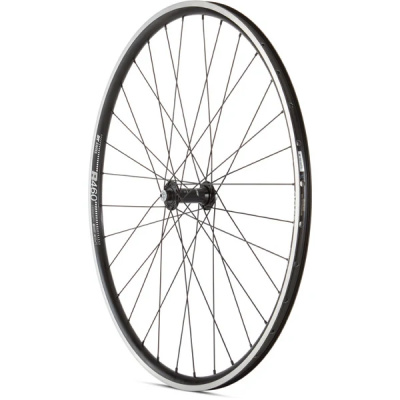
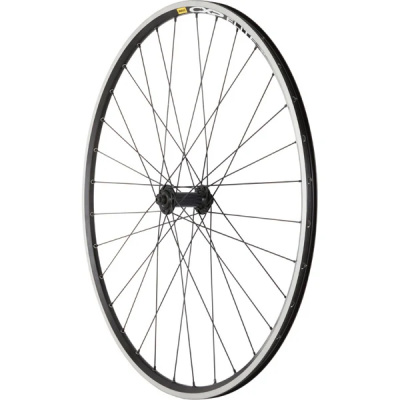
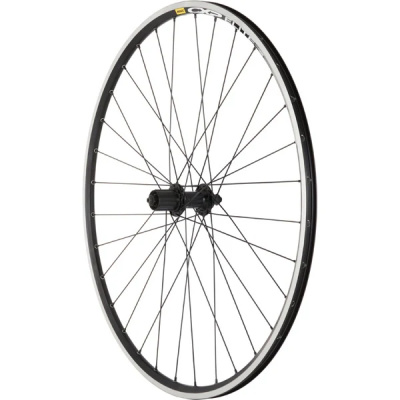
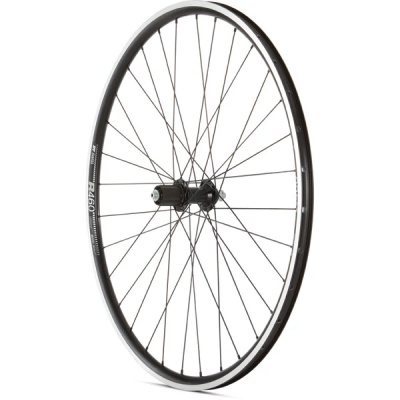
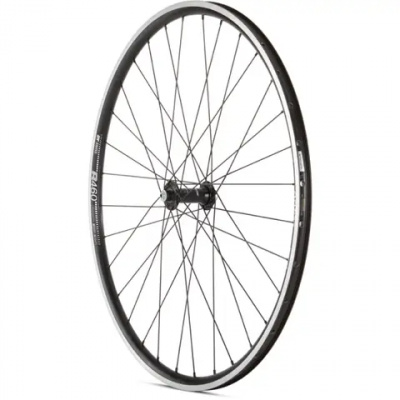
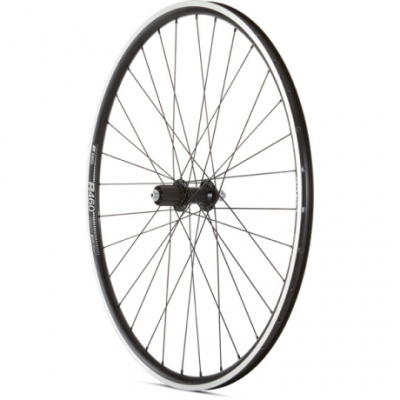
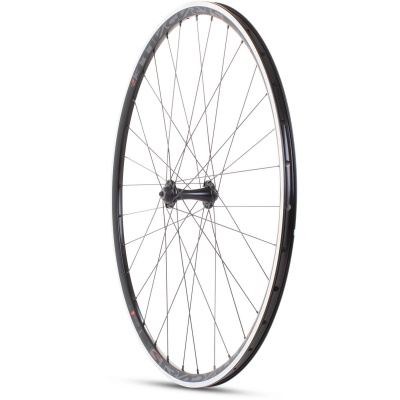
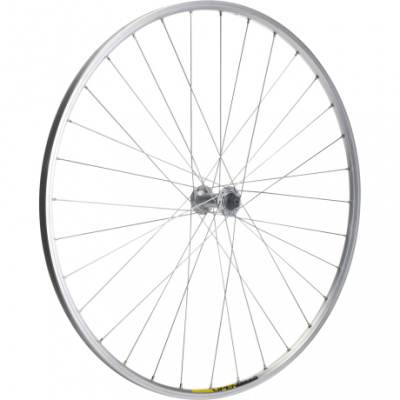
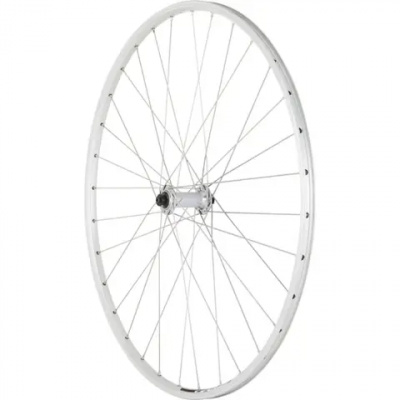
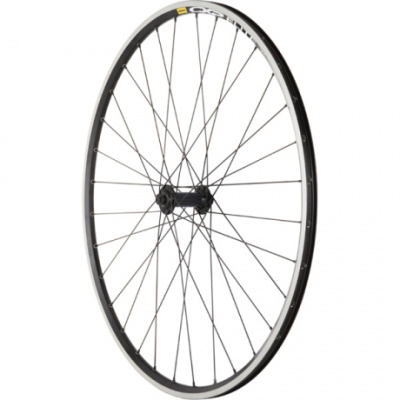
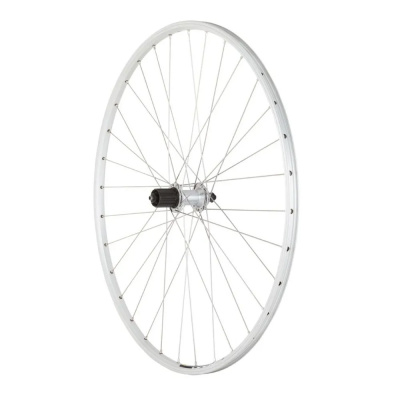
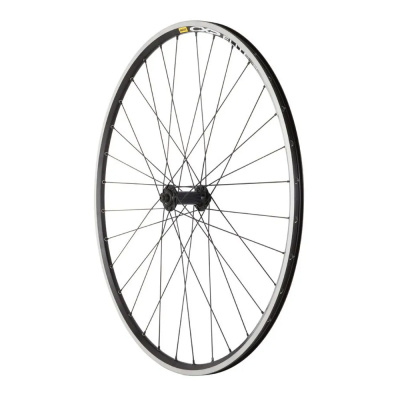
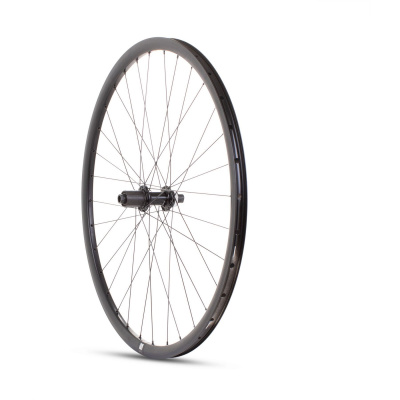
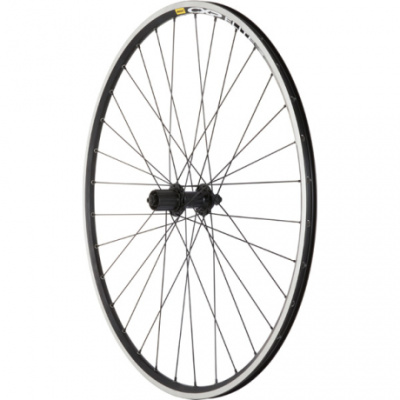
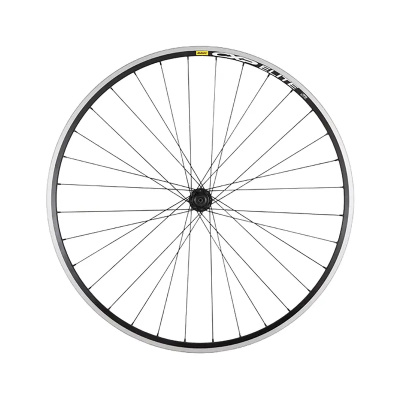
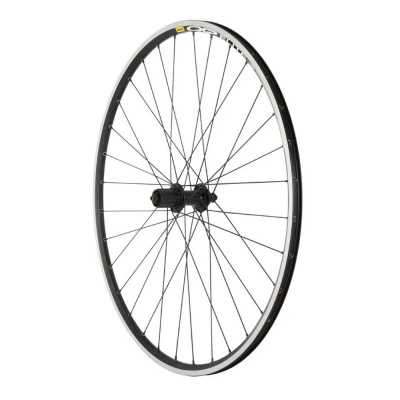
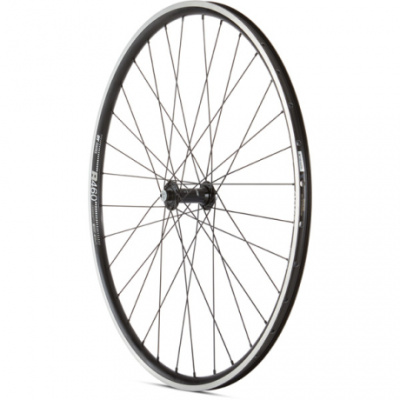
Prices and availability can change quickly. Delivery charges are not always included in listed prices.
Final price, stock status and delivery terms are set by retailer. We may receive a commission on purchases made.
Will It Fit Your Bike? Axle Standards, Brake Types and Freehub Basics
Getting M Part road wheels on your bike starts with three questions: what's your axle spacing, what brakes are you running, and how many sprockets are on your cassette? Nail those and fitting is straightforward. Miss one and you're back at the post office with a return label.
Rim brake frames - the vast majority of older road bikes still being ridden in the UK - use a 130mm rear spacing with a standard quick release (QR) skewer. M Part covers this with machined alloy rim brake tracks that are compatible with both aluminium and standard brake pads. Those machined surfaces matter on wet British roads; a raw alloy extrusion without a proper brake track is a liability in the rain.
Disc brake variants typically run either 135mm QR or 142x12mm thru-axle rear spacing, depending on the frame standard. Check your dropout width before ordering - it's the kind of thing that's easy to confirm by measuring with a ruler, and it saves a wasted round trip. Rotor mounting follows either 6-bolt or Centerlock standards; M Part disc wheels are worth checking individually on their product pages for which interface they use.
On the drivetrain side, the rear Shimano HG freehub body accepts 8, 9, 10, and 11-speed cassettes. One detail worth knowing: if you're running an 8, 9, or 10-speed cassette on an 11-speed freehub body, you'll need a 1.85mm spacer behind the cassette to seat it correctly. It's a cheap part, often included in cassette packaging, but easy to overlook if you're just swapping the wheel.
If you're after something with a wider internal width for rougher riding, these road wheels aren't it - take a look at M Part Gravel Wheels or M Part MTB Wheels instead, both of which are built around wider rim profiles suited to that kind of use.
Range Breakdown: Picking the Right Wheel for How You Ride
M Part doesn't do a deep model hierarchy the way brands like Mavic or Fulcrum do - there's no tiered carbon/alloy lineup with proprietary freehub bodies and eye-watering replacement costs. What you get instead is a focused range of alloy rims in different build specs, matched to different use cases.
At the entry level, you're looking at basic double-wall alloy rim extrusions with a standard spoke count - typically 28 or 32 holes at the rear. These are perfectly adequate for low-mileage commuting and lighter riders. A 28-hole rear wheel on smooth suburban roads is fine. Put the same wheel through pothole-heavy B-roads in the Peak District every day and you might find yourself truing it more often than you'd like.
The stronger builds in the range use higher spoke counts (32 holes front and rear) and eyeleted rims, where each spoke hole is reinforced with a metal insert. That eyelet spreads the load around the rim at each nipple, which meaningfully extends rim life under the kind of repeated stress that British road surfaces deliver. Spoke tension holds better over time, and the wheel stays true longer between services. For a dedicated winter training bike doing 200-plus miles a week, the step up is worth it.
Across the range, M Part sticks with J-bend spokes in standard gauges. That's a deliberate choice - straight-pull spokes require a specific hub and specific replacement parts. J-bend spokes are available at virtually every bike shop in the country. If you ping one on a Sunday morning in rural Wales, you're not waiting a week for a courier.
Halo occupies a similar space in the UK market - pragmatic, repairable, good value - and is worth comparing if you want slightly more variety in rim depth or build options. But for pure replacement value and parts availability, M Part is hard to argue against.
Keeping Them Rolling: Maintenance Through British Winters
Road salt, grit, and standing water are relentless on wheel components from October through to March. A few straightforward habits keep M Part replacement road wheels in good shape and push back the point where you need to replace them entirely.
On rim brake models, check the brake track regularly. M Part's double-wall alloy rims include wear indicators - small grooves or holes machined into the braking surface. When those disappear, the rim wall is getting dangerously thin. Abrasive winter grit accelerates this wear significantly compared to summer use; it's not uncommon to go through a rim brake wheel in a single hard winter if you're not watching it. Swap brake pads for a compound suited to wet alloy if you haven't already - it reduces grit contamination and extends the track life.
Hub maintenance splits into two approaches depending on which bearing system you have. Cup-and-cone hubs are rebuildable: you clean out the contaminated grease, inspect the cone surfaces and balls for pitting, replace the ball bearings if needed (they're pennies), repack with fresh waterproof grease, and adjust the preload with cone spanners. It takes maybe twenty minutes once you've done it a couple of times. Sealed cartridge bearings are simpler in the short term - when they feel gritty or develop play, you press the old cartridge out and press a new one in. Replacement cartridges are standardised and cheap. Neither system is a liability; cup-and-cone is more fiddly but more economical long-term if you're willing to learn the job.
One thing worth checking: most M Part quick release wheels don't include skewers in the box. You can reuse your existing ones, but if you're building up a wheel from scratch or need a replacement, grab them separately from the M Part Skewers range. It's the kind of thing you don't think about until the wheel arrives and you're staring at the dropout. While you're at it, fitting M Part Mudguards is the single best thing you can do to reduce the volume of water and grit reaching your hubs in the first place - a decent set of full-length guards makes a tangible difference to bearing longevity over a winter.
For tyre inflation, keeping pressures consistent also reduces the lateral stress on spokes on rough roads. A reliable floor pump from the M Part Track Pumps range makes that a thirty-second job before every ride. And if you're doing your own hub servicing, the M Part Tools range covers the cone spanners and basic workshop kit you'll need.
M Part Road Wheels FAQs
Are M Part road wheels compatible with 11-speed cassettes?
Yes. Modern M Part rear road wheels use a Shimano HG-compatible freehub body that accepts 8, 9, 10, and 11-speed cassettes. If you're fitting an 8, 9, or 10-speed cassette onto an 11-speed freehub, you'll need a 1.85mm spacer behind the cassette to position it correctly on the axle.
What is the maximum tyre width for M Part 700c road wheels?
It varies by specific model, but standard M Part road wheels typically accommodate 23c to 28c tyres without issue. If you want to run wider rubber - say, 32c or beyond - check the internal rim width on the individual product listing, or move across to the M Part Gravel Wheels section, which is built for that.
Do M Part wheels come with quick-release skewers?
Not usually. Most M Part quick-release wheels are sold without skewers unless the product listing says otherwise. Your existing skewers will fit fine if they're in good condition. If you need new ones, the M Part Skewers category has compatible options at a sensible price.