
M Part Pannier Racks
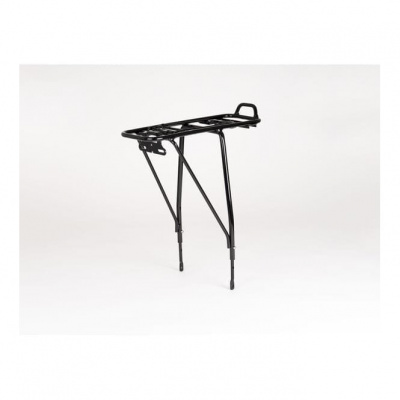
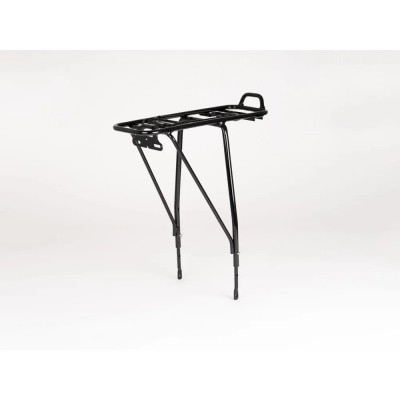
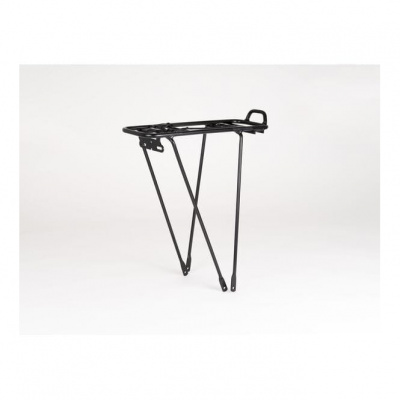
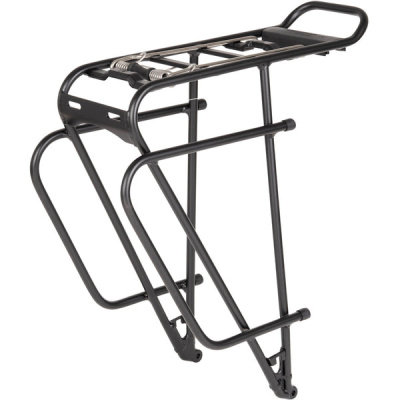
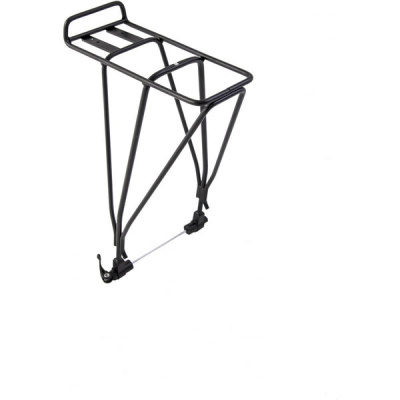
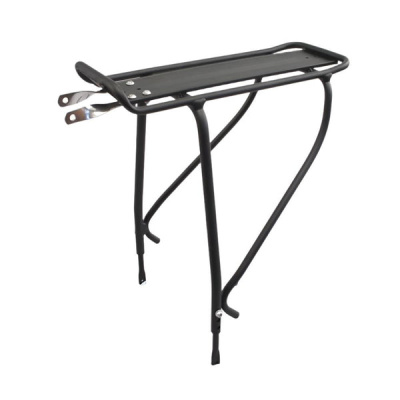
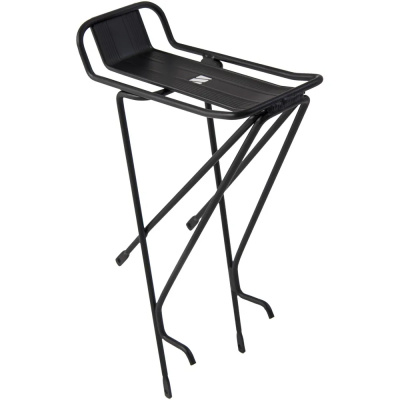
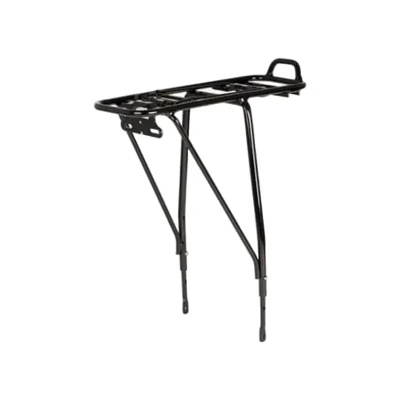
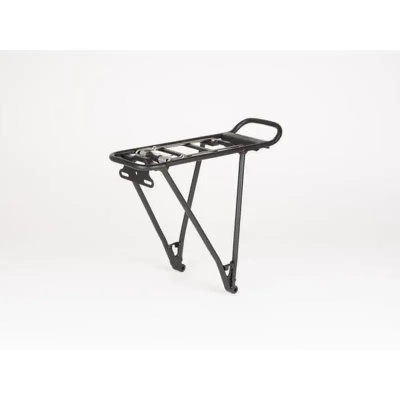
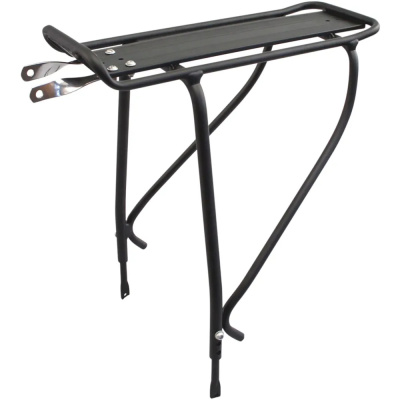
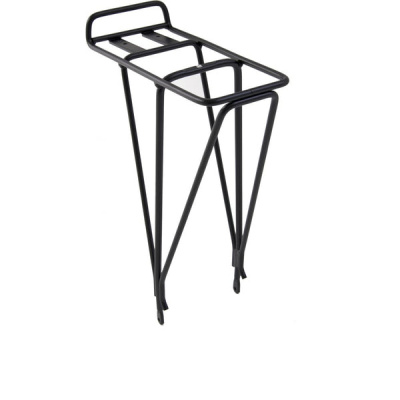
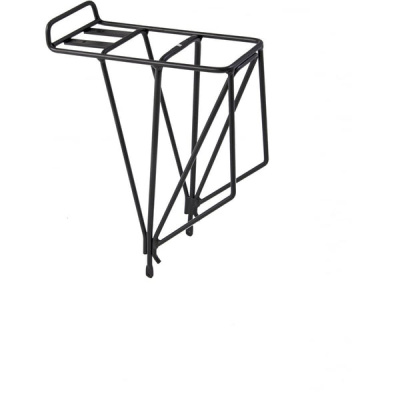
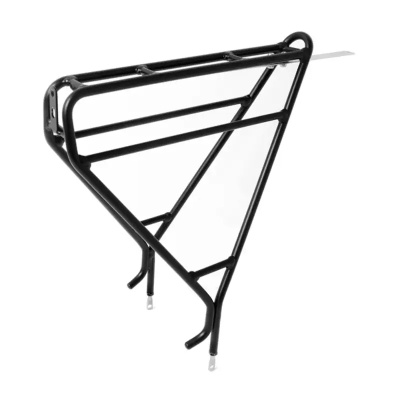
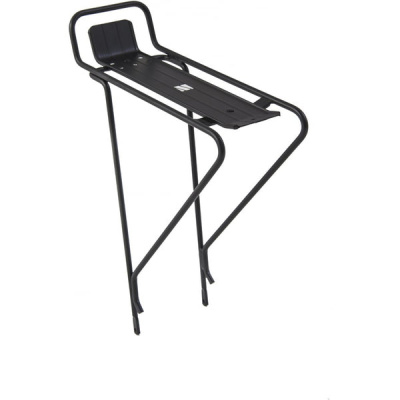
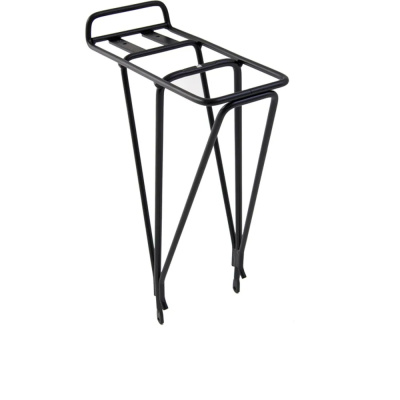
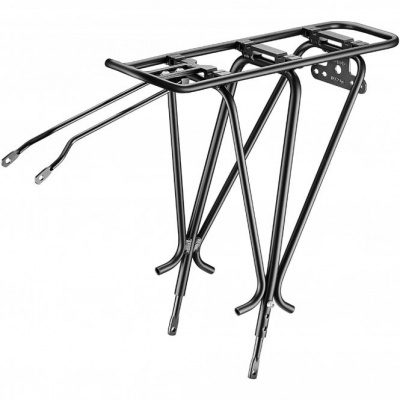
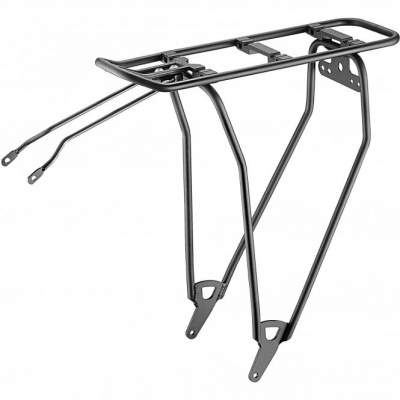
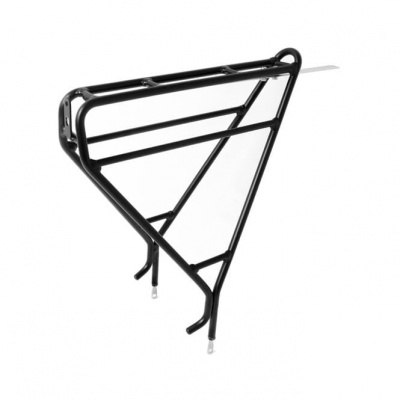
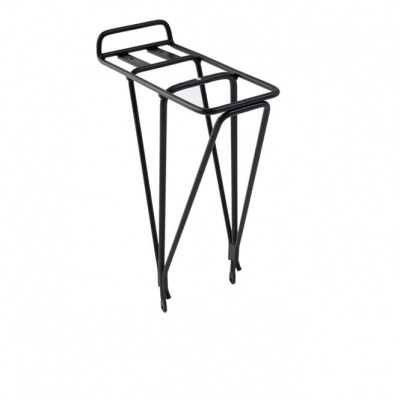
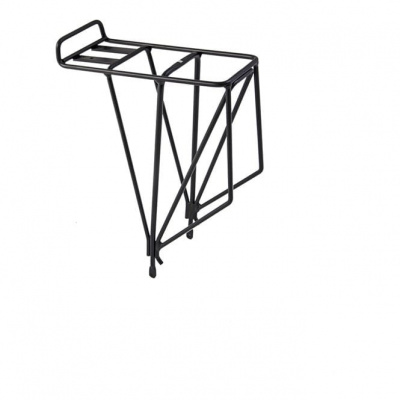
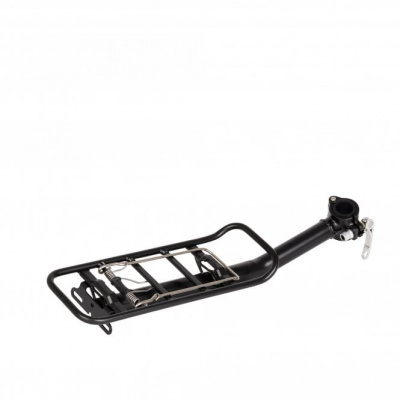
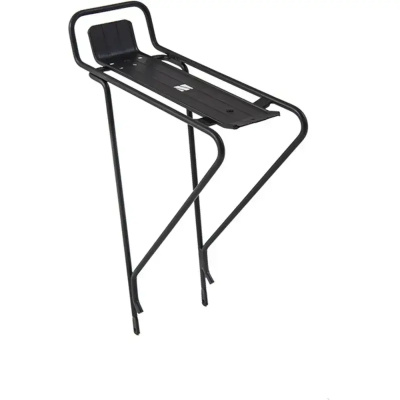
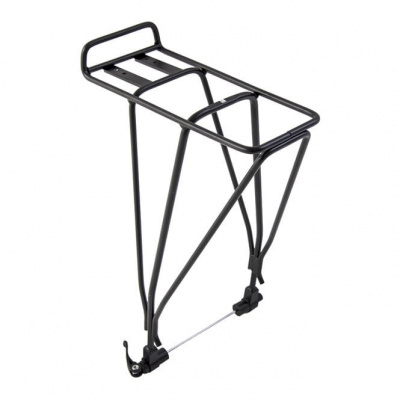
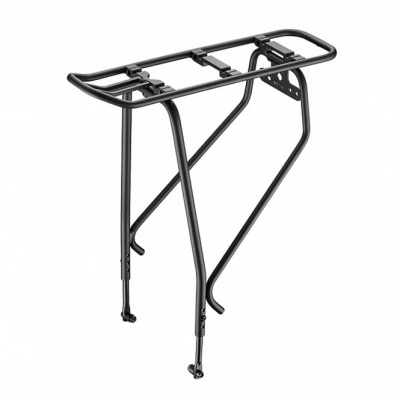
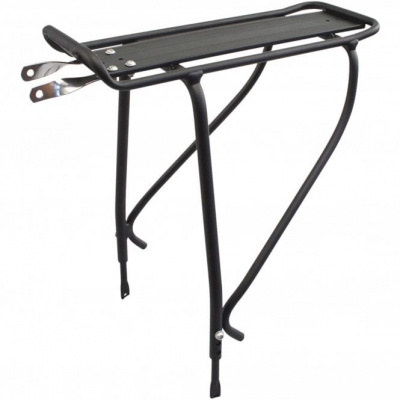
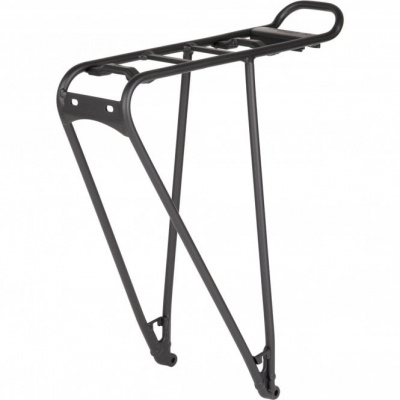
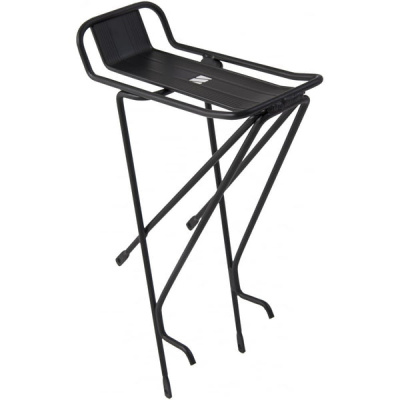
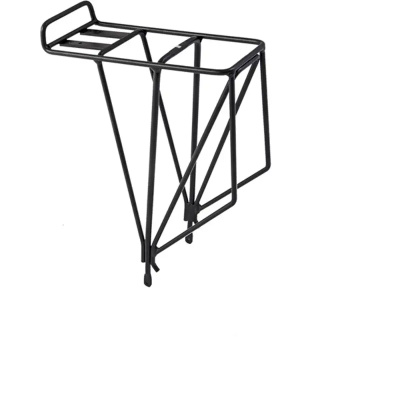
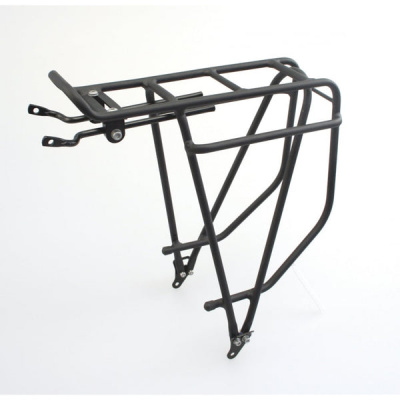
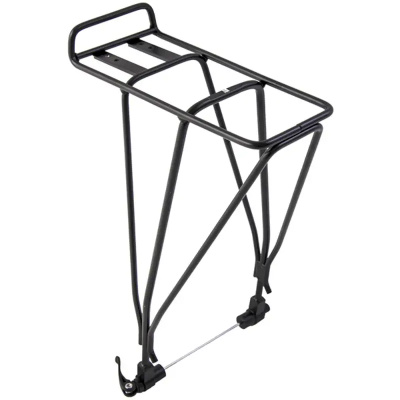
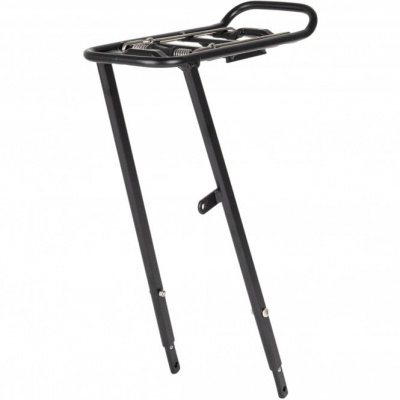
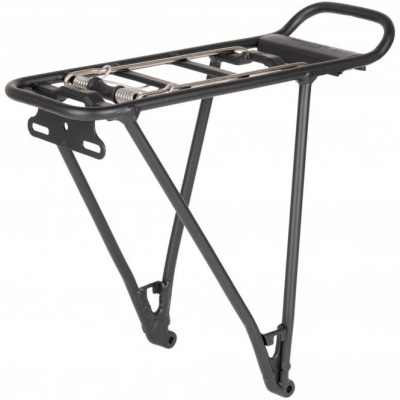
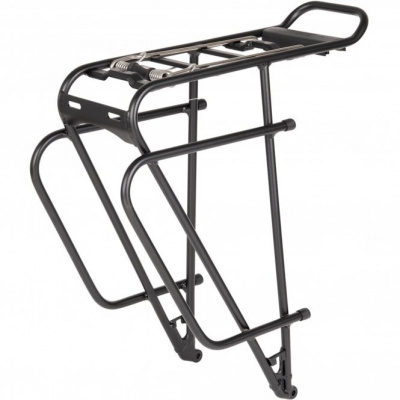
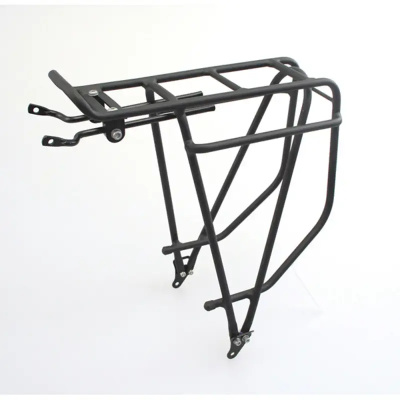
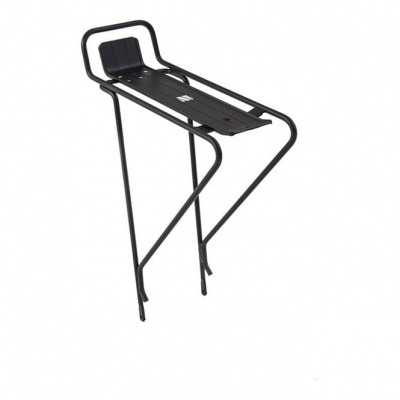
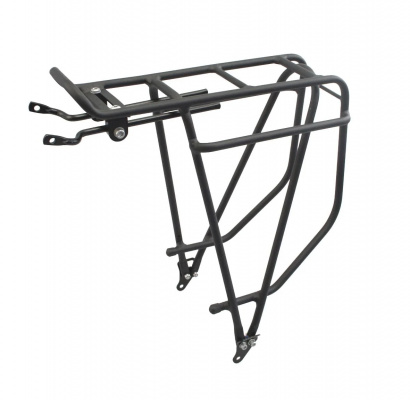
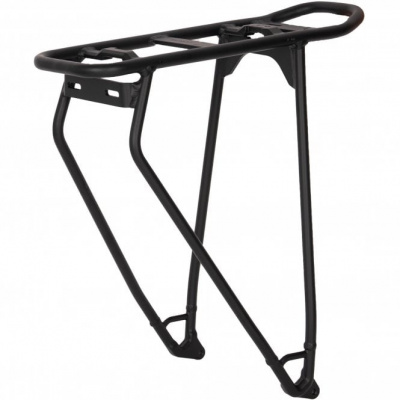
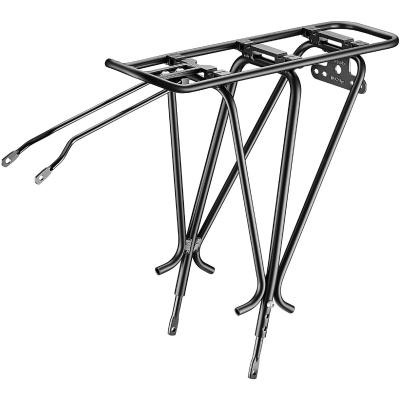
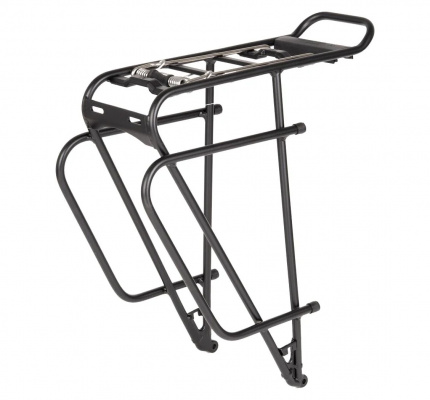
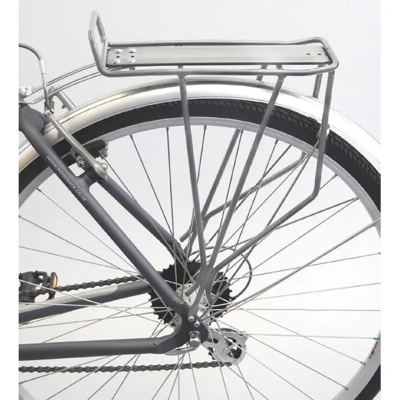
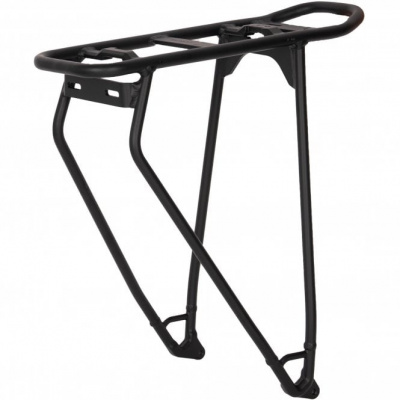
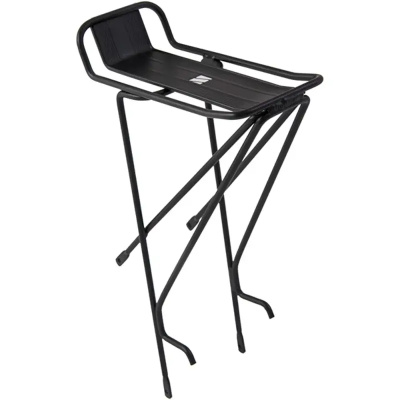
M Part pannier racks have quietly become the go-to choice for UK cyclists who want solid, no-fuss load carrying without paying a premium for badge prestige. Built from TIG-welded 6061 aluminium, they offer a genuinely impressive strength-to-weight ratio - the kind of construction you'd expect from racks costing considerably more. Whether you're grinding through potholed city streets with a laptop and a change of clothes, or stacking up for a multi-day loaded tour across the Scottish Borders, M Part's range is designed to keep your bags steady and your mounting points intact.
The lineup covers a broad spread of frame types and riding styles, with specific models engineered to clear modern disc brake calipers - so you're not stuck bodging a standard rack around a bulky caliper housing. Multi-adjustable mounting struts mean the racks can accommodate varied frame geometries, from nimble urban bikes to longer-wheelbase tourers. Wheel sizes from 26-inch through to 700c are covered across the range. If you're also looking to tidy up the rest of your bike's carrying setup, M Part's mudguards and baskets pair neatly with the racks for a cohesive commuter build.
Prices and availability can change quickly. Delivery charges are not always included in listed prices.
Final price, stock status and delivery terms are set by retailer. We may receive a commission on purchases made.
Getting the Fit Right: Eyelets, Axle Spacing, and Disc Clearance
Before you order, the single most important check is whether your frame has the right mounting points. Most M Part racks are designed for frames with standard threaded frame eyelets - the braze-ons at the seat stays and near the rear axle dropout. These give you a secure, solid connection that can handle the stresses of a loaded commute. Axle compatibility matters too: confirm your rear dropout spacing and whether your bike uses a bolt-on or quick-release axle, as this affects which lower strut configuration works for you.
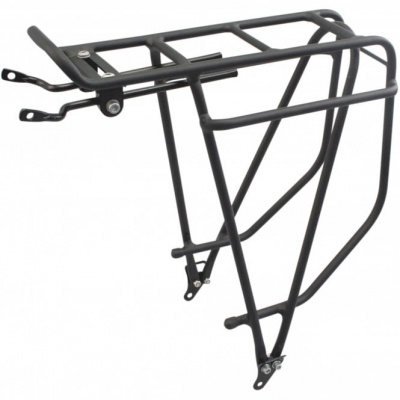
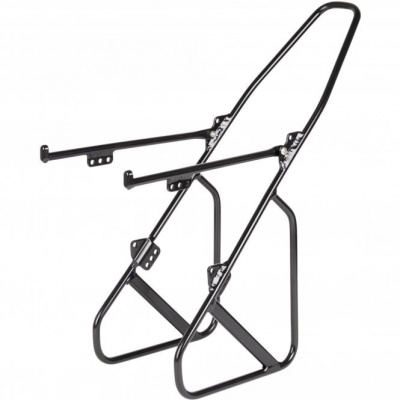
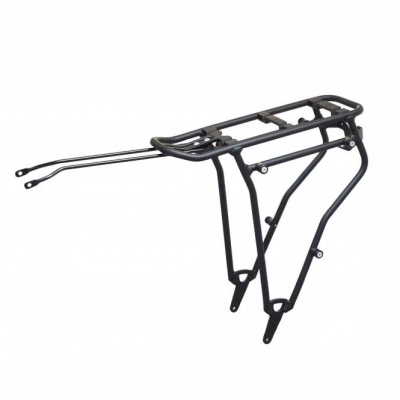
Wheel size is straightforward - M Part racks are designed to work with 26-inch, 27.5-inch, and 700c wheels, so road, hybrid, and many touring frames are covered. Where things get more nuanced is disc brakes. A standard rear rack will foul directly on the caliper body, which is why M Part produces disc-specific models like the M Part Prime Disc. These use integrated disc-brake standoff mounts at the lower eyelets - essentially extended legs that route the rack struts safely around the caliper without any improvised packing or spacer fudging. If you're running hydraulic discs, don't assume a standard rack will clear: check the model spec explicitly before buying.
If your frame has no traditional eyelets at all - common on older road bikes or some lightweight hybrid frames - you can use seat collar adapters or P-clips around the seat stays. It works, but it's worth being honest about the limits: load capacity drops noticeably, and it's not a setup we'd recommend for anything heavier than a soft bag and a light shop run. For proper touring weight, you need proper eyelets. If you're after replacement struts, bolts, or mounting hardware for a rack you already own, our Pannier Rack Spares category is the right place to start rather than a whole new rack.
Commuter, Tourer, or Something In Between: Choosing Your M Part Rack
M Part structures its rack range in a way that actually makes the buying decision fairly clear once you understand what separates the tiers. The Essential series is the entry point - lighter gauge alloy, straightforward mounting, and well suited to everyday commuting where you're carrying a pannier or two rather than a full expedition load. If your daily ride involves a laptop bag, a rain jacket, and maybe some shopping on the way home, the Essential does exactly what's needed without adding unnecessary weight to the rear end.
Step up to the Prime and Summit series and you're getting thicker-gauge alloy tubing, heavier-duty TIG welds, and meaningfully higher load capacity ratings. The lateral stiffness improvement is real - under a loaded set of Ortlieb-style panniers on a long day's riding, a flexy rack will sway and creak in a way that's both irritating and, over time, damaging to your mounting threads. The Prime and Summit series resist that. The Prime Disc variant adds those standoff mounts for disc brake clearance already mentioned, making it the natural choice for anyone on a modern-spec hybrid or touring bike.
Is the extra spend on a Summit worth it for pure commuting? Probably not, unless you're consistently loading to the limit or your route involves the kind of surface that makes your teeth rattle. For loaded touring - think a week along the National Cycle Network or a loaded coast-to-coast - the beefier build earns its keep. Alternatives from Blackburn and SKS occupy a similar space in the market, though M Part's UK distribution and spares availability give it a practical edge for home mechanics.
Keeping It All Together: Corrosion, Bolt Care, and Winter Survival
UK roads in autumn and winter are essentially a long-running stress test for anything bolted to a bike. Road salt and wet grit work their way into every thread and joint, and the interaction between steel mounting bolts and an alloy rack body creates the conditions for galvanic corrosion - meaning those bolts can seize solid over a winter if you ignore them. Getting them out later without damaging the frame eyelet threads is a job nobody wants.
The fix is simple and takes about two minutes during installation: coat every mounting bolt thread with anti-seize compound or a good marine grease before it goes in. This breaks the direct metal-to-metal contact that drives corrosion and makes future removal straightforward. Don't use standard bike grease here - it washes out too quickly in wet conditions. A tube of copper-based anti-seize is cheap and lasts for years of installations.
Beyond corrosion, vibration from rough urban roads is the other rack killer. The constant chatter from potholes and broken tarmac works mounting bolts loose over time, and a rack that's even slightly loose under a heavy load will flex, creak, and eventually crack at the strut adjustment points or weld junctions. Check bolt torque every few weeks during heavy use - a quick nip up with a 5mm Allen key takes seconds and prevents the kind of catastrophic rack failure that dumps your bag into the rear wheel mid-commute. It's worth keeping a kickstand fitted too, so the bike sits stable when you're loading up and the rack isn't taking lateral stress from a bike leaning against a wall.
Finally, give the rack a once-over for any stress cracking around the weld points at the start of each season, particularly if you've been running near the maximum load rating. M Part's TIG welds are solid, but no rack is indestructible under sustained heavy use on rough surfaces. Catching a hairline crack early means a rack replacement on your terms rather than a failure on the road.
M Part Pannier Racks FAQs
Do M Part pannier racks fit bikes with disc brakes?
Not all of them - you need to pick a disc-specific model. The M Part Prime Disc is built with integrated standoff mounts at the lower eyelets, which route the rack legs cleanly around disc brake calipers. A standard M Part rack will likely foul directly on the caliper body, so check the model spec carefully before buying.
What is the maximum weight capacity of an M Part rear rack?
Most M Part commuter-grade racks are rated to 25kg, which is the standard rear luggage limit across the industry. Heavier-duty models in the Prime and Summit series may carry the same rating but handle it with noticeably less flex. Always cross-reference the individual model's spec sheet, and remember your frame's own eyelet strength is part of the equation.
How do I fit a pannier rack to a bike without eyelets?
Seat collar adapters or P-clips wrapped around the seat stays can get a rack fitted to an eyelet-free frame. It's a workable solution for light loads, but load capacity is reduced and the connection is less rigid than a proper braze-on mount. For anything beyond a small pannier, we'd strongly recommend a frame with dedicated eyelets.