
M Part MTB Wheels
M Part MTB wheels have become the go-to replacement wheelset for riders who want to get a bike rolling again without the faff of overspending on components the trail doesn't demand. Whether you've cracked a rim on a rock garden in the Peaks, worn out a hub over a season of winter grit, or you're simply resurrecting a 26-inch hardtail that deserves another few years of service, M Part gives you a dependable, no-nonsense answer.
The range covers 26-inch, 27.5-inch, and 29er sizes, with options spanning rim brake classics through to modern disc-specific builds. What you're getting here isn't boutique lightness or race-day glamour - it's double-wall alloy construction, straightforward J-bend spoke lacing that any mechanic can work with, and hubs built to a standard that's easy to service at home. That matters when a spoke goes mid-season and you want to fix it yourself rather than wait a fortnight for a specialist part.
M Part replacement mountain bike wheels sit at a practical price point that makes sense for commuters, trail riders on a budget, and anyone bringing a second bike back to life. Compare the latest UK prices across the range below and find the right fit for your rig.
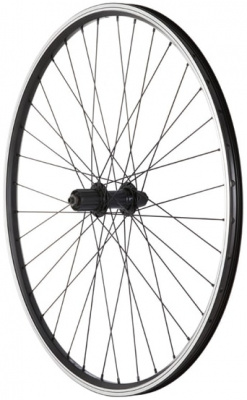
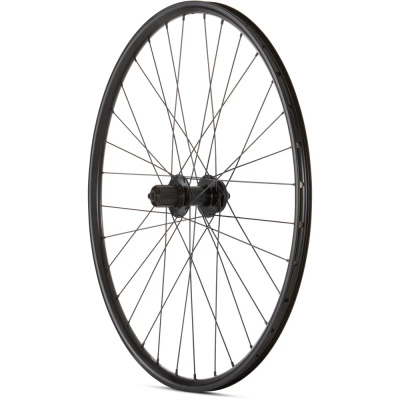
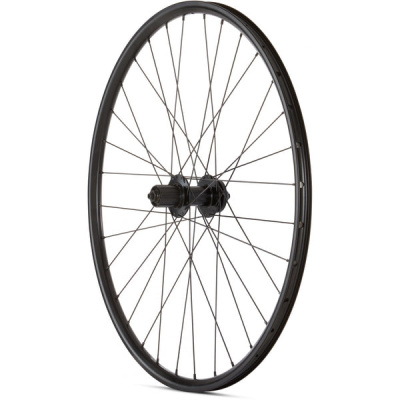
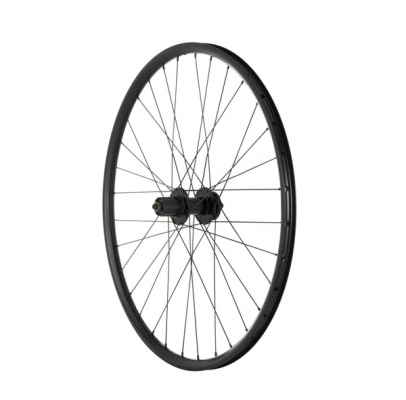
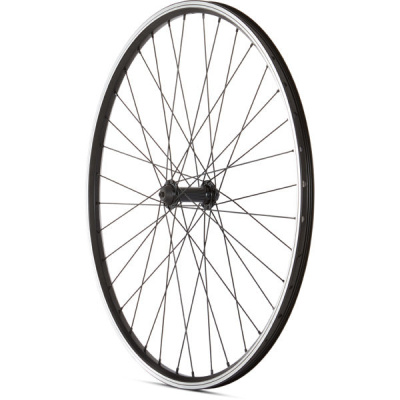
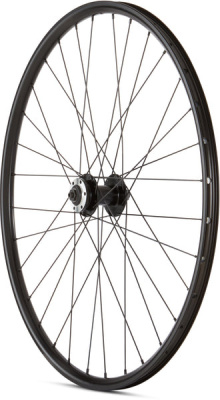
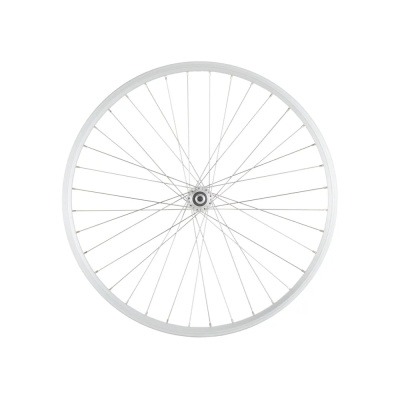
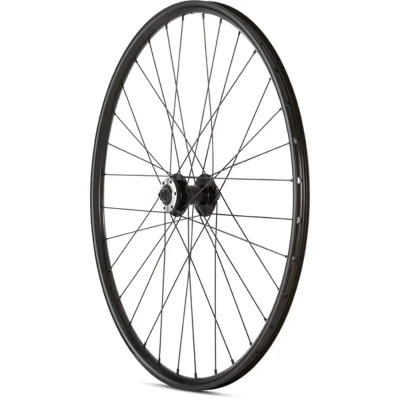
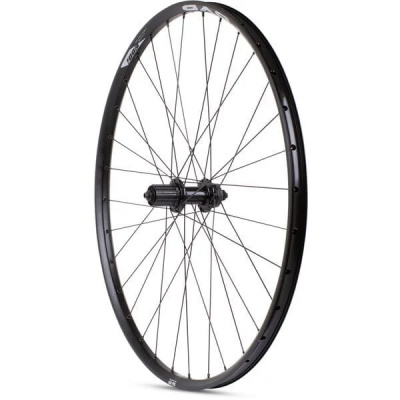
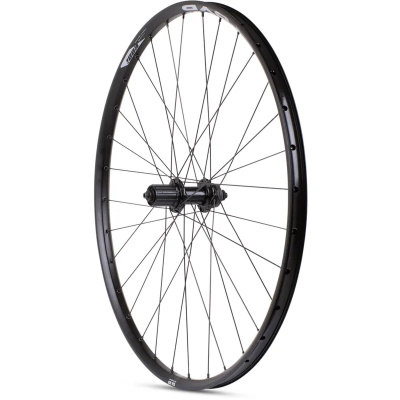
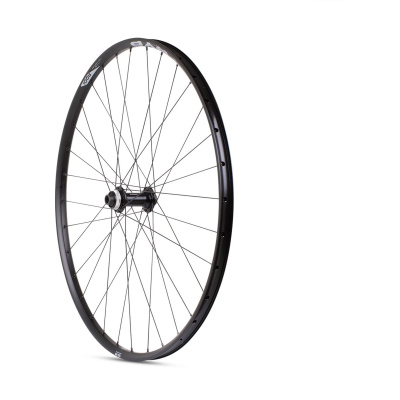
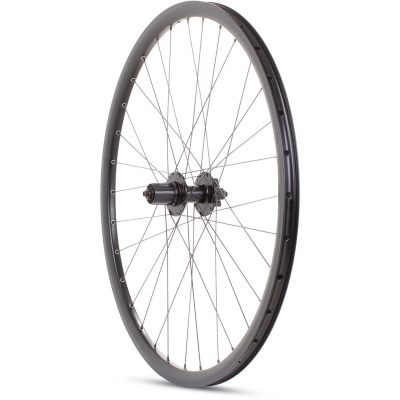
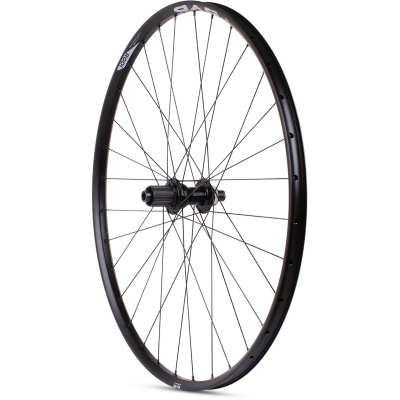
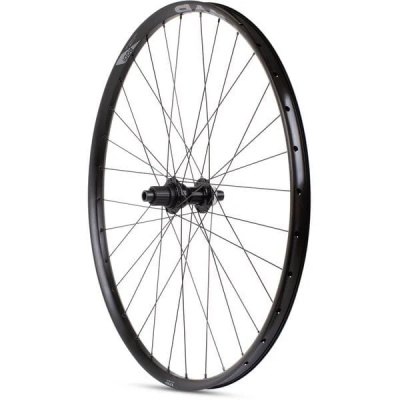
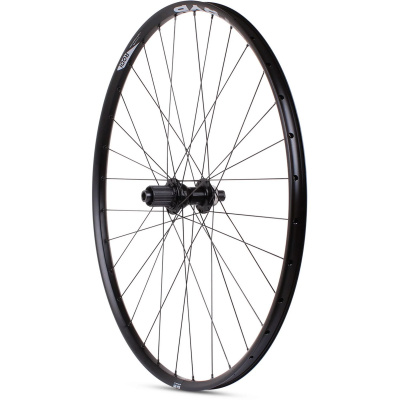
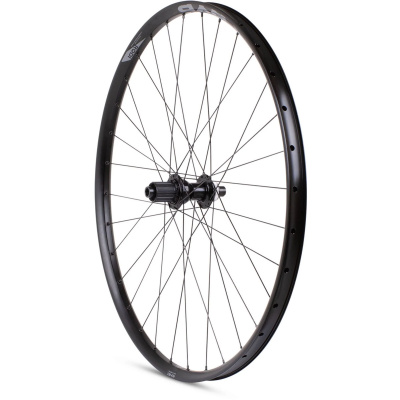
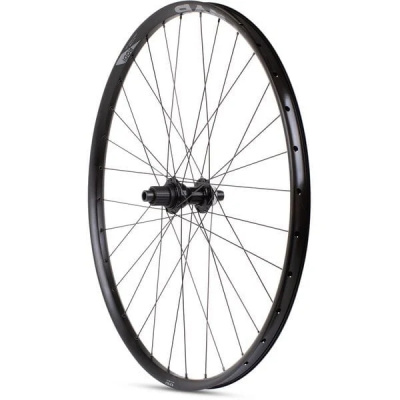
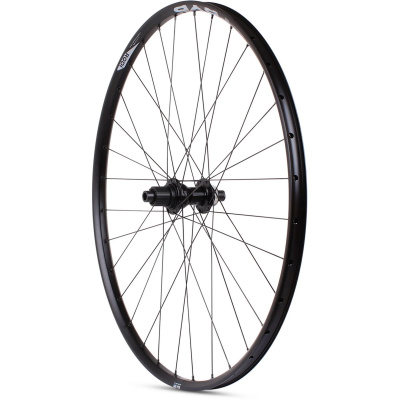
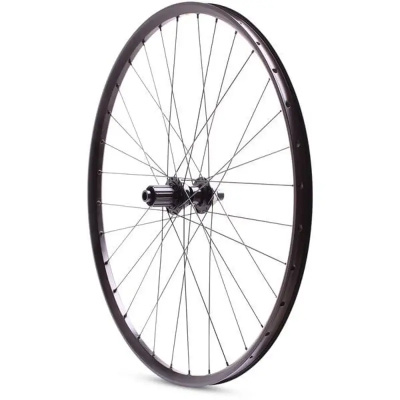
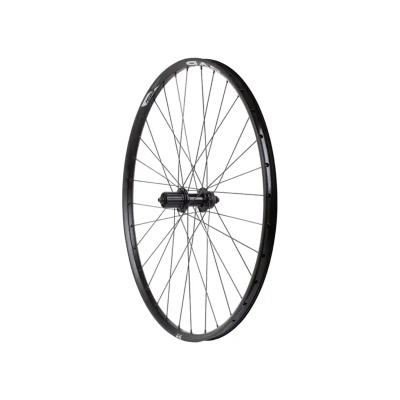
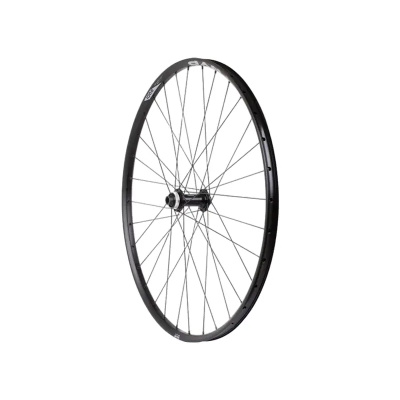
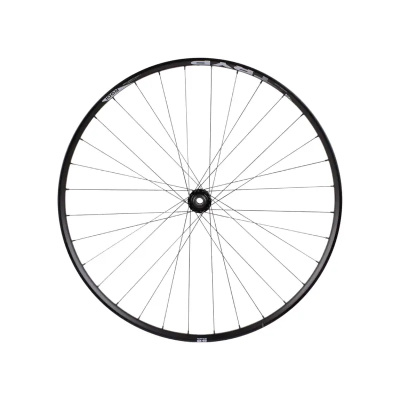
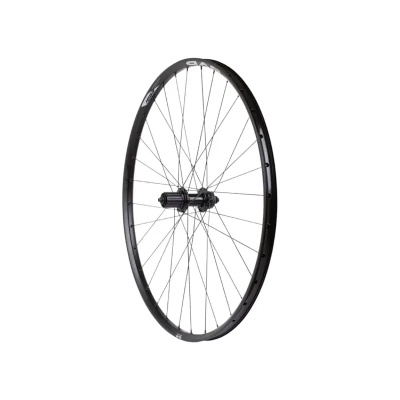
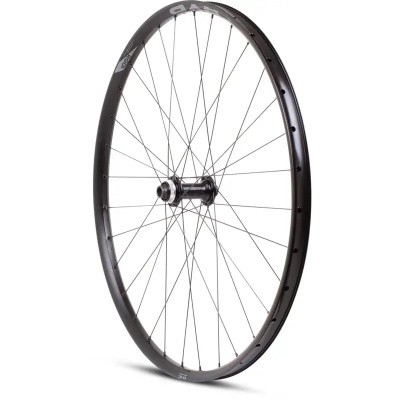
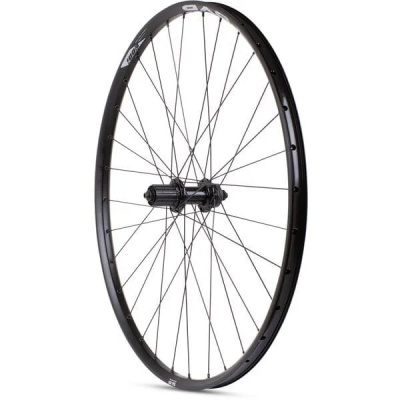
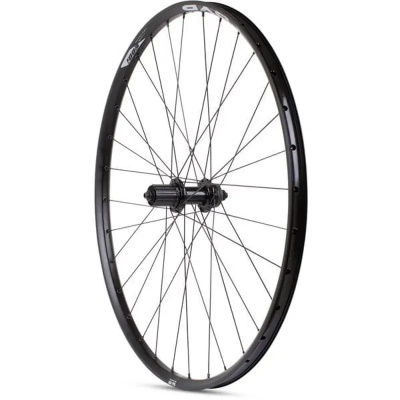
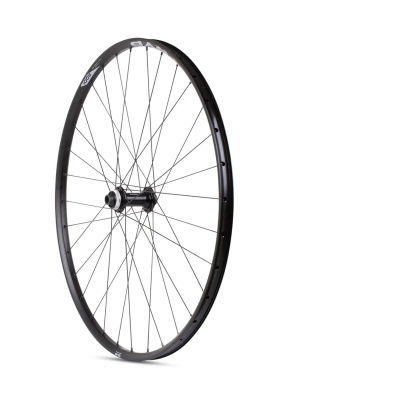
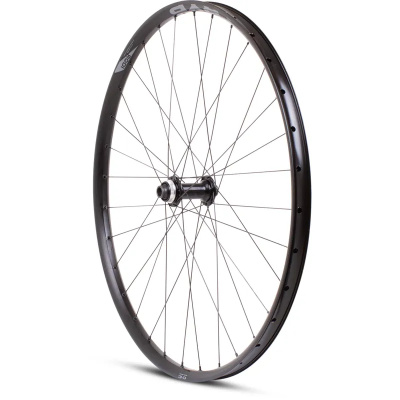
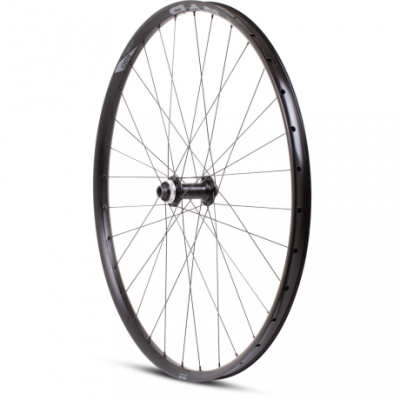
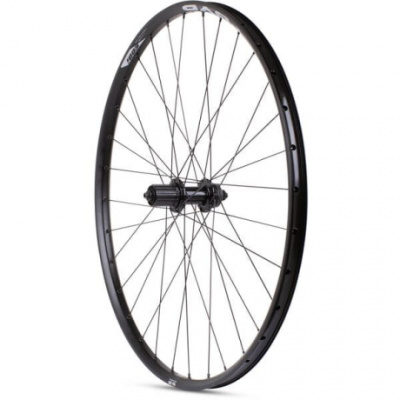
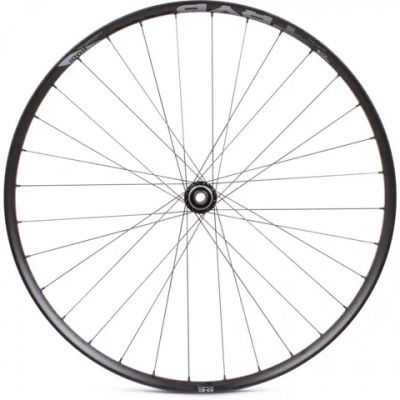
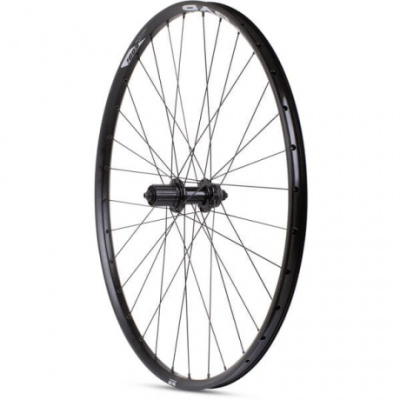
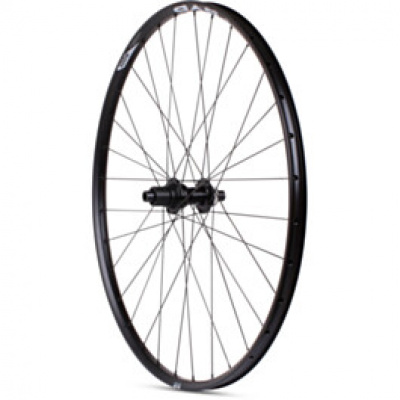
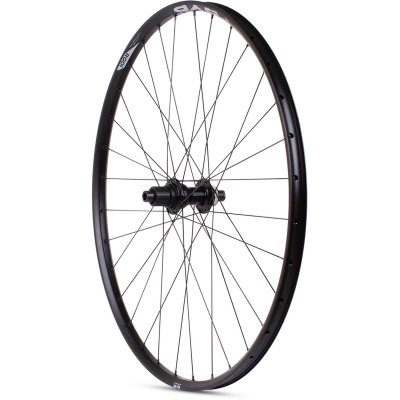
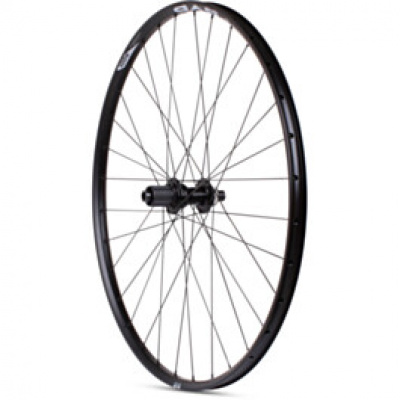
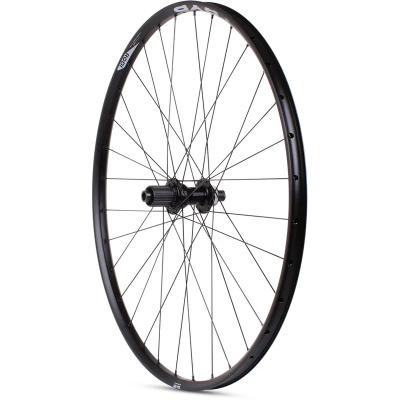

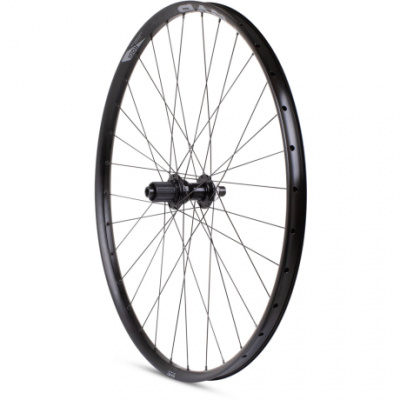
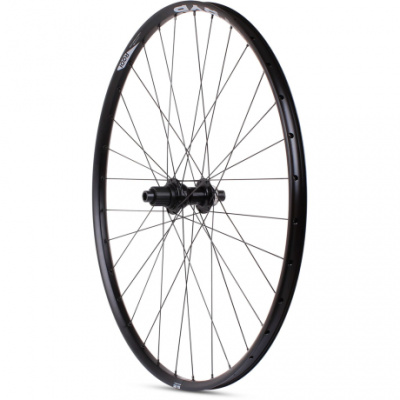
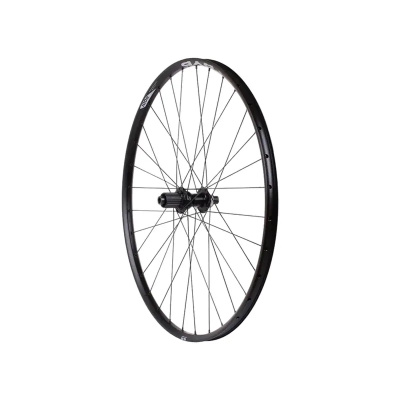
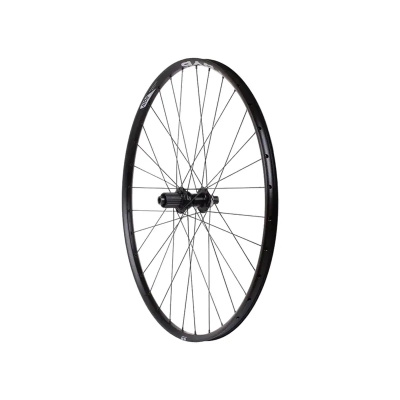
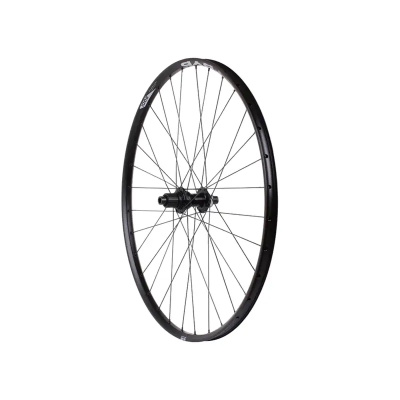
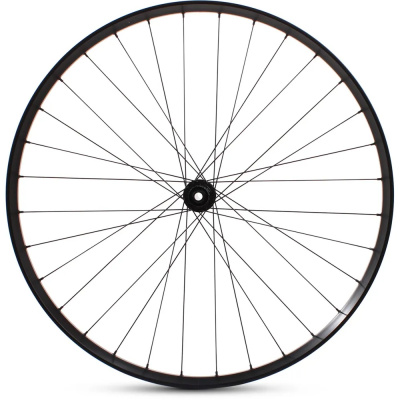
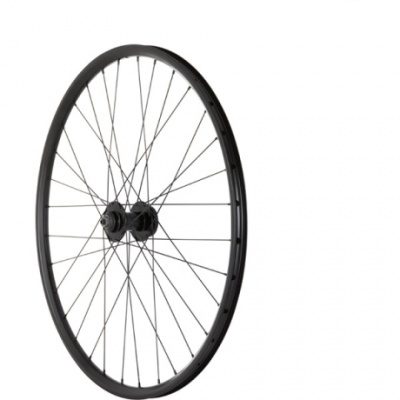
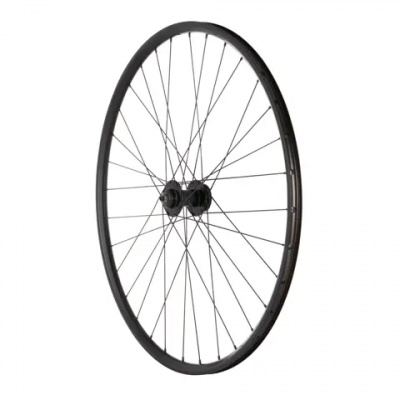
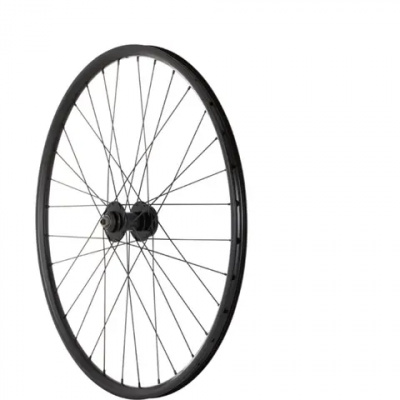
Prices and availability can change quickly. Delivery charges are not always included in listed prices.
Final price, stock status and delivery terms are set by retailer. We may receive a commission on purchases made.
Getting the Fit Right: Sizes, Axles, and Brake Standards
Before you click buy, three numbers need to match your frame: wheel diameter, axle spacing, and brake interface. Get any one of them wrong and you've got an expensive paperweight. M Part MTB wheels come in 26-inch, 27.5-inch, and 29er diameters, so start there - check the tyre sidewall if you're unsure what your frame runs.
Axle standard is where people most often slip up. Older hardtails typically use 135mm quick release at the rear; more recent trail bikes step up to 142mm thru-axle, and Boost-spaced frames need 148mm rear spacing. Front axles follow a similar split between 100mm QR and 110mm thru-axle. Check your dropout width with a calliper if the frame spec sheet isn't to hand - it's a two-minute job that saves a return postage headache.
Brake compatibility splits between 6-bolt disc, Centerlock disc, and rim brake. Most current M Part disc-specific wheels use the 6-bolt interface, which is the more widely compatible of the two disc standards and takes any matching rotor without an adapter. If you're running rim brakes on an older build, confirm the rim has a machined braking surface - M Part's entry-level alloy rims do, which keeps stopping power consistent even in the wet.
The freehub body on M Part wheels is typically a Shimano HG pattern, compatible with Shimano and most SRAM cassettes up to 11-speed. If you're running SRAM's 12-speed XD or XDR driver, or Campagnolo, these wheels won't work without a freehub swap - so check your cassette before ordering. For skewer and axle hardware specifics, head to the M Part skewers page. Hub bearing replacement is covered separately on the M Part bearings page.
The M Part Range: Where Each Wheel Sits
M Part's catalogue isn't trying to be everything to everyone, and that focus is actually useful. At the entry end, you've got their 26-inch single and double-wall rim brake wheels - the sort of build that suits a steel hardtail being pressed back into daily use, a commuter hack, or a kids' bike that's outgrown its first set. These aren't trail-hammering tools; they're honest, dependable hoops that roll straight and true when that's all you need.
Step up to the 27.5-inch and 29er disc-specific builds and the picture shifts. Double-wall alloy construction throughout means the rim has enough structural integrity to handle rooty, rocky singletrack without folding under a clumsy line - think Afan or Kirroughtree on a budget. The J-bend spoke lacing is worth flagging here: it's the industry standard for a reason. Any half-decent mechanic, or a confident home spanner, can true these wheels or replace a broken spoke with parts from any good bike shop. Compare that with some proprietary lacing patterns on pricier wheelsets and you'll appreciate the practicality.
Hub quality at this price point uses either cup-and-cone or sealed cartridge bearings, depending on the specific model. Cup-and-cone hubs are adjustable and rebuildable - useful when you want to dial out bearing play rather than replace the whole unit. Sealed cartridges are lower maintenance day-to-day but need full replacement when they're done. Neither is inherently better; it depends on how hands-on you want to be with servicing.
If you're after a disc wheelset for a drop-bar gravel setup, M Part's MTB range isn't the right call - the rim profiles and hub flange geometry are sized for flat-bar off-road use. Have a look at the gravel and road wheel categories instead for something better matched to that geometry. For riders comparing against more performance-oriented alternatives, Halo MTB wheels and Hope MTB wheels offer UK-made options with more upgrade potential, while DT Swiss MTB wheels step things up further in terms of weight and refinement - all at a corresponding jump in cost. M Part's proposition is different: it's about replacing what's broken with something solid, not chasing marginal gains.
Keeping M Part Wheels Running Through a UK Winter
British trails in November are basically a bearing-destroying experiment. Grit, standing water, and road salt from winter crossings work into hub internals faster than you'd expect, and neglected cup-and-cone hubs will develop notchy, grinding play within a season if you ignore them. The fix is simple: pull the hub end caps, clean out the old grease, and repack with a fresh waterproof grease before the worst of the weather arrives. It takes twenty minutes and saves you a wheel rebuild in February.
Spoke tension is the other thing worth checking early. New wheels - M Part included - will bed in over the first rides as spoke elbows seat and nipples settle. A quick wheel truing check after the first 50 miles of trail use catches any developing wobble before it becomes a proper buckle. You want spoke nipples re-seated evenly and no lateral hop at the rim. A drop of thin oil worked into each nipple before winter also stops corrosive salt seizing them solid - a seized nipple turns a five-minute truing job into a spoke replacement.
On tyre pressure: running too low on a budget double-wall rim is asking for a pinch flat or a rim ding on anything rocky. Keep pressures appropriate for your weight and the trail surface, and you'll get significantly more life out of the rim bed. A decent M Part track pump with a gauge makes this a thirty-second pre-ride habit rather than guesswork. If you're doing muddy miles through winter, a set of M Part mudguards will also keep the worst of the spray off your hub shells and reduce how often you're digging into the bearing internals. For spoke keys and basic truing tools, the M Part tools range has what you need without overspending on workshop kit you'll use twice a year.
M Part MTB Wheels FAQs
Are M Part MTB wheels tubeless ready?
Most M Part MTB wheels are designed around standard clincher use with inner tubes. The rim beds aren't typically shaped or sealed for a tubeless setup out of the box. Some newer models may accept tubeless tape and valves, but check the specific rim profile before attempting a conversion - not all double-wall alloy rims will hold a reliable tubeless bead.
How do I know if an M Part wheel will fit my mountain bike?
Match three things: wheel diameter (26-inch, 27.5-inch, or 29er), axle standard (quick release or thru-axle, plus the exact spacing in millimetres), and brake type (disc or rim brake). Then confirm the freehub body suits your cassette - M Part hubs typically run a Shimano HG pattern, so check compatibility if you're on SRAM 12-speed or anything outside that standard.
Do M Part wheels come with skewers?
Quick release M Part wheels generally include skewers in the box. Thru-axle wheels don't, because the axle is frame-specific and varies between manufacturers. Always read the product description carefully before ordering - if you need a replacement thru-axle, check your frame's spec sheet for the correct length and thread pitch.