
Loffler Gilets
Loffler cycling gilets are built around a simple idea: keep your core warm without turning a two-hour ride into a sweaty suffer-fest. Loffler comes out of the Austrian Alps, where the weather doesn't negotiate, and that background shows in how these gilets are engineered. Wind-blocking where it counts - chest and shoulders - and open enough at the back to let heat out before it becomes a problem.
What makes them worth your attention in a crowded market is the combination of Gore-Tex Infinium Windstopper fabrics on the front panels and genuinely packable construction throughout the range. The WPM Pocket models compress down small enough to sit in a rear jersey pocket without turning it into a saddlebag. That matters when you're heading out on a mixed-bag day and you're not sure whether you'll need the gilet on the exposed climb or just on the descent into the valley.
For UK riders dealing with four seasons before lunch - think sudden temperature drops on Peak District ridgelines or cutting crosswinds on the North Downs - a gilet that blocks wind without trapping heat is a genuinely useful piece of kit. Loffler's range covers slim race fits and more relaxed cuts, so whether you're pinning a number or spinning out a Sunday audax, there's a model worth considering.
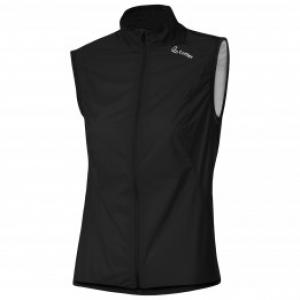
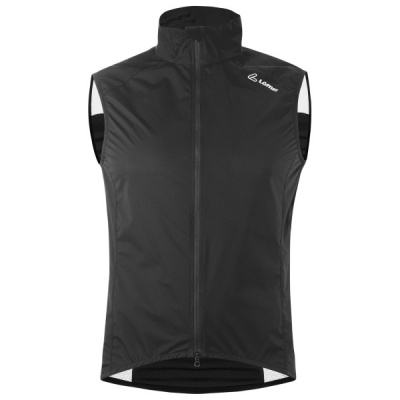
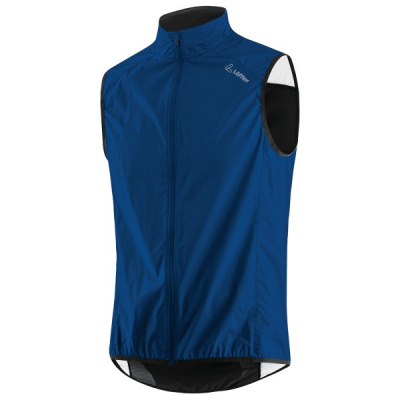
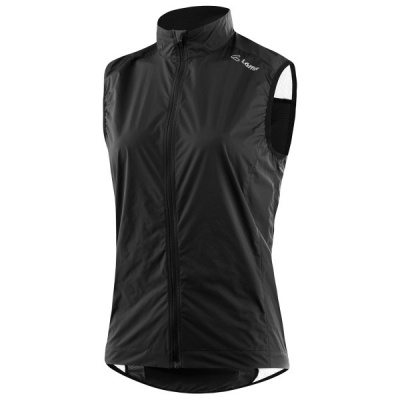
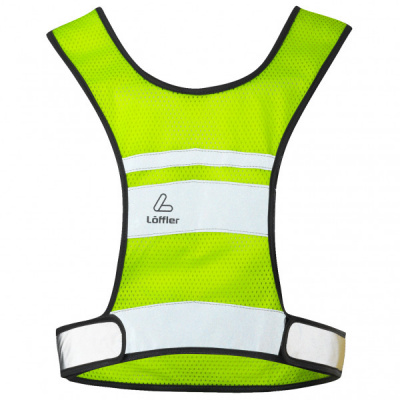
Prices and availability can change quickly. Delivery charges are not always included in listed prices.
Final price, stock status and delivery terms are set by retailer. We may receive a commission on purchases made.
Fabric Tech: Blocking the Wind, Letting the Heat Out
The front-panel approach Loffler uses isn't unusual, but the execution is sharper than most. Gore-Tex Infinium Windstopper fabric on the chest and shoulders gives you genuinely complete wind blocking - not just wind resistance. If you've ever hit a long exposed descent in a cheaper wind vest and felt that creeping chill working through the weave, you'll understand why the distinction matters. The Infinium membrane stops moving air dead without adding meaningful weight or stiffness.
At the back, Loffler opens things up with breathable mesh or Transtex panels depending on the model. Transtex is Loffler's own moisture-wicking technology - it moves sweat away from the skin quickly enough that you're not sitting in a damp layer on the way back up the hill. The breathable back panel is the design decision that separates a gilet you'll actually reach for from one that stays in the drawer. Climbing in a gilet that traps heat is miserable; the rear venting on Loffler's range prevents that without compromising the wind protection where you need it most.
The WPM (Windproof Material) used in the lighter pocket models is worth singling out. It's an ultra-lightweight windproof construction that compresses to almost nothing - genuinely small enough to stuff into a jersey pocket mid-ride without the pocket hanging off your lower back for the next two hours. A DWR coating across the outer fabric handles road spray and light showers capably. It's not a substitute for a jacket in proper rain, but for the fine drizzle that's basically permanent between October and March across most of the UK, it does the job without fuss. Reflective detailing on several models adds a bit of visibility on grey afternoons without looking like a hi-viz vest.
If you're comparing this approach to something like Castelli gilets, the core logic is similar - wind-blocking front, breathable back - but Loffler leans harder into the packability angle and uses Transtex rather than a purely mesh construction, which gives slightly better moisture management in damp conditions.
Fit Profiles and Sizing Across the Range
Loffler splits its gilet range broadly into Slim Fit and Comfort Fit options, and the difference is meaningful rather than marketing. The Slim Fit models are cut close to the body - minimal excess fabric, no flapping on descents, and an aerodynamic profile that sits well over a race-cut jersey. If you're used to riding in a tight bib and jersey combination, the Slim Fit will feel natural. It layers cleanly under a jacket too, without bunching at the shoulders.
The Comfort Fit is a noticeably more relaxed cut, which makes it the sensible choice if you're riding in a looser touring jersey, commuting in layers, or just prefer not to feel shrink-wrapped on a four-hour winter audax. It has enough room to go over a heavier base layer or a mid-weight jersey without pulling across the chest.
Sizing is where you need to pay attention. Loffler is a European brand with a tailored cut, and the racier Slim Fit models in particular can run narrower across the shoulders than equivalent UK or US sizing would suggest. If you're between sizes or you've got broader shoulders, go up. It's not a quality issue - it's just a fit philosophy that prioritises aerodynamics over accommodation. Check the brand's size guide against your chest and torso measurements rather than just defaulting to your usual size. Most riders who size up correctly find the fit excellent; those who go true-to-size on a hunch and have wide shoulders sometimes find it restrictive across the upper back.
For a different fit approach in the same category, Endura gilets tend to run with a bit more room through the body, which suits riders who prefer a less snug cut without going full touring fit. Assos gilets sit at a similar precision-fit point to Loffler's Slim range but at a higher price point, making Loffler a credible option if you want that tailored result without the premium.
Building a Layering System for UK Conditions
A gilet works best as part of a considered system rather than a standalone solution, and Loffler's range is designed with that in mind. Pairing a Loffler gilet with Loffler jerseys makes sense because the Transtex moisture management across both layers works in the same direction - moving sweat away from the skin and out through the breathable panels. Mixing with a cotton or poorly wicking base layer underneath undermines what the gilet's back panel is trying to do.
On a cold but dry winter morning - the kind of ride where it's four degrees at the start and eight by the time you're an hour in - a thermal base layer, a mid-weight jersey, and a Loffler windproof gilet on top covers a wide range without you having to stop and faff. When it warms up, the gilet packs away quickly. If conditions deteriorate and you're into proper rain rather than drizzle, that's when you'd want a Loffler jacket rather than relying on the gilet's DWR alone.
Care is straightforward but worth doing right. Wash at 30 degrees, use a technical wash detergent, and skip the fabric softener - it clogs the breathable membrane and kills the DWR coating faster than anything else. An occasional low-heat tumble dry helps reactivate the DWR if you notice water starting to soak in rather than bead. Don't iron it, don't dry clean it, and don't leave it scrunched in a pocket for weeks at a time; the WPM fabric is durable but it's not indestructible.
One practical note: if you're buying a Loffler gilet primarily for the packability and you plan to use it stuffed in a pocket regularly, check whether the model self-packs into its own pocket or requires a separate stuff sack. The WPM Pocket models are genuinely designed for this use and the fabric handles repeated compression well.
Loffler Gilets FAQs
Are Loffler cycling gilets true to size?
Loffler uses a tailored European fit that can run narrower than standard UK sizing, particularly across the shoulders in the Slim Fit models. If you're between sizes or planning to layer over a thicker jersey, go up a size. Check your chest and torso measurements against Loffler's size guide rather than defaulting to your usual size.
How packable is a Loffler WPM gilet?
Very. The WPM (Windproof Material) gilets compress down to roughly the size of an apple and sit comfortably in a standard rear jersey pocket without weighing the pocket down or distorting the fit. The fabric handles repeated compression without losing its structure or wind-blocking performance over time.
Are Loffler gilets waterproof or just windproof?
Windproof rather than waterproof, though there's more to it than that. Gore-Tex Infinium Windstopper on the front panels provides complete wind blocking and solid water resistance against road spray and light drizzle via a DWR coating. The breathable back panels and non-taped seams mean they won't hold up in sustained heavy rain - that's when you need a full jacket.