
Loffler Bib Tights
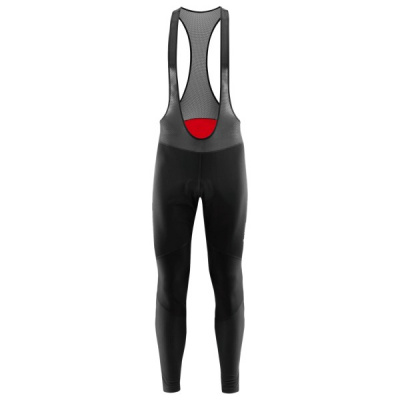
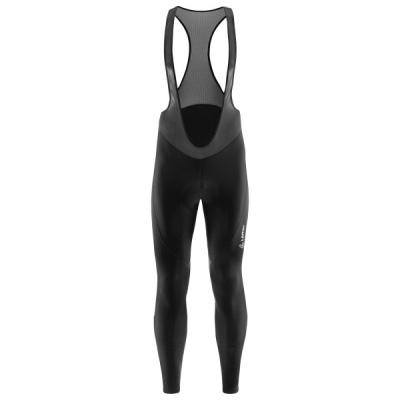
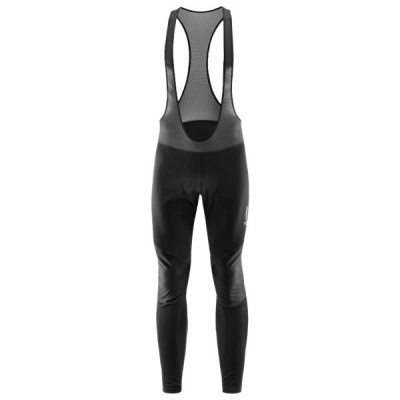
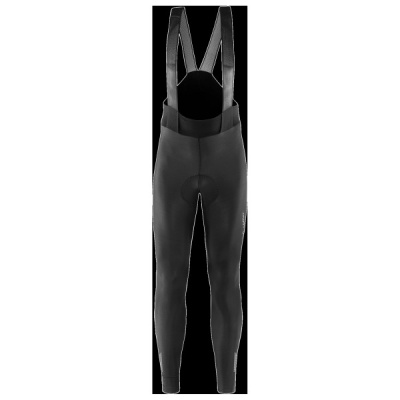
Loffler bib tights are the Austrian answer to a British winter - engineered with enough thermal muscle and wind-blocking grunt to keep you rolling when the temperature drops and the lanes turn grey. Built around their proprietary Transtex moisture-management system and Gore-Tex Infinium Windstopper fabrics, these tights tackle the two things that make UK winter riding genuinely grim: biting headwinds that chill you through and sweat that soaks back into your skin on every descent.
The chamois situation is properly thought-through, too. Depending on the model, you get either the Comfort Gel Air pad - shaped for longer, endurance-focused days - or the Comfort Elastic option for mid-distance efforts. Both sit securely against the saddle thanks to the bib strap construction, which also pulls the waistband up and keeps your lower back covered when you're stretched out on the drops.
Whether you're grinding out January base miles on exposed moorland roads or clipping in for a damp, low-light evening ride after work, Loffler bib tights offer a considered, technically layered approach to cold-weather protection. No fluff, no compromise on the details that matter most when conditions turn properly unpleasant.
Prices and availability can change quickly. Delivery charges are not always included in listed prices.
Final price, stock status and delivery terms are set by retailer. We may receive a commission on purchases made.
Fabric Tech and Weather Performance: What Actually Keeps You Warm
The foundation of most Loffler winter bib tights is a combination of two distinct fabric zones working in tandem. The front panels - covering the knees and thighs where cold air hits hardest on exposed roads - use Gore-Tex Infinium Windstopper membrane. This blocks wind effectively without making the tight feel stiff or plasticky. On a long drag into a north-easterly, that distinction between windproof and merely wind-resistant becomes very real, very quickly.
Behind that, the body of the tight typically uses Thermo-inner-velour - a soft, insulating fleece lining that traps warmth close to the skin. It feels noticeably different from cheaper brushed polyester linings: less scratchy on bare skin, and it holds warmth more evenly when you're not going hard enough to generate much body heat of your own.
Then there's Transtex, Loffler's proprietary moisture-transport system. The core function is straightforward: move sweat away from your skin quickly enough that you don't end up cold and damp on the back half of a ride. After a hard climb, when your core is hot but the descent drops your body temperature fast, the difference between a tight with proper wicking and one that just sits wet against your skin is stark. Transtex uses a bi-component fibre structure to accelerate that moisture movement - it's one of those technologies that's quietly effective rather than flashy.
A DWR coating on the outer face adds light water resistance, which handles the persistent drizzle and road spray that makes up most British winter riding. It won't replace a waterproof layer in heavy rain, but it stops the fabric from becoming waterlogged during the kind of persistent light wet that's far more common than actual downpours. Reflective elements feature on most models too - not token strips, but considered placement that adds genuine low-light visibility on dark rural lanes.
Getting the Fit Right and Choosing Your Model
Loffler sizes run to a European athletic cut - close-fitting through the leg without being compressive in a way that restricts movement. If you're used to baggier UK or American sizing, or you run between sizes, go up. A tight that's slightly too snug through the knee is uncomfortable on a long ride; one that's slightly roomy is just a tight.
The chamois options matter more than they might first appear. The Comfort Gel Air pad is designed for longer hours in the saddle - it has more volume and contouring for extended endurance efforts. The Comfort Elastic chamois is a leaner, more minimalist option that works well for rides where you're moving more dynamically or putting in harder efforts over a shorter duration. Neither is a bad choice; it depends entirely on how you ride and for how long.
The bib strap design does more than hold things in place. On colder days, the coverage across your lower back and kidneys makes a genuine difference to how warm you feel overall - it's an area that loses heat quickly when you're bent forward, and waist tights simply can't address it the same way. If you'd prefer to skip the straps - perhaps for ease on longer rides with cafe stops - take a look at Loffler's regular tights range, which offers many of the same fabrics without the bib construction. And if you're building out your warmer-weather kit at the same time, the Loffler bib shorts range is worth a browse alongside.
Compared with similarly positioned winter tights from Castelli or Gore Bike Wear, Loffler sits in the same performance bracket but with a slightly different approach to fabric construction - the Transtex system in particular gives the moisture management a more active character than some competitors' passive thermal linings.
Layering These In and Keeping Them in Good Shape
A tight this capable deserves a base layer that keeps pace with it. Pairing Loffler bib tights with Loffler's Transtex base layers makes sense - the same moisture-transport logic runs through both, so you're not creating a bottleneck where a slow-wicking base layer undermines the tight's performance. On top, a Loffler Windstopper jacket extends the wind protection across your torso, and if the forecast is hovering uncertainly between riding weather and not, a Loffler gilet gives you a packable middle layer that's easy to manage mid-ride.
On the care side: wash at 30 degrees, always. Fabric softener is the enemy of both Transtex wicking and the DWR coating - it coats the fibres and kills the moisture-transport function over time, so avoid it entirely. Tumble drying is out too; the heat degrades bib strap elasticity and can damage the Windstopper laminate. Air dry flat or hanging, and the tights will hold their performance and shape through a full winter of regular use. It's not complicated, but it's worth doing properly - a tight at this price point should last multiple seasons if it's looked after.
One practical note: if you're riding in very low temperatures and want to take the wind protection up another notch, overshoes and a neck gaiter tend to address the areas these tights leave exposed better than any amount of extra layering on your legs.
Loffler Bib Tights FAQs
Are Loffler bib tights true to size?
Broadly yes - Loffler uses standard European sizing with a close athletic cut. If you're between sizes or you find European fits snug through the thigh, go up a size. A tight that pulls at the knee on a long winter ride is a problem you don't want to discover 40 miles from home.
What is the difference between Loffler bib tights and regular tights?
Bib tights have integrated shoulder straps that keep the chamois locked in position and add coverage across your lower back - an area that loses heat fast when you're in a riding position. Regular tights skip the straps, which makes mid-ride stops easier but sacrifices some security during hard efforts and a bit of warmth across the kidneys.
How warm are Loffler winter bib tights?
Models combining Thermo-inner-velour lining with Gore-Tex Infinium Windstopper front panels handle temperatures down to freezing comfortably, particularly on rides with sustained effort. For milder autumn conditions - say, 8 to 12 degrees - Loffler's standard thermal tights without the heavier windproof membrane are a better match and less likely to overheat on climbs.