
Lightweight Road Wheels
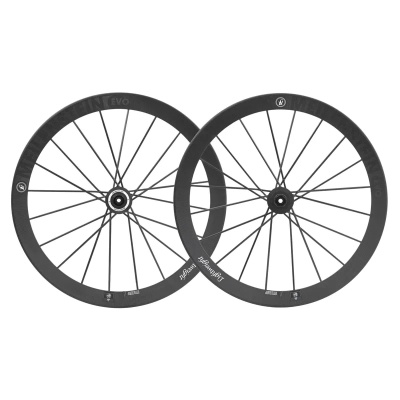
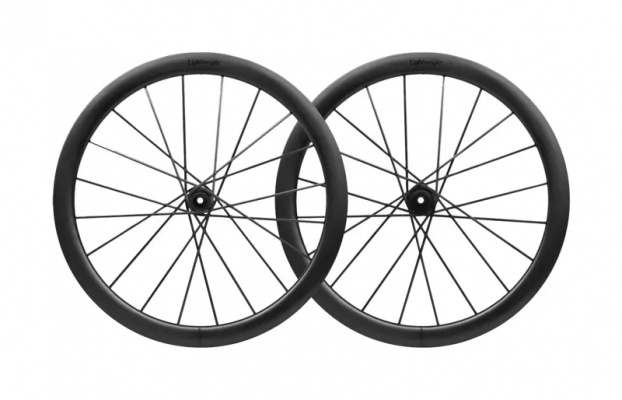
Lightweight road wheels are handmade in Friedrichshafen, Germany, and they occupy a category of their own - not because of marketing, but because of how they're actually built. Where most carbon wheelsets use conventional spokes anchored to a separate hub shell, Lightweight bonds full carbon spokes directly into both the rim and the hub. The result is a one-piece structure with a stiffness-to-weight ratio that nothing else on the market consistently matches.
Every wheelset in the range - from the climbing-focused Obermayer to the aero-shaped Fernweg - shares that same bonded construction philosophy. There are no nipples to true, no steel to corrode, and no energy lost to flex at the spoke interface. Power goes in, the wheel moves. That's the short version.
For UK riders, the case is straightforward if you're chasing grams on a hill climb bike, building a fast sportive machine, or putting together a road setup where weight and responsiveness genuinely matter. These aren't wheels you buy because they look the part. You buy them because they perform in a way that makes the cost feel like a considered decision rather than an indulgence - though you'll want to read the maintenance notes before committing.
Prices and availability can change quickly. Delivery charges are not always included in listed prices.
Final price, stock status and delivery terms are set by retailer. We may receive a commission on purchases made.
Standards, Axles, and What Fits What
Lightweight road wheels are available in both disc brake and rim brake configurations across most of the range. Disc models use Centerlock rotor attachment - not 6-bolt - so check your hub and rotor compatibility before ordering. Thru-axle spacing follows current road standards: 12x100mm at the front, 12x142mm at the rear. If your frame uses older quick-release dropouts, disc Lightweight wheels aren't an option.
Rim brake versions remain available on select models, which matters if you're running a lightweight climber build on an older frameset. Tubular, clincher, and tubeless-ready rim profiles exist depending on which wheelset you're looking at - and the internal rim width varies between models, so cross-reference with your intended tyre width before purchase. Wider tyres generally need wider internal rims to seat and seal correctly.
Ensuring your cassette matches your wheelset is critical for drivetrain function. For specific Shimano, SRAM XDR, or Campagnolo freehub compatibility and replacements, visit our dedicated Lightweight Freehub Bodies & Spares page.
Which Wheelset Sits Where in the Range
Lightweight's lineup is more structured than it looks at first glance. Each model has a distinct job, and picking the wrong one for your riding is an expensive mistake.
The Meilenstein is the reference point - a 25mm deep all-rounder that handles everything from fast club runs to sportive days without the crosswind sensitivity of a deeper rim. It's the model most riders should start with unless they have a specific reason to go elsewhere. Stiff, light, composed.
The Obermayer drops weight further still, making it the wheel of choice when gram-counting is the primary objective. It's more fragile than the Meilenstein - the rim layup is thinner - and it rewards careful riding over rough surfaces. On a long Alpine-style day in the saddle, or a UK hill climb event, the weight saving is tangible. On potholed B-roads in January, it requires more attentiveness.
The Pfadfinder runs a wider internal rim width, making it compatible with 28mm to 32mm tyres and giving it a natural home on endurance bikes or light gravel setups where tyre volume is part of the comfort equation. It's not a gravel wheel in the aggressive sense, but it handles mixed-surface riding without complaint.
The Fernweg is Lightweight's deep-section aero option. The rim depth generates speed on flat and rolling roads, but it's worth knowing that exposed UK riding - coastal roads, open moorland - can make a deep-section wheel feel lively in crosswinds. If your typical routes are sheltered, it's a strong performer. If you're regularly crossing exposed ground, the Meilenstein handles more predictably.
The Schwarz Edition upgrade is available across several models and gets you two meaningful changes: factory-fitted CeramicSpeed bearings replacing the standard steel ones, and blacked-out decals for a cleaner aesthetic. The bearing upgrade is the substantive part - CeramicSpeed units roll with less friction and tend to last longer with proper maintenance. The visual difference is secondary, but it's clean. If you're spending at this level, the Schwarz Edition is worth serious consideration rather than treating it as a cosmetic add-on. Comparable alternatives at the premium end include ENVE road wheels and Cadex road wheels, both of which use advanced carbon layups - though neither replicates Lightweight's bonded spoke architecture.
Running Lightweight Wheels on UK Roads
Here's where things get practical. The bonded carbon spoke construction - full carbon spokes integrated directly into rim and hub shell via Lightweight's spoke bonding process - is what gives these wheels their stiffness and low weight. The Active Foam Core inside the rim adds vibration damping and strengthens the structure at the same time. That's the engineering doing real work, not marketing language.
The trade-off is serviceability. Because the spokes are bonded rather than threaded, a local shop can't true the wheel if a spoke is damaged. Any structural spoke issue means the wheel goes back to Germany for factory assessment and repair. Factor that into your ownership plan - Lightweight offer a crash replacement programme, but it's not instant, and it's not free.
The pentagon hub design on disc models is worth noting. The hub shell is shaped specifically to resist twisting under the braking forces generated at a disc rotor - a real engineering consideration when you're putting full braking load through a carbon hub rather than a conventional alloy one. It works, but it does mean the hub isn't a standard shape if you ever need to assess compatibility with specific accessories.
For UK riding specifically: run tubeless where the rim supports it, and keep your tyre pressures sensible rather than rock-hard. A 28mm tyre at 70psi has far more capacity to absorb a pothole than the same tyre at 100psi, and it keeps the rim out of harm's way. British roads - particularly off the main A-roads - will find any weakness in your setup.
Hub seal maintenance matters more in winter. Road grit and wet debris work their way into bearing seals over repeated rides, and neglecting them accelerates bearing wear. Clean the hub flanges and check the seals after particularly muddy or wet outings. If you're running the Schwarz Edition's CeramicSpeed bearings, they're more tolerant of contamination than standard steel bearings, but they still need attention. This is also a good moment to think about complementary kit - Lightweight's bar tape and bottle cages are worth a look if you're building a cohesive, weight-conscious setup.
If you want to compare the overall value proposition against more accessible premium carbon options, DT Swiss road wheels and Campagnolo road wheels both offer repairable spoked designs with strong UK dealer support - a meaningful practical difference for everyday riding. Lightweight wins on outright performance metrics, but those alternatives win on repairability and availability of service.
Lightweight Road Wheels FAQs
Are Lightweight wheels worth the money?
For riders who genuinely prioritise the highest stiffness-to-weight ratio available, yes. The bonded full carbon spoke construction delivers power transfer and responsiveness that conventional steel-spoked wheels can't match at equivalent weights. If you're building a performance road bike where every gram counts, the engineering justifies the cost. If repairability and dealer support matter more to you, there are strong alternatives.
Do Lightweight wheels have a weight limit?
Yes. Most Lightweight wheelsets carry a system weight limit - rider, bike, and kit combined - typically between 100kg and 120kg depending on the specific model. Always check the published limit for your chosen wheelset before riding, as exceeding it can compromise both performance and structural integrity.
Can you repair broken spokes on Lightweight wheels?
Not at a local level. Because the carbon spokes are bonded directly into the rim and hub shell, they can't be replaced or tensioned by a standard bike shop. Any structural spoke damage means the wheel needs to go back to the Lightweight factory in Germany for specialist assessment and repair. Factor that lead time into your planning, particularly if you rely on the wheels for events.