
Lazer Aero TT Helmets
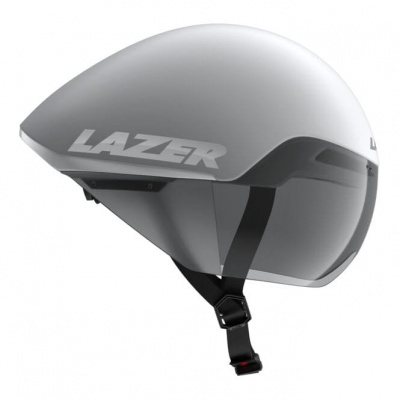
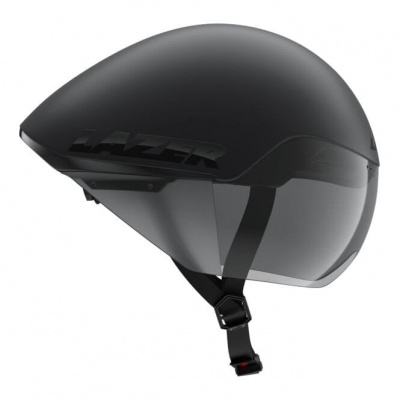
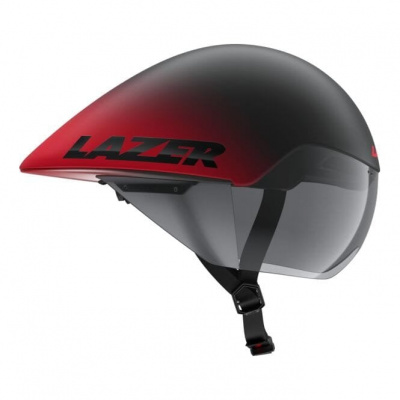
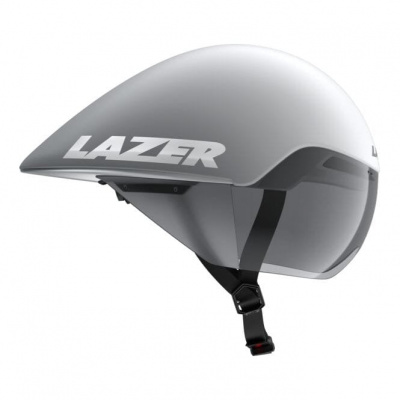
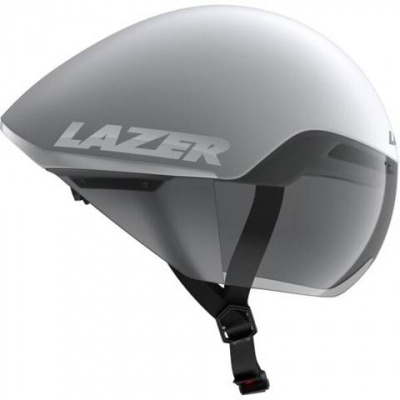
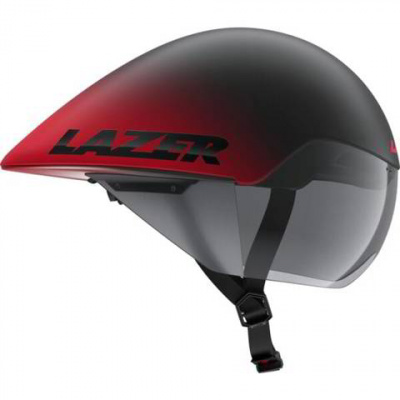
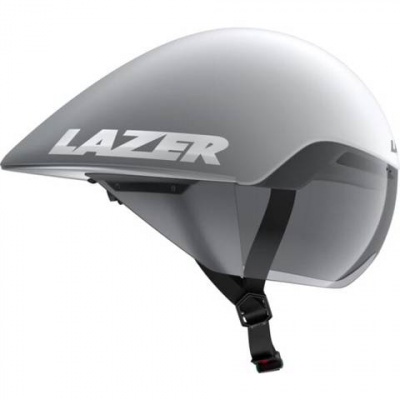
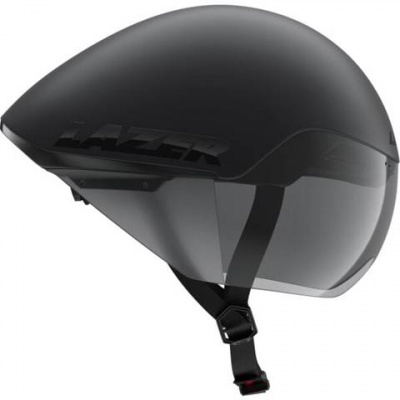
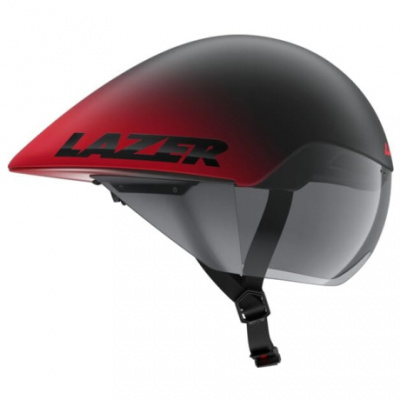
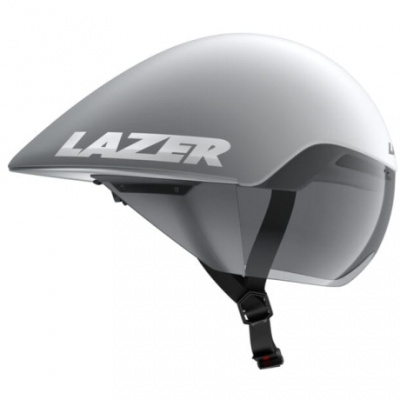
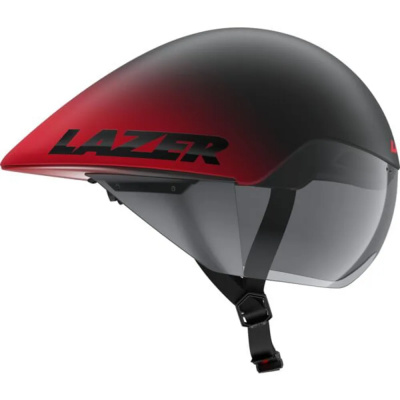
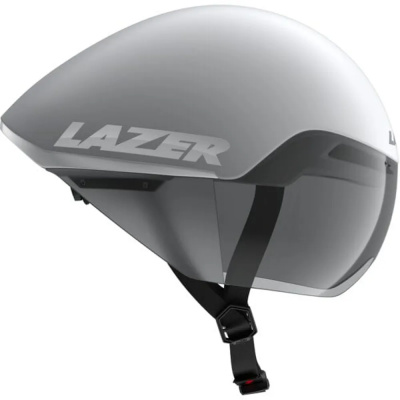
Lazer Aero TT Helmets sit at the sharper end of the speed equation - designed for riders who've already sorted their position and want the hardware to match. Lazer has spent decades developing alongside WorldTour teams, and that work filters directly into helmets built around one idea: reducing drag without turning every ride into a sweaty, fogged-up ordeal. These aren't helmets that just look fast. They're wind-tunnel tested shapes, refined to close the air gap between your head and the slipstream behind you.
At the heart of the range is KinetiCore - Lazer's integrated rotational impact protection that replaces traditional foam liners with built-in crumple zones. It's lighter, and it handles the rotational forces that straight-line impacts miss. You get meaningful safety technology without the weight penalty you'd expect. Pair that with the Advanced TurnSys fit system and panoramic magnetic visors, and you've got helmets that work as hard in transition as they do on the bike.
Whether you're chasing a personal best on a blustery A-road 10 or lining up for a middle-distance triathlon, the Lazer TT range gives you a genuine aerodynamic profile backed by measurable, watts-saved performance - not just marketing copy.
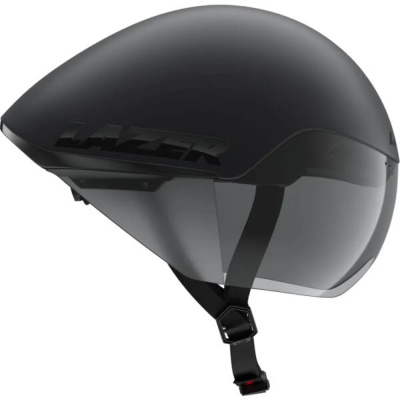
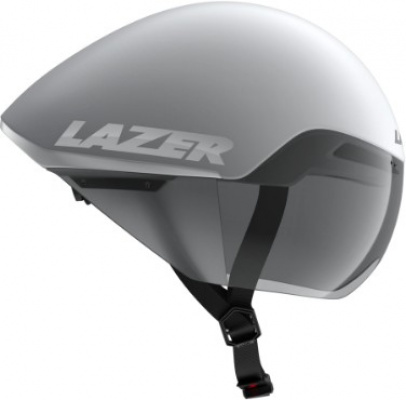
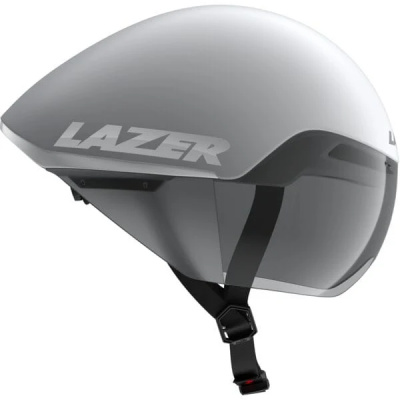
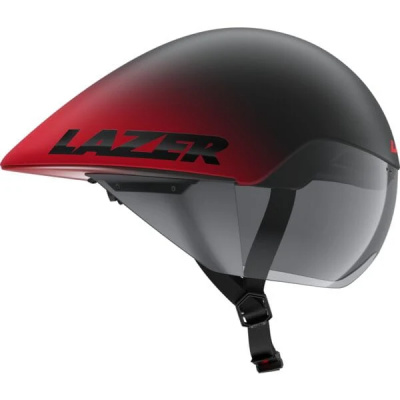
Prices and availability can change quickly. Delivery charges are not always included in listed prices.
Final price, stock status and delivery terms are set by retailer. We may receive a commission on purchases made.
Wind Tunnel Performance and the Safety Tech Behind It
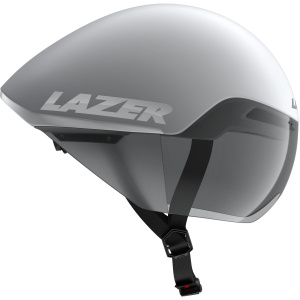
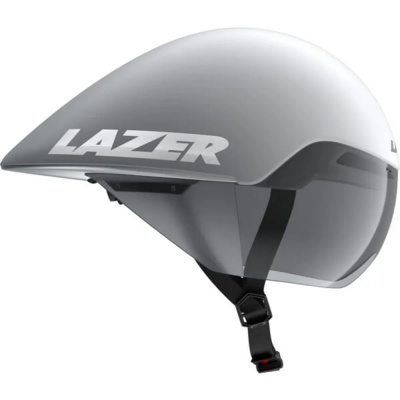
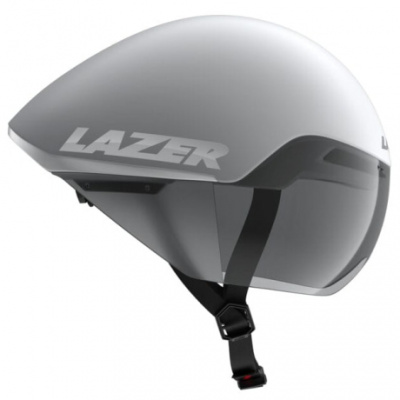
The aerodynamic profile of a TT helmet is doing two jobs at once: managing airflow over your head and shedding it cleanly off the tail. Lazer's range splits into two distinct approaches - short-tail designs like the Victor and long-tail designs like the Volante - and which one suits you depends almost entirely on how still your head stays under effort.
Long-tail designs are the more aggressive choice. When the tail sits flush against your back in a static aero tuck, the aerodynamic boundary layer stays attached longer, and the drag numbers are lower. That's the theory, and the wind tunnel backs it up. But tails are unforgiving. Look down at your computer, glance at a wheel ahead, and the tail lifts - suddenly you're creating turbulence rather than reducing it. A short-tail helmet like the Victor sidesteps that entirely. The aerodynamic profile is slightly less optimised in a perfect static position, but it stays consistent across a range of head angles. On a course with junctions, roundabouts, or crosswinds funnelling off exposed embankments, that consistency matters more than peak tunnel numbers.
KinetiCore is woven into both profiles. Rather than adding a separate MIPS liner, Lazer integrates crumple zones directly into the shell structure. The result is rotational impact protection that adds almost nothing to the overall weight - the kind of detail that matters when you're trying to keep your kit list lean. It's a genuinely different approach from the standard foam-plus-slip-layer construction you'll find across much of the market, and it works without the slight looseness some riders feel from traditional rotational systems.
For comparison, Giro Aero TT Helmets and KASK Aero TT Helmets take their own approaches to the drag reduction problem - worth a look if you want to see how different brands balance tail length against real-world usability.
Fit, Visor Integration, and Getting the Tuck Right
A TT helmet that fits perfectly stood upright in your hallway can feel completely wrong the moment you drop into your bars. That's the trap. When you're in an aggressive tuck, your head tips forward, the rear of the helmet rises, and any gap between the tail and your back becomes a turbulence pocket. The Advanced TurnSys fit system addresses this by letting you micro-adjust the retention cradle until the helmet sits correctly in your actual riding position - not just in a neutral stance.
The process is worth doing properly. Clip in on a turbo, get into your aero position, and make the adjustments there. You're looking for a snug fit with no pressure points on the crown, and the tail should track your back as closely as possible. If you're unsure on sizing, Lazer's aero helmet sizing guide points you toward measuring your head circumference and cross-referencing against the TurnSys adjustment range for each model - don't assume your road helmet size carries across directly.
The panoramic magnetic visor is one of the more practical details in the range. It snaps into place cleanly, seals the face opening to smooth airflow across the front of the helmet, and - crucially for triathlon - comes off fast. In T1, you're not fiddling with clips or levers; the magnet releases with a straightforward pull. For triathletes specifically, that transition speed adds up. Clear and tinted lenses are typically available, which matters when you're racing under variable UK skies where the light can shift completely between the swim exit and the far end of the bike course.
Looking for everyday road protection or off-road gravity riding? Explore our full range of Lazer Helmets or the heavy-duty Lazer Full Face Helmets.
What UK Conditions Actually Demand From a TT Helmet
British time trialling has its own character. A lot of the classic courses run on exposed dual carriageways and A-roads where crosswinds aren't occasional - they're part of the event. A long-tail helmet in those conditions asks a lot of your neck. The tail catches the wind like a sail when it's not sitting flush, and over 25 miles of sustained effort that lateral force builds into real fatigue. Short-tail designs reduce that leverage significantly. It's one of the clearest practical arguments for the Victor-style profile on typical UK club events.
Visors and anti-fog treatments are equally relevant here. Early-morning race starts in June can still be damp and cool enough to fog a visor before you've cleared the start line. Lazer's ventilation channels help manage the humid air that builds inside the helmet during hard efforts, and treated visors resist fogging through the temperature shifts you get moving from a cold car park into race pace. Neither detail sounds glamorous, but both affect whether you can actually see where you're going at 30mph.
Summer humidity is the other variable. A fully enclosed aero shell with no ventilation is brutal on a warm day, and overheating affects performance long before it becomes a safety concern. Lazer's TT helmets balance the aerodynamic profile against strategic ventilation to keep air moving - not as open as a road helmet, but enough to make a long effort manageable rather than miserable. If you're racing a MET Aero TT Helmet and finding it too warm, the Lazer range is worth comparing directly on that point.
Don't overlook visibility kit either - Lazer Lights pair neatly with the helmet range if you're doing early-morning or late-evening training rides around race season.
Lazer Aero TT Helmets FAQs
How many watts does a Lazer aero helmet save?
It varies with your position and speed, but switching from a standard vented road helmet to a Lazer TT helmet can save in the region of 10 - 15 watts. Across a 25-mile time trial that's a meaningful time saving - the kind of free speed that's genuinely hard to find elsewhere without spending significantly more on other kit.
Are Lazer aero helmets suitable for triathlons?
Very much so. The panoramic magnetic visor releases quickly in transition, and the TurnSys dial lets you loosen the fit fast if needed. Short-tail models are particularly practical for triathlon because they stay aerodynamically consistent even when your head position drifts as fatigue builds on a long bike leg.
How should a Lazer time trial helmet fit in the aero position?
Fit it on a turbo, not standing in front of a mirror. Drop into your actual tuck, then adjust the TurnSys cradle until there are no pressure points and the tail tracks as close to your back as possible. A gap between the tail and your spine creates turbulence - it's worth taking ten minutes to get this right before race day.