
Lapierre Road Bikes
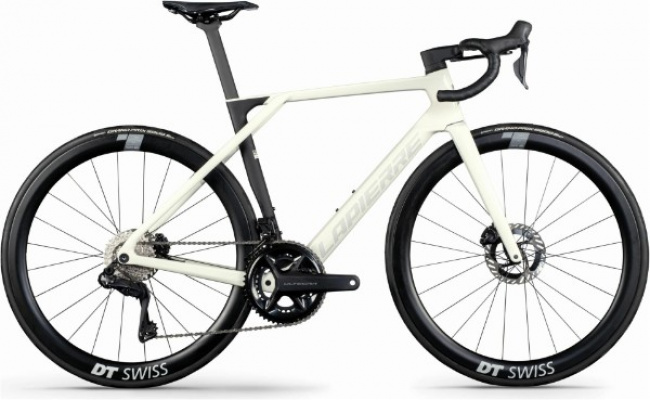
Lapierre road bikes arrive with proper racing credentials behind them - the Dijon brand has supplied the Groupama-FDJ professional team for years, and that partnership has pushed genuine engineering decisions into every frame rather than just the marketing copy. These aren't bikes dressed up to look fast; the distinctive silhouettes actually do mechanical work.
The range splits cleanly into three families: the Xelius SL for riders who want a lightweight, all-round race tool; the Aircode DRS for those chasing aero efficiency on faster, flatter roads; and the Pulsium for anyone who wants pro-level performance without their spine staging a protest after four hours on lumpy B-roads. Whether you're grinding up a Yorkshire moor or clipping along a fast sportive circuit, there's a Lapierre carbon road bike that's been shaped around that specific demand.
Trim levels run from 5.0 up through 7.0 and 9.0, with higher numbers bringing lighter UD SLI carbon layups and better Shimano or SRAM groupsets - so the range scales sensibly with your budget without the architecture changing underneath you.
Lapierre also make electric road bikes - the e-Xelius and e-Pulsium - but that's a different conversation. You'll find those covered in full on the Lapierre E-Bikes page.
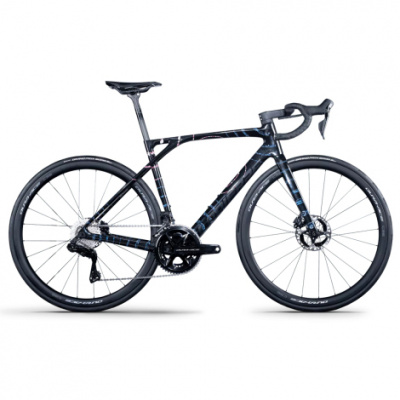
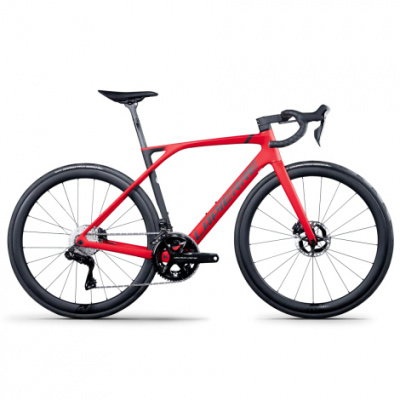
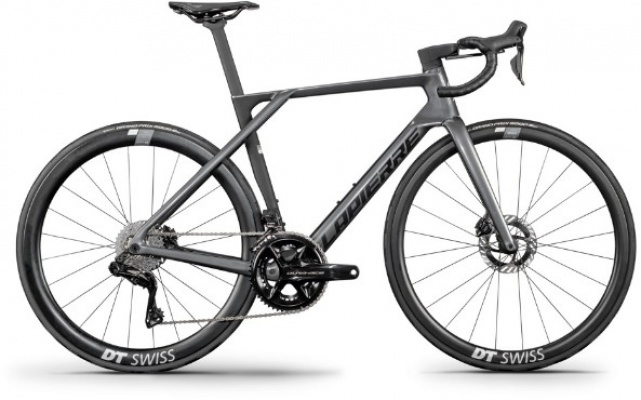

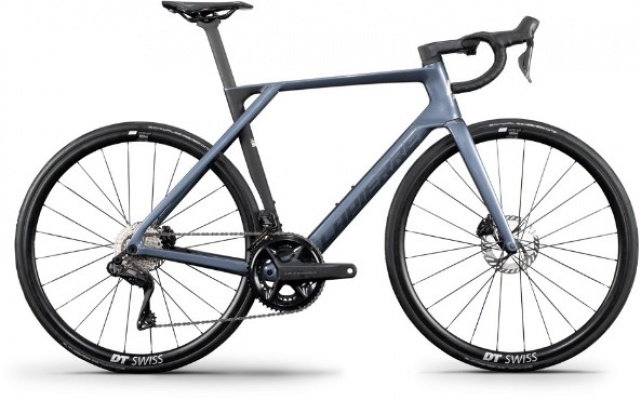

Prices and availability can change quickly. Delivery charges are not always included in listed prices.
Final price, stock status and delivery terms are set by retailer. We may receive a commission on purchases made.
Mapping the Three Road Families
Start with the Xelius SL. It's Lapierre's lightweight all-rounder - the bike the climbers on the Groupama-FDJ roster lean on when the road goes upward and stays there. UD SLI carbon (Super Light Innovation) uses an optimised layup process to shed grams without hollowing out the stiffness where it matters most: the bottom bracket and head tube. You feel that in accelerations. Surges feel immediate rather than elastic, which counts when a group ride suddenly goes from chatting pace to full gas.
The Aircode DRS is the aero option. Tube profiles are shaped to manage airflow, and Symbiosis Aero Integration - Lapierre's fully hidden cable routing system - keeps the front end clean. No exposed housing catching wind, no cluttered cockpit. It's a meaningful detail on a bike type where marginal gains genuinely stack up, and it's shared across the Aircode and the top-end Xelius builds. If your roads are flatter and your targets involve chasing times rather than cols, the Aircode is the logical pick over something like a Cervélo road bike at a similar price point.
Then there's the Pulsium. Endurance geometry, longer wheelbase, a slightly taller front end - it asks less of your back and neck over big distances. The 3D Tubular technology does specific structural work here (more on that below), and disc-brake versions clear up to 32c tyres. That matters in the UK. Running a wider tyre through winter or on a lumpy Gran Fondo course is a straightforward way to take the edge off rough tarmac without compromising pace. Trim levels follow the same 5.0, 7.0, 9.0 ladder as the rest of the range - Shimano Ultegra Di2 sits in the middle of that stack and represents where most riders find the groupset genuinely justifies the spend.
What the Frame Engineering Actually Does
The headline technology across the Pulsium and Xelius is 3D Tubular technology, and it's worth understanding rather than glossing over. In a conventional frame, the seatstays connect directly to the seat tube near the bottom bracket area. Lapierre routes them differently: the seatstays bypass the seat tube entirely and attach higher, directly to the top tube. That freed seat tube acts more like a leaf spring - it can flex fore and aft independently, absorbing vibration before it reaches you.
On a smooth circuit that barely registers. On a cracked-up B-road in Derbyshire or a cobbled sector during a sportive, it's the difference between arriving at the finish feeling worked versus feeling battered. This isn't a geometry trick or a marketing angle - it's a structural decision that shows up in ride feel. You're getting compliance without the frame going vague; the bottom bracket area stays locked down because the stiffness is engineered in where it belongs, not traded away for comfort higher up.
UD SLI carbon reinforces that balance. The layup is tuned section by section - stiffer fibres around the BB shell and head tube, more compliant construction in the seat tube and stays. It's the kind of thing that separates a properly developed frame from one that's just had weight removed indiscriminately. Compare that approach to a brand like BMC, whose ICS system pursues a similar comfort-without-compromise brief through different geometric means - both are valid routes, but the Lapierre solution is more visually distinct and, for many riders, more intuitive to understand.
Getting the Most from a Lapierre on UK Roads
Practically speaking, the Pulsium's 32c tyre clearance on disc models is worth using. A 30c or 32c tyre at sensible pressure transforms how the bike handles the kind of chip-seal and potholed lanes that make up most UK riding outside city centres. Don't leave it on the skinny rubber it ships with if your roads are rough - a tyre swap costs little and changes the experience significantly.
The integrated headsets and fully hidden cable routing on the Aircode and Xelius look clean but need more attention than a conventional setup. UK winter grit finds its way into every gap. Flush the headset regularly, keep the cable ports sealed when possible, and give the bottom bracket shell a proper check at the start and end of winter - press-fit BBs and road salt are a combination that rewards preventative maintenance rather than reactive fixes. Keeping a set of Lapierre hangers and drop outs in the garage is sensible regardless of which model you're running - proprietary parts on a French frame aren't always easy to source quickly from a local shop.
For riders considering the Xelius SL on steep, punchy climbs - the kind you'd find in the Peak District or on the North York Moors - the lightweight construction pays off most on repeated short efforts. It's not as single-mindedly aggressive as something from Giant's TCR line, but it carries more comfort for long days out, which is often the more honest fit for UK riding where the climbs rarely last long enough to punish the extra few grams. The Lapierre Xelius vs Aircode decision usually comes down to one question: are you racing crits and flat sportives, or are you riding mixed ground where weight and compliance both matter? The answer usually points clearly to one or the other.
Lapierre endurance road bikes like the Pulsium are increasingly popular for riders stepping up to longer events - audax, Gran Fondo, or just big weekend rides - where a race bike's geometry becomes a liability by hour three. The disc-brake versions handle winter riding comfortably with the right rubber fitted, and the frame holds up well to the kind of mixed-conditions use that most UK cyclists actually do, rather than the fair-weather-only riding that race-geometry bikes quietly assume.
Lapierre Road Bikes FAQs
Are Lapierre road bikes any good?
Yes, genuinely. Lapierre's long-standing relationship with the Groupama-FDJ professional team has filtered real engineering decisions into their consumer frames - this isn't badge-engineering. The 3D Tubular and UD SLI carbon construction give their bikes a coherent identity: stiff where you need power transfer, compliant where you need to last the distance. They compete comfortably with similarly priced frames from established European brands.
What is the difference between the Lapierre Xelius and Pulsium?
The Xelius SL is a lightweight, all-round race frame - shorter head tube, more aggressive stack-to-reach ratio, built around climbing and sharp accelerations. The Pulsium is the endurance model: more relaxed geometry, taller front end, and enhanced vibration damping via the 3D Tubular design. The Pulsium also offers wider tyre clearance on disc builds, making it the more practical choice for UK roads and longer events.
What is Lapierre's 3D Tubular technology?
It's a frame design where the seatstays bypass the seat tube and connect directly to the top tube instead. That leaves the seat tube free to flex fore and aft like a leaf spring, absorbing road vibration before it reaches the rider. The bottom bracket area stays rigid for power transfer - the compliance is isolated to exactly where it improves comfort, not spread through the whole frame.