
Kx Wheels Road Wheels
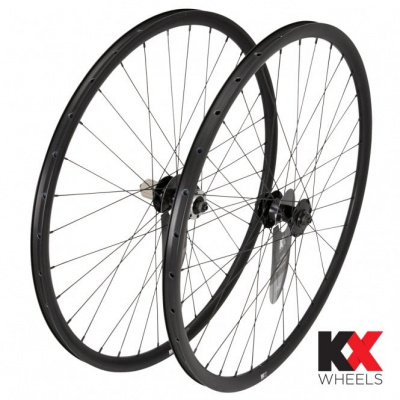
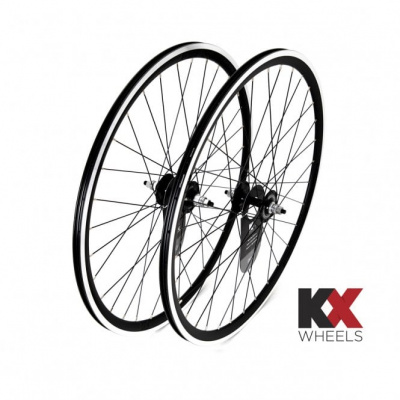
KX road wheels cover a lot of ground - from no-nonsense alloy training hoops that laugh off a salty January commute to deep-section carbon fiber race wheelsets that make a Sunday chain gang feel very different indeed. The range is built around three practical priorities: aerodynamic efficiency where it genuinely pays off, rolling speed you can feel straight out of the car park, and the structural durability to handle Britain's B-roads without flinching.
Every modern KX wheelset uses high-engagement sealed cartridge bearing hubs, which means smooth, responsive power transfer and less grief when grit gets into the equation. The tubeless-ready rim beds are optimised with proper bead hooks - not an afterthought - so you can ditch the inner tubes, drop your pressures, and stop dreading the glass-strewn stretch on the commute home. Aerodynamic rim profiles are shaped to stay predictable in crosswinds, which matters when you're exposed on an open ridge road and a gust decides to get involved.
Whether you're speccing a fast summer wheelset or something that'll survive a winter's worth of road salt and potholes, there's a KX option worth comparing. We've pulled together everything you need to pick the right one.
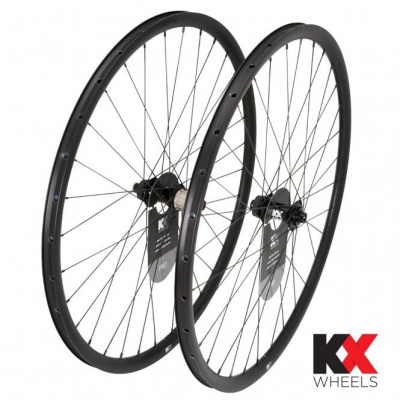
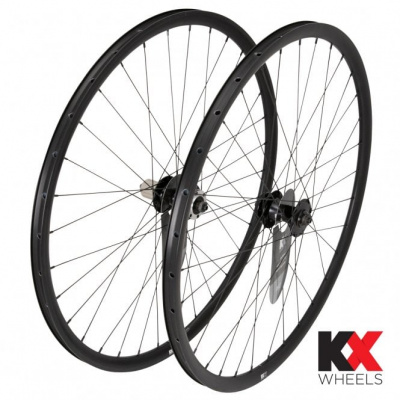
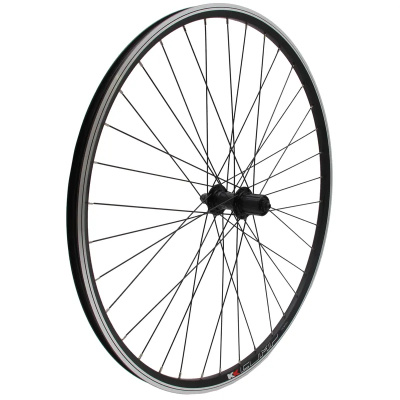
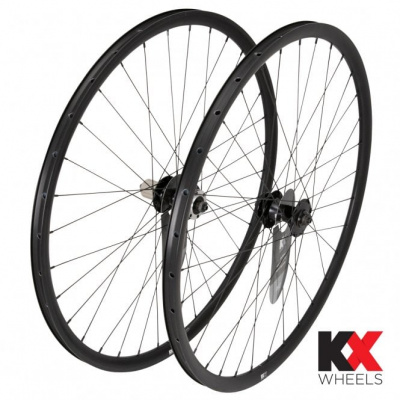
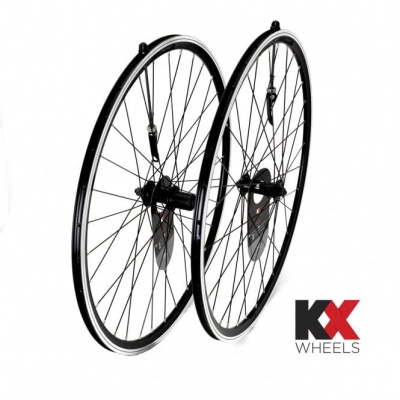
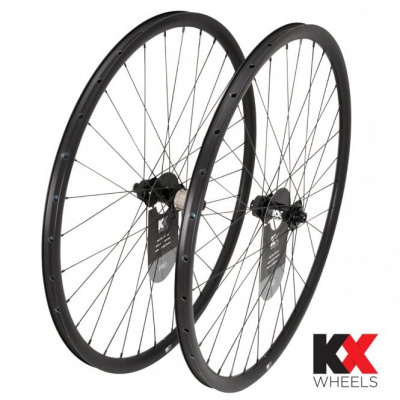
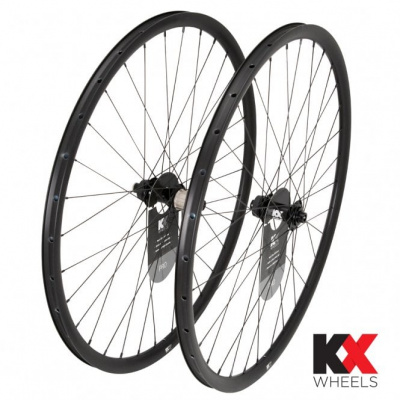
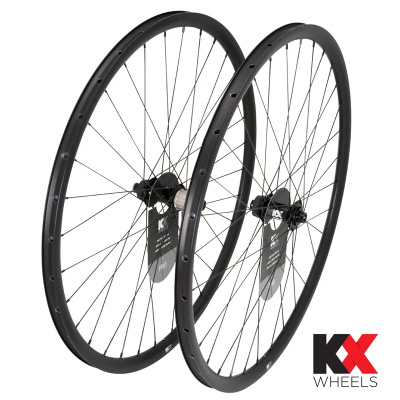
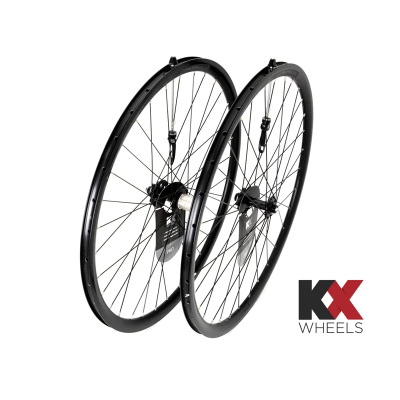
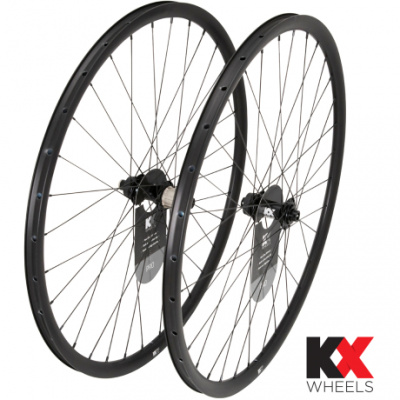
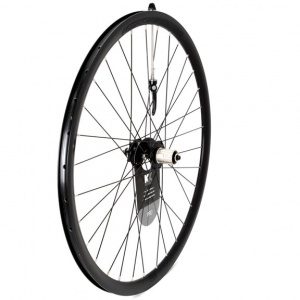
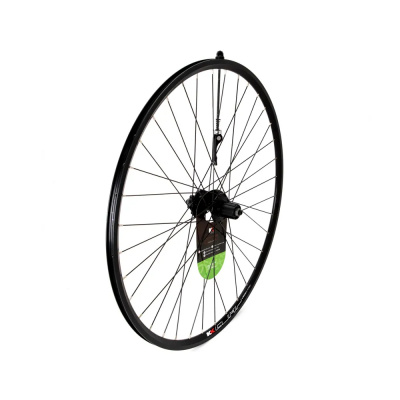
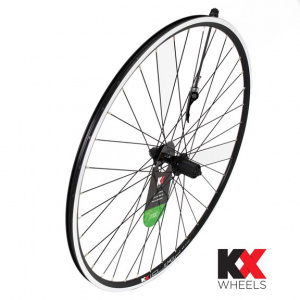
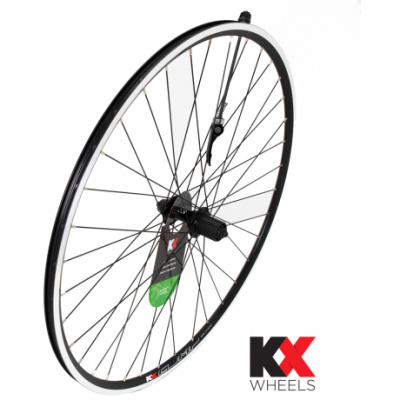
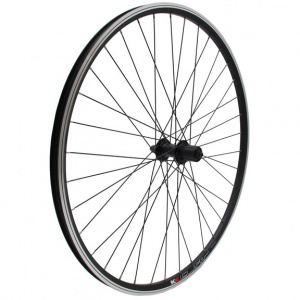
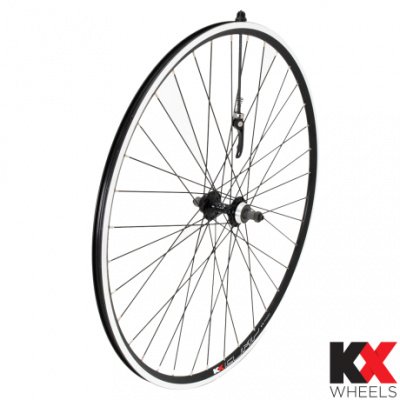
Prices and availability can change quickly. Delivery charges are not always included in listed prices.
Final price, stock status and delivery terms are set by retailer. We may receive a commission on purchases made.
Compatibility: Axles, Brake Standards, and Tyre Widths
Get this bit right before anything else. The majority of current KX road wheels are built around modern thru-axle standards - 12x100mm at the front, 12x142mm at the rear - which is what most disc-equipped road and endurance bikes have used for the past several years. If your frame still runs quick-release, check the KX range carefully; there are options, but they're fewer, and it's worth confirming before you get excited about a carbon wheelset.
On the brake side, KX disc brake road wheels typically use centerlock disc rotor mounting. That's the splined interface you tighten with a lockring, and it's arguably the more precise standard of the two. If your caliper is set up for a 6-bolt rotor, a simple centerlock-to-6-bolt adaptor sorts it - no drama. Rim brake models remain in the range for older bikes, though the disc options now dominate the catalogue.
Internal rim width is where a lot of riders get caught out. Wider internal rim widths - typically 19mm to 21mm on KX road models - are optimised for 25c to 30c tyres. Running a 28c on a properly matched rim gives you a more rounded tyre profile, better grip, and lower rolling resistance at equivalent pressure. Going narrower than the rim's recommended minimum can cause handling issues, so match your tyre to the internal width rather than just grabbing whatever's on offer. More on tyre compatibility in the FAQ below.
If you need to swap your hub standard for Shimano HG, SRAM XDR, or Campagnolo, visit our KX Wheels hub spares page for freehub body options. That's a separate conversation from choosing your wheelset, and we've kept it separate deliberately.
From Alloy Clinchers to Carbon Aero: The KX Range Explained
The KX road wheel lineup splits fairly cleanly into two camps, and knowing which one you're shopping in saves a lot of scrolling.
At the entry level, alloy clincher wheelsets do exactly what you need them to do through October to March. They're heavier - usually in the 1,700g to 1,900g range as a pair - but they're tough, they're repairable, and they don't make you wince every time you hit a pothole on a dark Tuesday morning. Spoke tension holds well on quality alloy rims, and the sealed cartridge bearing hubs mean you're not rebuilding cones after every wet ride. These are the wheels you actually use, rather than the ones you protect.
Step up into KX carbon fiber road wheelsets and the dynamic shifts noticeably. Rotational weight drops, which makes itself felt on long climbs and repeated accelerations more than on flat cruising - it's not magic, but it is real. The deeper aerodynamic rim profiles - typically 40mm to 60mm depth - start returning meaningful speed gains above 35kph, which is where they spend most of their time on a rolling road loop or a fast sportive. KX's optimised aerodynamic rim profiles are shaped specifically for crosswind stability, so a 50mm carbon wheel here isn't the sail it might have been on an older design. That said, on genuinely exposed routes - think the Lancashire coast or the Fens on a blustery day - a shallower 35mm to 40mm rim keeps things more manageable.
Hub internals improve as you move up the range too. Higher-engagement ratchet mechanisms mean less dead travel when you snap out of a corner and accelerate. You feel that. The KX tubeless-ready rim beds are consistent across the carbon range, with optimised bead hooks that make tubeless setup more predictable than on some rival designs. Compared to something like Mavic road wheels or Fulcrum road wheels, KX tends to position on value-per-gram rather than brand heritage - you're paying for the product, not the sticker.
If your riding is heading off-tarmac onto gravel or rough tracks, the road range isn't the right tool. Take a look at KX gravel wheels instead - built for exactly that kind of mixed-surface work with the clearances and rim profiles to match.
Keeping KX Wheels Running Through a British Winter
UK roads are hard on wheels. Salt gets into alloy nipples and starts the corrosion process faster than most riders expect - by February, you can have seized nipples on a wheelset that was perfectly true in October. The fix is preventative: a light spray of ACF-50 or similar corrosion inhibitor around the spoke nipples before winter, and a rinse-down after rides in heavy brine. It's five minutes of effort that saves a wheel rebuild.
Spoke tension is the other thing worth staying on top of. Potholes - and Britain has a generous supply - apply sharp, asymmetric loads that can detune a wheel faster than gradual wear. If you've hit something significant, run your fingers around the spokes within the next day or two. A loose spoke feels immediately different to a tensioned one. A qualified mechanic can re-tension and true a wheel for not much money; leaving it means the wheel goes further out of true and the rim bed can start to suffer.
For KX tubeless road wheels, sealant top-ups are easy to forget because tubeless just works - until it doesn't. Most sealants dry out meaningfully within three to five months, depending on temperature and how often you ride. Check the volume every couple of months by removing the valve core and using a syringe. A dried-out sealant won't seal a debris puncture on a lane-side stretch of grit, and that's when you'll remember you meant to top it up. Brands like DT Swiss road wheels and Campagnolo road wheels apply here too - tubeless sealant maintenance is universal, not brand-specific.
Bearing service intervals depend on conditions. Summer riders might go a full season without touching hub bearings. Winter riders - especially those who regularly ride in standing water - should check for play every eight to ten weeks. The sealed cartridge bearing hubs on KX wheels are user-serviceable, but replacement cartridges are inexpensive and often the smarter call over trying to repack a worn unit. Keep the drivetrain clean, keep the freehub body free of grit, and a KX wheelset will run well beyond what the mileage alone would suggest.
Kx Wheels Road Wheels FAQs
Are KX road wheels tubeless compatible?
Most current KX road wheels are tubeless ready, with rim beds and bead hooks designed to seat tubeless tyres reliably. To complete the setup you'll need tubeless-specific tyres, rim tape, valves, and a sealant. Some older or entry-level models may still require an inner tube - check the individual product listing to confirm.
What freehub body do I need for KX road wheels?
It depends on your drivetrain. Shimano HG is the most common standard and suits most 8- to 11-speed setups. SRAM AXS groupsets need an XDR freehub body, and Campagnolo runs its own interface. KX hubs use interchangeable freehub bodies, so you can swap standards if your groupset changes - check our KX spares listings for the right fit.
Can I use 28c tyres on KX road wheels?
Yes, and on most current KX road wheels it's actually the better choice. Wider internal rim widths - typically 19mm to 21mm - suit 28c to 30c tyres well, giving a rounder tyre profile, improved grip, and lower rolling resistance. Just confirm the internal width on your specific model and match your tyre accordingly.