
Kx Wheels MTB Wheels
KX MTB Wheels sit at the sharper end of the value-to-performance argument - engineered to balance durability, stiffness, and weight without making you choose just two of the three. Whether you're casing drops at BikePark Wales or grinding out winter miles on Peak District grit roads, these wheelsets are built around a core of tubeless-ready rims and double-sealed cartridge bearings that genuinely cope with what UK riding throws at them. That's mud, grit, wet roots, and the kind of cold that makes cheaper hubs feel like they're packed with cement.
The range covers Boost spacing and standard thru-axle options, 6-bolt and Centerlock rotor mounts, and rim widths suited to everything from nippy XC builds to burly enduro sleds. Internal rim widths vary across the lineup, so there's a sensible match whether you're running 2.2-inch XC rubber or a chunky 2.6-inch enduro tyre. Freehub bodies are interchangeable across the hub range, too - useful if you're switching drivetrains down the line. Browse the listings below, check your axle spacing and rotor standard first, and you'll find a KX wheelset that fits your frame and your riding without any head-scratching.
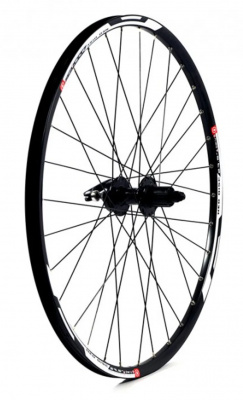
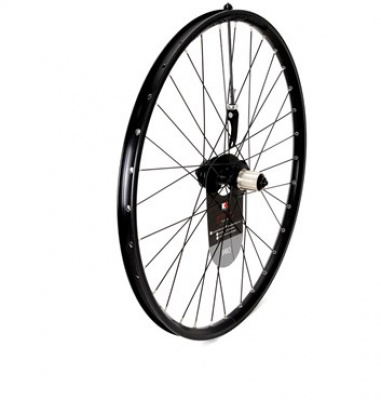
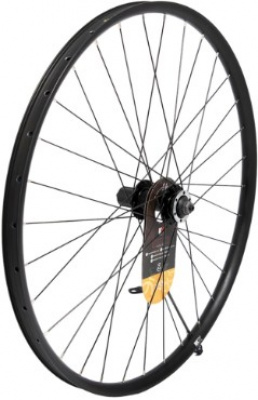
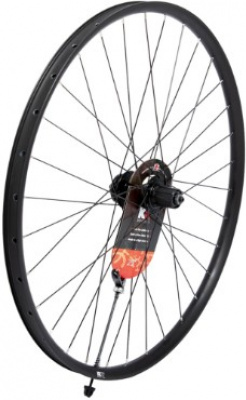
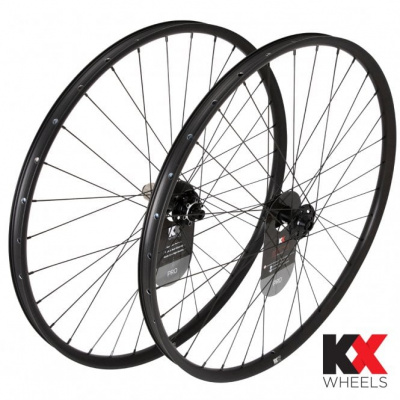
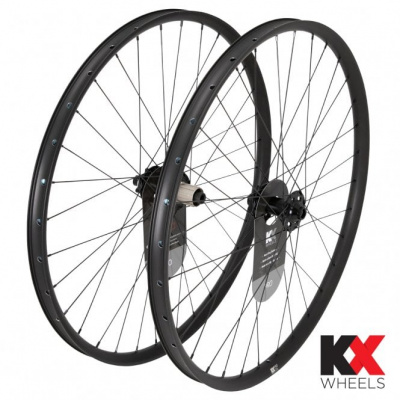
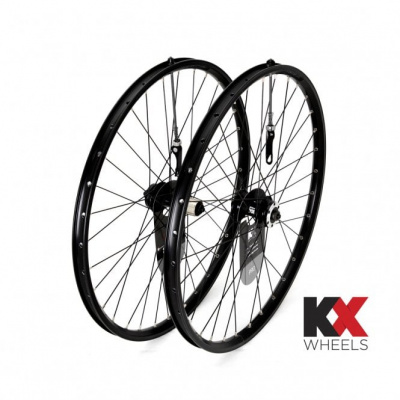
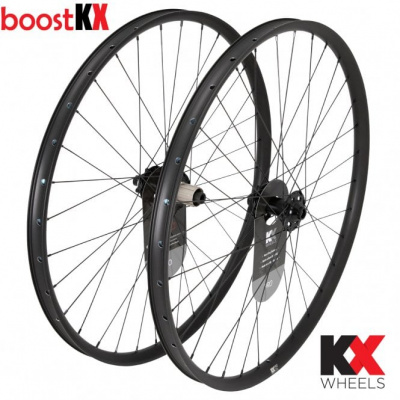
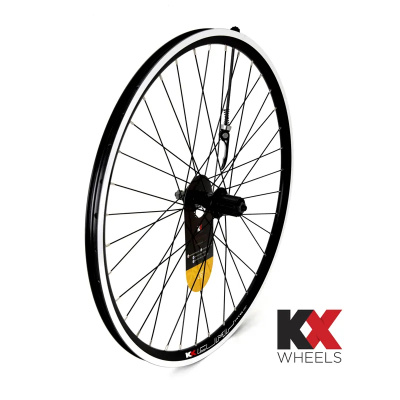
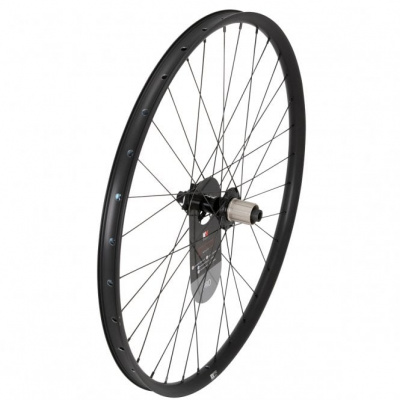
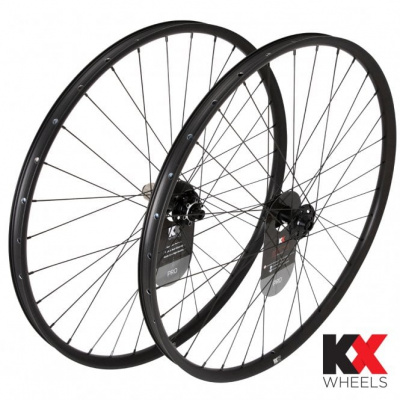
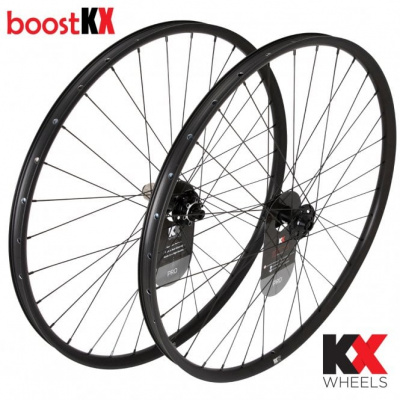
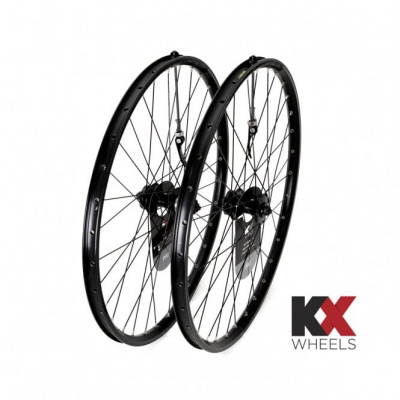
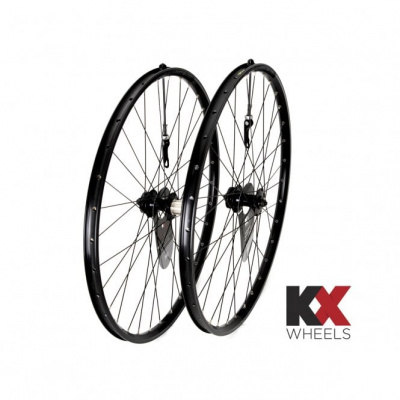
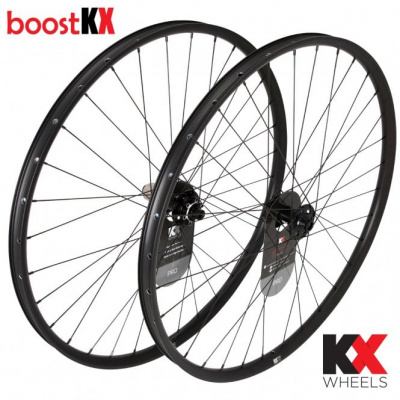
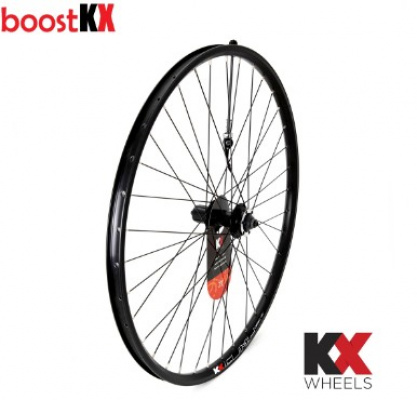
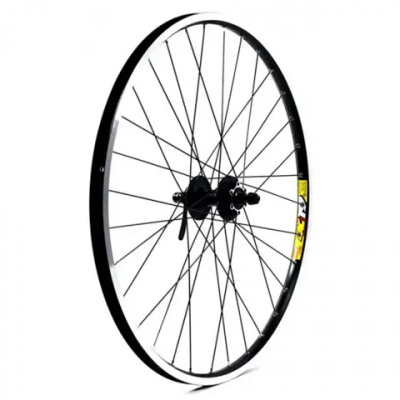
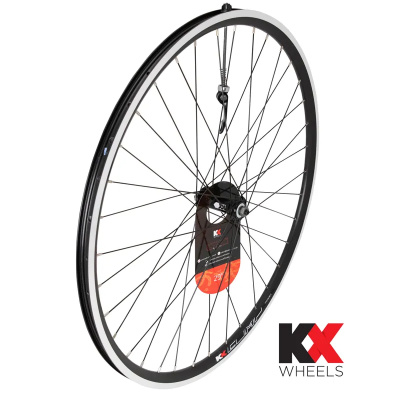
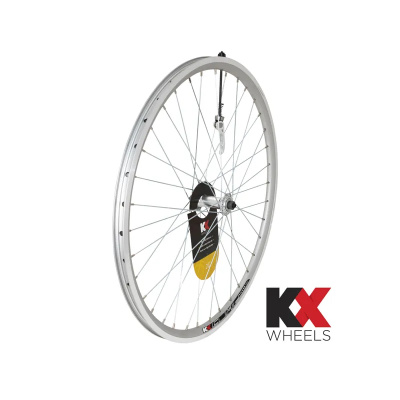
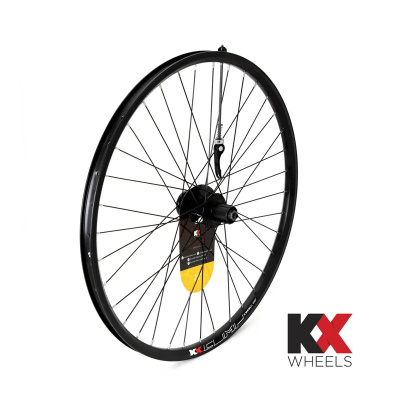
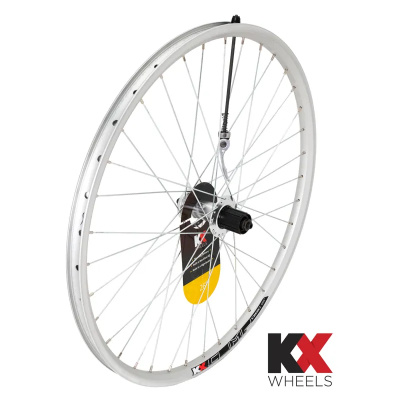
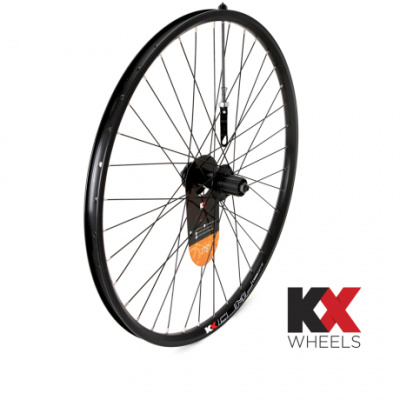
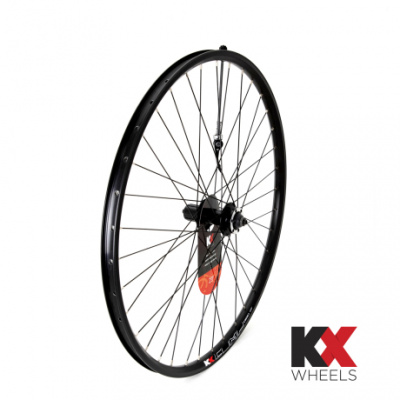

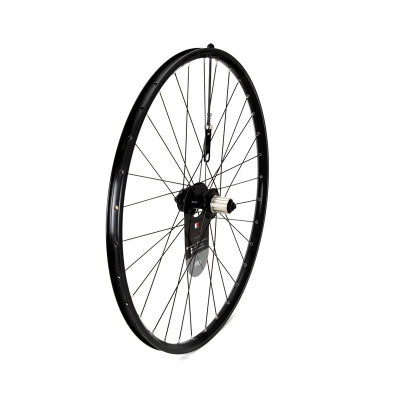
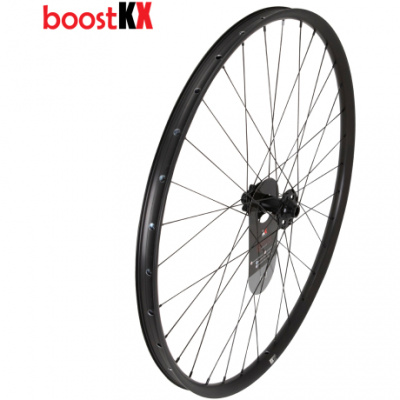
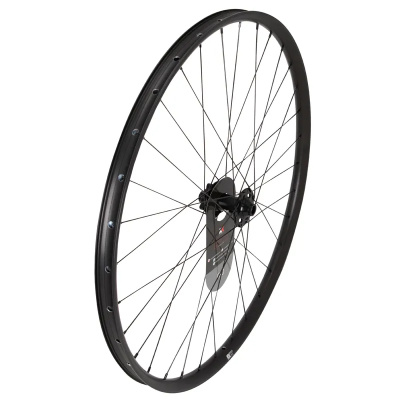
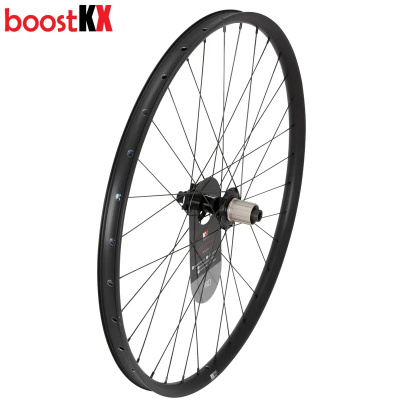
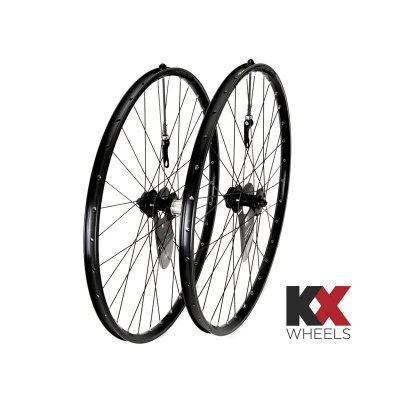
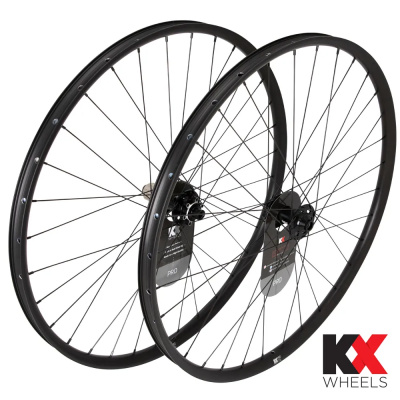
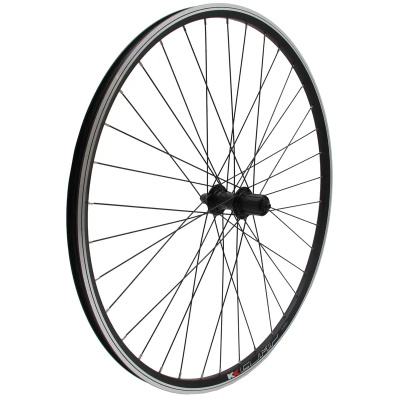
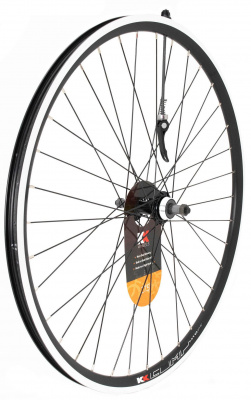
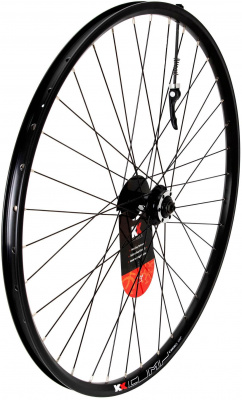
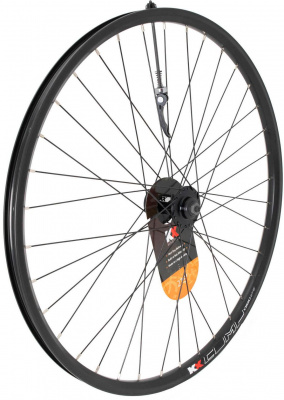
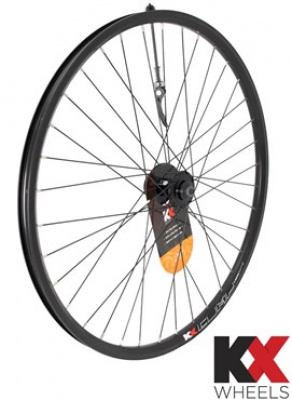
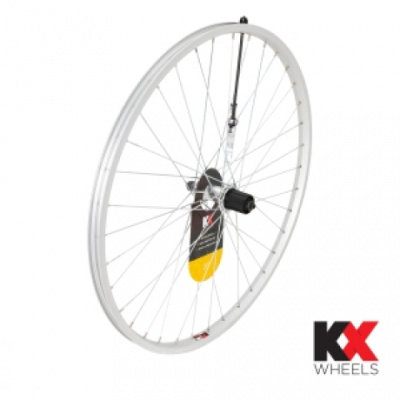
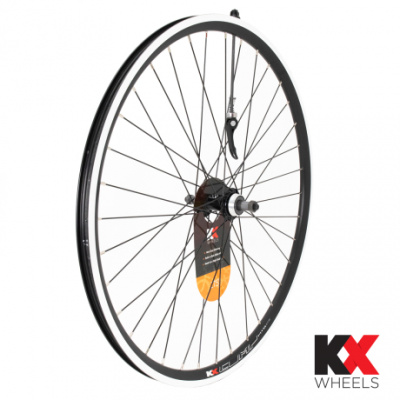
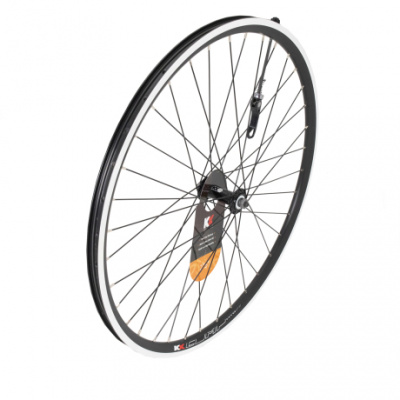
Prices and availability can change quickly. Delivery charges are not always included in listed prices.
Final price, stock status and delivery terms are set by retailer. We may receive a commission on purchases made.
Getting the Fit Right: Axle Standards and Rotor Mounts
Before anything else, check your axle spacing. KX offers wheelsets in both Boost spacing - 148mm rear and 110mm front - and the older non-Boost standard of 142mm rear and 100mm front. Boost is now the default on most trail and enduro frames built in the last five or six years, widening the hub flanges for a stiffer wheel build without adding meaningful weight. If your frame is pre-Boost, you need the non-Boost option; there's no middle ground here, and fitting the wrong spacing can damage your dropouts. Measure twice, order once.
On the rotor side, KX hubs come in both 6-bolt and Centerlock variants. Six-bolt is the more common standard in the UK trail scene - straightforward to set up, widely compatible, and easy to source rotors for on a wet Sunday when yours decides to warp mid-ride. Centerlock uses a splined interface with a lockring, offering faster swaps and marginally better centring, but you'll need a compatible rotor and the right lockring tool in your kit. Neither is wrong; it just depends what rotors you're already running. Thru-axle diameter is almost universally 15mm front and 12mm rear on modern MTB frames, and KX wheels are built around these standards throughout the range.
KX hubs are designed with interchangeable freehub bodies, so swapping between Shimano HG, Micro Spline, and SRAM XD drivers is straightforward if your drivetrain changes. For specific freehub body compatibility and replacement parts, head to the KX Freehub Bodies and Spares section - that's where you'll find the exact driver for your setup rather than guessing here.
Trail Wheels vs Enduro Wheels: What You Actually Get
KX structures its MTB wheel range around two broad use cases, and the differences between them matter more than the price gap alone suggests. The XC and trail-oriented wheelsets lean lighter and narrower - typically 28-30mm internal rim width - which suits 2.2 to 2.4-inch tyres well and keeps the rotating weight down for climbs. These are the wheels for riders who value getting up as much as they care about coming down, and they're well-matched to Halo's trail-focused builds if you're cross-shopping at a similar price point.
Move up to the enduro and gravity-oriented options and the numbers shift meaningfully. Internal rim widths push to 30-35mm or beyond, the sidewalls thicken to resist denting on rock strikes, and spoke counts increase - typically from 28 to 32 holes - to handle the lateral loads of hard cornering and bigger impacts. This is where KX's reinforced alloy and carbon rim extrusions make the most difference, absorbing short, sharp hits rather than transferring them straight to the rim wall. The trade-off is weight: an enduro wheelset will be noticeably heavier than a trail build, which you'll feel on long climbs.
The high-engagement pawl systems in KX's hub range are worth flagging here. Faster engagement means the drivetrain bites almost immediately when you start pedalling out of a corner - the kind of thing you notice on punchy, technical trails where you're constantly on and off the power. It's not universal across every KX model, so check the spec sheet for the specific wheel you're looking at. As a rough rule, the higher the price tier, the more engagement points you'll get. Riders comparing at this level might also want to look at DT Swiss MTB wheels and Hope MTB wheels, both of which offer similarly high-engagement hubs at comparable price points, with different trade-offs around weight and serviceability.
If you run a gravel bike alongside your MTB, it's also worth knowing that KX makes gravel wheels with a shared hub architecture - handy if you want consistent bearing and freehub servicing across your fleet.
Keeping KX Wheels Running Through a British Winter
UK trails are essentially a bearing-wear accelerator. Peak District grit acts like grinding paste inside hub shells; Scottish winter mud gets into every gap you've left unsealed; and cold, wet freehubs can feel almost locked-up on a January morning if water has worked its way in and frozen overnight. KX addresses this with double-sealed cartridge bearings designed for high-torque loads - the double sealing keeps contamination out more effectively than single-contact seals, which matter more the muddier your local loop gets.
That said, no bearing is maintenance-free on a bike that does real miles in real British weather. Pull the axles every few months, wipe the bearing seats clean, and check for any play or roughness before it turns into a full replacement job. Catching a bearing that's starting to feel gritty costs you five minutes; ignoring it costs you a hub. If you're riding regularly through winter, every three months is a reasonable inspection interval.
J-bend spokes bed in over the first rides, and KX wheels benefit from a tension check after roughly 50 miles of proper trail riding. This is especially true for heavier riders or anyone who's thrown the wheels into a few harder landings early on. A spoke key and a basic tension check takes ten minutes and keeps the wheel tracking true - leave it too long and you're chasing a wobble that takes three times as long to fix.
On the tubeless side, KX rims are pre-taped and tubeless ready straight out of the box on most modern models - you're adding valves and sealant, not fighting with tape. Keep an eye on sealant levels, particularly through winter when it dries out faster. On wet, rooty trails where you're running lower pressures to keep grip, a rim with strong bead retention matters; KX's rim profile is designed with this in mind, but burping is still possible if you go too low. A baseline of around 23-25psi rear and 20-22psi front is a sensible starting point for 2.4-inch trail tyres - adjust from there based on your weight and the trail surface. For a road-to-trail crossover perspective on KX's wheel range, their road wheels use some of the same hub technology if you're curious about the broader lineup. Riders who want to compare alternative options at a similar durability level should also consider Mavic MTB wheels, which have a long track record in demanding conditions.
Kx Wheels MTB Wheels FAQs
Are KX MTB wheels tubeless ready?
Most current KX mountain bike wheels come pre-taped for tubeless use straight from the box. You'll need to fit tubeless valves and add your preferred sealant - beyond that, there's no extra prep required. Check the individual product listing to confirm tubeless compatibility on older or entry-level models.
Do KX wheels come with Boost spacing?
Yes - KX offers wheelsets in both Boost (148mm rear, 110mm front) and standard non-Boost (142mm rear, 100mm front) thru-axle spacing. Check your frame and fork dropout measurements before ordering; fitting the wrong spacing isn't something you can bodge around.
Can I change the freehub on my KX wheelset?
KX hubs use interchangeable freehub bodies, so you can swap between Shimano HG, Micro Spline, and SRAM XD drivers without replacing the whole hub. Head to the KX Freehub Bodies and Spares section on Bikesy to find the exact replacement body for your drivetrain standard.