
Krash Kids Helmets
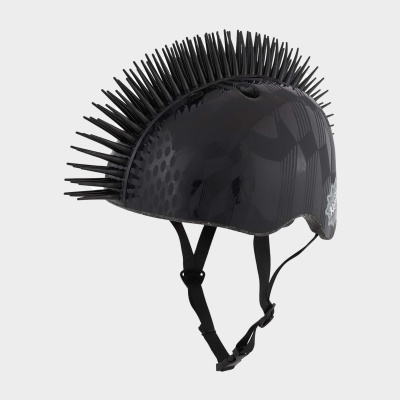
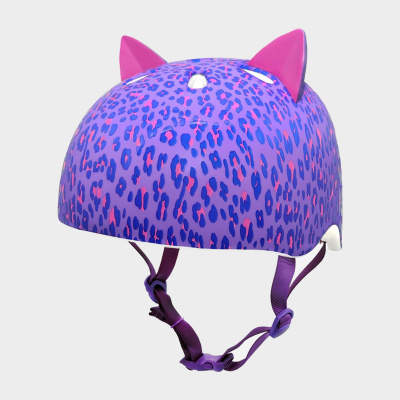
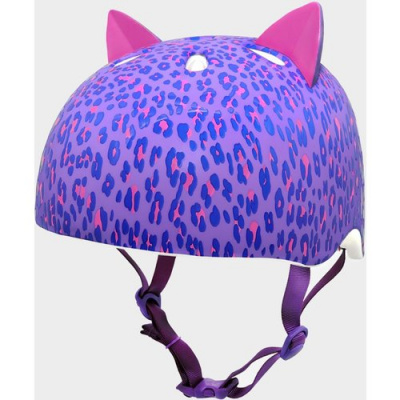
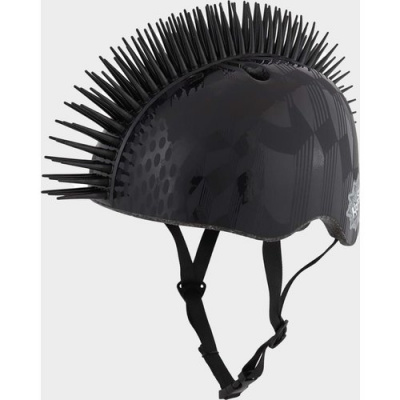
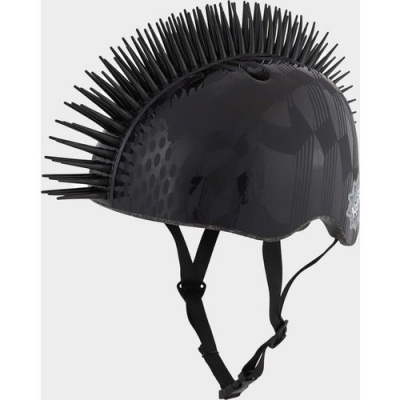
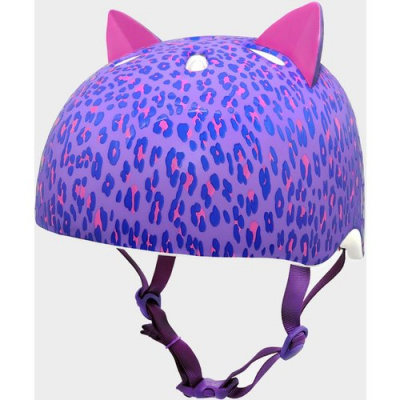
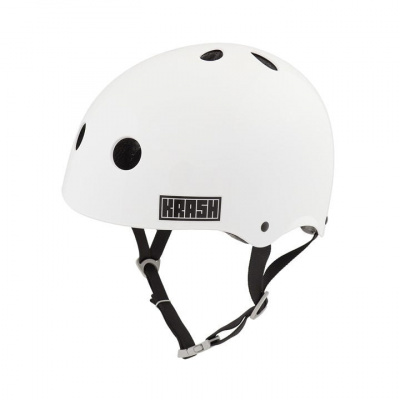
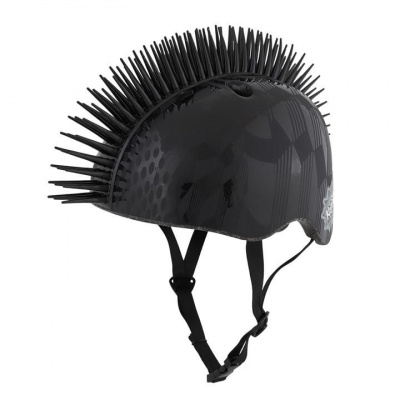
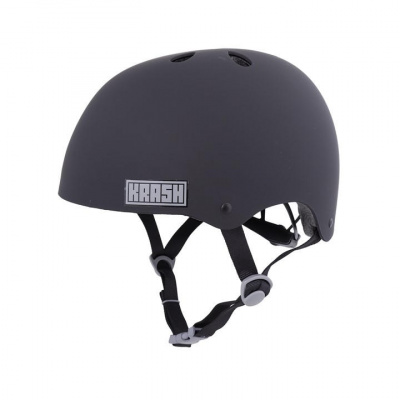
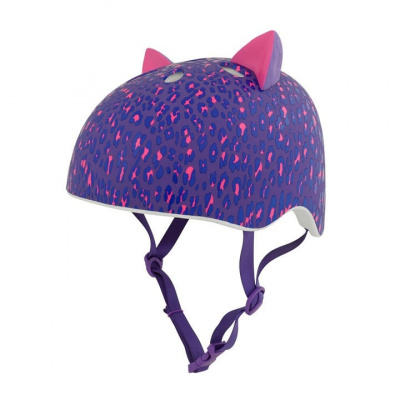
Krash kids helmets tackle the real problem in children's cycling safety head-on: it's not about finding a helmet that meets the standard, it's about finding one your child actually wants to put on. Every Krash helmet carries full CE EN1078 certification, so the protection is genuine and road-legal in the UK. What sets them apart is what's sitting on top - 3D molded TPR features including rubberised mohawks, spikes, and animal-inspired shapes that turn a safety essential into something kids argue over who gets to wear.
Underneath the novelty exterior, the construction is straightforward and solid. A shock-absorbing EPS foam liner handles impact energy in the way you'd expect from a properly certified lid, while aerodynamic cooling vents keep air moving so the helmet doesn't become a sweaty ordeal on longer rides. The adjustable dial-fit retention system means you can dial in a snug, secure fit without a wrestling match at the school gates, and the adjustable chin straps give you further control over the overall position. If getting your child excited about cycling means solving the helmet battle first, Krash has built a genuinely practical answer to that problem.
Prices and availability can change quickly. Delivery charges are not always included in listed prices.
Final price, stock status and delivery terms are set by retailer. We may receive a commission on purchases made.
Safety Construction & Ventilation
Strip away the 3D rubber mohawks and what you've got is a helmet built around a shock-absorbing EPS foam liner - the same core material used across the industry precisely because it works. EPS compresses on impact to absorb and dissipate energy away from the skull, and Krash doesn't cut corners on liner density just because the outer shell is doing something visually interesting. The CE EN1078 certification is the critical detail here. That's the standard required for cycling helmets sold in the UK, covering both impact performance and retention system strength, so you're not trading safety for style.
Ventilation is handled by a set of aerodynamic cooling vents channelled through the shell and liner. On a humid British summer afternoon - the kind where the air feels thick before a storm rolls in off the Channel - adequate airflow genuinely matters for a child who's working hard on a pump track or a long family ride. The vent layout keeps air moving across the head without creating large structural gaps that would compromise protection. It's a sensible balance. Worth noting: the 3D molded TPR features sit proud of the shell and don't obstruct the venting, so the mohawk or spikes don't come at an airflow penalty.
Getting the Fit Right
Forget age brackets as your primary guide. Head sizes vary enormously between children of the same age, and a helmet that's too large will rock forward under braking or on rough ground - neither safe nor comfortable. To size a Krash helmet correctly, take a soft tape measure and wrap it horizontally around your child's head, roughly a centimetre above the eyebrows and level above the ears. That circumference in centimetres is your number. Match it to the Krash sizing chart, and you're starting from the right place.
From there, the adjustable dial-fit retention system at the rear does the fine-tuning. A few clicks tightens or loosens the cradle around the back of the head until the helmet sits firm without pinching - your child should be able to shake their head without the helmet moving independently. The adjustable chin straps complete the picture; the two straps should form a V-shape just below each ear, and the buckle should sit under the chin with about a finger's width of clearance. If it passes that check, the fit is right. Compared to helmets with purely size-specific rigid shells, the dial system means a single Krash helmet can comfortably span a reasonable range of head circumferences as a child grows, which makes the cost per year of use fairly reasonable. If you're weighing up alternatives, Bell kids helmets and Giro kids helmets use broadly similar dial-adjust systems if your child needs a different aesthetic.
Everyday Use & UK Conditions
The 3D molded TPR elements - thermoplastic rubber, for the record - are more durable in day-to-day use than they might look. TPR flexes rather than snapping under knocks, and it wipes clean with a damp cloth after a muddy session on a trail or a splashy school run. The rubber compound doesn't absorb grime the way a painted surface might, which matters when the helmet lives in a bag or is being grabbed by small hands regularly.
The dial-fit system earns its keep through winter, too. On a cold January school run in the kind of grey drizzle that makes you question your life choices, a thin thermal skull cap worn under the helmet is a practical fix for many parents. With a twist of the dial, you can loosen the cradle to accommodate the extra layer, then tighten it back down once spring arrives and the beanie gets retired. That kind of quick, tool-free adjustability is genuinely useful in a country where you can have four seasons in one commute.
Visibility is a quiet benefit of the bold 3D designs. On a dull, overcast British afternoon - the default setting from October through March - a helmet with a high-contrast, dimensional silhouette is easier for drivers and other road users to register than a flat, low-profile shell in a muted colour. It's not a substitute for lights and hi-vis, but it's not nothing either.
For parents comparing across brands, Raskullz kids helmets occupy a similar space with novelty designs, while C-Preme kids helmets are worth a look if you want something leaning slightly more traditional. Lazer kids helmets bring a more performance-focused fit if your child is riding more seriously. Krash sits firmly in the fun-first bracket without sacrificing the safety fundamentals - that's the trade-off in plain terms.
Krash Kids Helmets FAQs
How do I measure my child's head for a Krash helmet?
Wrap a soft tape measure horizontally around your child's head, about a centimetre above the eyebrows and level with the ears. Take that circumference in centimetres and cross-reference it with the Krash sizing chart - always go by measurement rather than the age guidance printed on the box.
Are Krash helmets safety certified for UK roads?
Yes. Every Krash helmet meets the CE EN1078 standard, which is the certification required for cycling helmets in the UK. The EPS foam liner and retention system are both assessed as part of that standard, so the fun 3D exterior doesn't come at the expense of genuine, tested protection.
What age are Krash kids helmets suitable for?
Most Krash helmets are sized for children roughly aged five to eight, typically covering a 50 - 54cm head circumference. That said, head sizes vary a lot between kids of the same age, so always measure first and treat the age guidance as a rough starting point rather than a definitive rule.