
Kinesis Gravel Bikes
Kinesis gravel bikes are designed from the ground up for British riding - not as an afterthought, but as the whole point. Where a lot of gravel bikes are built with sun-baked California fire roads in mind, Kinesis has always had rutted bridleways, persistent drizzle, and lanes that haven't seen a gritter since 2019 firmly in its sights. The result is a lineup that genuinely makes sense here.
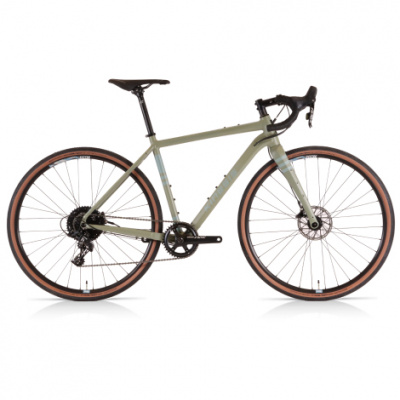
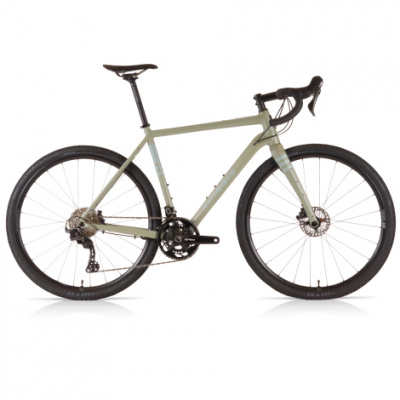
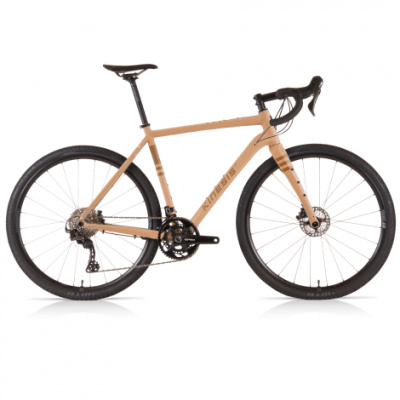
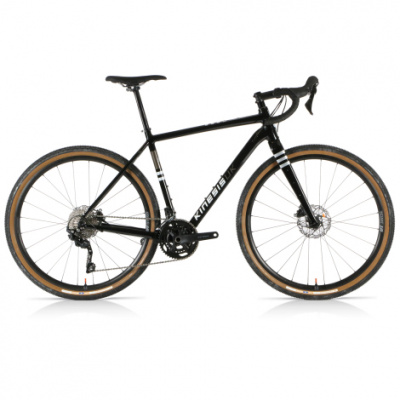
At the accessible end sits the Kinesis G2, an agile all-roader that handles everything from the daily commute to a spirited weekend blast on the South Downs. Step up and you're into the Tripster family: the Tripster AT is the rugged alloy workhorse built for bikepacking and loaded adventures, while the Tripster ATR takes things further with a premium titanium frame that soaks up road buzz and just keeps going. Both Tripster models carry generous tyre clearance - enough to run the kind of chunky rubber that actually matters when the trails turn to peanut butter in November.
Kinesis builds these bikes with meticulous geometry, multiple mounting points for luggage and mudguards, and materials engineered for long-term reliability. Browse the builds below to find the one that fits your riding.
Prices and availability can change quickly. Delivery charges are not always included in listed prices.
Final price, stock status and delivery terms are set by retailer. We may receive a commission on purchases made.
Decoding the Kinesis Gravel Lineup
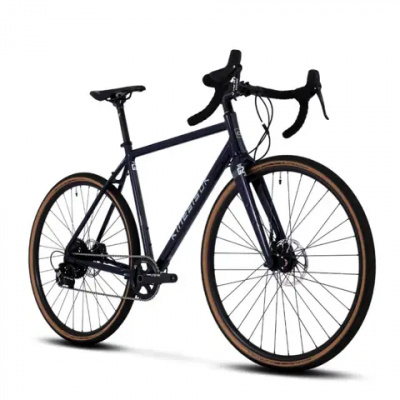
The Kinesis G2 is where most riders start. It's an alloy gravel bike with a composed, confidence-giving geometry that works just as well for a gravel sportive as it does for a loaded lane-bashing commute. Tyre clearance is broad enough to run 40mm rubber without drama, and the flat mount disc setup keeps braking consistent whether you're descending off the North Yorkshire Moors or crawling through a flooded ford in the Brecon Beacons. It's the sensible choice that doesn't feel like one.
The Tripster AT (All Terrain) takes the alloy formula and pushes it toward multi-day adventure. Stiffness where you need it, compliance where you don't, and enough mounts to bolt on a full bikepacking rig without running out of threaded holes. If you're planning a loaded crossing of the Lakes or a week on the Gravel Union routes, this is the bike that's thought about it as much as you have.
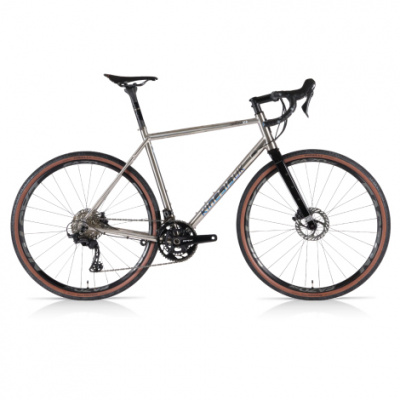
Then there's the Tripster ATR (Adventure Tour Race) - the titanium version, and a different proposition entirely. The frame material alone changes the character of the ride: titanium absorbs high-frequency chatter in a way alloy simply can't match, which matters enormously after six hours in the saddle on broken tarmac. It's a longer-term investment, built to outlast trends and components cycles alike. Looking to build your own custom spec? Head over to our dedicated Kinesis Frames page to view bare framesets.
The Tech Behind the Ride Feel
Kinesis doesn't use off-the-shelf tube sets. Their Kinesium Premium Alloy tubing is a proprietary blend that sits meaningfully above standard 6061 in both strength and stiffness-to-weight terms - so you get a frame that's lighter and stiffer without the harsh, unforgiving character that cheaper alloy can produce. It's the difference between a bike that batters you on a long day out and one that keeps you comfortable enough to actually enjoy it.
On the Tripster ATR, the material shifts to Custom Ti3AL/2.5V Titanium - an aerospace-grade alloy with a specific layup tuned by Kinesis rather than simply bought off a shelf. Titanium at this grade has a natural compliance that works like a slow filter on road vibration. Your hands and back feel it by the end of a long ride. The frame also resists corrosion without any coating, which is quietly useful on a bike that's going to see a lot of British winter.
Geometry across the range uses Kinesis's Rider Fit Design philosophy, which prioritises stability on loose descents without making the bike feel like a barge on tarmac. Reach and stack figures are tuned so you're in a position that's alert enough for technical sections but relaxed enough for long days. Their GWShift (Gravel/Winter Shift) adaptability means the geometry accounts for the kind of riding British cyclists actually do - not just Sunday gravel, but loaded winter miles too. The Columbus Futura fork fitted to several models adds steering precision and keeps the front end planted when the surface gets loose. Flat mount disc throughout means brake upgrade compatibility is broad and future-proof.
If you want a sense of how Kinesis compares to the wider market, Genesis gravel bikes offer a similarly UK-focused approach at comparable price points, while Canyon gravel bikes bring direct-sale German engineering into the mix. Boardman gravel bikes are worth a look if you're prioritising aero efficiency over outright load-carrying versatility.
Living with a Kinesis in the UK
Tyre clearance is the first thing to check on any gravel bike you're planning to use year-round in the UK. Kinesis models typically run to 45mm or 50mm depending on the build - which is the clearance you actually need when you add a set of mudguards and still want room for proper winter tyres. The Tripster AT, for instance, is designed with 45mm-plus clearance and mudguard bosses already in place. That's not a coincidence; it's a deliberate decision for riders who know what January looks like in the Peak District.
Internal cable routing on these frames keeps the muck away from cables and housings, which pays dividends in a wet Welsh lane when externally routed cables would be full of grit by lunchtime. Bottom bracket reliability in wet conditions is worth thinking about too - Kinesis uses a threaded shell on most models, which is easier to service and far less prone to the creaking that press-fit designs develop after a winter of hard use.
For bikepacking, the multiple boss mounts on the Tripster models mean you can run frame bags, top tube bags, fork cages, and a rear rack simultaneously. The geometry is specifically dialled for loaded stability - there's a noticeable difference in how a bike tracks under weight when the geometry has been designed for it versus when it hasn't.
Once you've got the bike sorted, it's worth thinking about the touchpoints that make winter riding more bearable. A set of Kinesis mudguards - particularly their Fend Off range - is the obvious first upgrade for anyone planning to use the bike through autumn and winter. It's the kind of addition that makes a 40-mile ride in October actually enjoyable rather than miserable. Replacing the bar tape with something thicker and more cushioned is another quick win; take a look at Kinesis bar tape for options that work with the brand's own bar shapes. If you're also interested in how Kinesis approach their road builds, their road bike range shows the same geometry philosophy applied to a narrower brief.
Kinesis Gravel Bikes FAQs
Are Kinesis gravel bikes good for bikepacking?
Very much so. The Tripster AT and ATR both come with multiple boss mounts for frame bags, fork cages, racks, and extra bottles - more than most bikes at the price. The geometry is specifically tuned for loaded stability, so the handling doesn't get vague when you're carrying a week's worth of kit.
What is the difference between Kinesis Tripster AT and ATR?
The AT uses Kinesium alloy - Kinesis's own high-grade tubing - for a robust, cost-effective build that suits hard-use adventure riding. The ATR steps up to Custom Ti3AL/2.5V Titanium, which adds natural vibration damping, a livelier long-distance feel, and corrosion resistance that makes it genuinely low-maintenance. It's a material difference that you notice after a full day out.
What size Kinesis gravel bike do I need?
Kinesis sizing broadly follows road conventions, but their sloping top tubes mean standover height can be misleading. Prioritise reach and stack from the geometry chart rather than relying on height alone. If you're between sizes, consider your riding style - longer reach suits aggressive positions, shorter suits comfort-focused setups. The geometry chart on each model page is your friend here.