
Keada Sports Jackets
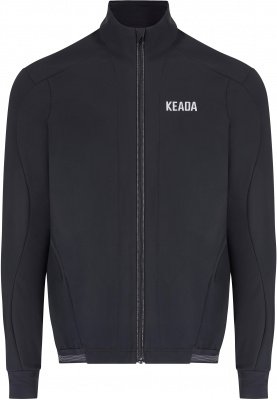
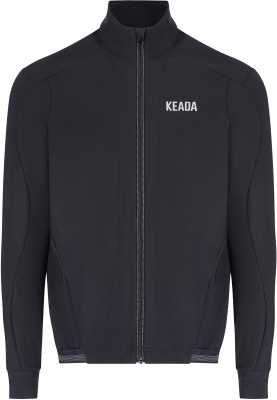
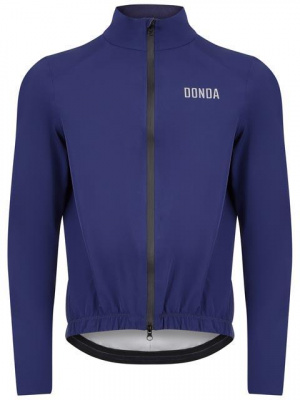
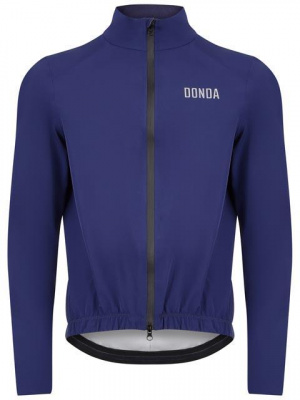
Keada Sports cycling jackets are built around a simple premise: British weather doesn't wait, and neither should you. Whether you're rolling out at first light in November or getting caught on the wrong side of a Welsh valley when the sky turns black, the right jacket is the difference between a decent ride and a miserable one. Keada's range covers the full spectrum - from featherlight packable rain jackets that crumple into a jersey pocket to structured thermal softshells designed for proper winter mileage when temperatures drop and don't recover.
What sets this collection apart is the attention to cycling-specific function. These aren't hiking jackets with a zip added. You get dropped rear hems that guard against road spray, reflective detailing positioned for low-light visibility, and fabrics that actually breathe when the road tilts upward. That breathability matters. A jacket that traps heat on a long climb is only useful for the first five minutes of a ride. Keada's approach - pairing weather-resistant outer layers with breathable constructions - means you stay dry from both directions. Windy commute or grim club run, there's a jacket here that fits the job without getting in the way of the riding.
Prices and availability can change quickly. Delivery charges are not always included in listed prices.
Final price, stock status and delivery terms are set by retailer. We may receive a commission on purchases made.
Fabric Tech and Weather Performance
Keada's jacket range splits broadly into hardshell and softshell constructions, and understanding which you need saves you from buying the wrong tool. Hardshells use breathable microporous membranes - thin layers bonded to the outer fabric that block liquid water molecules while allowing water vapour (your sweat) to escape. On fully taped seam versions, every stitch line is sealed, so heavy rain can't sneak through the needle holes. That matters on a sustained Welsh coast ride or a Scottish winter descent where the rain comes sideways and doesn't stop. Hydrostatic head ratings tell you how much water pressure the fabric can resist before it lets through - the higher the number, the more serious the waterproofing.
Softshells trade some of that waterproofing ceiling for a more supple, comfortable feel and better active breathability. They rely on DWR coatings - Durable Water Repellent treatments applied to the outer fabric - to bead water off the surface before it can saturate the material. In light showers or damp air, a softshell with a fresh DWR treatment performs brilliantly and feels far less restrictive than a hardshell. The trade-off is straightforward: in sustained heavy rain, a softshell will eventually wet out. For mixed-bag days, it's often the more comfortable choice. For proper downpours, the hardshell earns its place.
Both types benefit from Keada's dropped rear hems, which extend further at the back to cover your lower back and the top of your shorts - the area that catches the worst of road spray from your rear wheel. Reflective detailing is worked into the design rather than bolted on as an afterthought, which keeps visibility high during winter commutes and pre-dawn club runs without compromising the jacket's overall look. If breathability on steep climbs is a priority, check for mechanical venting features like underarm zips - they're worth having when the road kicks up sharply and you're generating serious heat.
Fit, Range and Choosing the Right Cut
Keada's jacket range isn't one-size-fits-all in terms of cut. Race-fit options are cut close to the body with shortened sleeves designed to sit just above the glove cuff - the aim is to eliminate any fabric that could catch the wind and flap at speed. That precision fit also means fewer pressure points when you're bent over the bars on a long road day. If you're riding fast or racing, this is the cut that makes sense.
Commuter and club-fit jackets offer a more relaxed profile with a little more room through the shoulders and chest. You can layer a heavier jersey underneath without feeling constricted, and the slightly less aggressive geometry means you're comfortable sitting upright on a hybrid or riding in a more relaxed position. Neither cut is universally better - it depends on how you ride and what you're wearing underneath. Compared to something like Castelli Jackets, which tend to sit at the sharper end of race-fit, Keada's range gives you a broader spread of options across the fit spectrum.
One thing worth knowing: Keada's Keada windproof cycling jackets in the tighter cuts run athletic. If you're planning to layer a thick thermal jersey underneath for deep winter miles, go up a size. There's no shame in it - most experienced riders do exactly that. The jacket sits better and you won't be fighting the zip on a cold morning.
If you want core protection without committing to a full-sleeved jacket on milder days, it's worth exploring the Keada Sports Gilets range - versatile mid-season layers that cover the chest and back without restricting arm movement when the temperature's hovering somewhere ambiguous.
Layering Sensibly and Keeping Your Jacket Working
A jacket only works as well as what's underneath it. For genuine UK winter riding, that means a moisture-wicking thermal base layer next to the skin - something that pulls sweat away rather than holding it - paired with a Keada Sports Jersey in a thermal or long-sleeve version, then the jacket on top. That three-layer approach gives you options: you can unzip the jacket on a climb and zip back up on the descent without suddenly being cold. Brands like Endura Jackets and Altura Jackets have long built their ranges around this principle, and it holds regardless of what's on the outside.
The care side of things is where a lot of riders quietly ruin perfectly good jackets. Biological detergents - the standard stuff most people have under the sink - contain enzymes that break down the DWR coating over time. Wash your Keada waterproof cycling jacket with a specialist tech-wash instead. Nikwax Tech Wash is the one most people reach for, and it cleans without stripping the treatment. Wash at 30 degrees, not warmer.
Here's the part that surprises people: low heat in the tumble dryer (check your care label first) can actually reactivate a DWR coating that's started to wet out. The heat redistributes the treatment across the fabric surface. If your jacket's beading has gone flat - water spreading across the surface rather than rolling off - a low-heat dry cycle often brings it back before you need to apply a fresh DWR spray. Store the jacket loosely rather than compressed; keeping it stuffed in a stuff sack indefinitely can crease membranes in ways that affect performance over time.
Packable rain jackets in Keada's range are designed to compress small enough to sit in a back jersey pocket - the kind of emergency layer you forget is there until the sky opens on the back half of a long ride. Keep one in your pocket on anything over two hours. You'll be glad of it.
Keada Sports Jackets FAQs
Are Keada Sports cycling jackets true to size?
Keada jackets use a tailored athletic cut to keep fabric taut and wind-resistant at speed. For most riders, your standard size works fine. If you're planning to layer a thick winter jersey underneath, size up - the jacket will sit better and the zip won't fight you on cold mornings.
How waterproof are Keada cycling jackets?
Hardshell options feature fully taped seams and high hydrostatic head ratings, making them genuinely capable in sustained heavy rain. Softshell jackets use DWR coatings to handle light showers and road spray well, but will wet out eventually in prolonged downpours - they trade peak waterproofing for better breathability and comfort on the move.
How should I wash my Keada waterproof jacket?
Use a specialist tech-wash - not standard biological detergent, which strips the DWR coating. Wash at 30 degrees. If the care label allows it, a low-heat tumble dry afterwards helps reactivate the water-repellent treatment. It's a small routine that keeps your jacket performing the way it should, ride after ride.