
Julbo Helmets
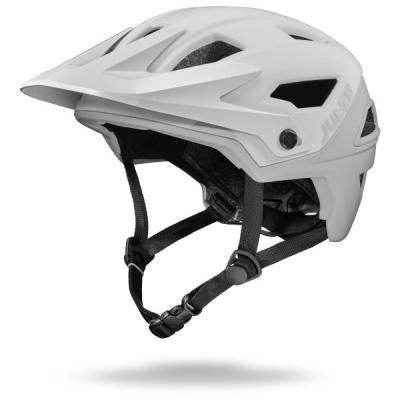
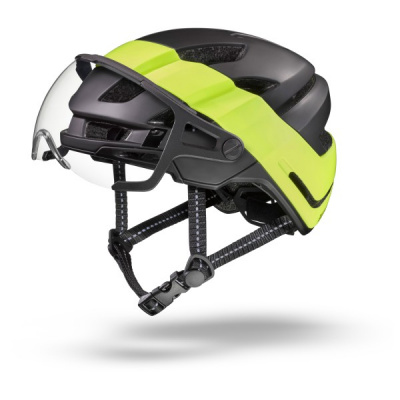
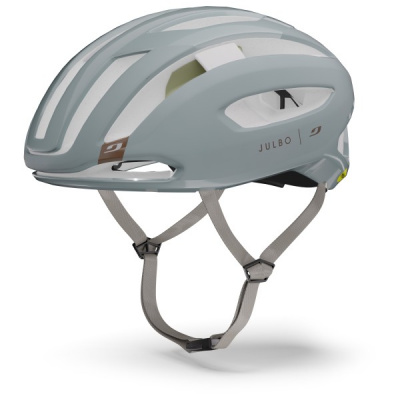
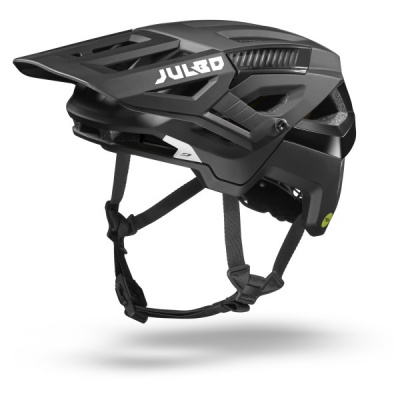
Julbo cycling helmets bring the brand's deep background in alpine optics and mountain protection into a range that covers everything from enduro descents to gravel audaxes and road miles. The lineup is built around a few principles that genuinely matter on UK rides: proper rotational impact protection via MIPS, in-mold EPS shells that keep weight low without sacrificing structure, and a dial-fit retention system at the rear that lets you dial things in properly rather than just roughly right.
What sets Julbo apart from the broader helmet crowd is how deliberately the helmets are shaped around eyewear. The brand makes some of the best cycling sunglasses going, and the helmets are sculpted to match - no sunglass arm pressure, no gap-and-rattle, just a clean fit. That matters whether you're dealing with low winter sun on a Yorkshire lane or grit spray on a Snowdonia descent.
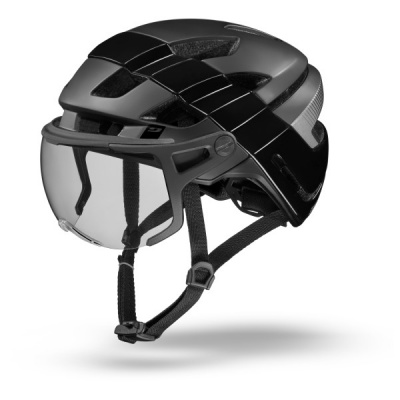
Practical touches like Fidlock magnetic buckles mean one-handed fastening when your gloves are still on, and the adjustable visors deal with the kind of changeable light UK riders know well. Across MTB, gravel, and road, there's a Julbo lid built around how you actually ride - not just how a helmet looks on a marketing page.
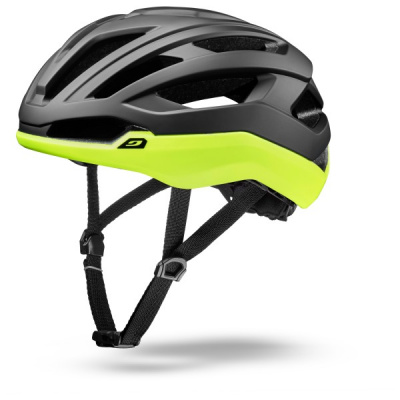
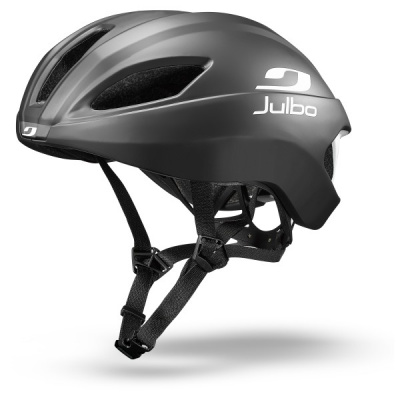
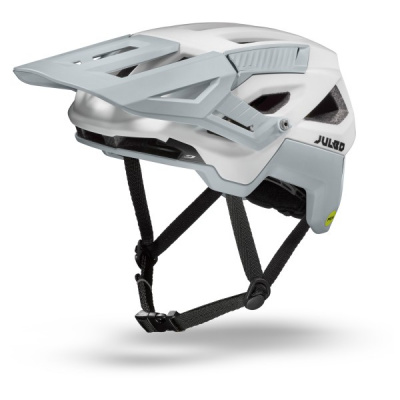
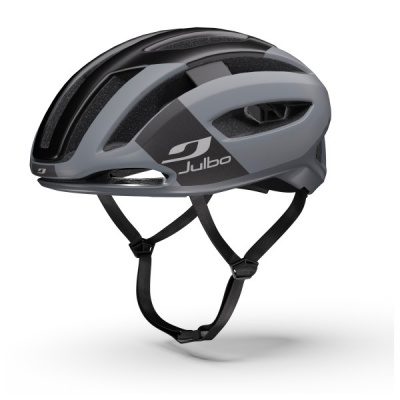
Prices and availability can change quickly. Delivery charges are not always included in listed prices.
Final price, stock status and delivery terms are set by retailer. We may receive a commission on purchases made.
Safety Tech and Ventilation Performance
The foundation of most mid-to-high-end Julbo helmets is MIPS technology - the Multi-directional Impact Protection System. It works by allowing the helmet's inner layer to rotate a few millimetres independently of the outer shell during an angled impact, which is the most common type in real crashes. That small movement reduces the rotational forces transmitted to the brain. It adds a few grams, but it's worth it. Always check the product listing to confirm MIPS inclusion on the specific model you're looking at.
The shell construction is in-mold EPS - the outer polycarbonate shell is fused directly to the expanded polystyrene foam liner during manufacture, rather than being glued on afterwards. The result is a stiffer, lighter structure that doesn't delaminate over time. It's the same approach used by Giro helmets and Kask helmets at the higher end of the market, and Julbo executes it cleanly.
Ventilation is handled through Julbo's Air Flow ventilation system - a channel-based layout that draws air in through the front ports and exhausts heat out of the rear. On long, slow climbs where the air barely moves - think a humid August slog up the Mam Tor road - the internal channels keep airflow working even at low speed. On wetter descents, the same geometry avoids the wind-tunnel blast that makes some well-ventilated helmets genuinely cold in winter. It's a considered balance rather than maximum hole count.
Understanding the Julbo Fit and Range
Julbo helmets fit true to size for most riders, and the dial-fit retention system at the rear gives you real micro-adjustment rather than just two or three crude positions. You can tighten or loosen the cradle while riding with one hand, which matters when you've pulled a skull cap on halfway through a winter ride and suddenly need a bit more room. The fit profile is broadly neutral - not aggressively oval like some Italian road lids, not as wide-and-round as some budget helmets. Most riders with a standard head shape find the sizing consistent.
The range splits clearly by discipline. The MTB and enduro models feature extended rear coverage that protects the back of the skull during the kind of over-the-bars moments that trail riding occasionally produces. These lids are also shaped to sit properly with goggles - the rear retention cradle doesn't fight the goggle strap, and the visor has enough clearance to push goggles up without catching. If you ride enduro or aggressive trail, that compatibility is non-negotiable. Compare this with something like Fox helmets, which take a similar approach, and you'll find Julbo competitive on coverage and noticeably stronger on eyewear integration.
The gravel and road models trim back the rear coverage and reduce visor depth for a cleaner aerodynamic profile. They're lighter, better ventilated, and sit lower at the front for a more aggressive road position. If you regularly ride with a thick thermal cap - a proper winter skull cap, not just a thin liner - size up. The dial system has range, but it can't compensate for a cap that effectively adds half a size to your head. Check the sizing chart before you order.
For a broader look at how Julbo compares to other respected names in this space, Bell helmets and Endura helmets are worth a side-by-side comparison - particularly on fit profile and UK-specific weather features.
Eyewear Integration and UK Riding Conditions
Julbo started as an eyewear brand in the Alps, making glacier glasses before road bikes were even part of the conversation. That background shapes how the helmets are designed at a structural level. The retention frame and internal padding are cut to leave a clean channel for sunglass arms - no pressure points, no wobble when you look down, no sunglass arm that slowly works itself out over a long ride. It sounds like a small thing until you've spent three hours with a poorly-fitted helmet slowly pushing your glasses off your face.
The eyewear docking system on the MTB models gives you a secure place to park your glasses or goggles when they come off - properly secured, not just wedged into the vents. Pair a Julbo helmet with a set of Julbo sunglasses and the integration is especially clean; the sunglass arms are designed around the same fit geometry as the helmets, which removes any compatibility guesswork.
The adjustable visor does real work in UK conditions. Low winter sun at 3pm on a Somerset lane, driving rain on a Scottish descent, the kind of dappled light-and-shadow on a Welsh trail centre that makes reading the ground genuinely difficult - the visor handles all of it with a couple of clicks of adjustment. It's not a gimmick. Keeping the visor angled correctly takes less mental load off the ride than you'd expect.
The Fidlock magnetic buckle is another feature that earns its keep. One-handed fastening with winter gloves on, no fiddling with a traditional clip while your hands are numb - it clicks shut with enough positive feel that you know it's secure. Release is just as quick. Small detail, proper improvement.
Julbo Helmets FAQs
How do Julbo cycling helmets fit?
Julbo helmets generally fit true to size. The dial-fit retention system at the rear allows precise micro-adjustment, so you can get a secure fit rather than just an approximate one. If you're between sizes or regularly ride with a thick winter thermal cap, size up - the dial has range, but it won't cover a full half-size difference.
Are Julbo helmets good for mountain biking?
Yes. Julbo's MTB and enduro models offer extended rear coverage, adjustable visors, and a fit that works properly with goggles - the retention cradle is shaped so the goggle strap sits cleanly rather than competing with it. For trail and enduro riding they're a solid choice, particularly if you're also running Julbo eyewear.
Do Julbo cycling helmets have MIPS?
Most mid-to-high-end models in the Julbo range include MIPS - the Multi-directional Impact Protection System - which reduces rotational forces on the brain during angled impacts. It's not on every model at every price point, so check the individual product listing to confirm before you buy.