
Hutchinson Gravel And Cyclocross Tyres
Hutchinson gravel tyres have been engineered in France with a level of casing rigour that makes them genuinely well-suited to the UK's particularly unforgiving mix of sharp flint, wet chalk, and winter gloop. Where a lot of gravel rubber either rolls fast or grips hard, Hutchinson's range tries to do both - and largely pulls it off, thanks to a combination of proprietary tech that goes well beyond surface tread patterns.
The headline feature is the Hardskin textile grid, a bead-to-bead puncture protection layer woven into the casing itself. It's aimed squarely at the kind of sidewall slashes that Southern bridleways specialise in - the sort of cut that bypasses your sealant entirely and ends your ride in a field. Pair that with Bi-compound rubber - harder through the centre for rolling efficiency, softer at the shoulders for grip when you lean into a loose corner - and you've got a tyre construction that thinks about the whole ride, not just the straight bits.
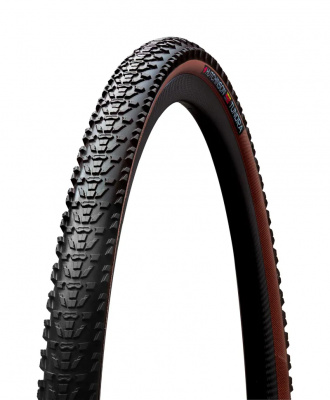
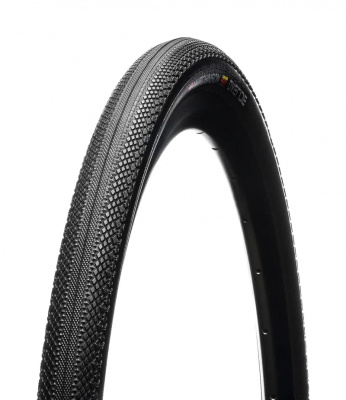
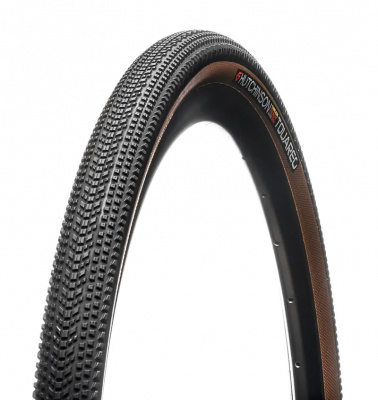
All the key models, including the Touareg, Tundra, Overide, and Mamba CX, are available in Tubeless Ready (TLR) versions, with beads designed for a reliable, low-pressure seal on modern gravel rims. Whether you're riding 700c or running 650b wheels for extra volume, there's a Hutchinson in the range worth comparing.
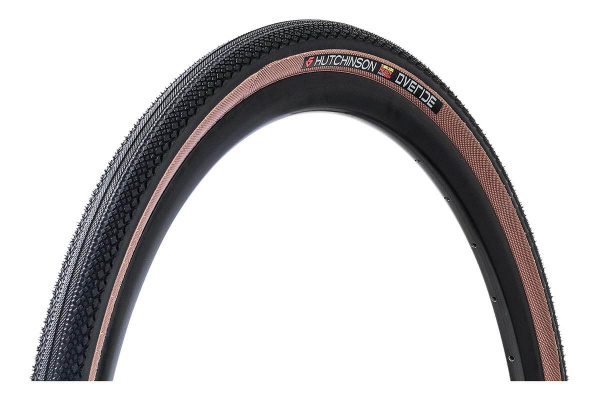
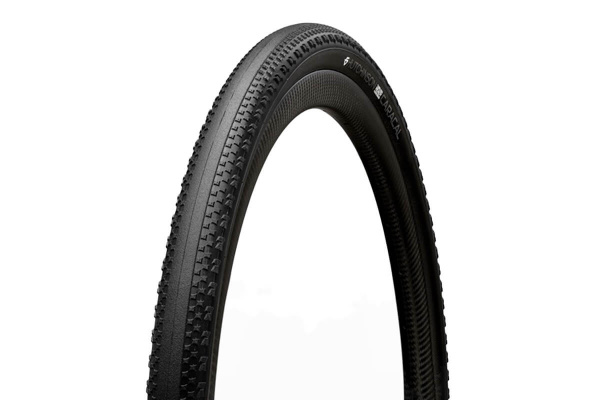
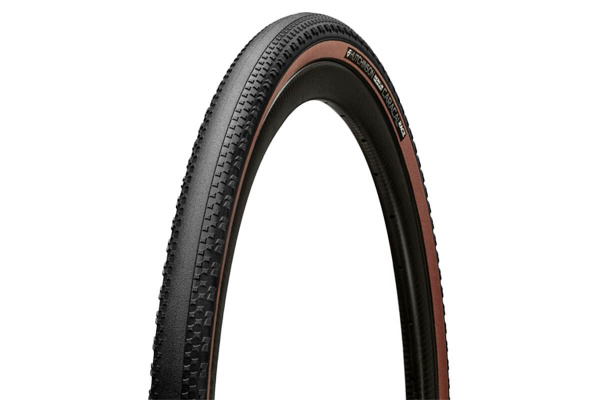
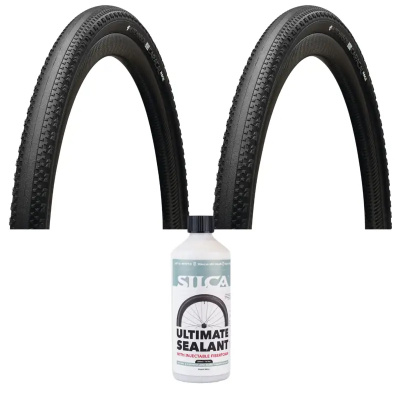
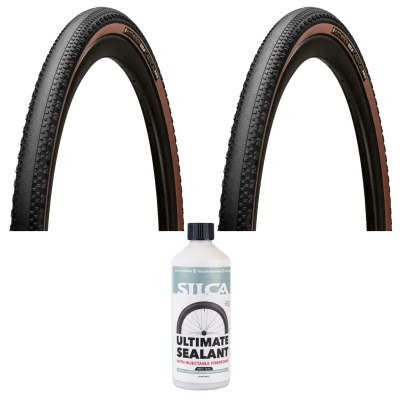
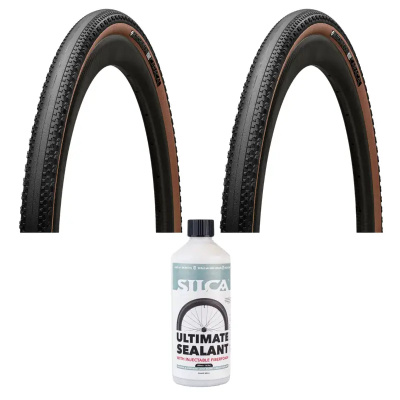
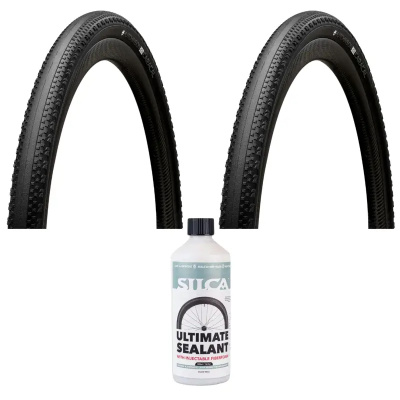
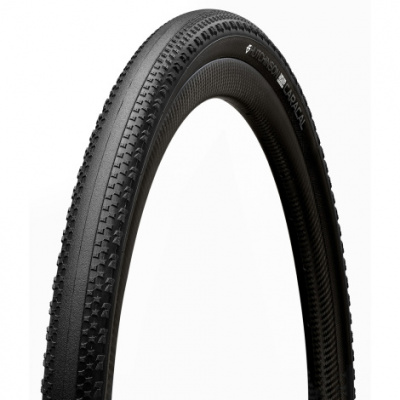
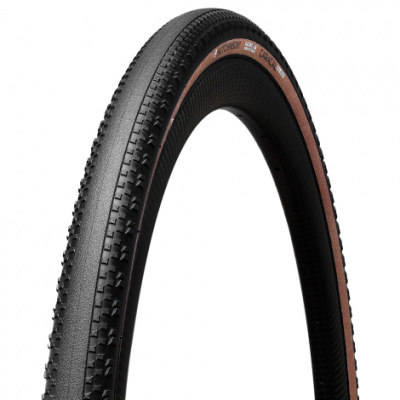
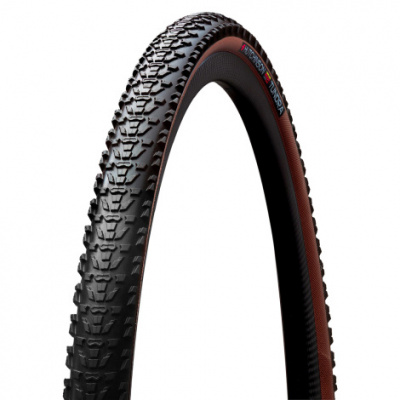
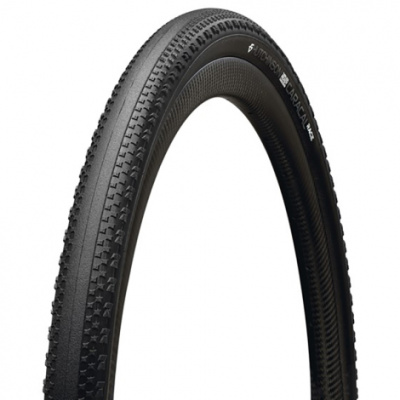
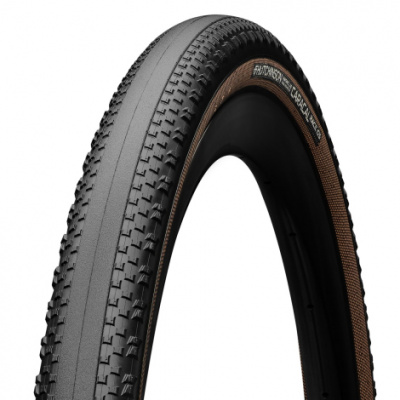
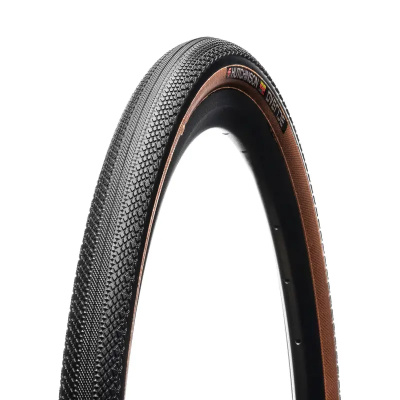
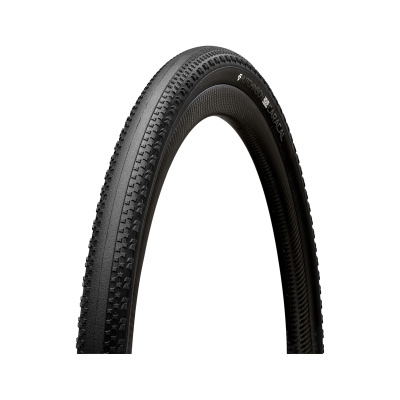
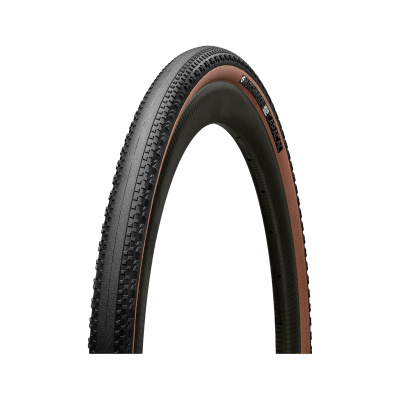
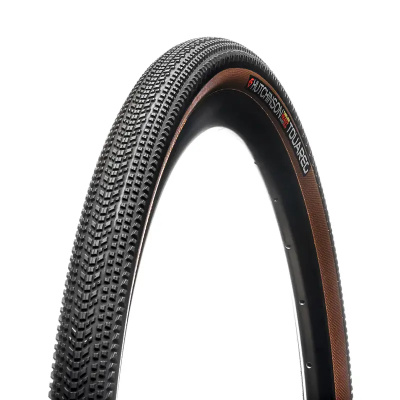
Prices and availability can change quickly. Delivery charges are not always included in listed prices.
Final price, stock status and delivery terms are set by retailer. We may receive a commission on purchases made.
Sizing, Rim Widths, and Hookless Compatibility
Getting the fitment right before you buy saves a lot of faff. Hutchinson gravel tyres come in both 700c and 650b formats - the latter giving you a larger contact patch and more air volume for the same frame clearance, which is worth considering if you're running a bike with tight stays and want to run lower pressures on rough ground.
Internal rim width matters more than most riders expect. Fitting a 40mm tyre to a rim with a 19mm internal width will give you a taller, more rounded profile that compromises cornering feel. Hutchinson generally recommend matching their wider gravel tyres - anything from 38mm upward - to rims in the 21 - 25mm internal width range. Check your wheel spec before ordering.
Hookless rim compatibility is increasingly relevant. Many modern carbon gravel wheels use hookless bead seats, and Hutchinson's current TLR tyres are compatible with hookless rims, but there's a catch: hookless systems typically carry a maximum pressure limit of around 73 PSI (5 bar). Always cross-reference with your wheel manufacturer's stated limit, not just the tyre's maximum. Running over that ceiling on a hookless rim risks a sudden bead separation - not something you want to discover on a fast descent. If you're unsure, the conservative call is to treat 50 - 55 PSI as your practical ceiling on hookless and tune from there.
Picking the Right Model for Your Riding
Hutchinson's gravel and CX lineup is more nuanced than it first appears, so it's worth knowing what each model is actually built around rather than just grabbing the most aggressive tread on the shelf.
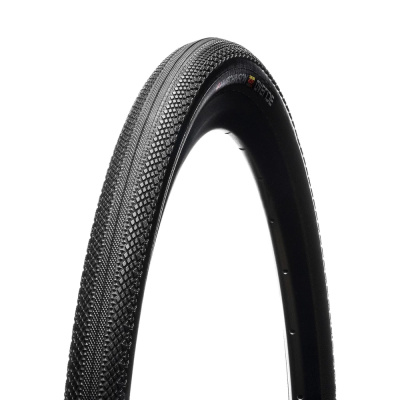
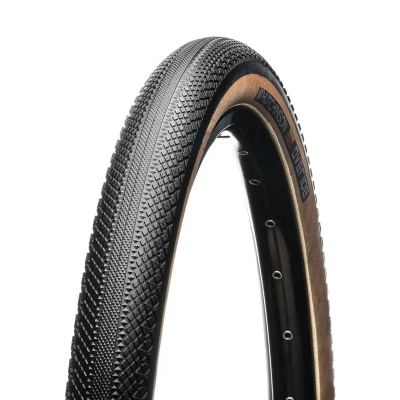
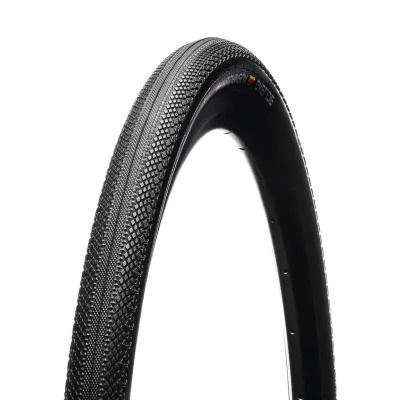
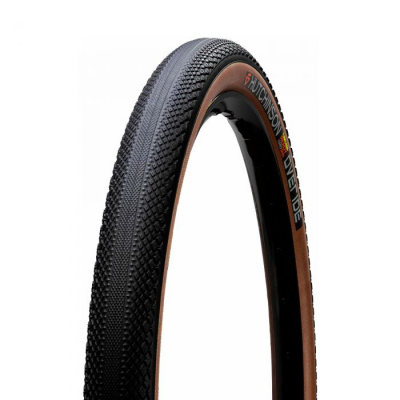
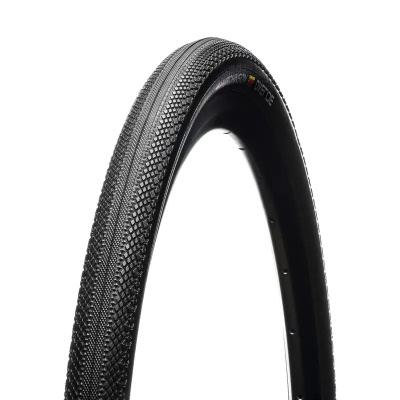
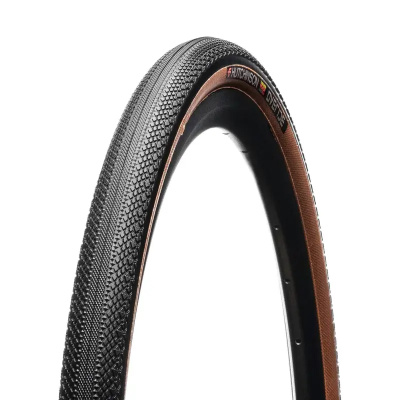
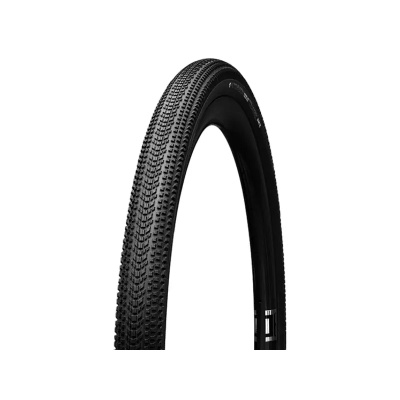
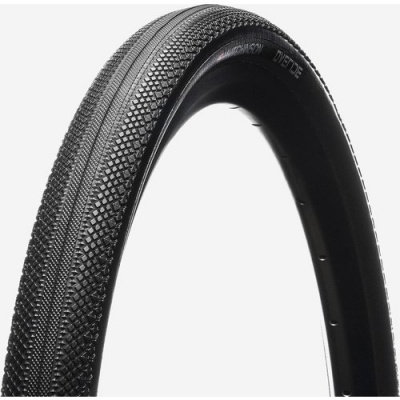
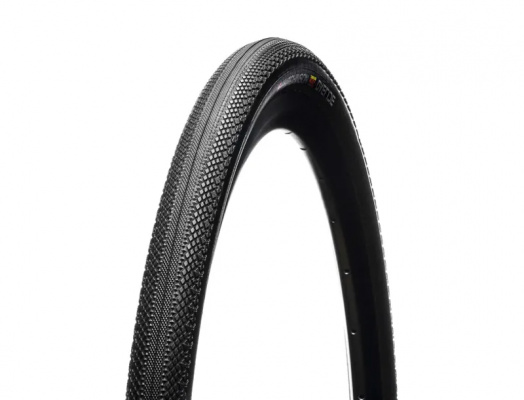
The Overide is the fast one. Its semi-slick centre strip keeps rolling resistance low on tarmac and hardpack, while the shoulder knobs give you something to lean on when the path kicks off into loose gravel. If your typical ride is 70% road or compact gravel with occasional dirt diversions, this is your tyre. Think Lincolnshire greenways or the smoother Sustrans routes rather than anything approaching a muddy CX course.
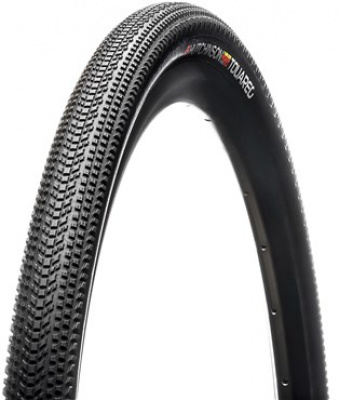
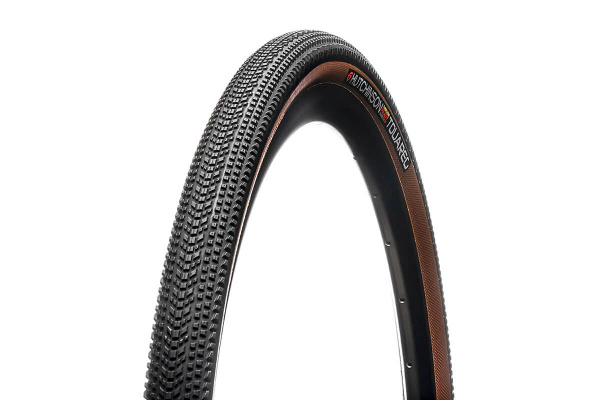
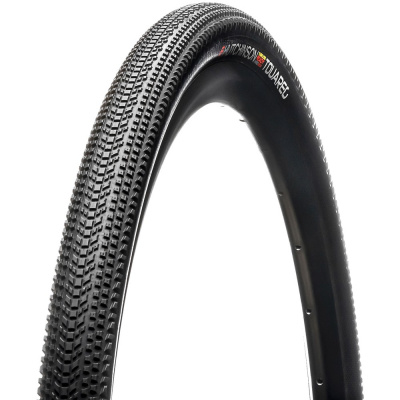
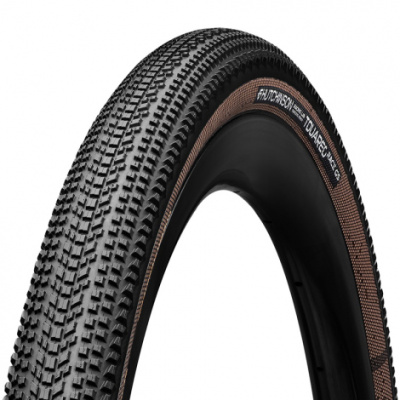
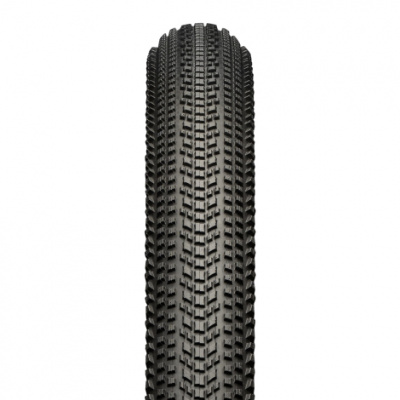
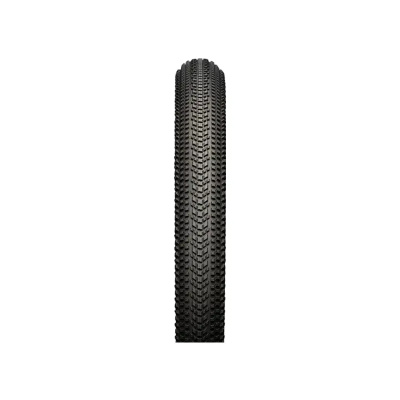
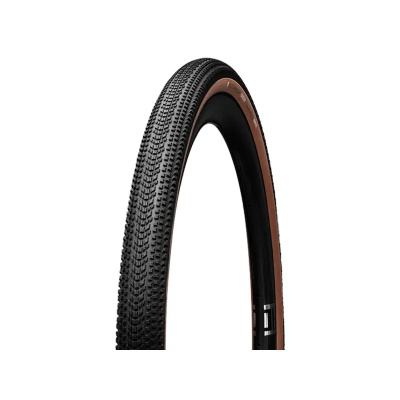
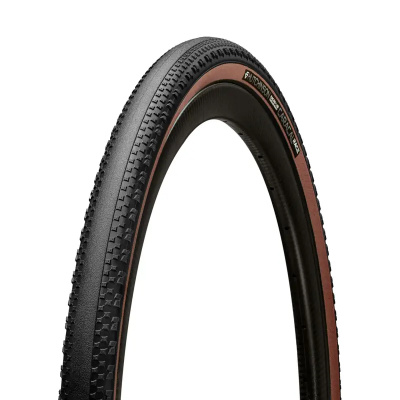
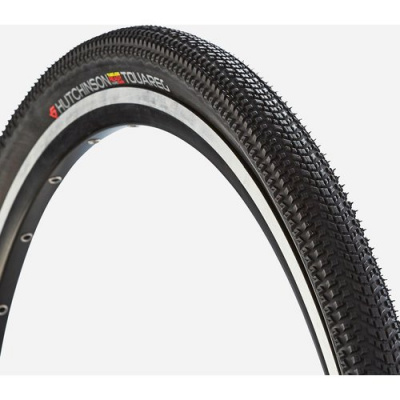
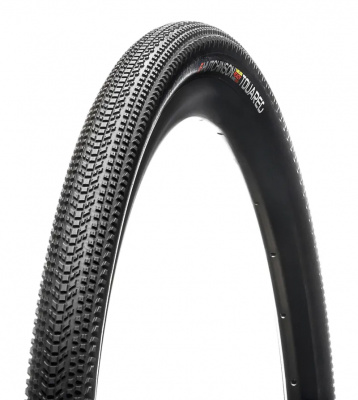
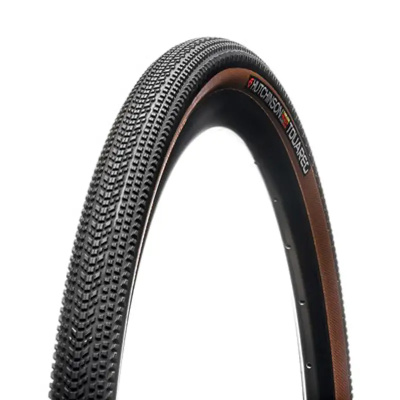
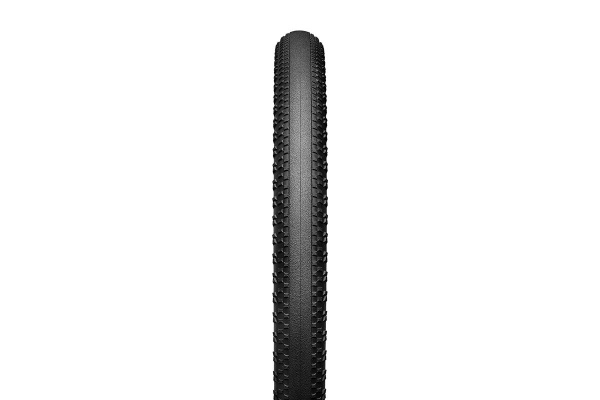
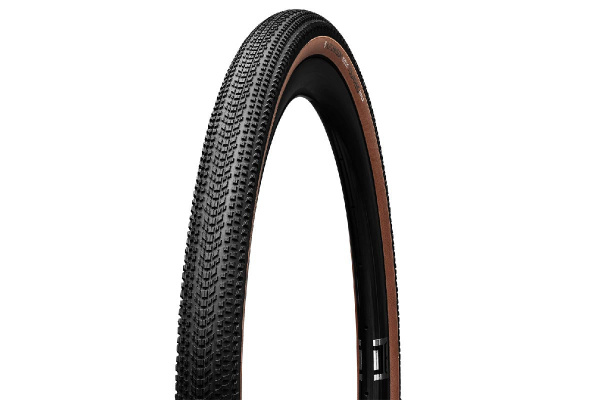
The Touareg is where most UK gravel riders will land. Closely spaced, ramped knobs across the centre give it enough bite for loose and mixed surfaces without the rolling penalty of a fully open tread. It handles dry-to-damp conditions well and works across a wide volume range. This is a genuine all-rounder - the kind of tyre you fit in October and don't second-guess until spring. It's also where Hutchinson's Bi-compound construction really earns its keep, the harder centre compound keeping pace on the road sections while the softer shoulders dig in on wet gravel corners. If you've been running something like a Vittoria Terreno and want to compare casing feel, the Touareg is the natural reference point.
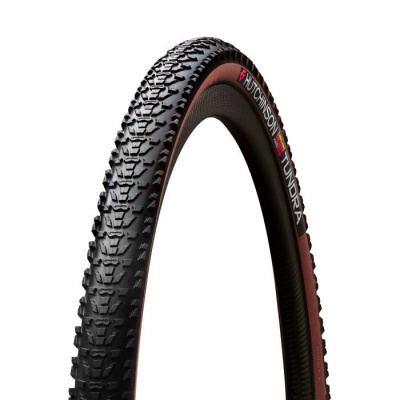
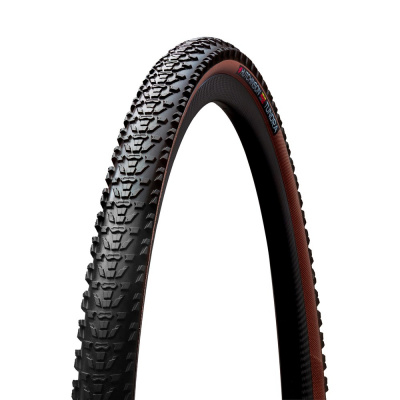
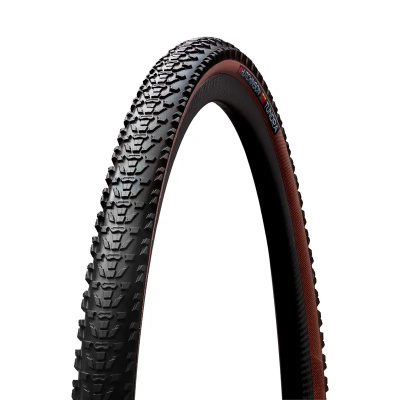
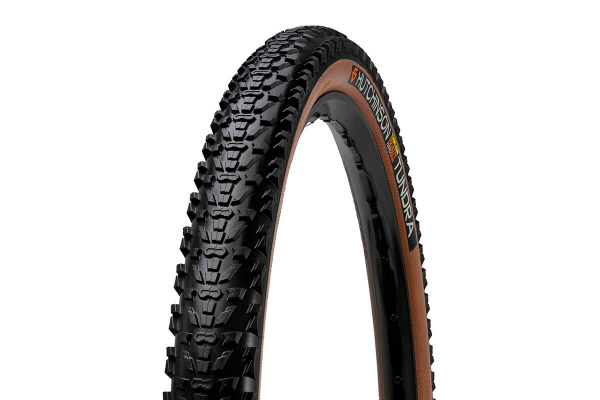
The Tundra steps up the aggression considerably. Widely spaced, tall lugs are designed to shed the kind of deep, clinging mud you get on UK winter CX courses or waterlogged bridleways - the sort of stuff that turns a closely-knit tread into a smooth block within fifty metres. If your winter involves anything resembling a muddy cyclocross race or a Peak District bridleway in January, the Tundra is worth serious consideration. Riders who've been on Maxxis Ravager territory will recognise the category, though the Tundra leans harder into outright mud clearance.
The Mamba CX sits apart from the gravel range. It's a purpose-built cyclocross race tyre - faster rolling on hard CX courses, with tread optimised for the accelerations and abrupt direction changes of race laps rather than the sustained grinding of a four-hour gravel ride. Not the right call for general use, but if you're lining up for a winter CX series, it's worth comparing against Continental CX options at the same price point.
Surviving UK Conditions - Casing, Sealant, and Setup
The Hardskin textile grid is Hutchinson's answer to a problem UK riders know well: flint. Southern chalk bridleways in particular are littered with freshly exposed shards that hit sidewalls at angles no tread block protects. A standard casing offers almost no resistance to a direct sidewall slash. The Hardskin layer - woven bead-to-bead into the casing rather than applied as a strip - adds meaningful resistance without the weight penalty of a full-on armoured tyre. It won't stop every cut, but it changes the odds significantly on a long day out in Hampshire or on the North Downs.
Setting up Hutchinson's TLR tyres tubeless is straightforward on most modern gravel rims. The beads are designed to seat reliably, and in most cases a good track pump with a decent volume chamber will do the job - pump fast, let the bead snap on, then top up to your riding pressure. If you're on an older rim or the bead is being stubborn, a CO2 inflator or a workshop compressor will sort it quickly. Make sure your rim tape is fully sealed with no gaps over spoke holes before you start - that's where most failed setups actually go wrong, not the tyre bead itself.
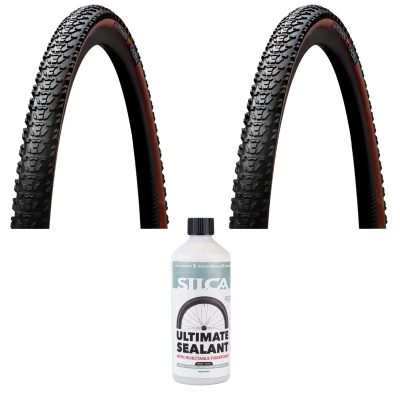
For long-term air retention, pair your Hutchinson tyres with Hutchinson Sealant, which is formulated to work with their TLR casings and handles the fine porosity sealing that keeps pressures stable between rides. Pick up a set of tubeless valves at the same time if your rims didn't come with them - it's a minor detail that trips up a lot of first-time tubeless setups.
On pressure, the short answer for a 700x40c tyre is to start around 30 - 35 PSI if you're in the 70 - 80kg range, then adjust from there. Wet chalk and slick roots need a lower pressure to increase the contact patch - drop toward 26 - 28 PSI and the tyre conforms better to the surface. The risk at the low end is rim strikes on sharp-edged drops, so don't go too far. If you're on WTB or Panaracer tyres at similar widths, your existing pressure baseline is a reasonable starting point for comparison - just account for any difference in casing volume.
If you're also running Hutchinson rubber on the road bike, their road tyre range uses some of the same Bi-compound and TLR technology, so the setup logic carries across. And if you're eyeing a set of trail wheels as well, their MTB tyres are worth a look alongside the gravel range when you're comparing casing options.
Hutchinson Gravel And Cyclocross Tyres FAQs
Are Hutchinson gravel tyres easy to set up tubeless?
Generally, yes. Hutchinson's TLR beads are designed to seat on most modern gravel rims with a high-volume track pump - pump it fast and the bead usually snaps on cleanly. If it's being stubborn, a booster pump or CO2 speeds things up. The real variable is your rim tape: make sure it's fully sealed over every spoke hole before you start, and use a quality sealant for the best long-term air retention.
What is the difference between Hutchinson Touareg and Overide?
The Overide runs a semi-slick centre strip - fast rolling on tarmac and hardpack, with shoulder knobs for loose corners. It suits riders doing the majority of their miles on roads or compact gravel paths. The Touareg has more pronounced, closely spaced centre knobs that bite into loose gravel and handle damp conditions much better. If your rides mix surfaces regularly, the Touareg is the more versatile choice.
What tyre pressure should I run on Hutchinson gravel tyres?
On a 700x40c, a rider around 75kg is a reasonable starting point at 30 - 35 PSI on mixed UK gravel. For wet or muddy conditions - think chalk bridleways or soggy roots - drop toward 26 - 28 PSI to widen the contact patch and improve grip. Keep enough pressure to avoid rim strikes on sharp drops. On hookless rims, stay within your wheel manufacturer's stated maximum, typically around 73 PSI absolute ceiling.