
HJC Helmets
HJC Helmets have made a striking move from dominating the motorcycle world into road cycling, and the pro peloton has taken notice. What separates them from the crowd isn't just the wind tunnel pedigree - it's a pair of genuinely clever technologies that solve problems most helmet brands paper over with marketing copy.
The dial-free SELFIT system handles fit without any fiddling, and COOLPATH technology strips out the traditional top padding so air moves directly across your scalp rather than pooling in foam. Both matter more than they might sound on paper, particularly when you're grinding up a long drag on a humid August afternoon or trying to get your helmet on with cold, gloved fingers in January.
HJC's in-house wind tunnel testing means the aerodynamic claims aren't lifted from a press release - the shapes are genuinely optimised to cut through headwinds while keeping exhaust flow working. And because the range spans from aggressively aero lids to highly ventilated all-rounders, there's a logical fit for road racers chasing marginal gains, fast sportive riders, and anyone who takes their commute seriously. If you want pro-peloton-proven protection without paying for a name badge, this is a range worth looking at properly.
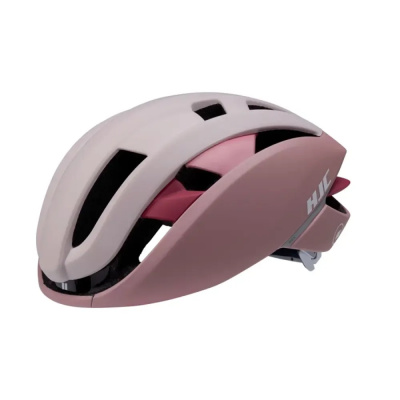
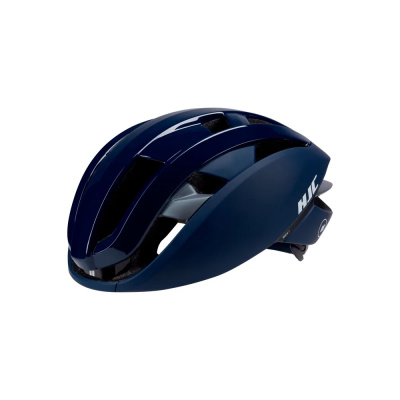
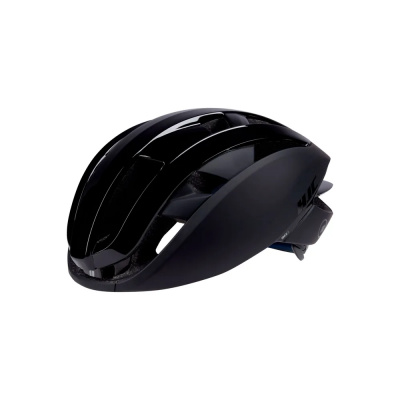
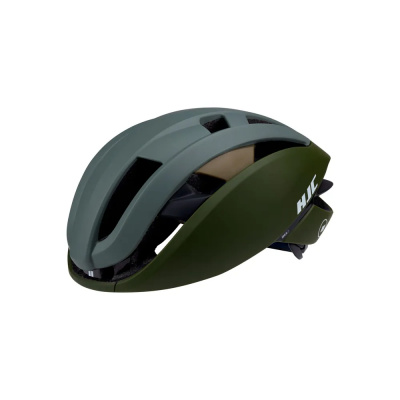
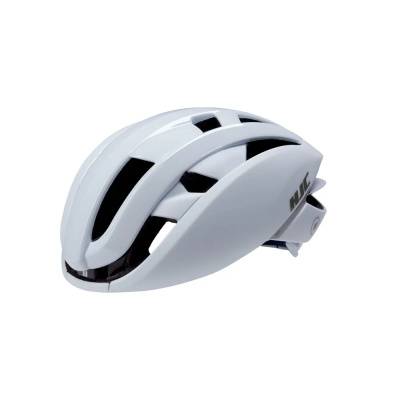
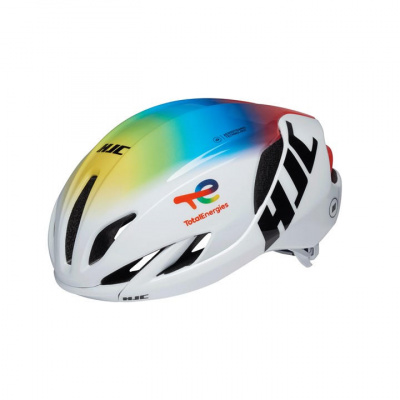
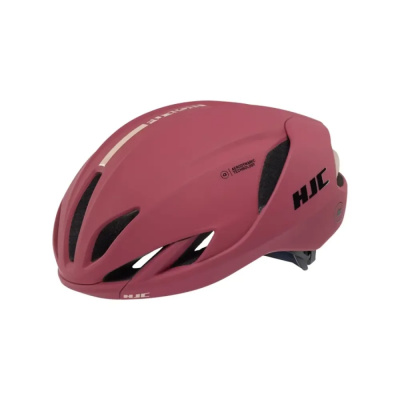
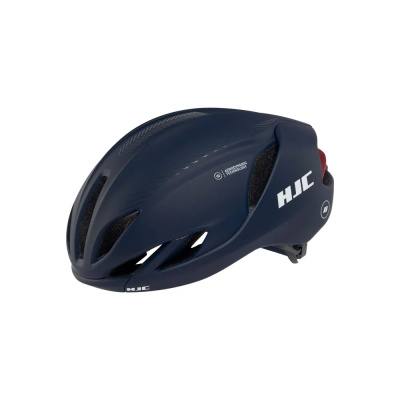
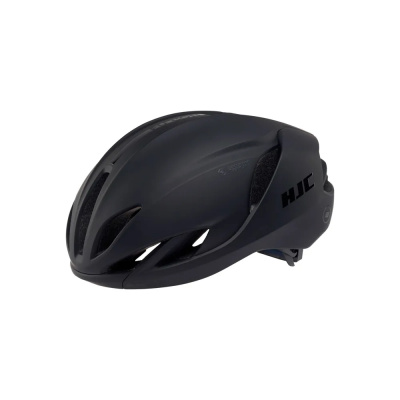
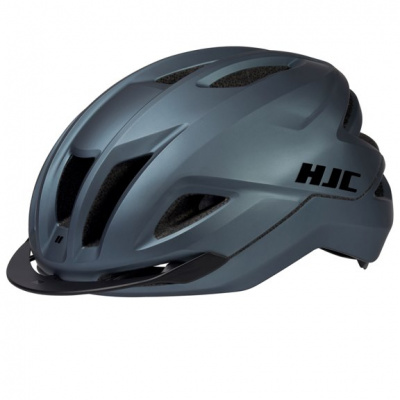
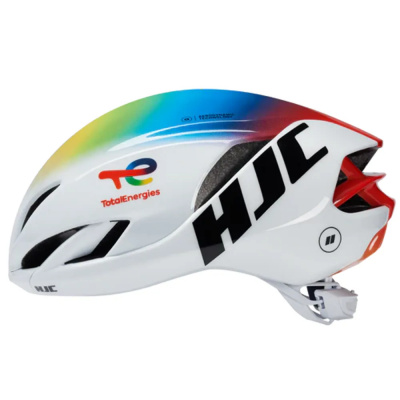
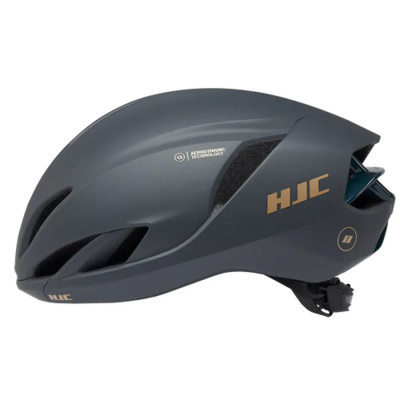
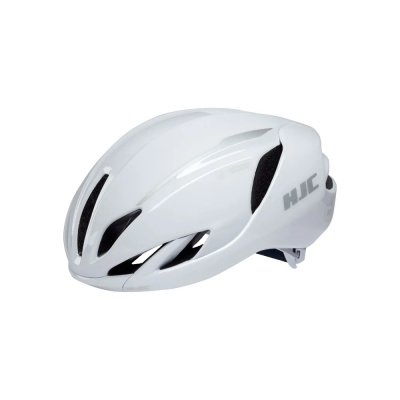
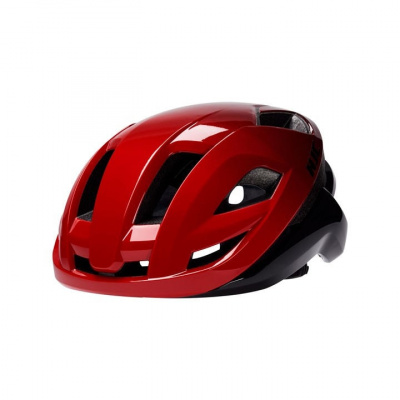
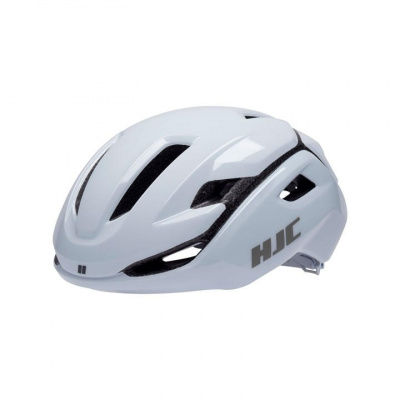
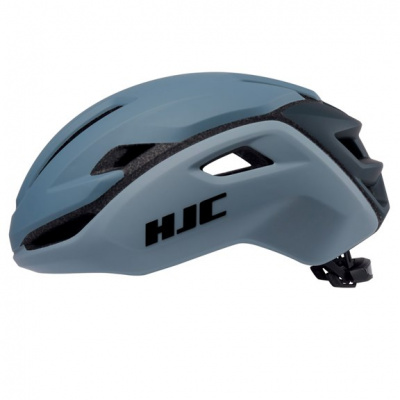
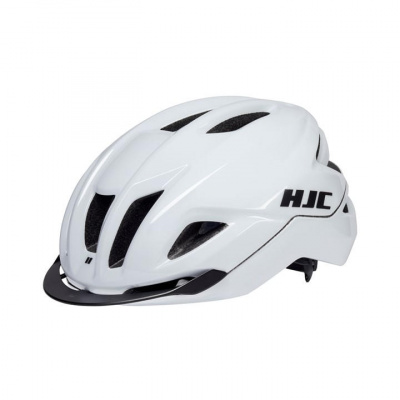
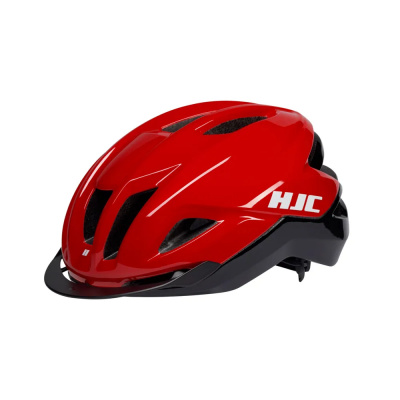
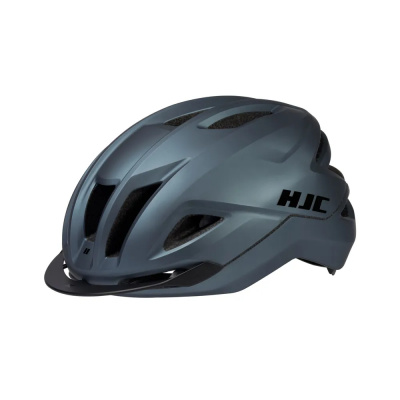
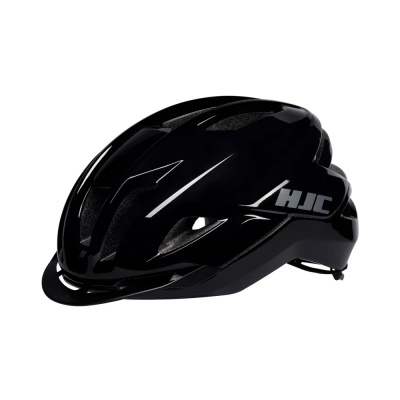
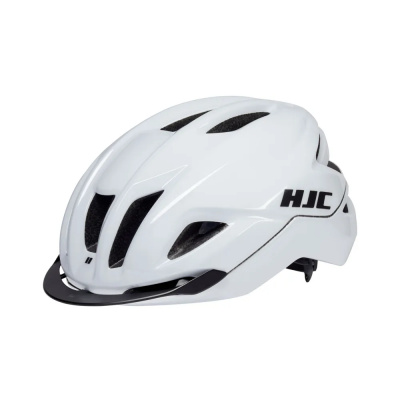
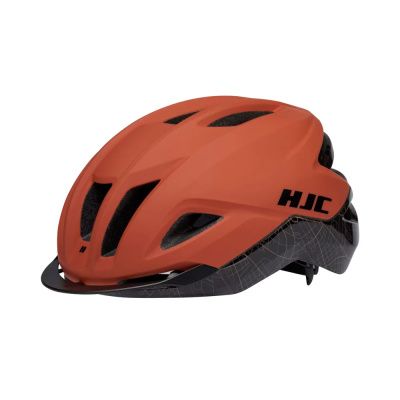
Prices and availability can change quickly. Delivery charges are not always included in listed prices.
Final price, stock status and delivery terms are set by retailer. We may receive a commission on purchases made.
Aerodynamics and Ventilation: What HJC Actually Does Differently
Most helmet brands send their designs to a third-party wind tunnel late in development, tweak the vents slightly, and call it aero-optimised. HJC tests in-house, which means the aerodynamic design is baked in from the start rather than bolted on at the end. The result is a shell profile that slices cleanly through a headwind without sacrificing the exhaust ports that actually keep you cool when the road tilts upward.
COOLPATH technology is the detail that earns its keep on a sweaty climb. Where a conventional helmet uses foam padding across the top of the liner, COOLPATH removes it entirely and replaces that contact zone with raised channels. Air drawn in through the front vents travels directly over your scalp before exiting at the rear. It's a small structural change with a noticeable payoff - less heat trapped at the crown, slightly lower overall weight, and padding that doesn't become a damp sponge after an hour. On a humid ride through the Surrey Hills or a long drag up into the Brecon Beacons, that difference registers.
The in-mold EPS construction with internal reinforcement frames keeps the shell rigid without adding unnecessary bulk, and the ventilation channels running through the liner work in concert with the external vent ports to maintain consistent airflow at different speeds. It's not a helmet that only performs when you're pinned at 40kph - the ventilation keeps working when you're grinding at 15.
The HJC Range and How the Fit System Works
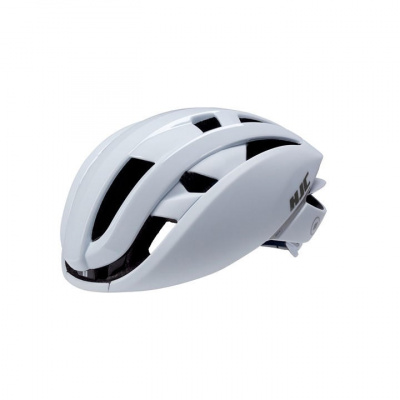
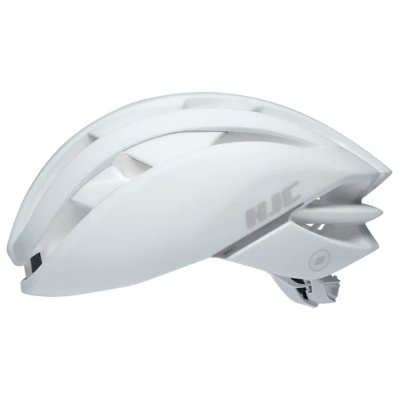
HJC's road cycling helmet lineup covers distinct use cases rather than just offering the same lid in different colourways. The Ibex sits at the ventilation-focused end - large vent ports, an open structure, and a profile designed for riders who prioritise airflow over aerodynamic efficiency. It's the one to reach for if your riding is predominantly sportive-paced or you run hot on climbs.
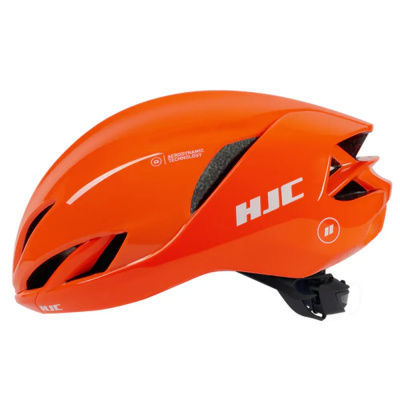
The Furion pushes further toward aerodynamic design, with a tighter structure and wind-blocking properties that make genuine sense in a headwind. It's not a time trial shell, but it's built with aero intent. If you're racing crits or doing fast chaingang miles where holding a wheel matters, the Furion is the natural choice within the range. The Valeco sits between the two - versatile enough for most road riding, with a balanced approach to ventilation and aero that suits riders who want one helmet for everything from club runs to sportives.
The SELFIT system is worth understanding before you buy. Unlike the dial-and-ratchet retention systems you'll find on Kask helmets or Giro helmets, SELFIT uses a spring-loaded mechanism with no dial at all. You set the position once to match your head shape, and after that it self-adjusts as you move - nodding down on a climb, looking up at a junction, reaching for a bottle. The retention maintains consistent pressure without you touching it. That's a meaningful difference when you're three hours into a ride and the last thing you want is to faff with a wheel at the back of your helmet.
One fit note worth flagging: HJC helmets tend toward a slightly rounder internal profile. If you have a more oval head shape, sizing up is often the right call. If you're between sizes, try the larger option first. For riders racing against the clock, our dedicated range of HJC Aero TT Helmets covers full aero shells optimised specifically for time trial and triathlon efforts - that's a different conversation to what the road range offers here. Compared to ABUS helmets, HJC's fit system feels more hands-off once set, though ABUS offers strong dial-based precision for riders who prefer that control.
Year-Round UK Use and Keeping Your Lid in Good Shape
One of the quieter advantages of the SELFIT system shows up in October. When you pull a thermal skull cap on under your helmet - which most UK riders do from autumn through to April - a dial-based retention system needs resetting every time. SELFIT adapts automatically to the added bulk. Fit your skull cap, put the helmet on, and it settles into place. Same deal with a waterproof cycling cap on a wet commute. No cold-finger fumbling with a wheel you can barely feel through gloves.
The Furion's balance of wind-blocking structure and exhaust venting makes it a practical choice across seasons. In winter, the more enclosed shell reduces the wind chill hitting your head on long descents. In summer, the exhaust ports are wide enough to keep things moving when you're working hard. It's not a specialist winter helmet, but it handles the variable conditions of UK riding better than a purely aero lid with minimal ventilation.
Care is straightforward but matters more than people give it credit for. After a gritty wet ride - the kind that coats everything from the Peak District limestone dust or a Welsh valley road - wipe the EPS shell down with a damp cloth before the muck dries. Dried grit works into the vent channels and is harder to shift later. The minimal COOLPATH padding can be removed on most models; rinse it in lukewarm water with mild soap, squeeze gently, and leave it to air dry flat. Don't tumble dry it or force it back in while damp. The in-mold shell itself doesn't need product - just water and a soft cloth. Check the retention mechanism periodically for any play; SELFIT is low-maintenance but worth a quick inspection every few months.
HJC Helmets FAQs
How do HJC cycling helmets fit compared to other brands?
HJC helmets have a slightly rounder internal profile than many European brands, so riders with a more oval head shape often find sizing up works better. The SELFIT automatic system removes the need to re-adjust for different head positions, giving a secure fit without the pressure points you sometimes get from aggressive dial-based retention.
What is the HJC SELFIT system?
SELFIT is a spring-loaded retention system with no rear dial. You set it to your head shape once, and it self-adjusts as you move - on climbs, in sprints, or when looking over your shoulder. It's particularly useful with a skull cap underneath in winter, since it adapts to the extra bulk automatically without any manual resetting.
What is HJC COOLPATH technology?
COOLPATH replaces the foam padding across the top of the helmet's interior with raised airflow channels. Cool air drawn through the front vents travels directly over your scalp rather than being trapped by fabric, which improves ventilation noticeably on hard efforts and reduces the overall weight of the liner.