
HJC Aero TT Helmets
HJC Aero TT Helmets bring motorcycle-grade aerodynamic engineering into the world of cycling, and for time trialists who've spent hours obsessing over watts, that pedigree matters. Every helmet in the TT range is developed and refined in HJC's own in-house wind tunnel - not an outsourced test session, but a dedicated facility that gives the design team genuine control over how each shell shape performs at race speed.
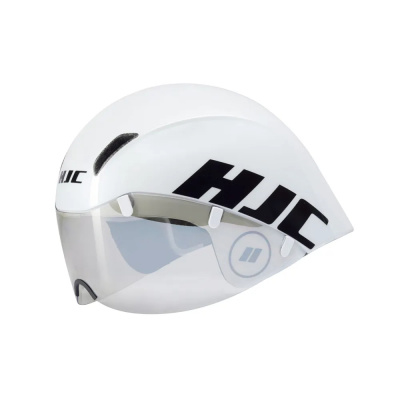
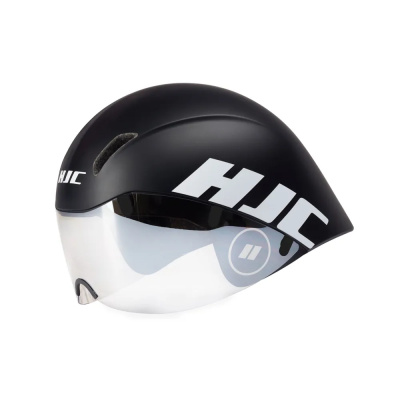
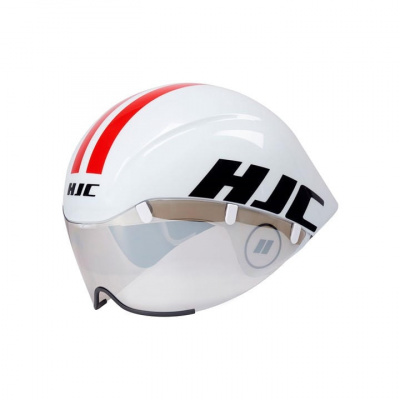
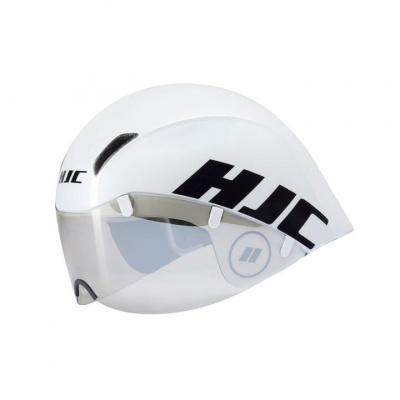
The flagship Adwatt and Adwatt 1.5 are built around the demands of the tuck position: a low, forward stance where the head angle, tail length, and visor profile all directly influence drag. HJC's approach to drag reduction goes beyond shell shape alone. Venturi Dynamics channels airflow through the helmet to keep your head cool without punching holes in the aerodynamic profile, and the magnetic visor integration smooths airflow across your face rather than disrupting it.
For UK riders, that means a helmet that holds its composure on exposed dual carriageway CTT courses where crosswinds are a constant factor - not just a closed-road novelty. Whether you're targeting a sub-20 on a local 10-mile course or grinding through an Ironman bike leg, HJC has designed these helmets to give you a measurable, repeatable advantage.
Prices and availability can change quickly. Delivery charges are not always included in listed prices.
Final price, stock status and delivery terms are set by retailer. We may receive a commission on purchases made.
Aerodynamic Tech and Ventilation Performance
HJC's wind tunnel work is genuinely in-house, and that distinction shapes how the Adwatt helmets are developed. Rather than sending a finished design off for a single validation test, HJC iterates in the tunnel - adjusting tail length, vent placement, and surface geometry until the drag numbers stack up. The result is a shell that's been optimised specifically for the static TT tuck, where your head sits low, chin forward, and the airflow over the helmet behaves very differently to an upright riding position.
The Venturi Dynamics system is worth understanding because it solves a real problem. Close-off all the vents and you get a fast helmet that cooks your head on a warm August morning in the Fens. Leave them open and you're creating turbulence that costs you time. HJC's approach uses shaped internal channels that accelerate air across the EPS liner - cooling effect without the aerodynamic penalty of open ports. It's a meaningful distinction on a long effort where heat build-up affects power output.
The magnetic visor integration does double duty. Mechanically, it makes visor changes faster than any clip system - useful if conditions change between your warm-up and your start ramp. Aerodynamically, the flush magnetic mount means the visor sits cleanly against the shell with no protruding clips or gaps to catch air. At 40km/h, small disruptions to laminar flow add up, and the clean face profile the magnetic shield creates contributes to the overall drag reduction picture. Riders comparing HJC against options from Giro or KASK will find HJC's magnetic approach notably cleaner in execution than traditional latch systems.
Understanding the HJC Fit and Range
TT helmets fit differently to road helmets, and it's worth knowing why before you order. The ear flaps sit closer to your cheeks, the tail sits lower at the rear, and the overall shell profile is designed to minimise frontal area rather than maximise ventilation. If you've only ever worn an open-vented road helmet, the first time you pull on an Adwatt it'll feel more contained - that's intentional, not a sizing problem.
The Adwatt 1.5 represents HJC's current refinement of the platform, with updated retention geometry and revised tail shaping compared to the original Adwatt. Both helmets use a dial retention system at the rear that allows genuine micro-adjustment - useful because HJC TT helmets are sized to standard head circumferences, so you measure the widest part of your head just above the eyebrows and work from there. Once the helmet is pulled down to sitting position, use the retention dial to secure it without over-tightening, which can cause pressure points on longer efforts.
The HJC triathlon helmet fit logic applies across the range: the closer the helmet sits to the head, the less drag, but fit accuracy matters more than with a road helmet where you have more adjustment latitude. If you ride in an aggressive, low time trial position, the tail sits cleanly regardless of head angle - HJC have optimised the geometry for that. For anything other than TT or triathlon racing - your Sunday chain gang, a sportive, or an Alpine climb - you're better served by the broader HJC road helmet range, where ventilation and comfort across varied efforts take priority over outright drag reduction.
Visor Care and Keeping Things Clear in British Conditions
The HJC Adwatt visor's anti-fog coating handles most conditions, but a damp, humid CTT start at 7am in September will test any visor. The coating does the job - but if you're racing on a morning where mist is hanging in the valley, applying a dedicated anti-fog spray the night before gives you an extra margin. Don't wipe it off in the morning; let it cure fully. That thirty seconds of prep saves you from squinting through condensation mid-effort on an exposed A-road stretch.
Cleaning the magnetic shield properly matters for longevity. The anti-fog coating on the interior is applied in a thin layer and won't survive a rough microfibre or an ammonia-based lens cleaner. Use a soft, damp cloth - plain water is fine for most builds - and let it air dry before clipping the visor back on. Never store the helmet visor-down; even a soft bag lining will gradually abrade the coating.
Inside the helmet, the EPS liner and retention pads absorb sweat on every effort. Salt residue builds up faster than you'd expect, particularly in summer racing. Pull the pads out after each event and hand-wash them in cool water with a small amount of mild detergent - most HJC pad sets are fully removable. If the anti-fog coating is wearing off or a pad set has compressed beyond comfort, replacement visors and pad kits are available via HJC helmet spares rather than buying a new lid. It's also worth checking Bikesy's listings for compatible MET and POC aero TT alternatives if you're still deciding on the right helmet for your head shape and event format - fit is personal, and no single shell suits everyone.
One practical point before race day: magnetic visors are fast to swap, but they're also easy to knock off in a busy transition area or on a busy start line. Keep the visor in a soft pouch during transport and only clip it on once the helmet is on your head. The magnet retention is secure at race speed - it's the handling in the car park where you need to be careful.
HJC Aero TT Helmets FAQs
How many watts does an HJC aero TT helmet save?
Switching from a standard vented road helmet to a dedicated TT lid like the HJC Adwatt can save roughly 10 to 15 watts at 40km/h. Over a 10-mile or 25-mile time trial that translates to a meaningful time gain - enough to matter if you're chasing a PB or a category placing.
Does the HJC Adwatt visor fog up easily?
The Adwatt visor uses an anti-fog coating and HJC's internal airflow channels to manage condensation. In normal conditions it's clear. On damp, humid UK mornings - think early-season CTT starts - applying an anti-fog spray the evening before adds a useful extra layer of clarity. Don't wipe it off before you race; let it sit.
How do I size an HJC time trial helmet?
Measure the widest part of your head just above the eyebrows and match to HJC's size chart - the fit runs true to standard circumferences. Once on, use the rear retention dial to fine-tune without over-tightening. Bear in mind the ear flaps and visor sit noticeably closer to your face than a road helmet, which is normal for a TT-specific shell.