
Haibike E-Bikes
Haibike e-bikes didn't just join the electric mountain bike conversation - they started it. The German brand coined the term 'ePerformance' to describe something genuinely different: bikes engineered from the ground up around motor integration, not standard frames with a battery clumsily bolted on as an afterthought. That distinction still matters today, and it shows in how the bikes ride and hold up.
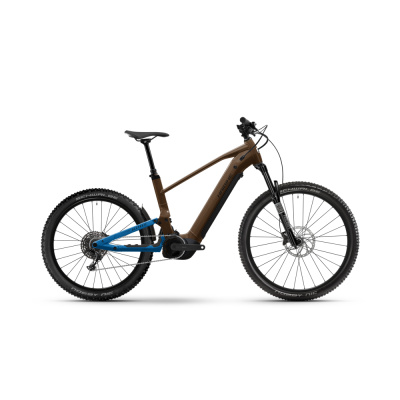
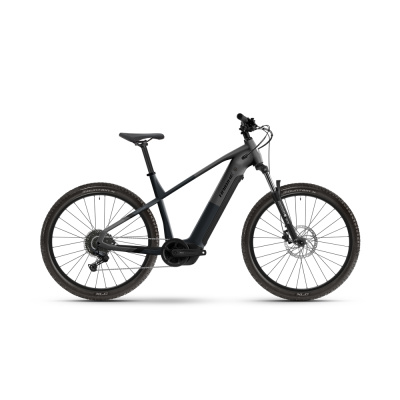
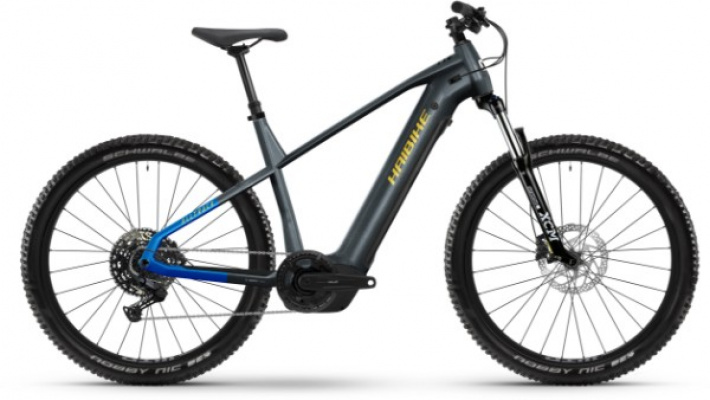
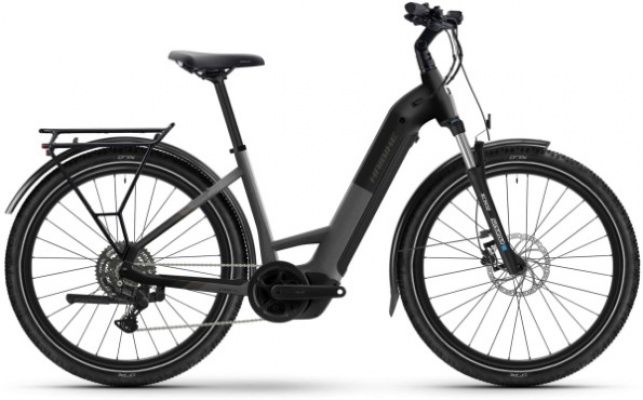
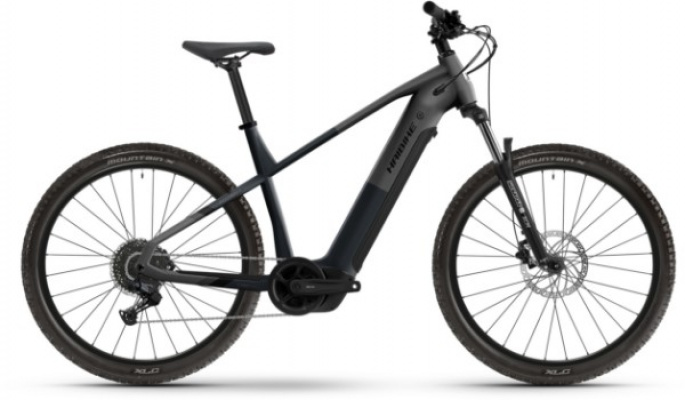
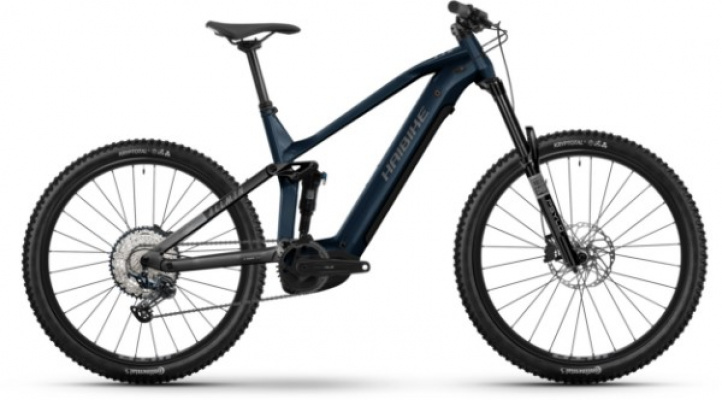
Whether you're pointing a front wheel at a technical black run in the Tweed Valley or grinding through a rain-soaked commute across a northern city, Haibike's engineering is pointed at heavy use in demanding conditions. The lineup runs from the 180mm freeride-ready Nduro to the city-capable Trekking range, all paired with drive systems from Bosch and Yamaha - two names that need no introduction on a trail. Frames are alloy or carbon depending on the model, and every one benefits from Haibike's proprietary SkidPlate motor protection and the adaptable Modular Rail System. These aren't bikes dressed up for a brochure shoot. They're built to take a proper hammering across British riding seasons - which, as you know, can produce all four in a single afternoon.
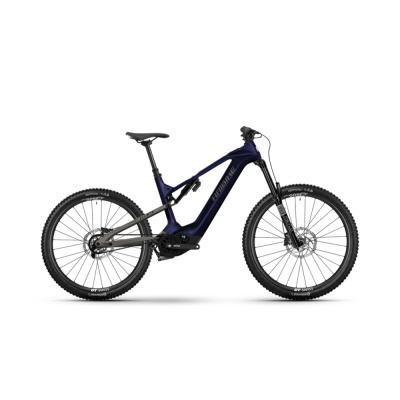
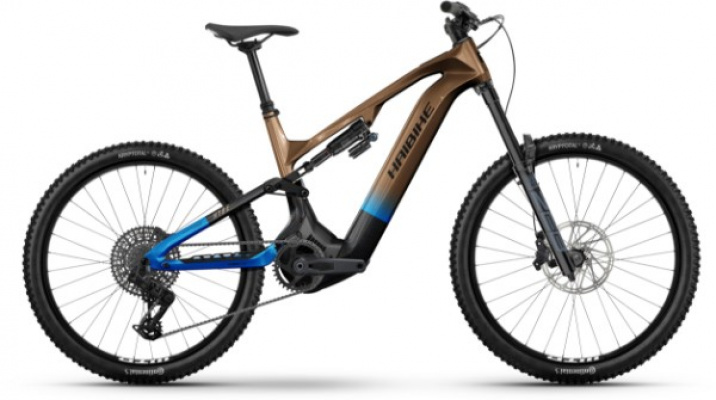
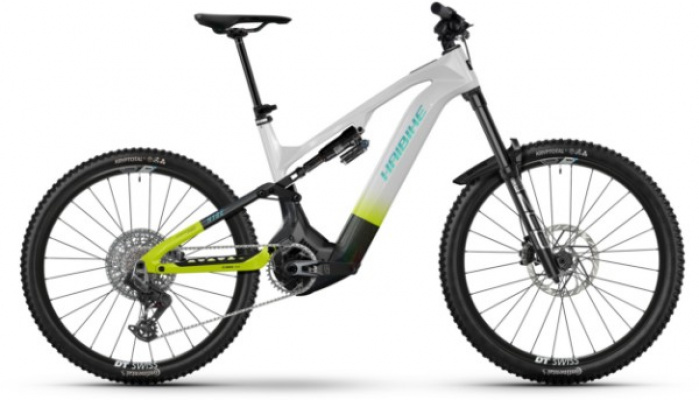
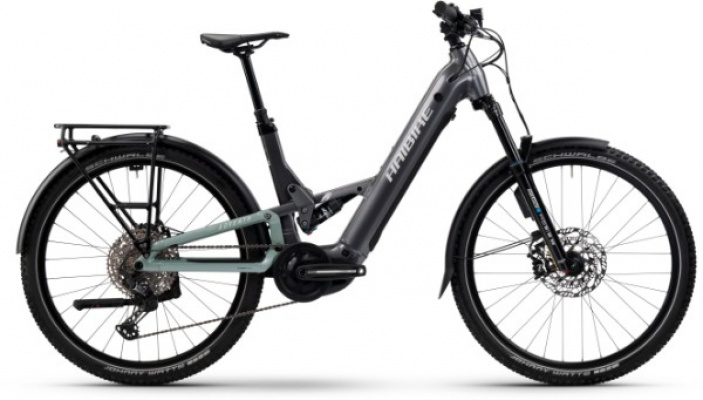
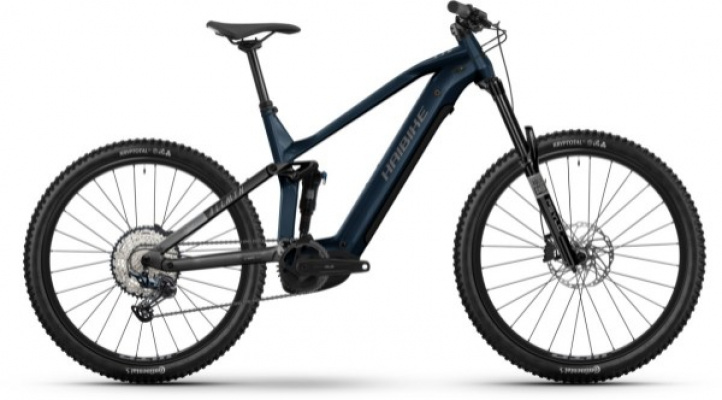
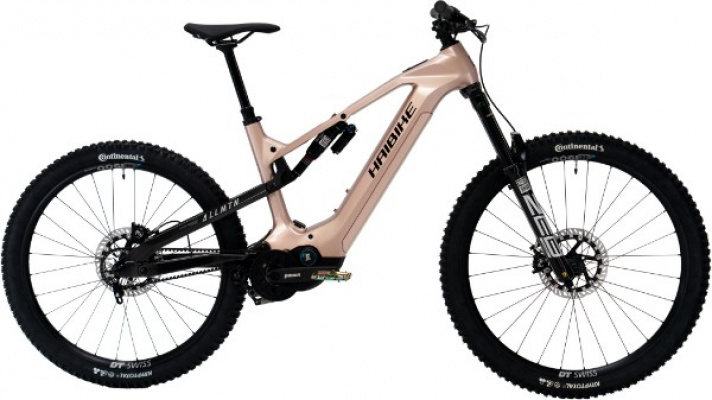
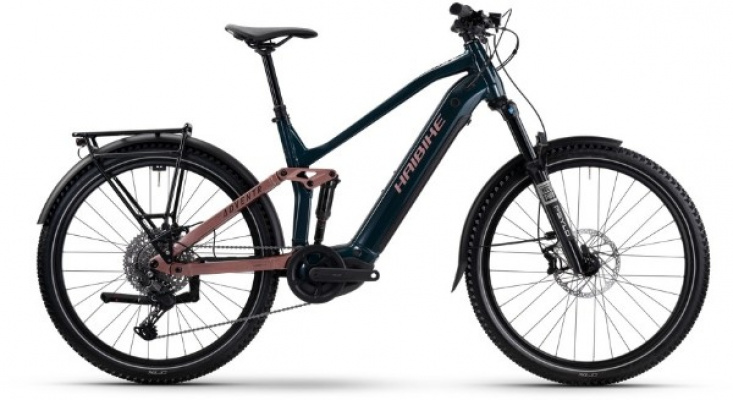
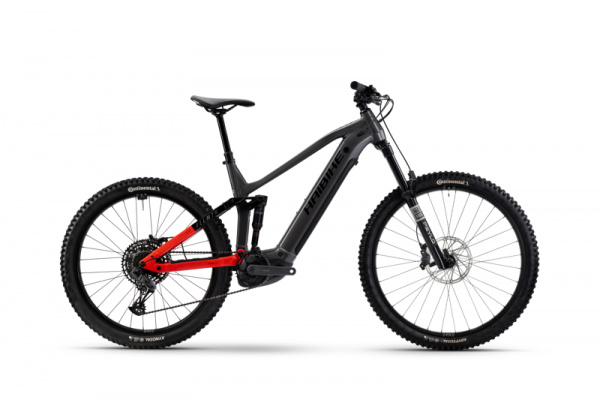
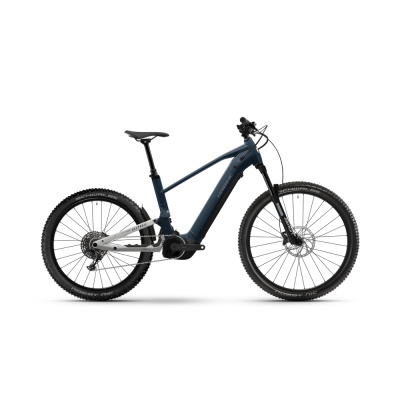
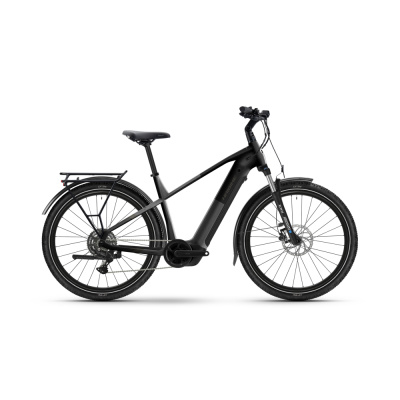
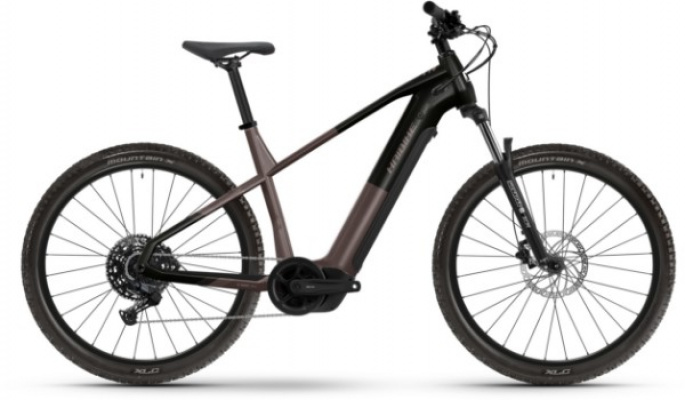
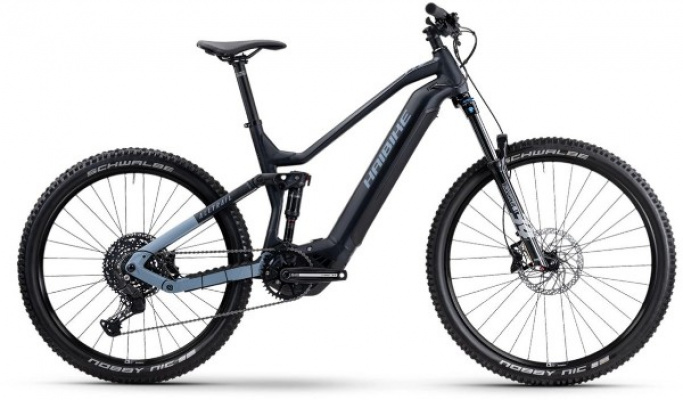
Prices and availability can change quickly. Delivery charges are not always included in listed prices.
Final price, stock status and delivery terms are set by retailer. We may receive a commission on purchases made.
Decoding the Haibike E-Bike Lineup
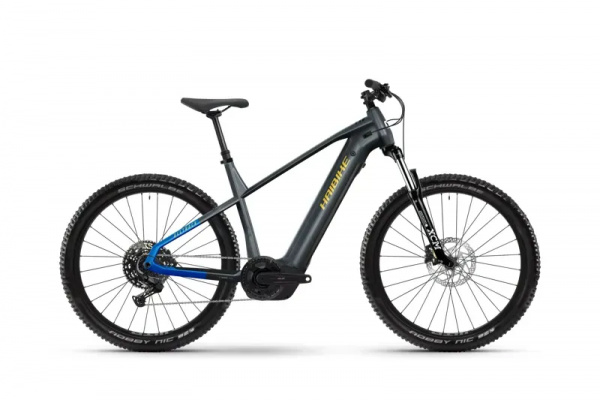
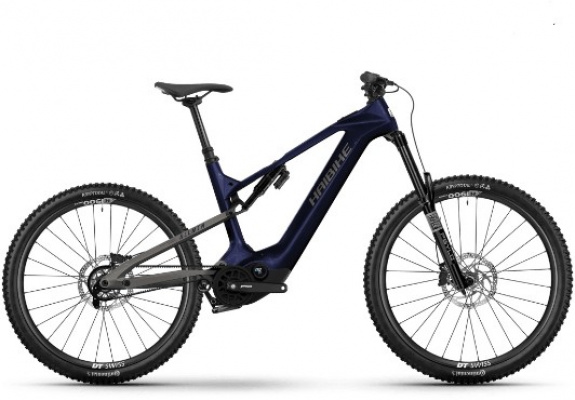
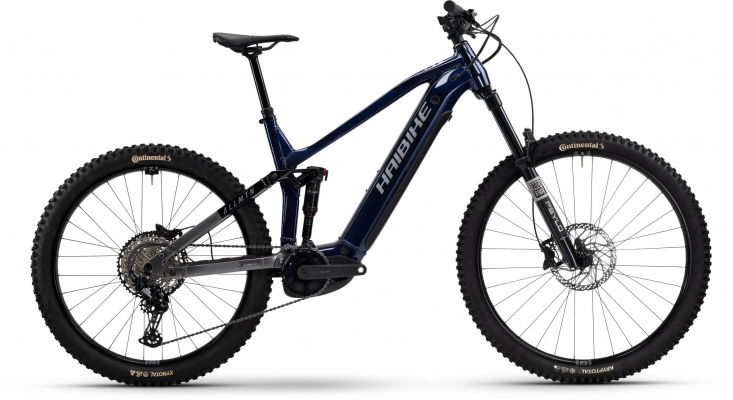
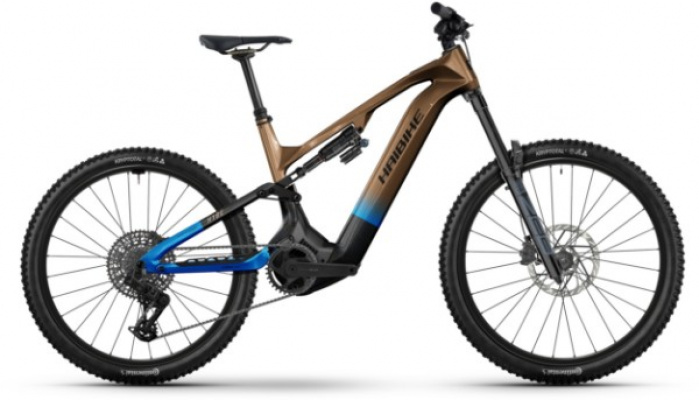
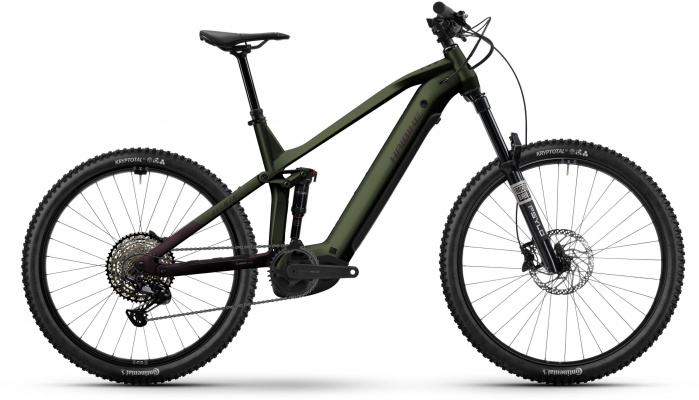
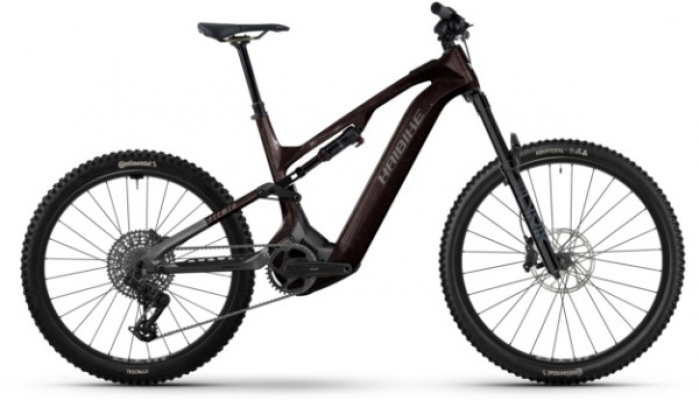
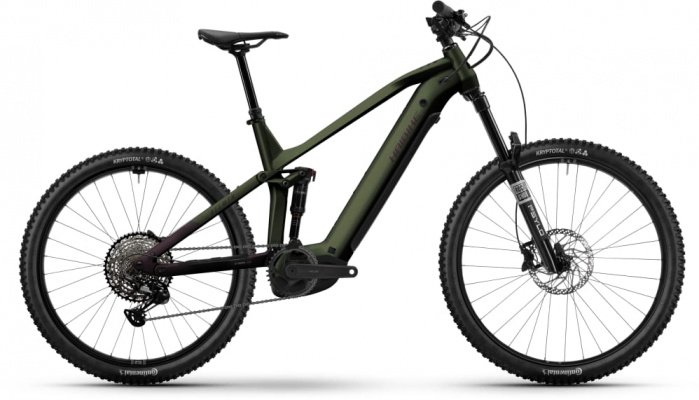
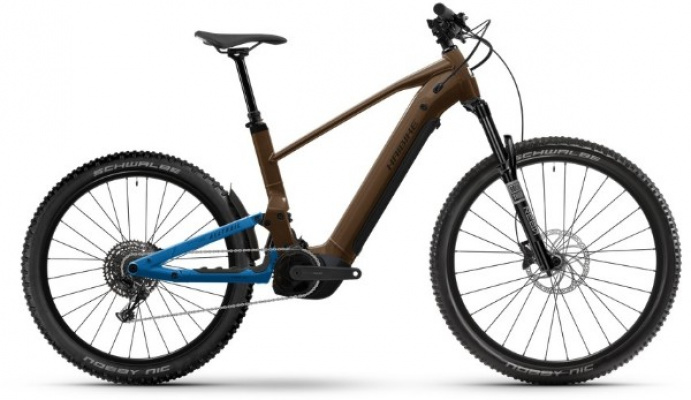
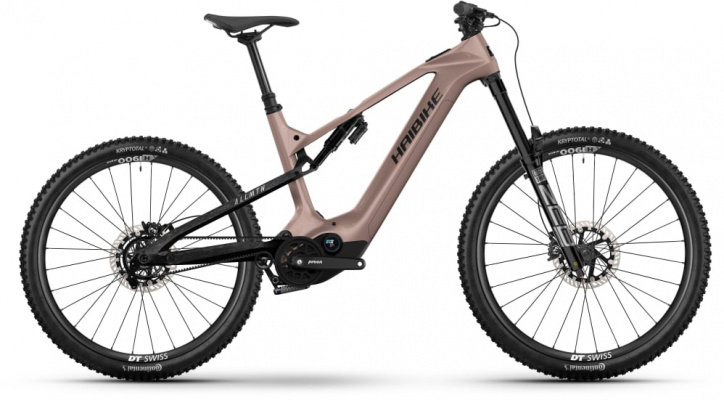
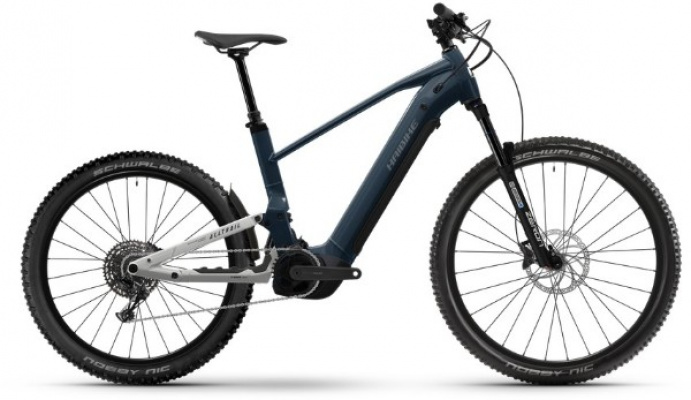
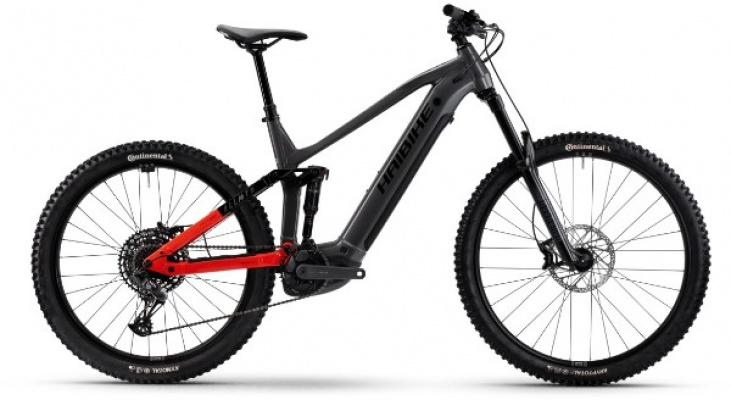
Haibike's range is broader than it first looks, so it's worth knowing which family does what before you start comparing spec sheets. At the sharp end sits the Nduro - 180mm of travel, slack geometry, and a chassis aimed squarely at enduro and freeride riding. If you're regularly hitting the big lines at trail centres or chasing descents in the Scottish Borders, this is the one. Step down in aggression and you hit the AllMtn, Haibike's 160mm mullet trail bike. The mixed-wheel setup (29-inch front, 27.5-inch rear) is a deliberate choice for all-round capability rather than a gimmick - more on that shortly.
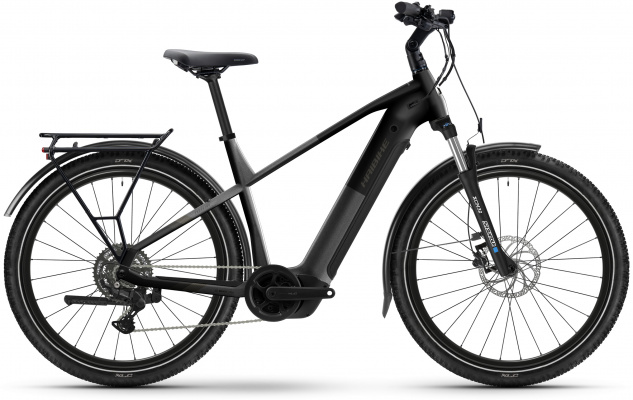
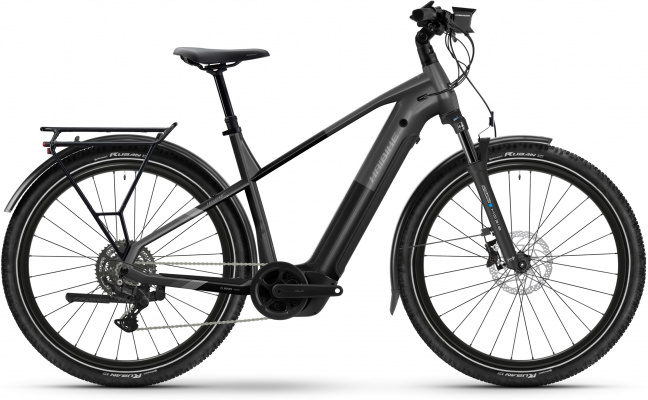
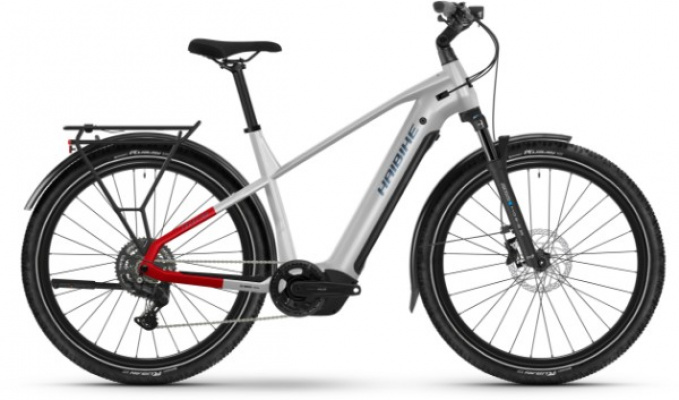
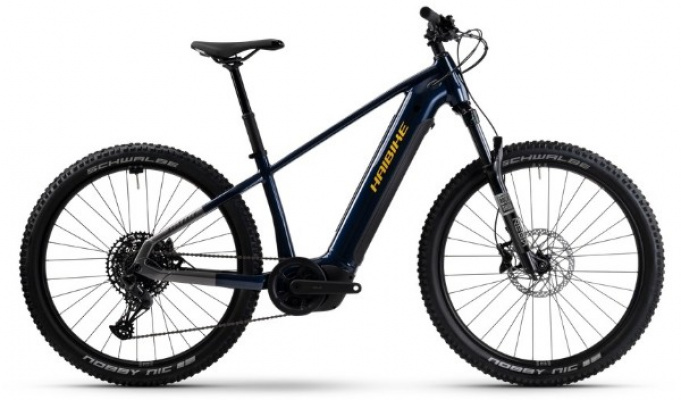
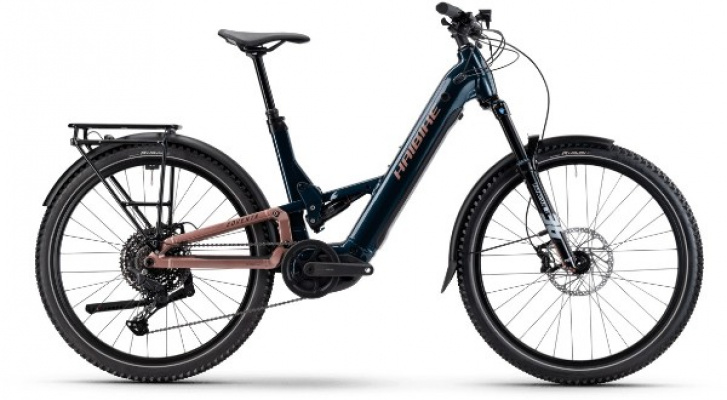
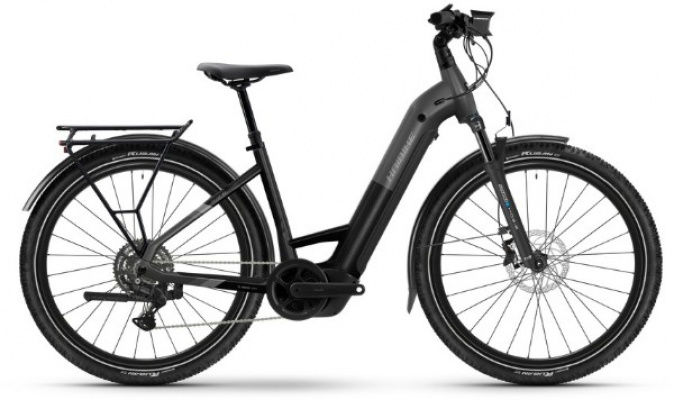
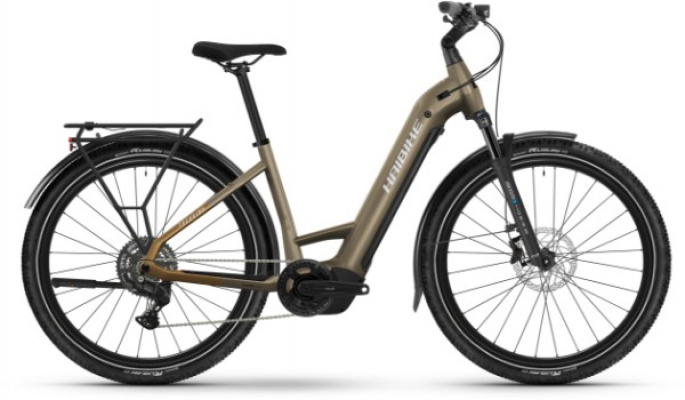
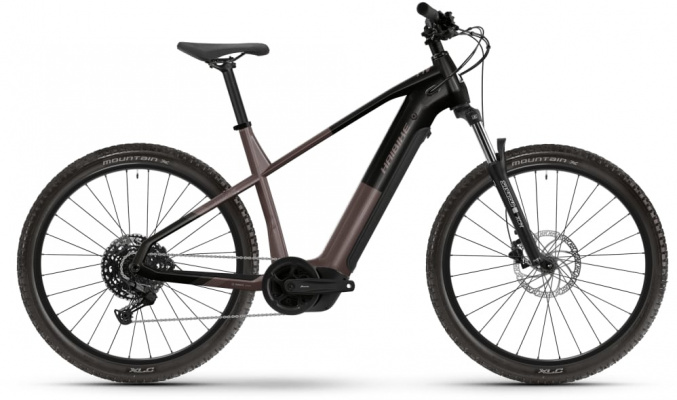
The Lyke sits apart from both. It runs a Fazua motor system, making it lighter and better suited to riders who want assistance without the heft of a full-power drive unit - think longer road-connected loops where the motor nudges rather than shoves. Then there's the Trekking range: fully-equipped, rack-and-guard-ready, and built for commuters and touring riders who want dependability over decades of daily use rather than a spec list that impresses at the bike shop.
The numbering system follows a logical pattern - higher numbers like 10 or 11 signal higher-tier componentry. A model wearing Shimano XT or Fox Factory suspension is sitting at the top of its range; an 8-series might run Shimano SLX and RockShox Select forks. Same frame, meaningfully different ride feel and long-term durability under hard use. Worth paying attention to when comparing prices.
The Tech That Sets Haibike Apart
Three pieces of proprietary engineering come up again and again when you dig into what Haibike actually does differently. The first is the InTube Battery Concept (IBC) - the battery sits fully within the down tube rather than being surface-mounted, which keeps the frame's centre of gravity low and the overall silhouette clean. Practically, it means the bike handles more like an analogue frame than a brick with wheels, and there's less exposed hardware to take knocks on the trail.
The Modular Rail System (MRS) runs along the underside of the down tube and changes what you can do with the bike without modifying the frame. You can clip on a water bottle cage, a frame bag, or - usefully for longer days in the hills - a range-extender battery. No drilling, no permanent commitment. It's a small thing that makes a real practical difference on a full day's riding when you're not sure how much motor you'll need.
Then there's the SkidPlate. Made from impact-resistant plastic, it shields the Bosch or Yamaha motor housing from the rock strikes and root impacts that happen constantly on technical trails. It's replaceable, which matters - motor housing damage on an eMTB is a costly repair, and the SkidPlate absorbs the punishment so the drivetrain doesn't have to. If you're running any Haibike hard on rocky ground, check the plate regularly. A cracked or missing SkidPlate isn't a cosmetic issue.
The ePerformance geometry underpins all of this - longer reach figures, slacker head angles, and a lower bottom bracket than you'd typically find on a non-assisted trail bike of the same wheel size. It's tuned for the fact that you're climbing more technical ground than a non-assisted rider would attempt, and descending with the added weight of a motor and battery system. Getting the geometry right for both directions is harder than it sounds, and Haibike has been refining it for longer than most.
Living with a Haibike in the UK
The AllMtn's mullet setup earns its keep in British winter conditions. Running a 27.5-inch rear wheel gives the back end a tighter arc through muddy switchbacks - the kind you find deep in the Welsh valleys or on the Peak District's more gnarly bridleways - while the 29-inch front wheel rolls over root tangles and wet rock more confidently. It's not a compromise; it's a considered answer to the conditions most UK trail riders actually face rather than the dry, fast trails the spec is sometimes benchmarked against.
Battery and motor sealing matters here more than in most markets. British riding means water, grit, and more water. Haibike's motor housings and battery covers are designed with wet-weather use in mind, but a gritty paste of mud packed around the SkidPlate can cause heat build-up in the motor over extended climbs - worth clearing out at the trailhead if you've come through a particularly mucky section. Keep the area around the motor vents clean and the drive system will manage its temperature properly on long, steep hauls.
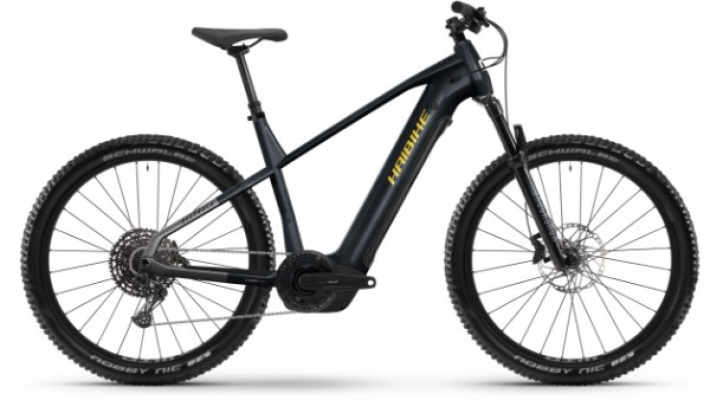
The Bosch Performance Line CX, fitted to the higher-spec eMTB models, delivers the kind of torque that turns a brutal, slippery Peak District climb from a battle into something approaching manageable. The Yamaha PW-X3, found on other models in the range, is a lighter, more compact unit with a narrower Q-factor - better for riders who find a wide motor stance affects their pedalling comfort on longer efforts. Neither is objectively better; they suit different riding styles and priorities.
If you're weighing up the AllMtn against rivals, it's worth looking at what Cube e-bikes offer at similar price points - the Stereo Hybrid range is a common comparison. Cannondale e-bikes are worth a look if you want a different take on Bosch-powered trail geometry, and Bergamont e-bikes offer a quieter alternative in the trekking space. Haibike's advantage is typically in the depth of their motor integration and the specificity of their eMTB geometry - brands new to the category haven't had as long to get it right.
Keep your Haibike shifting crisply through winter grime by regularly checking your drivetrain - stock up on Haibike Jockey Wheels and spare Hangers and Drop Outs for uninterrupted riding through the rougher months. A snapped hanger on a remote ride is easily avoided with a spare in your pack.
Related searches:
Haibike E-Bikes FAQs
Are Haibike e-bikes any good?
Haibike is genuinely one of the most experienced names in electric mountain biking - they were building purpose-engineered eMTBs before most brands had accepted the category existed. Build quality is robust, motor integration is among the most refined in the industry, and the geometry is developed specifically for assisted riding rather than adapted from a non-electric platform. They hold up well under serious use.
What motors do Haibike use?
Haibike fits Bosch and Yamaha mid-drive systems across the range. High-end trail and enduro models typically run the Bosch Performance Line CX - a high-torque unit well suited to technical climbing - or the Yamaha PW-X3, which is lighter and narrower. The Lyke range uses a Fazua motor for a lighter, less intrusive assist. Which suits you depends on how much power you need and how much motor weight you're willing to carry.
Is Haibike a German brand?
Yes. Haibike is headquartered in Schweinfurt, Germany, where the design and engineering work is done. Frames are manufactured in Taiwan under strict quality controls before final assembly. It's a common setup across premium European cycling brands and doesn't affect the quality of the finished product.