
Gripgrab Overtrousers
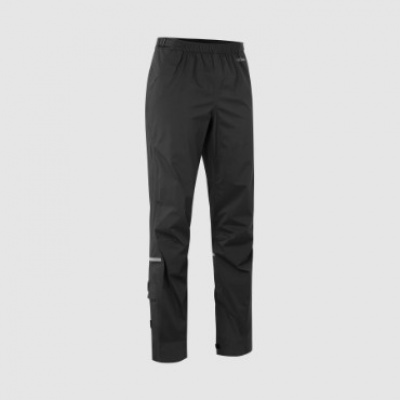
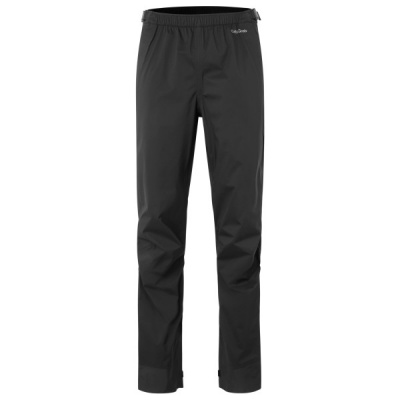
GripGrab Waterproof Overtrousers bring Danish all-weather thinking to your commute and trail rides, built for the kind of weather that makes you question your life choices halfway through a wet November morning. These cycling rain pants lean on a 15,000mm water column rating and AquaRepel technology to keep you dry when the skies open, while breathable 3-layer fabric construction stops you turning into a mobile sauna. They pack down small enough to live in a pannier or hip pack, ready to deploy when the forecast lies to you.
GripGrab's roots in extremities - gloves, overshoes - mean they understand how water sneaks in. That knowledge shows in the details: fully taped seams, velcro ankle adjusters that seal out spray, and articulated knee fit that doesn't fight your pedal stroke. High-vis commuter options give you 360-degree reflective visibility for urban rides, while reinforced panels on MTB waterproof pants handle bramble-lined bridleways and gritty Pennine singletrack without shredding. Whether you're layering over jeans for the school run or pulling them on over bib tights before a gravel loop in the Brecon Beacons, these breathable commuter trousers balance protection with packability.
Prices and availability can change quickly. Delivery charges are not always included in listed prices.
Final price, stock status and delivery terms are set by retailer. We may receive a commission on purchases made.
The AquaRepel Shield: How the Fabric Works
AquaRepel Water-Resistant Technology is GripGrab's answer to sustained downpours. The 15,000mm water column rating means the fabric can withstand a column of water fifteen metres tall before it starts to leak - more than enough for anything the British climate throws at you, short of riding through a car wash. That figure matters because cheaper shells often tap out around 5,000mm, fine for drizzle but hopeless when you're caught in a Lake District deluge.
The 3-layer fabric construction bonds a waterproof membrane between an outer face fabric and inner lining, so there's no clammy separate liner flapping around. Breathability comes from moisture vapour permeability (MVP), letting sweat escape as vapour while blocking liquid water. Fully taped seams are critical - unfinished stitching is a motorway for rain - so every needle hole gets sealed with waterproof tape during manufacture. The PFC-free DWR treatment (Durable Water Repellent) beads water off the surface, keeping the outer layer from saturating and maintaining breathability. PFC-free means no perfluorinated chemicals, a nod to environmental responsibility without sacrificing performance.
Abrasion resistance varies by model. Commuter-focused pairs use lighter fabrics to save weight and bulk; MTB-specific versions add reinforced panels at the seat and knees where trail debris and pedal strikes concentrate. Think of it as the difference between a shell for staying dry and armour for staying intact.
Fit That Moves With You
Articulated knee fit is the difference between trousers that ride up and bunch behind your knee and a pair that follows your pedal stroke. GripGrab pre-shapes the knee area to match the bent-leg position you hold on the bike, using curved seam lines and sometimes a gusseted panel. Sounds fussy, but it stops fabric pooling in your popliteal fossa (the back of your knee) and rubbing with every revolution.
Velcro ankle adjusters do two jobs: cinch the cuff tight to stop water running into your shoes, and keep the fabric clear of your chain and cassette. A flapping trouser leg catching your chainring is a fast way to ruin both your trousers and your morning. Most GripGrab models use a simple hook-and-loop tab or an elasticated stirrup that tucks under your shoe. Check which system suits your footwear - some riders prefer the stirrup for MTB shoes with aggressive tread, others find velcro tabs cleaner with road cleats.
Sizing for layering is where you need to think ahead. Do cycling overtrousers fit over jeans? Yes, if you size up and choose a commuter cut. Relaxed-fit models leave room for casual trousers or even chinos underneath, handy if you're riding to the office and don't want to change. Performance cuts are tailored closer to the leg, designed to slip over bib tights or bare legs without excess fabric flapping in the wind. If you're between sizes and plan to layer over denim, go larger. If you're racing or riding fast and want aero efficiency, stick true to size over Lycra.
When to Pull Them On
Overtrousers aren't a year-round layer - they're a tactical piece. Spring and autumn showers are prime time: temperatures hover around 8 - 15°C, rain comes in bursts, and you don't want the weight or sweat penalty of full waterproof trousers all day. Stuff a pair in your pack, pull them on when the sky darkens, strip them off when the sun breaks through. Packable cycling trousers excel here because they compress into a jersey pocket or bar bag.
Deep winter commuting is different. When it's 2°C and sleeting, overtrousers become a permanent layer, not an emergency shell. The windproof qualities of a 3-layer fabric cut the chill, and the waterproofing keeps you dry through hour-long slogs across exposed fen roads or the Cairngorms plateau. Pair them with a thermal base layer and you've got a system that works down to freezing without feeling like you're wrapped in bin bags.
Temperature regulation is the trade-off. Even breathable fabrics trap more heat than soft-shell or unlined trousers, so if you're hammering intervals or climbing steep Welsh singletrack, you'll cook. Vent zips help - some models add thigh or side zips - but they're not standard across the range. If you run hot, save overtrousers for steady-state rides or commutes where you're not redlining. If you're a cold-blooded rider who layers up in October and doesn't strip down until May, you'll appreciate the extra insulation.
From Extremities to Core Protection
GripGrab started with gloves and overshoes, the bits that get coldest and wettest first. That focus on extremities taught them how water behaves: it runs down, pools at cuffs, and sneaks through stitching. When they expanded into jackets and overtrousers, they carried that detail obsession with them. Reflective visibility, for instance, isn't an afterthought - it's often 360-degree coverage, because they know commuters need to be seen from every angle in Copenhagen traffic or Manchester rush hour.
Scandinavian weather expertise means designing for rain that doesn't quit and wind that cuts through gaps. Danish winters are wet, dark, and windy - not as cold as you'd think, but relentlessly damp. GripGrab's overtrousers reflect that: they prioritise waterproofing and visibility over extreme insulation, because staying dry and seen matters more than staying warm when you're generating heat on the bike. That philosophy suits UK riding perfectly, where our winters are mild but soggy, and our commutes often happen in the dark.
The brand's evolution into full apparel hasn't diluted their accessories strength. If you're kitting out for foul weather, pairing GripGrab overtrousers with their overshoes and waterproof gloves gives you a cohesive system where every seal and cuff is designed to work together. It's not essential, but it's tidy - and when you're standing in a car park in Cumbria watching horizontal rain, tidy details matter.
What Works, What Doesn't
Pros: The 15,000mm waterproofing and taped seams keep you genuinely dry through sustained rain, not just light drizzle. Articulated knees and ankle adjusters make them practical for actual riding, not just standing around. Packability means you'll actually carry them, which is half the battle with rain gear.
Limitations: Breathability has limits - push hard and you'll sweat, especially if there are no vent zips. Relaxed commuter fits can feel baggy over Lycra if you size up for jeans; performance cuts won't accommodate bulky casual trousers. Reflective detailing is excellent on high-vis models but varies across the range, so check if visibility is a priority.
How do you wash GripGrab waterproof trousers without wrecking them? Machine wash at 30°C on a gentle cycle, using a tech wash (not regular detergent, which clogs the membrane, and never fabric softener, which kills DWR). Tumble dry on low heat if the care label allows - the heat reactivates the water-repellent coating. Do that every few washes and the fabric keeps beading water instead of wetting out.
If you're comparing, Endura overtrousers often add more reinforcement for trail abuse, while Altura and Madison tend to focus on commuter value with simpler fabrics. GripGrab sits in the middle: serious waterproofing, thoughtful details, and a Danish design sensibility that doesn't shout but delivers when the weather turns.