
Gripgrab Jackets
GripGrab cycling jackets come from a Danish brand that has spent decades designing outerwear for weather that genuinely means business - and the UK's mix of horizontal rain, freezing descents, and muggy climbs is exactly the kind of brief they thrive on. Where a lot of cycling jackets compromise somewhere, GripGrab's range is structured around three things that actually matter when you're an hour from home and the sky turns: waterproofing that holds up under sustained downpours, breathability that stops you cooking on the climbs, and a fit engineered to stay put at 25 mph rather than billowing like a spinnaker.
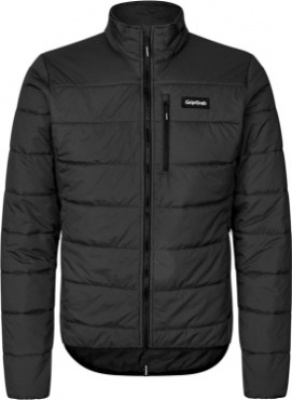
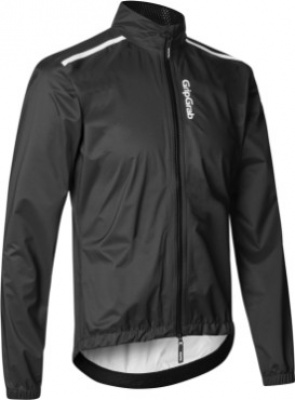
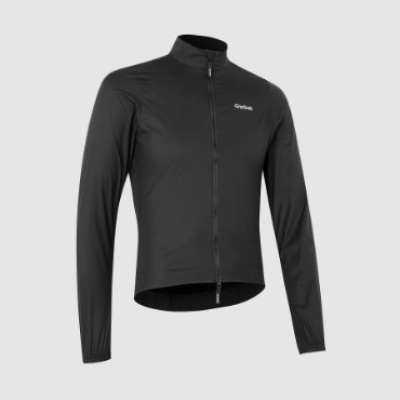
The range spans from featherlight packable shells you can stuff into a jersey pocket before a sportive to serious deep-winter softshells built for freezing headwinds. DWR coatings shed the initial hit of road spray; fully taped seams and multi-layer breathable membranes handle the heavier stuff. Reflective detailing keeps you visible when November afternoons do their worst. Whether you're riding through a Welsh valley or battling across an exposed Peak District plateau, there's a GripGrab jacket positioned to handle the day. Here's how to find the right one.
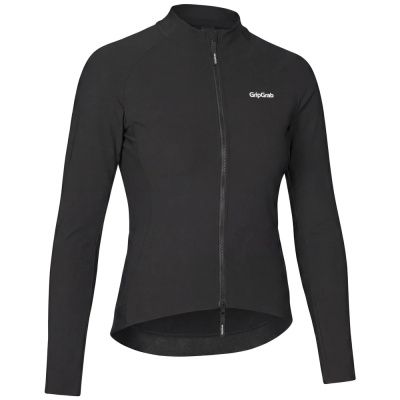
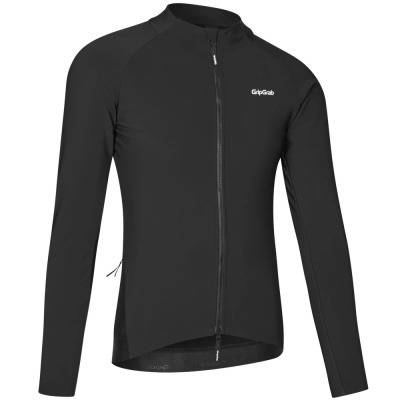
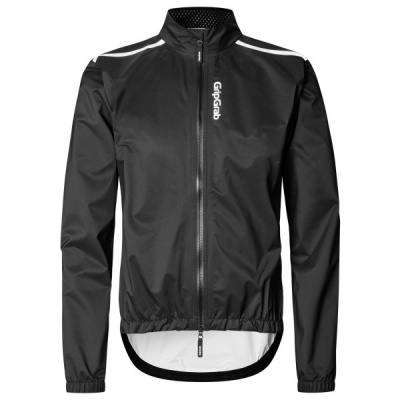
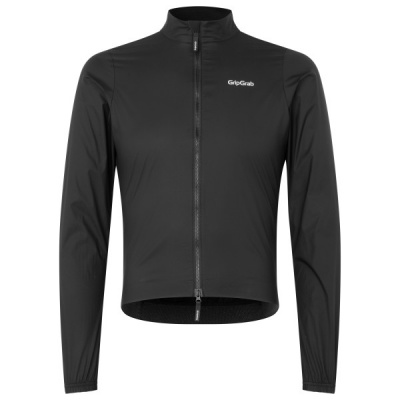
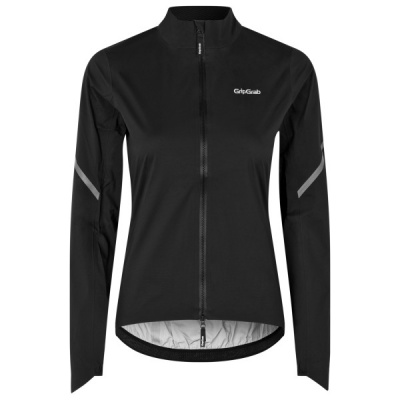
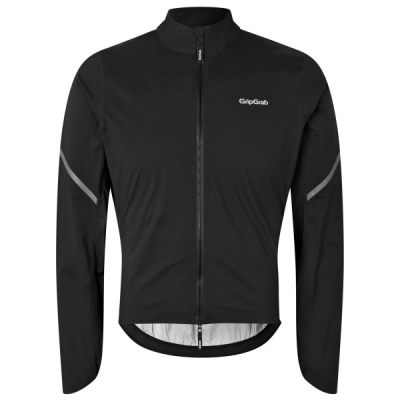
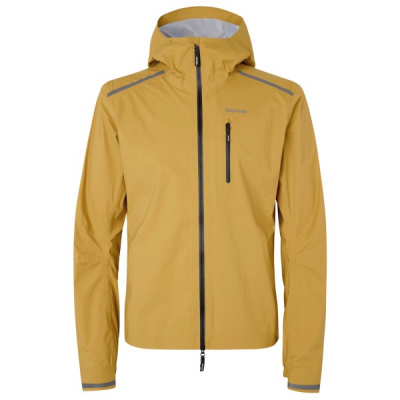
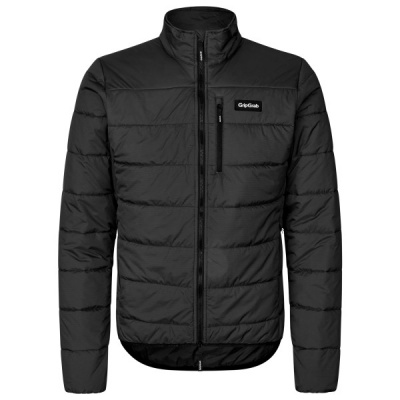
Prices and availability can change quickly. Delivery charges are not always included in listed prices.
Final price, stock status and delivery terms are set by retailer. We may receive a commission on purchases made.
Fabric Tech and Weather Performance
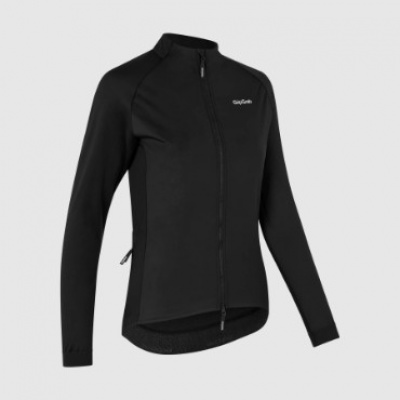
GripGrab splits its jacket range along a clear line: softshells for cold, blustery days where wind chill is the real problem, and hardshell rain jackets for when the sky genuinely opens. Understanding that distinction saves you buying the wrong tool. A softshell uses high-stretch woven fabric - often bonded to a thin fleece backer - that's windproof, highly water-resistant, and far more breathable than a waterproof membrane. It'll handle drizzle and road spray without complaint. What it won't do is keep you dry through two hours of proper Welsh rain. That's not a flaw; it's physics.
For full waterproofing, GripGrab's hardshell jackets use multi-layer breathable membranes with fully taped seams. Taped seams matter more than most people realise - an uncoated stitch line is basically a row of tiny holes, and once water finds them you'll know about it. Hydrostatic head ratings give you a measurable sense of how much water pressure the fabric can resist before moisture pushes through; GripGrab's dedicated rain jackets sit at ratings that will cope with sustained heavy downpours rather than just light showers. The breathable membrane on these jackets allows water vapour - your sweat - to escape outward while blocking liquid water coming in. That balance is what separates a jacket you can actually climb in from one that leaves you soaked from the inside out. High-intensity efforts on a wet day are where a low breathability rating betrays itself fastest.
DWR (Durable Water Repellent) treatments are applied to the outer face fabric of both softshell and hardshell jackets. Fresh DWR causes water to bead and roll off instantly. As the treatment wears, water starts to wet out the face fabric - it doesn't leak through immediately, but it does compromise breathability and adds weight. Worth keeping an eye on, and easy to address (more on that below).
Understanding the GripGrab Fit and Range
The cut across GripGrab's jacket range is athletic and close, shaped specifically for the riding position rather than standing upright. That means a shorter front hem that doesn't bunch when you're bent over the bars, a drop tail at the rear that keeps draughts off your lower back on long descents, and a high collar that actually covers your neck rather than gaping. High-stretch fabrics in the body and sleeves help the jacket move with you rather than fighting against shoulder and arm movement - a real difference on longer rides where a restrictive jacket becomes genuinely fatiguing.
On sizing: GripGrab's fit is close by design, and if you're planning to layer a heavy winter jersey underneath, sizing up is the sensible call. The jackets are cut to work over a base layer and a mid-weight jersey without excess material creating drag or bunching. Go too large and you lose the flap-free fit that makes them work aerodynamically; go true to size with a thick thermal jersey underneath and you'll feel it across the shoulders. If you're between sizes and ride primarily through autumn rather than deep winter, true to size with a merino mid-layer usually works well. Looking for core protection without the bulk of full sleeves? Check out our dedicated GripGrab Gilets range for highly packable wind protection that pairs cleanly with arm warmers on variable days.
Compared to something like Castelli jackets, which often prioritise an extremely race-close silhouette, GripGrab's fit allows slightly more layering room without sacrificing the purposeful cut. Endura jackets tend to offer more relaxed options across the range, which suits riders who prefer a bit more freedom of movement. dhb jackets frequently undercut on price at a similar spec level, though GripGrab's attention to panel construction and finish detail tends to show over extended use.
Layering and Care for UK Riding
A jacket is only part of the system. What you wear underneath determines whether you stay warm and dry or just manage to stay slightly less miserable. For UK winter riding, a moisture-wicking GripGrab base layer does the heavy lifting of moving sweat away from your skin. Merino base layers regulate temperature well and handle the smell of a long ride better than synthetics, but synthetic options dry faster - useful if you're washing kit between consecutive winter days. The base layer choice affects how hard your jacket's membrane has to work; a base layer that leaves you damp against your skin will make even a good jacket feel cold.
Don't neglect the extremities either. A jacket that performs perfectly becomes academic if your hands are too cold to brake properly - GripGrab gloves and overshoes round out a system that actually keeps you out longer. Layering thin and adding a jacket beats trying to make one thick mid-layer do everything.
On washing: this is where a lot of riders quietly ruin perfectly good jackets. Biological detergents - the standard stuff most people have under the sink - contain enzymes that break down DWR coatings over time. Use a specialist technical wash or a non-bio detergent, and avoid fabric conditioner entirely. Wash on a gentle cycle, low temperature. Once the DWR starts to wet out (you'll notice water soaking in rather than beading), a tumble dry on low heat can partially reactivate it. For a more thorough refresh, a spray-on DWR reproofer applied after washing and then heat-set will restore water-beading performance close to new. It takes ten minutes and extends the jacket's effective life significantly.
Gripgrab Jackets FAQs
Are GripGrab cycling jackets true to size?
Generally, yes - but the cut is close and athletic, shaped for the riding position rather than everyday wear. If you're planning to layer a thick winter jersey underneath, size up. Running true to size over a base layer and mid-weight jersey works well for most riders across autumn and shoulder-season conditions.
How waterproof are GripGrab rain jackets?
GripGrab's dedicated hardshell rain jackets use multi-layer membranes and fully taped seams, giving them high hydrostatic head ratings that hold up in heavy, sustained rain. Their softshell jackets are highly water-resistant - fine for drizzle and road spray - but will eventually let water through during prolonged downpours. Know which you're buying before the ride.
What is the difference between a cycling softshell and a hardshell rain jacket?
A softshell prioritises stretch, warmth, and breathability. It handles cold, windy days and light rain well, but isn't built for a full soaking. A hardshell is a thinner, non-insulated waterproof layer with taped seams engineered specifically to block heavy rain - you'll need warm layers underneath, but nothing will get through when the weather turns serious.