
Giant Road Wheels
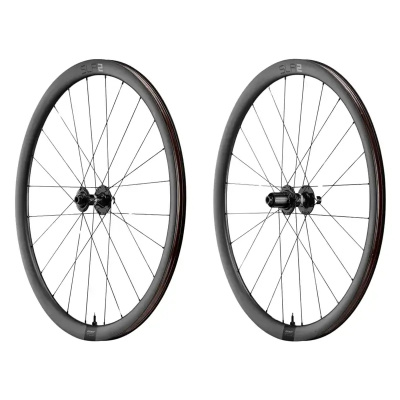
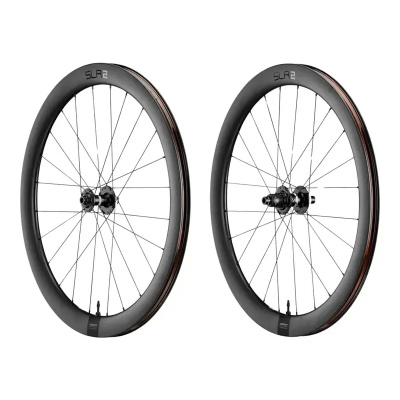
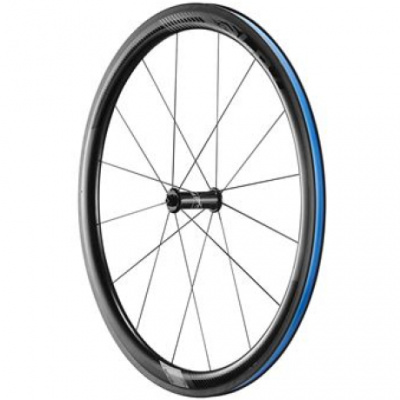
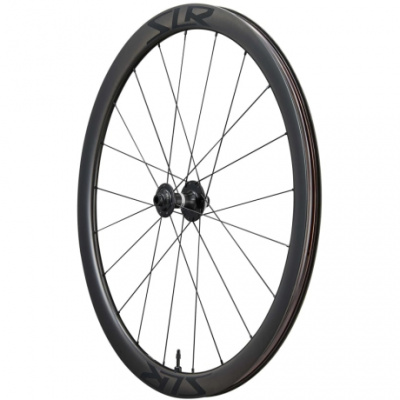
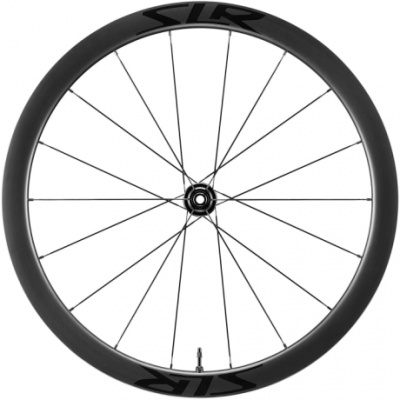
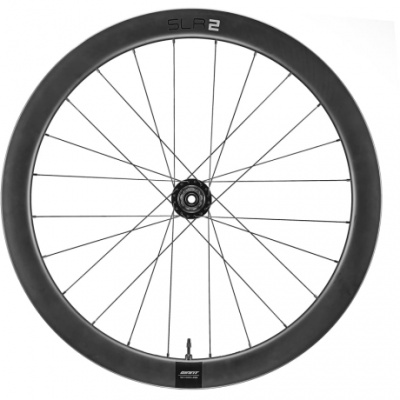
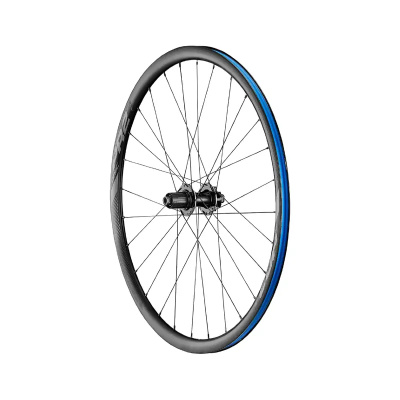
Giant road wheels sit in a rare position: the brand actually manufactures its own carbon rims in-house, so the engineering decisions that shape each wheelset aren't outsourced or compromised. That matters when you're comparing aero depth, carbon layup quality, and structural integrity across price points. The SLR carbon range uses hookless rim profiles and Giant's proprietary Dynamic Balanced Lacing (DBL) system, both of which feed directly into stiffness and power transfer on the road. The PR-2 alloy wheelsets, meanwhile, remain a dependable workhorse option for everyday mileage and wet-weather training. Whether you're hunting a direct replacement for a worn-out training wheel or stepping up to a race-ready carbon wheelset, the range covers disc and rim brake setups across multiple rim depths. UK roads have a way of sorting good wheels from great ones - potholed B-roads, gritty post-winter lanes, and exposed coastal crosswinds all put rims under real stress. Giant's approach to rim construction and hub quality addresses those conditions more deliberately than most. Browse the wheelsets below, and if gravel or off-road is your focus, our Giant road tyres page is worth a look alongside whichever wheelset catches your eye.
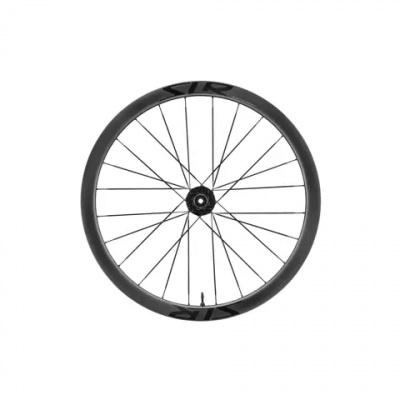
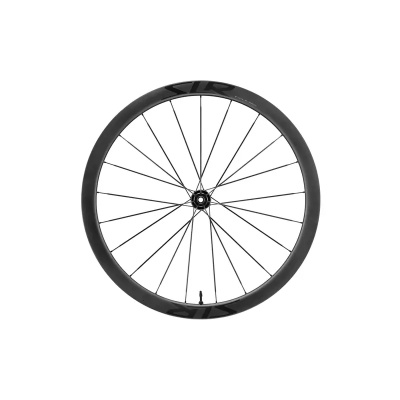
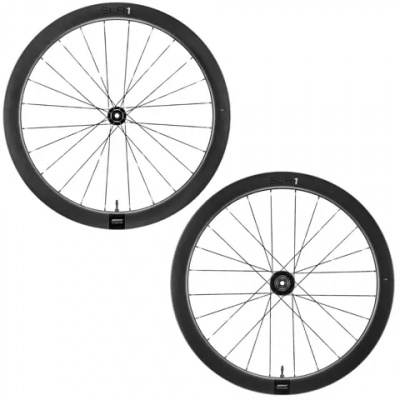
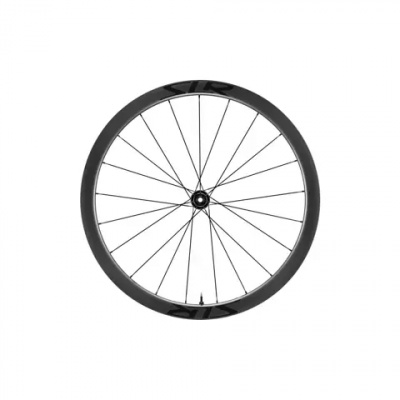
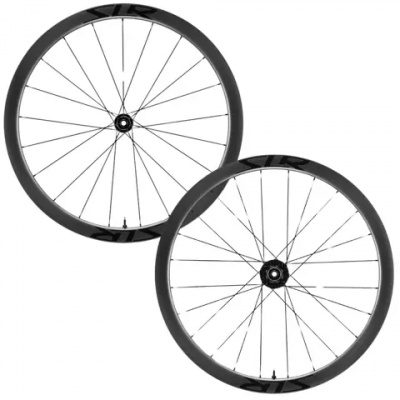
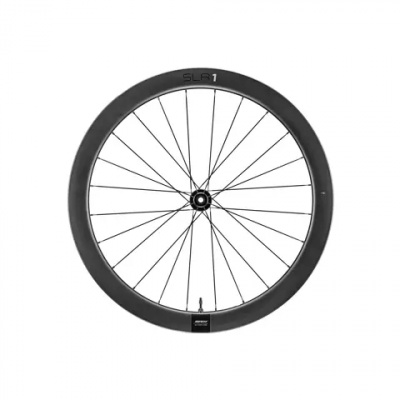
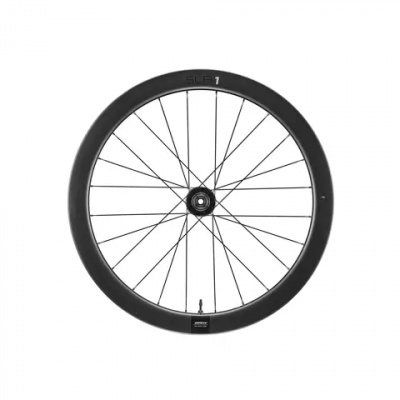
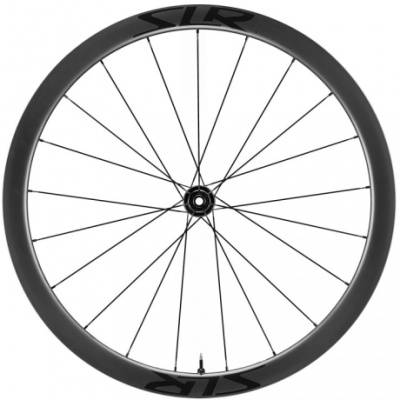


Prices and availability can change quickly. Delivery charges are not always included in listed prices.
Final price, stock status and delivery terms are set by retailer. We may receive a commission on purchases made.
Getting the Fit Right: Axle Standards, Rotor Mounts, and Hookless Basics
Before anything else: check compatibility. Giant's modern carbon road wheels - the SLR 1 and SLR 2 in particular - use Hookless Rim Technology, which means the rim bead has no hook to retain a clincher tyre. Standard clincher tyres are not safe on these rims. Full stop. You must use tubeless-ready tyres that are explicitly listed as hookless-compatible by either Giant or the tyre manufacturer. Giant publishes an official hookless tyre compatibility chart, and it's worth bookmarking before you start shopping for rubber. Fitting an unapproved tyre risks a sudden blowout under pressure - not a scenario you want on a descent.
On the axle side, Giant's disc-specific road wheels follow modern standards: 12x100mm thru-axle at the front, 12x142mm at the rear. Rotor attachment is Centerlock across the disc range, so you'll need a Centerlock-compatible rotor or a Centerlock-to-6-bolt adapter if your existing rotors are the older standard. Rim brake versions use standard quick-release spacing, but those are increasingly rare in the current lineup. If you're building up a new disc wheelset and want to pair everything correctly from the start, our Giant inner tubes page covers compatible tyre and tube options to complete the setup.
One more thing worth flagging: if your riding is drifting toward gravel or mixed-surface routes, Giant's road wheelsets aren't the right category. The rim widths and hookless profiles are optimised for road tyres in the 25 - 32mm range. For anything wider or more aggressive, look at dedicated gravel-specific options separately.
Breaking Down the Range: PR, SR, SLR, and Where CADEX Fits
Giant's road wheel lineup runs across a few clear tiers, and understanding where each sits saves you from spending more - or less - than the riding actually demands.
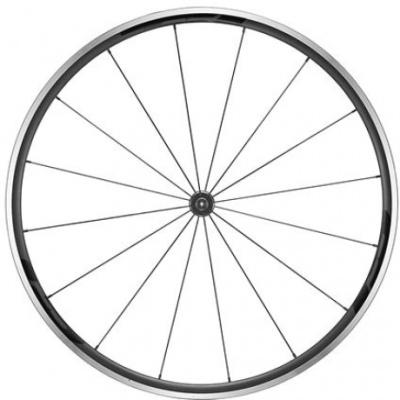
At the base, the PR-2 and SR-2 alloy wheelsets are straightforward OEM replacements. They're not flashy, but they're well-built, tubeless ready, and handle British winters without drama. If you've worn out the stock wheels on a mid-range Giant road bike, these are the natural like-for-like swap. Solid choice for commuting, sportives, and training blocks where you'd rather not worry about the wheels.
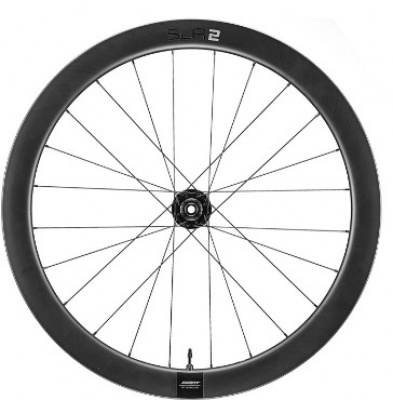
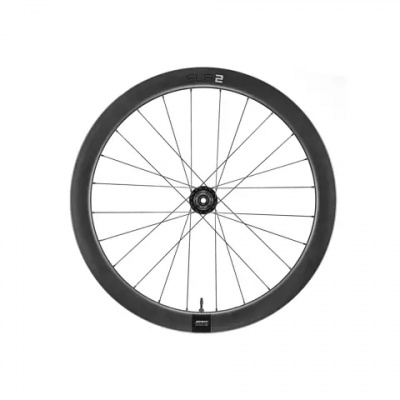
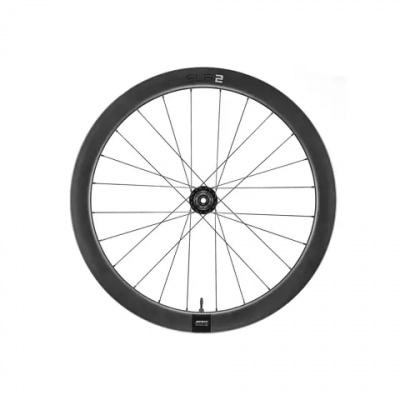
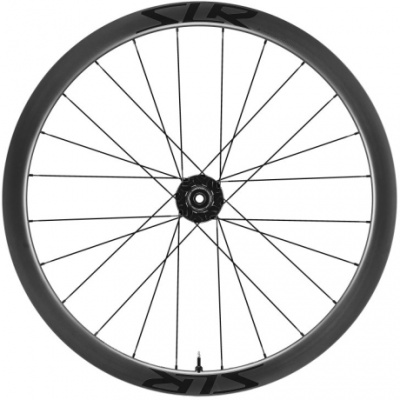
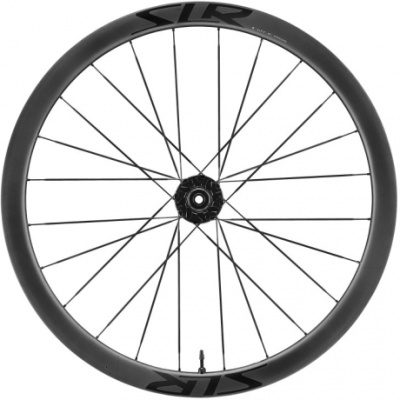
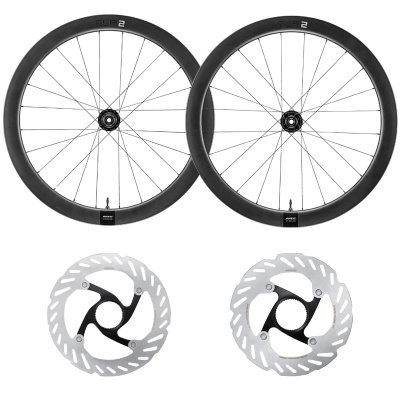
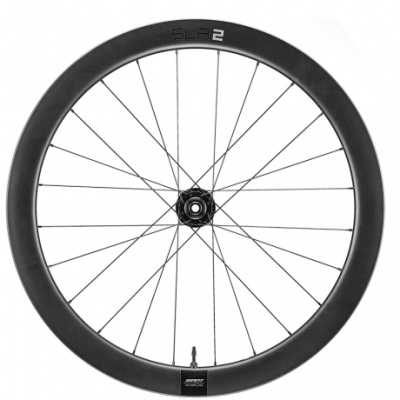
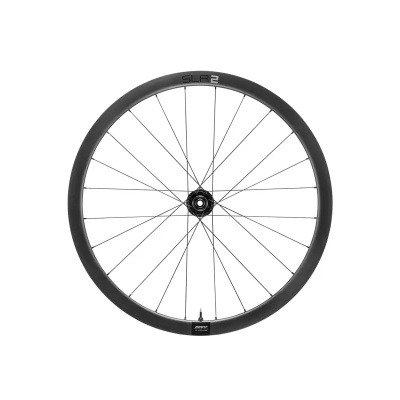
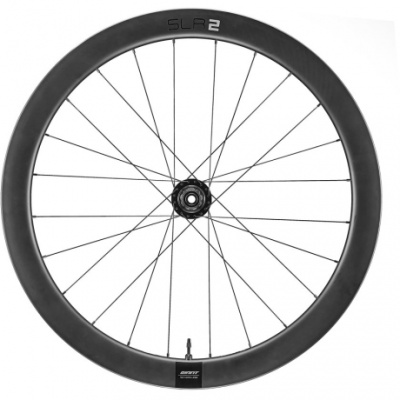
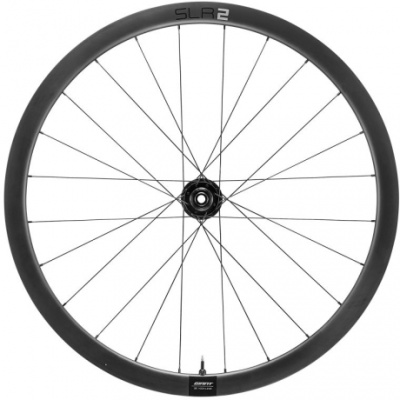
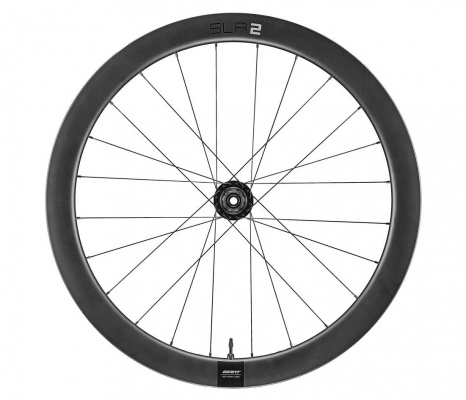
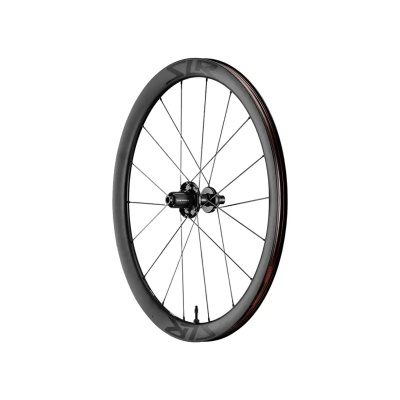
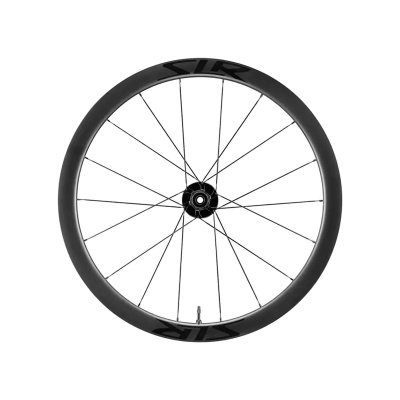
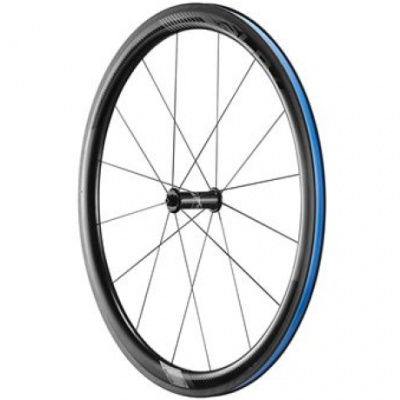
The SLR 2 is where carbon enters the picture at a more accessible price point. You get the hookless carbon rim construction and DBL spoke lacing, but the hub internals are standard spec. It's a meaningful step up from alloy in terms of weight and stiffness - noticeable on longer climbs and when you're pushing hard through a fast section - without crossing into premium pricing territory. Good value carbon, effectively.
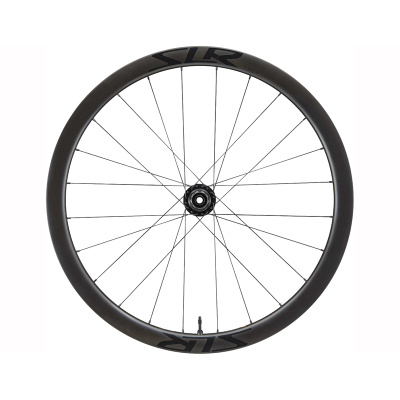
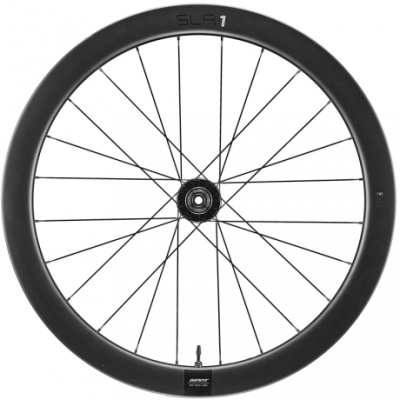
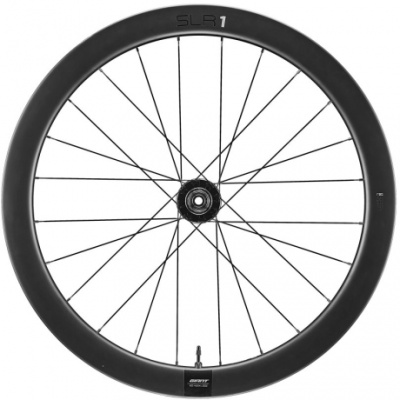
The SLR 1 is the flagship within the standard Giant range. The carbon layup is more refined, the rim profiles are more aggressively engineered, and crucially, the hub internals are upgraded to low-friction units - often DT Swiss 350-based - which gives you finer freehub engagement and better bearing longevity. That hub quality is something you feel when sprinting or accelerating out of corners: tighter, more immediate response. For riders who race or do regular fast club rides, the SLR 1 is the serious option. For comparison, Bontrager road wheels and DT Swiss road wheels operate in a similar bracket at the top end, but Giant's in-house manufacturing gives it a structural consistency that's worth noting.
Above all of that sits CADEX - Giant's ultra-premium wheel brand, developed with the same in-house carbon expertise but taken to a higher level of engineering refinement. If you're after the absolute pinnacle of aero performance and weight reduction without switching brands entirely, CADEX road wheels are the logical next step. They're a different conversation in terms of price, but they share Giant's core rim technology philosophy.
Dynamic Balanced Lacing (DBL) runs through the SLR range and is worth understanding properly. Rather than using identical spoke tension front and rear, DBL tensions the spokes to account for the asymmetric loads generated under pedalling. The result is a wheel that tracks straighter under power and resists flex more effectively - particularly noticeable on long, steady climbs where you're grinding rather than sprinting. It's not marketing language; it's a real engineering solution to a real problem in wheel design.
Keeping Giant Wheels Running Through a British Winter
UK roads are rough on wheelsets. Anyone who's ridden a poorly maintained B-road in the Peaks or dropped into a hidden pothole on a wet Welsh lane knows exactly what we mean. Giant's hookless carbon rim construction actually handles impact stress well in this context - the continuous carbon fibre structure around the rim bead distributes load more evenly than a hooked rim, reducing the risk of localised cracking. That's one practical advantage of hookless that rarely gets mentioned outside technical circles.
Bearings and freehub bodies are the other pressure point. After a gritty winter of riding, grime works its way into hub internals faster than you'd expect. If your Giant wheels use DT Swiss-based internals (as the SLR 1 does), servicing is relatively straightforward - DT Swiss components are well-supported and widely available. Either way, pulling the freehub body and cleaning the pawls or ratchet system at the end of winter is good practice. Neglect it and you'll eventually get that tell-tale skip under load.
On tubeless setup: sealant doesn't last forever. Refresh it every three to six months, or sooner if you're doing regular miles on debris-heavy lanes. Dried sealant clogs valves and loses its ability to seal punctures quickly. A quick check before the season ramps up takes ten minutes and saves a roadside faff. Giant's tubeless-ready rims seat reliably with a decent floor pump in most cases, though a blast from a track pump or CO2 helps if you're struggling to get the bead to pop. Pair with one of the Giant power meters for training data that actually makes the most of an efficient wheelset. And if you're weighing up Giant against other proven options in the same conditions, Mavic road wheels are worth a look for their own approach to all-weather durability.
Giant Road Wheels FAQs
Are Giant road wheels hookless?
Most modern Giant carbon road wheels - the SLR 1 and SLR 2 in particular - use hookless rim technology. The rim bead is a continuous curve rather than a hooked edge, which improves structural integrity and creates a rounder tyre profile for better aerodynamics. It does mean you're restricted to tubeless-ready tyres that are explicitly approved for hookless rims.
What tyres are compatible with Giant hookless wheels?
You need tubeless-ready tyres that are specifically listed as hookless-compatible by Giant or the tyre manufacturer. Standard clincher tyres are not safe on hookless rims - the bead can't be retained properly and the risk of the tyre blowing off under pressure is real. Giant publishes an official compatibility chart; check it before buying rubber. Maximum pressure on hookless rims is 72.5 psi (5 bar).
What is Giant Dynamic Balanced Lacing (DBL)?
DBL is Giant's proprietary spoke lacing system. Rather than applying uniform tension across all spokes, it adjusts tension to account for the asymmetric loads that build up when you're actually pedalling. The result is a stiffer, more stable wheel under power - particularly noticeable on sustained climbs or hard accelerations - with less flex and better energy transfer to the road.
How do I set up Giant SLR wheels tubeless?
Start by checking your tyre is on Giant's hookless compatibility list. Fit a tubeless valve, seat the tyre dry, add sealant through the valve or by breaking one bead, then inflate. A good floor pump seats most beads cleanly; a track pump or CO2 helps if the tyre is reluctant to pop. Refresh sealant every three to six months to keep the system working properly.