
Giant Power Meters
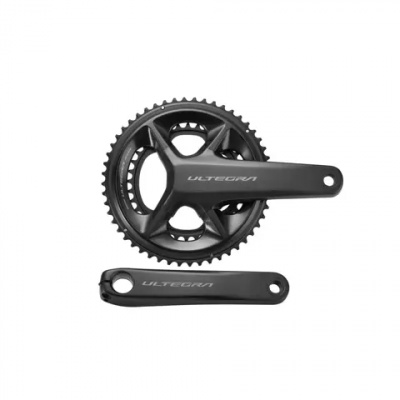
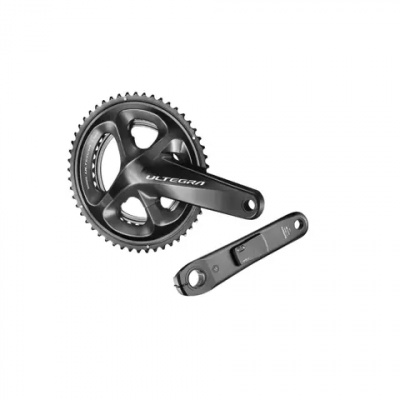
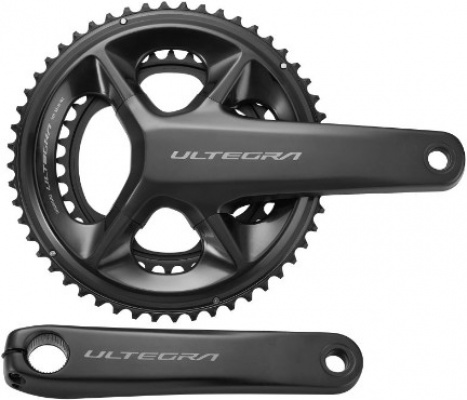
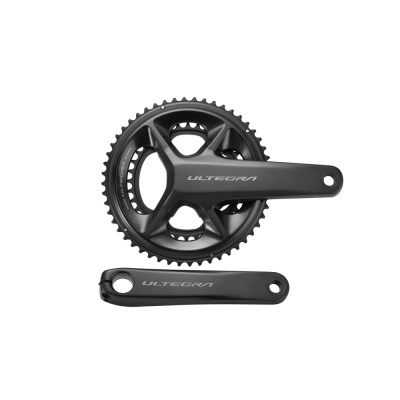
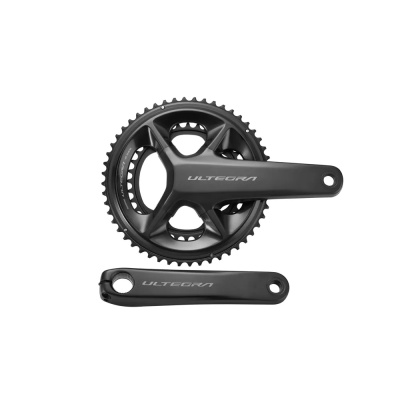
Giant power meters take the guesswork out of training - and they do it without demanding the kind of money that aftermarket rivals typically ask for. The lineup centres on two units: the crank-based Power Pro, which reads dual-sided power independently from each leg, and the spider-based Halo, which sits neatly at the heart of your drivetrain. Both are often built directly into Shimano Ultegra or 105 cranksets, so there's no bolted-on afterthought look - just a clean, factory-finished setup that works from the moment you roll out of the car park.
Accuracy sits at +/- 1.5%, which is competitive with anything in this bracket. Connectivity covers both ANT+ and Bluetooth Smart (BLE), so whatever head unit you're already running, these units will talk to it. The IPX7 waterproof rating means British winters - road spray, deep puddles, the lot - won't fry the internals. Whether you're pacing a club ten or managing your watts over a long Sunday ride in the Peaks, Giant's power meters give you the numbers to train with purpose rather than guesswork.
Prices and availability can change quickly. Delivery charges are not always included in listed prices.
Final price, stock status and delivery terms are set by retailer. We may receive a commission on purchases made.
Connectivity and How It Fits Into Your Setup
Giant power meters broadcast simultaneously over ANT+ and Bluetooth Smart (BLE), which means they pair with virtually every modern GPS head unit without any fiddling. Garmin, Wahoo, Hammerhead - all compatible straight out of the box. They'll also push live wattage data into Zwift if your winter training involves a turbo and a screen rather than wet roads. That dual-protocol approach puts Giant in the same practical bracket as Stages power meters and 4iiii power meters when it comes to day-to-day usability.
For firmware updates and battery health checks, Giant's RideLink app handles everything from your phone. It's worth running through the app before the season starts, but once you're rolling, your head unit does all the work - you don't need the app open mid-ride. The integration is genuinely low-maintenance, which matters when you'd rather be riding than troubleshooting. A Giant computer mount pairs naturally with this setup if you want to keep everything tidy at the front end.
Accuracy, Battery Life and Charging in Practice
The +/- 1.5% accuracy figure comes from multi-axis strain gauges mounted in the crank arms. In practical terms, that's tight enough to be meaningful for structured training - FTP tests, interval work, race pacing. It's the kind of precision that Quarq power meters are well regarded for at a higher price point, and Giant competes credibly here without the premium.
Battery life on the Power Pro is rated at up to 100 hours on a single charge. In warm conditions, that figure is realistic. Come January, with temperatures dropping on a Pennine descent, expect something closer to 80 - 90 hours before you need to plug in - cold air draws more from the cell. That's still enough to cover several weeks of riding before a top-up is needed. The charging solution is a proprietary magnetic cable rather than micro-USB, which sounds like a minor detail until you've watched a corroded port kill a sensor mid-season. Magnetic connectors seat cleanly, seal the port, and don't degrade in the same way. The cadence sensor is built in, so there's nothing additional to mount or pair.
Active temperature compensation is worth flagging specifically. When you pull a warm bike out of the garage into a cold February morning, conventional strain gauges can drift and give you skewed readings for the first few minutes. Giant's active temperature compensation corrects for that shift automatically, so your first recorded watts reflect what you're actually putting out rather than a thermal artefact.
Calibration, Installation and Getting Through a UK Winter
Calibration is straightforward. Position your crank arms vertically - one pointing straight up at 12 o'clock, the other at 6 - with no weight on the pedals and the bike on flat ground. Trigger the zero-offset through the RideLink app or directly from your paired head unit. Do it before each ride and you're done in under ten seconds. It's the same zero-offset process used across most crank-based units, so if you've calibrated a Shimano power meter before, this will feel familiar.
The IPX7 waterproof rating means submersion to one metre for up to 30 minutes won't cause damage. For UK riding, that's the relevant benchmark - not because you're planning to swim with your bike, but because winter road spray and standing water on Cheshire lanes or Scottish B-roads can work moisture into electronics over time. IPX7 closes that off. Combined with active temperature compensation, it makes these units genuinely season-proof rather than fair-weather-only kit.
Installation into a compatible crankset is clean given the factory-integrated design on Ultegra and 105-spec builds. If you need to keep your unit running through the season with replacement consumables, head over to our Giant power adapters and USB chargers page for compatible charging accessories to keep everything topped up.
Giant Power Meters FAQs
How do I calibrate my Giant power meter?
Set your crank arms to the vertical position - 12 and 6 o'clock - with no weight on the pedals and the bike on flat ground. Then trigger the zero-offset calibration either through the Giant RideLink app on your phone or directly from your paired GPS head unit. The whole process takes under ten seconds and is worth doing before every ride.
How long does the battery last on a Giant Power Pro?
Giant rates the Power Pro at up to 100 hours per charge via the magnetic charging cable. In practice, cold UK conditions - think January rides where temperatures are hovering near freezing - will typically bring that down to around 80 - 90 hours. Still plenty for several weeks of riding before you need to think about plugging in.
Will a Giant power meter work with a Garmin or Wahoo?
Yes, without any workarounds. Giant power meters broadcast on both ANT+ and Bluetooth Smart (BLE) simultaneously, so they pair cleanly with Garmin, Wahoo, Hammerhead, and most other modern cycling computers. They'll also connect to Zwift for indoor sessions. Standard head unit pairing - no proprietary apps required mid-ride.