
Giant Helmets
Giant cycling helmets cover the full spread - pro-level road aerodynamics, trail-ready protection, and commuter practicality - all built around technology you'd expect at a significantly higher price point. At the core of most models sits a MIPS brain protection system, working alongside EPS foam impact absorption to reduce the rotational forces that cause the most serious head injuries in a crash. That combination matters whether you're descending off Dartmoor bridleways or threading through city traffic on a grey Tuesday morning.
Giant's range doesn't stop at safety. The Cinch Pro fit system uses a 360-degree dial retention cradle to give you a precise, pressure-free hold - no hot spots, no wobble mid-sprint. Ventilation is taken seriously too, with AeroVent cooling channels pulling air through the shell to keep your head cool on the climbs that matter. TransTextura Plus padding handles the sweat side of things, staying fresh across long days in the saddle. From a local crit to a big gravel loop in the Peaks, Giant has a lid that fits the ride - and fits your head properly. Browse the range below to find yours.
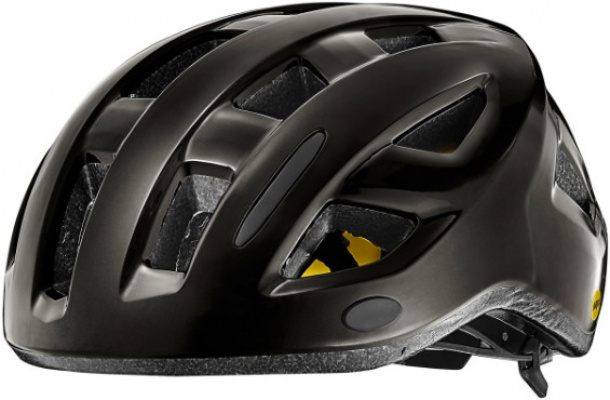
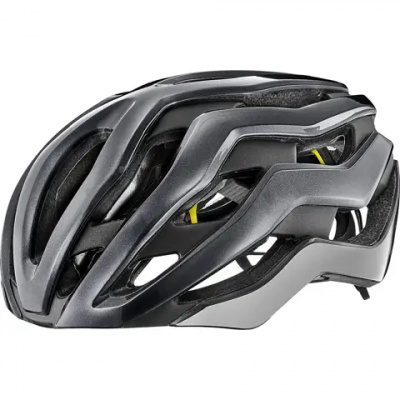
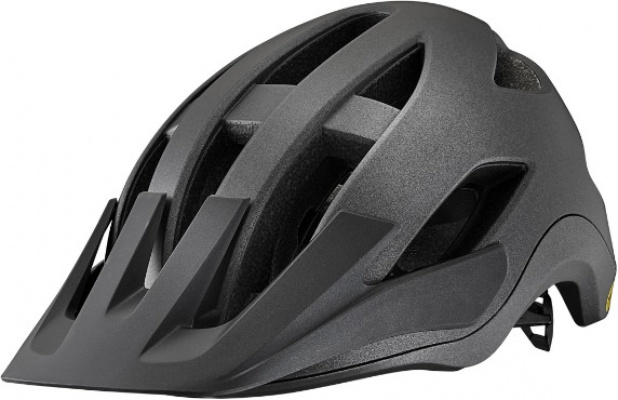
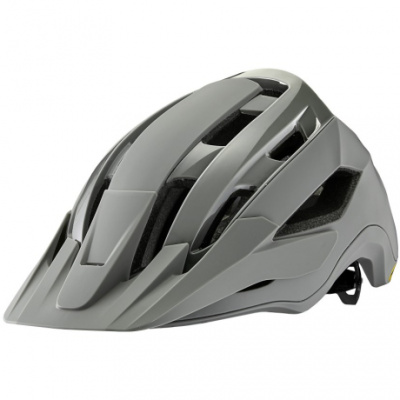
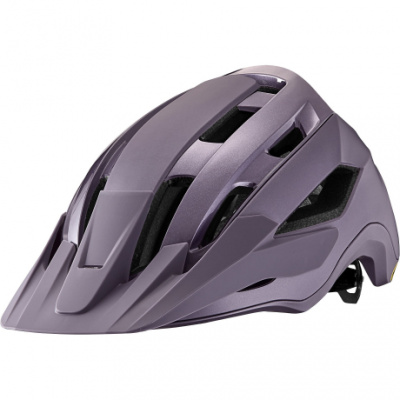
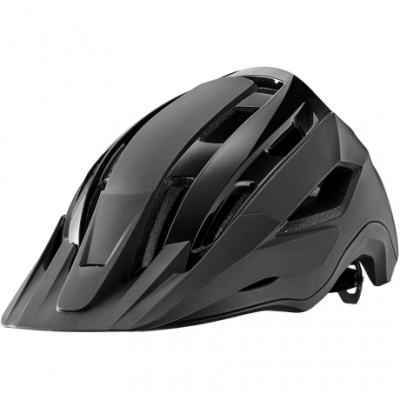
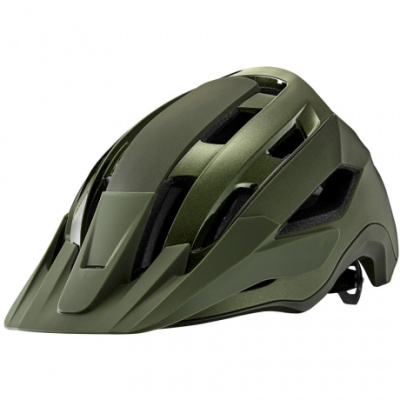
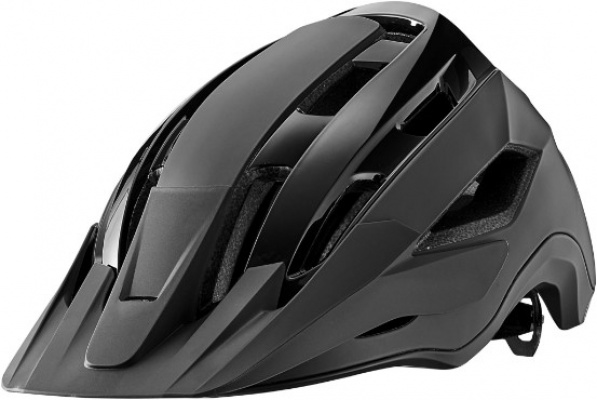
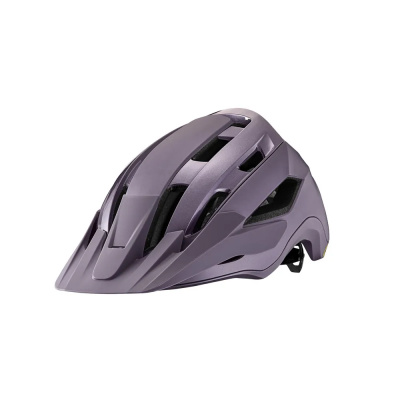
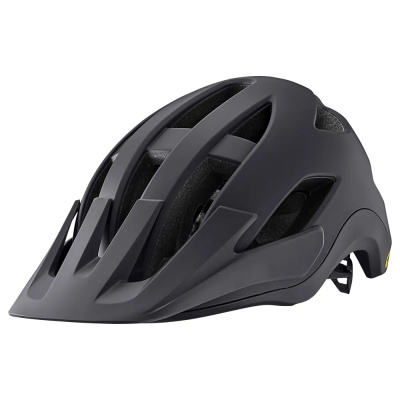
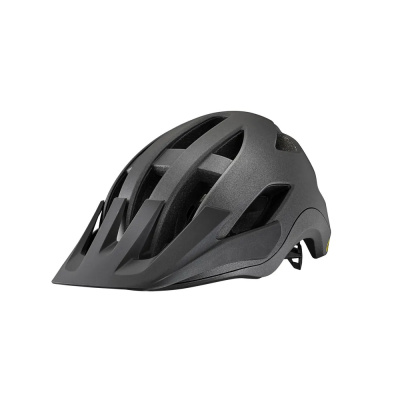
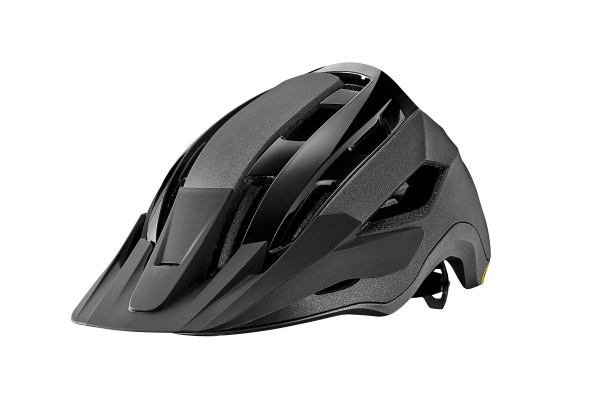
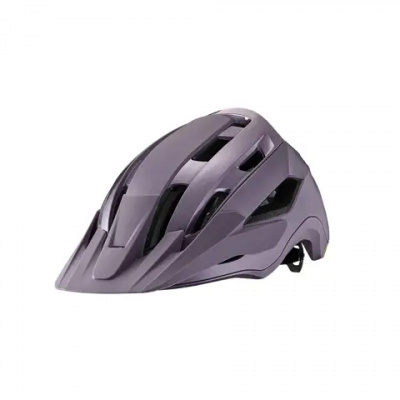
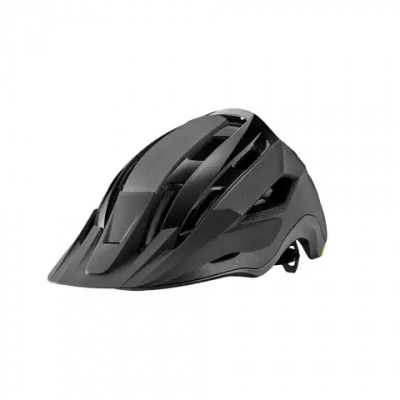
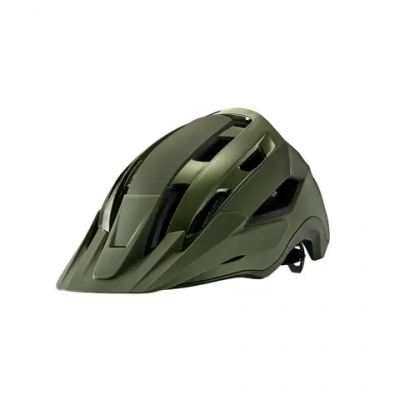
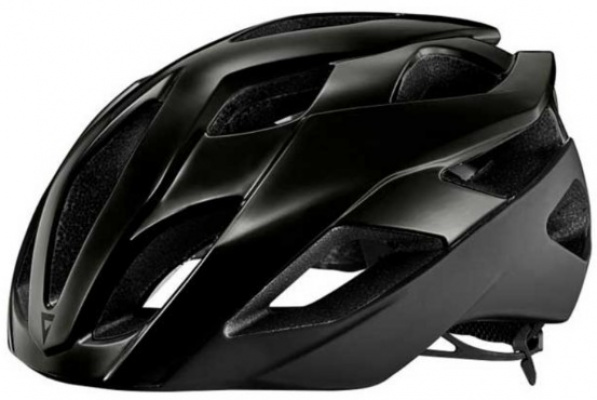
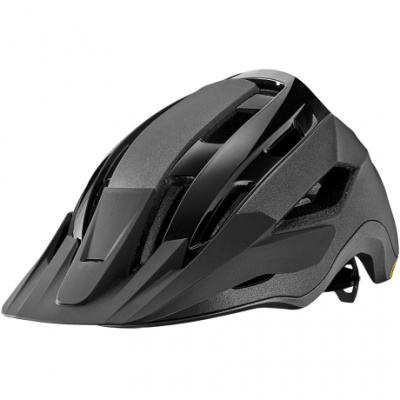
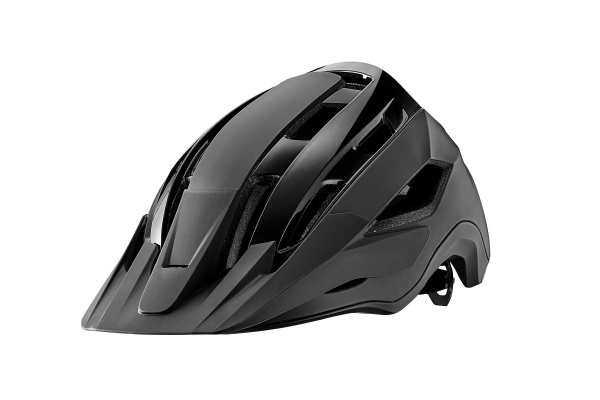
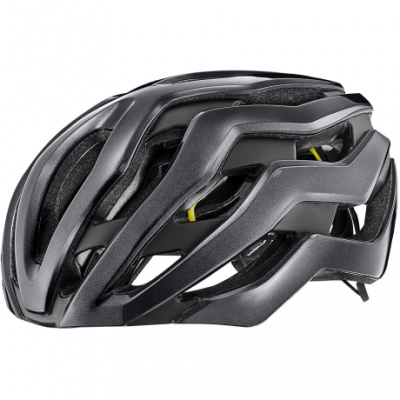
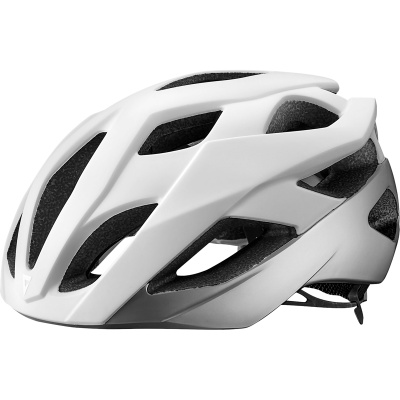
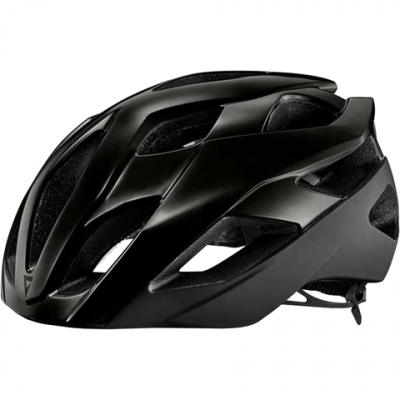
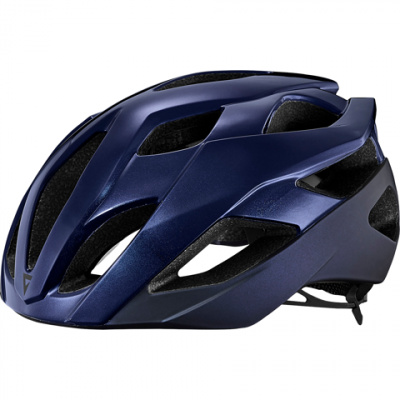
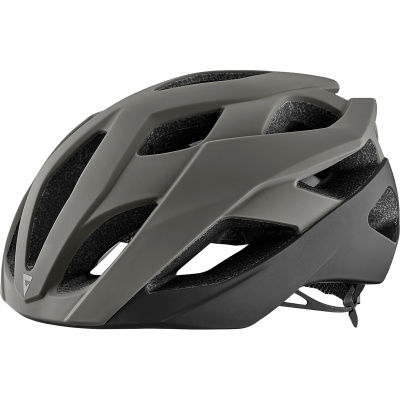
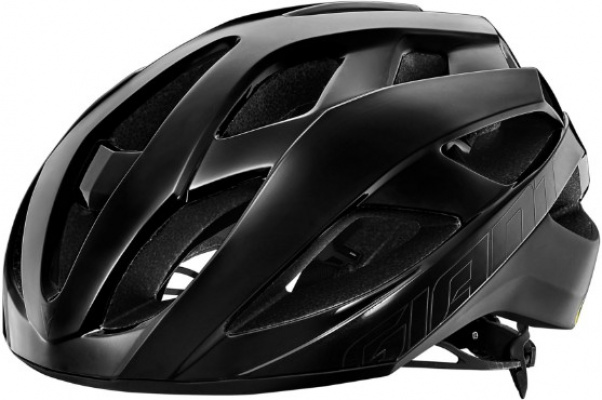
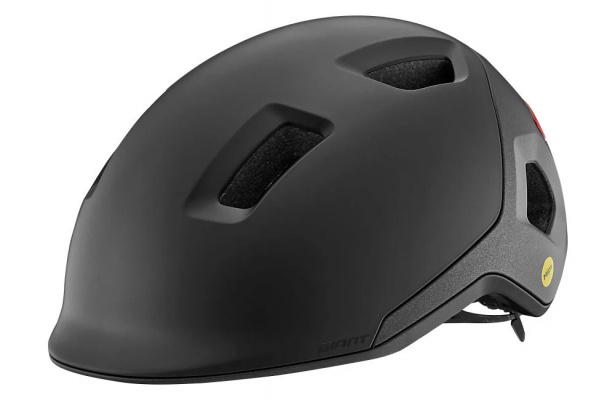
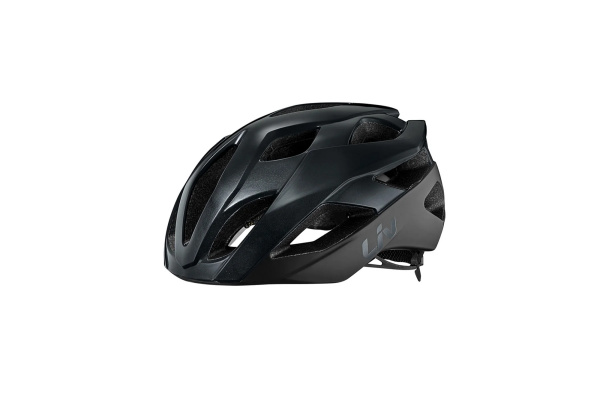
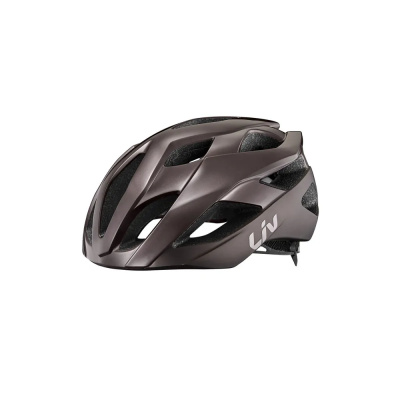
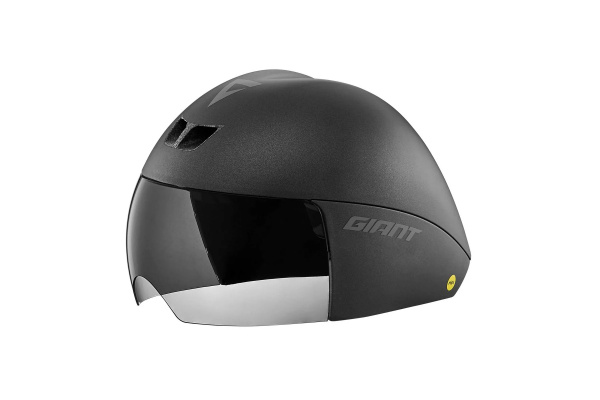
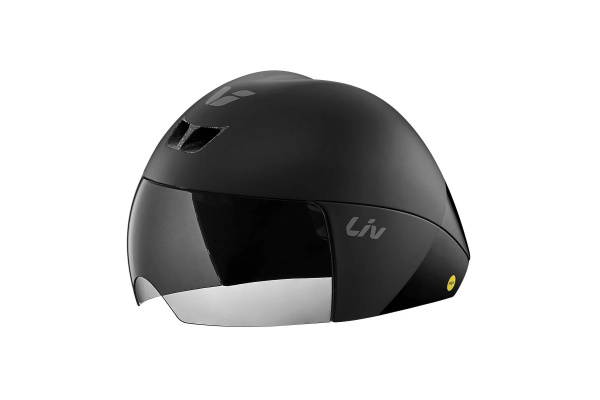
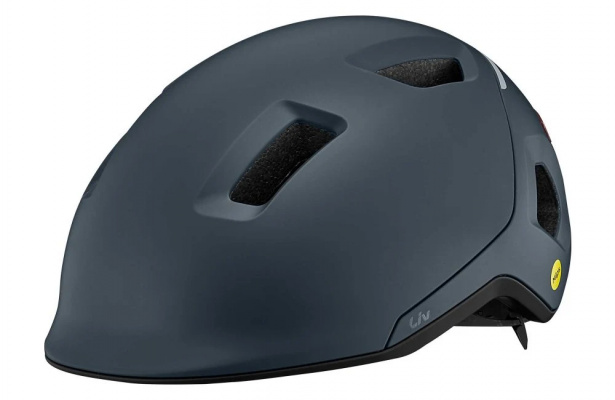
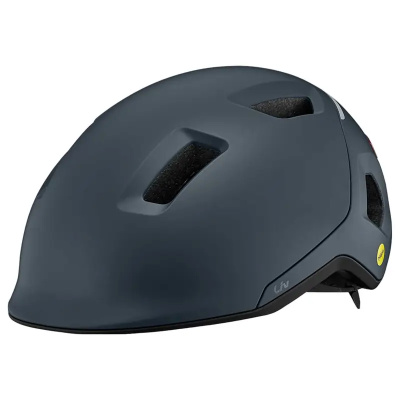
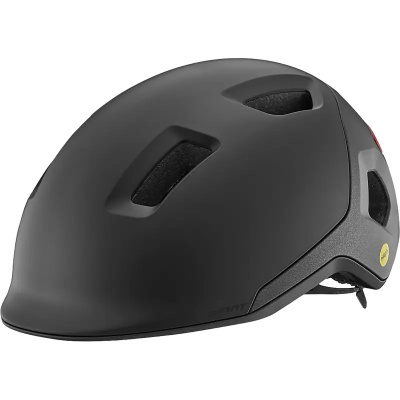
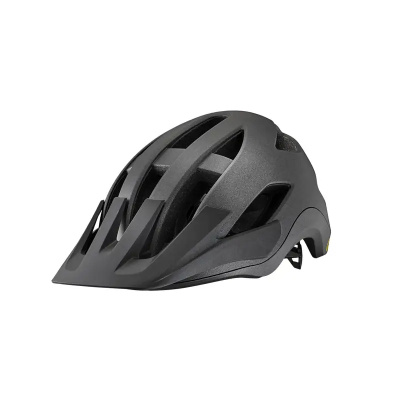
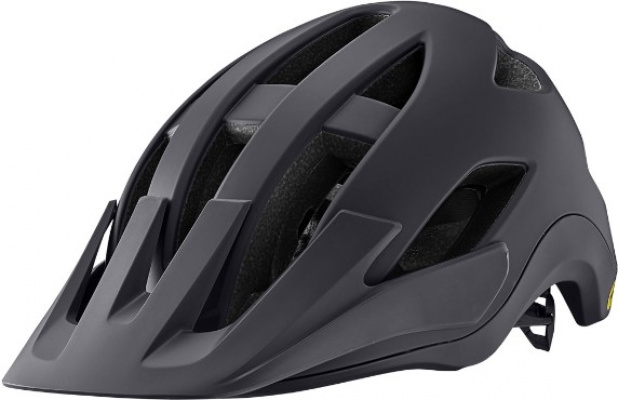
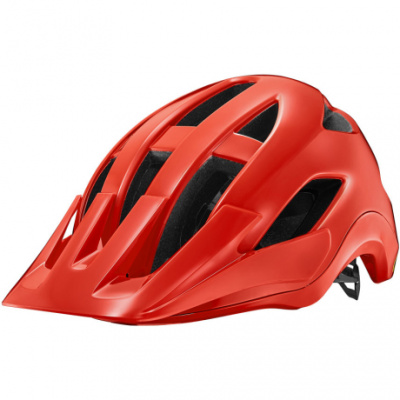
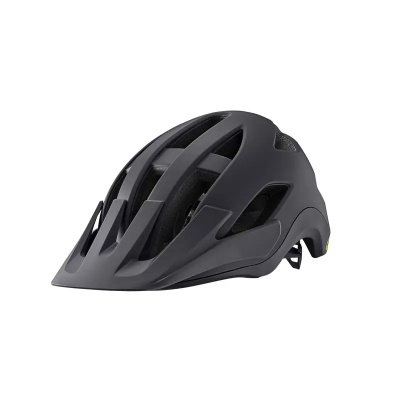
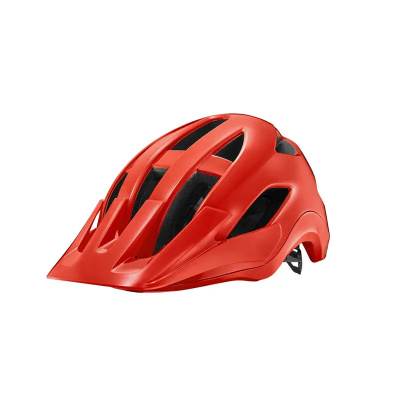
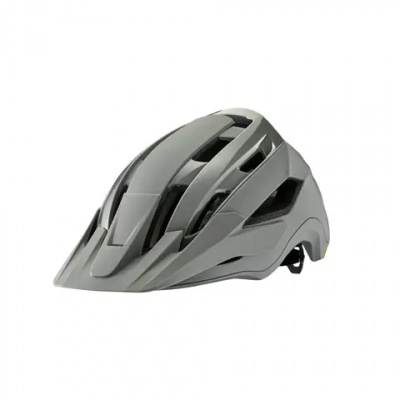
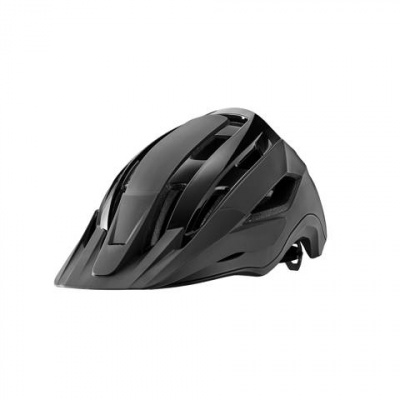
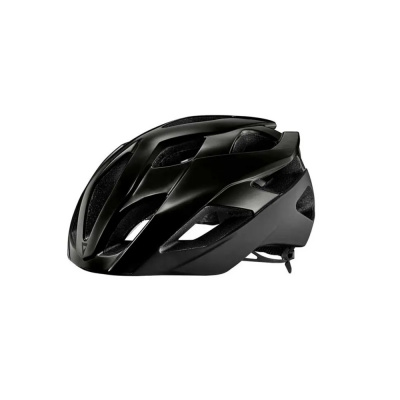
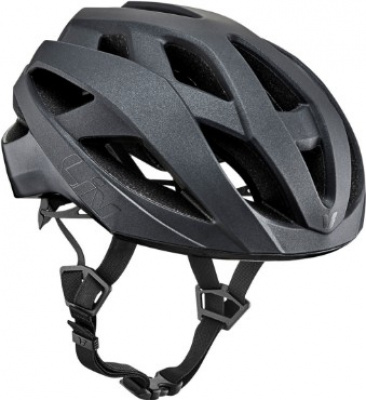
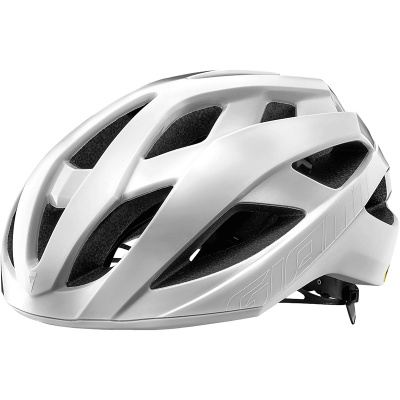
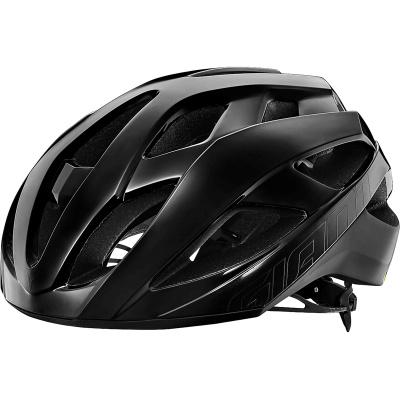
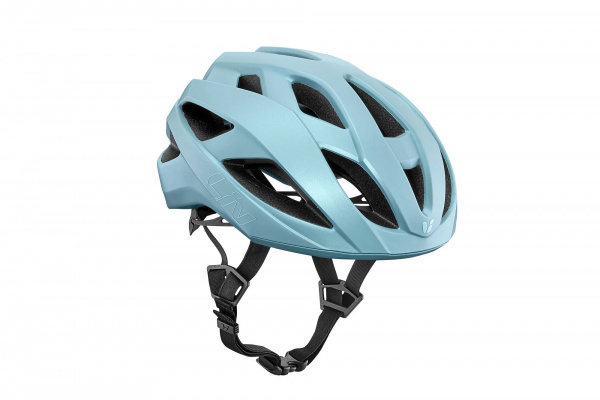
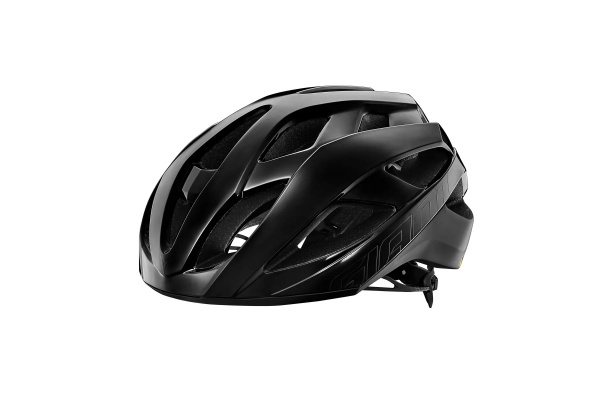
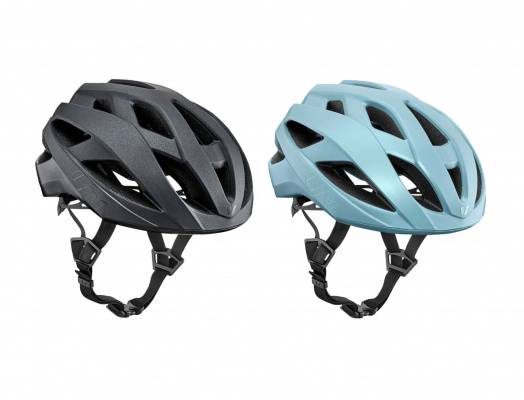
Prices and availability can change quickly. Delivery charges are not always included in listed prices.
Final price, stock status and delivery terms are set by retailer. We may receive a commission on purchases made.
Safety Tech and Ventilation: How Giant Protects You
The foundation of any Giant lid is a polycarbonate shell bonded to a dense EPS foam liner. The shell disperses the initial point of impact; the foam crushes in a controlled way to absorb energy before it reaches your skull. On its own, that's standard practice. What Giant adds to most of its current range is a MIPS brain protection system - a low-friction liner that sits between the EPS and your head, allowing a few millimetres of independent movement on oblique impacts. Rotational force is what causes the worst brain injuries, and MIPS is specifically designed to reduce it. Not every entry-level model carries it, so check the yellow MIPS logo in the spec panel before you buy.
Ventilation is where Giant's engineering gets genuinely clever. AeroVent ports aren't just holes in the shell - they're shaped and positioned to create a pressure differential that draws air through the helmet as you ride. On a long drag up to the moors in July, that active airflow keeps your core temperature from spiking. In cooler conditions, you're less likely to overheat mid-effort even when the pace is high. The TransTextura Plus padding sits against your forehead and temples, wicking sweat away quickly and - crucially - resisting the kind of bacterial build-up that makes older helmets smell like a damp kit bag. It's removable and washable, which matters across a full UK season.
Understanding the Giant Fit and Helmet Range
Giant splits its helmet line broadly into road, mountain bike, and urban categories, each with a different shell profile. Road helmets sit lower at the rear for aerodynamic reasons, which suits a more aggressive position. MTB lids carry extended rear coverage to protect the back of your head during the kind of low-speed, high-consequence tumbles that happen on technical singletrack - they tend to sit slightly higher and feel more open from the front. Urban models prioritise a rounder, 360-degree shell with reflective detailing and, on some, integrated Giant lights mounting points.
Fit is managed across the range by two systems. The Cinch Pro dial fit system - found on mid-range and premium models - uses a full 360-degree cradle that wraps around the back and sides of your skull, with micro-adjust clicks to dial in precise tension. The Cinch One system on more accessible models does the same job with a simpler mechanism; still secure, slightly less adjustable. Both use a dial fit adjustment wheel that you can operate one-handed, even with gloves on. To size correctly, measure the circumference of your head just above the ears and eyebrows. Giant's standard bands run Small at 51 - 55cm, Medium at 55 - 59cm, and Large at 59 - 63cm - when in doubt between sizes, go larger and use the dial to take up the slack rather than cramming a smaller shell onto your head.
If you're racing against the clock, explore our dedicated Aero TT Helmets collection. For younger riders, ensure maximum safety with our specific Kids Helmets range.
Compared to alternatives from Giro or Kask, Giant tends to offer MIPS protection at a lower price of entry - you're not sacrificing safety technology to hit a budget. Bell competes closely on value, but Giant's Cinch Pro system is notably more comfortable for longer rides where retention pressure becomes a fatigue factor.
Riding in the UK: Visibility, Layering and Care
A Giant lid works year-round, but you'll want to think about how you set it up for different conditions. In winter, a thermal skull cap worn under the helmet is the standard fix for cold rides - and it works without compromising the MIPS liner's function. The liner sits against the inner polycarbonate shell, not against your head directly, so a thin cap doesn't interfere with the rotational slip mechanism. Just make sure the cap doesn't push the helmet up your forehead and compromise the fit. A quick dial adjustment after putting the cap on takes five seconds and sorts it.
Low light is a genuine consideration for UK riders from October through March. Some Giant models carry integrated reflective panels or dedicated mount points for a rear light - worth prioritising if you're commuting in before sunrise or heading out after dark. Pair the helmet with dedicated Giant cycling lights for proper beam coverage front and rear, rather than relying on helmet-mounted blinkies alone. Visibility is a system, not a single product.
On care: the TransTextura Plus padding is the part that degrades fastest with regular use. Pull it out every few weeks and rinse it - letting sweat salts build up accelerates breakdown and makes the fit feel less secure over time. The shell itself just needs a wipe down; avoid solvent-based cleaners, which can degrade the polycarbonate. To keep your lid fresh season after season, replace worn padding and dials by browsing our Helmet Spares section.
One thing worth saying plainly: if you crash hard enough to warrant checking whether your helmet is damaged, replace it. EPS foam doesn't recover after a significant impact - the crush is permanent, even when the outer shell looks fine. That's not a small print caveat; it's how the material works.
Giant Helmets FAQs
How do I know my Giant helmet size?
Wrap a soft tape measure around your head just above your ears and eyebrows to get your circumference in centimetres. Giant's standard sizing runs Small at 51 - 55cm, Medium at 55 - 59cm, and Large at 59 - 63cm - if you're between sizes, go larger and use the Cinch dial to fine-tune the fit.
Do all Giant helmets feature MIPS technology?
Most current Giant road, gravel, and MTB helmets include the MIPS brain protection system, but a handful of entry-level models don't. Check the product spec for the yellow MIPS logo to confirm before purchasing - it's the clearest indicator.
When should I replace my Giant cycling helmet?
Replace it immediately after any hard impact, even if the shell looks intact - the EPS foam inside may be compromised and won't protect you a second time. Beyond crashes, plan to replace your helmet every three to five years, as UV exposure and sweat gradually degrade both the foam and the retention system.