
Ghost Mountain Bikes
Ghost mountain bikes sit in a curious spot in the market - precise enough for XC podiums, capable enough for proper trail days, and engineered with a rigour you'd expect from a brand based in Waldsassen, Germany. Whether you're building up a quiver around a Ghost Kato hardtail for your local trail centre loop or you're shopping a Ghost Riot full-suspension for something with more bite, the range has clear intent at every level. What sets Ghost apart isn't just the frame spec - it's that their SuperFit geometry is calculated algorithmically using biometric data, so the reach, stack, and pedalling position are dialled across every size rather than simply scaled up or down from a median template. For UK riders used to brands that design around a mythical 5'10" benchmark, that actually matters on the long climbs and technical descents. Ghost also produce electric mountain bikes, but we're keeping this page focused on acoustic models - if you want eMTB options, head over to our Ghost E-Bikes page for the full picture.
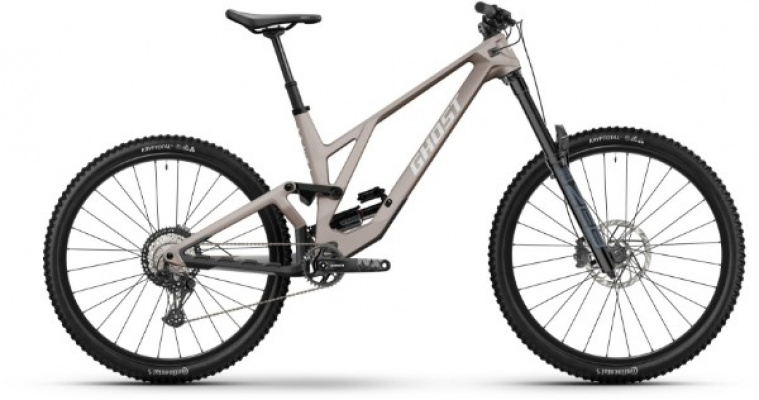
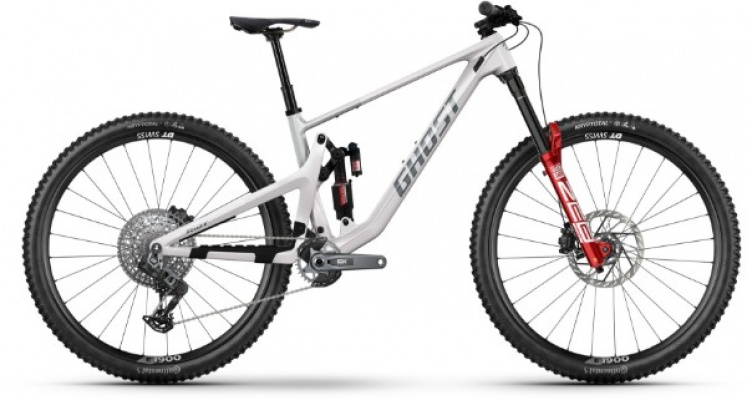
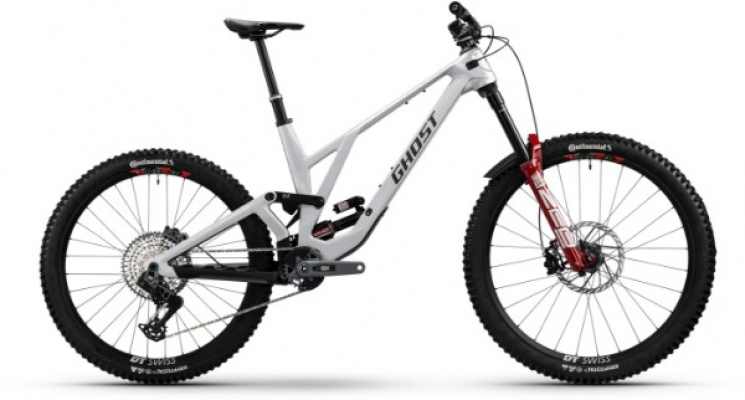
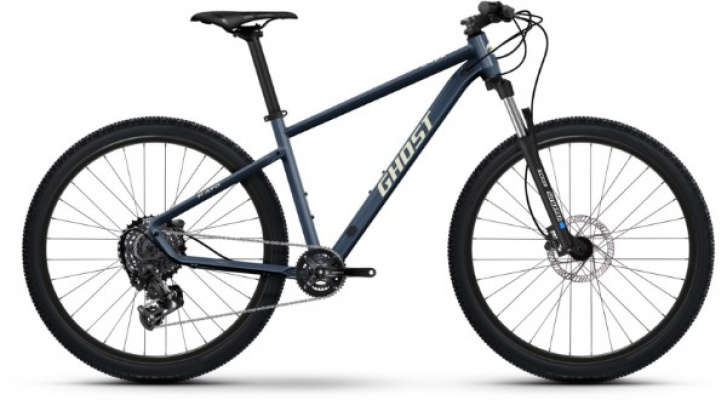
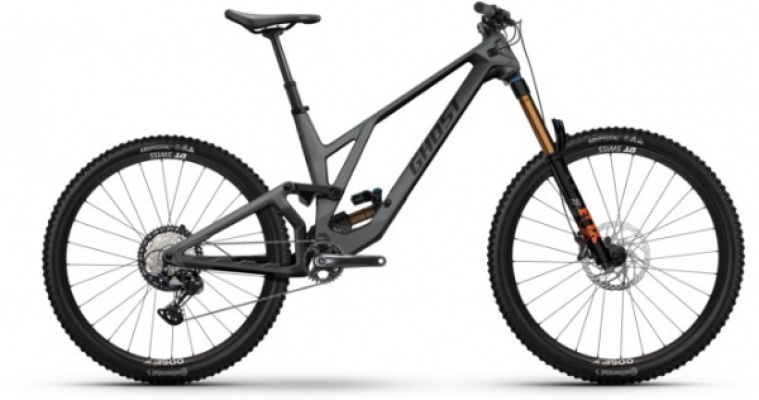
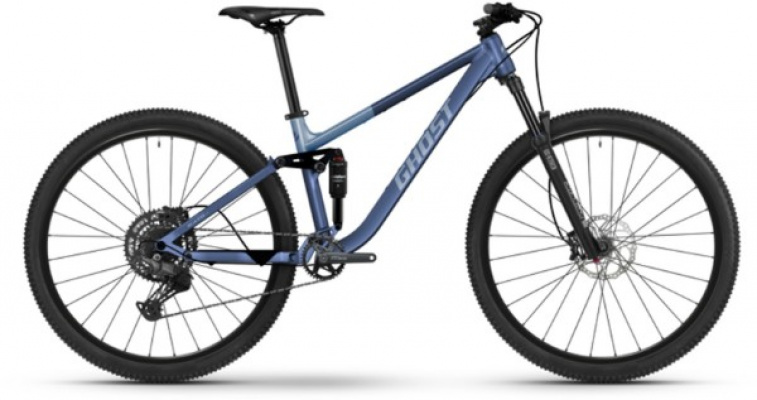
Prices and availability can change quickly. Delivery charges are not always included in listed prices.
Final price, stock status and delivery terms are set by retailer. We may receive a commission on purchases made.
Decoding the Ghost Mountain Bike Lineup
Ghost organise their MTB range into distinct families, each with a clear job. The Ghost Kato is the entry point - an aluminium hardtail aimed squarely at riders getting serious about trail riding without the carbon price tag. It's a capable 29er that works well on everything from Surrey Hills singletrack to Peak District bridleways, and the spec tiers make it easy to buy smart. At the top of the hardtail ladder sits the Ghost Lector, which is a proper cross-country racing machine. The Lector uses a carbon frame and - unusually for a hardtail - features a leaf spring-style rear triangle designed to flex and absorb trail chatter rather than transmit every root directly into your spine. It's a subtle trick, but on rough XC courses it keeps fatigue in check where a fully rigid rear end would wear you down.
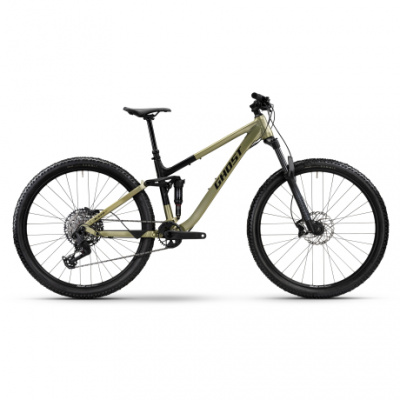
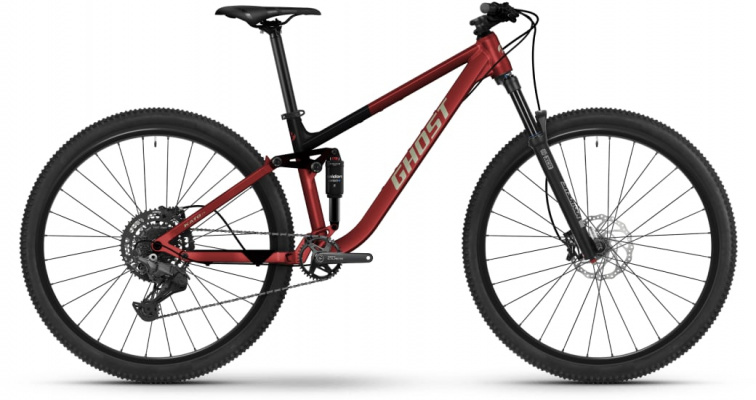
For full suspension, the Ghost Riot is where things get genuinely interesting. It runs around 130mm travel and covers trail and light enduro duties with the kind of composed ride quality that trusted test coverage consistently highlights. The Nirvana sits alongside these as a more relaxed trail-focused aluminium option for riders who want suspension without the race-derived geometry of the Riot.
Trim levels follow a logical hierarchy: Base and Essential sit at the affordable end with sensible component choices, Universal steps up with better brakes and drivetrain, while Advanced and Pro trims bring carbon fibre, higher-end suspension units, and race-ready groupsets. Knowing where a model sits in that ladder tells you immediately whether you're looking at a commuter-spec build or something you'd actually line up on at a race. If you're comparing Ghost's value against similar German-engineered options, it's worth cross-referencing with Cube mountain bikes at the same price points.
The Ghost Tech Philosophy: SuperFit and TractionLink
Ghost's two headline technologies are worth understanding properly, because they're not just marketing labels bolted on at the last minute - they reflect genuine engineering decisions.
SuperFit geometry uses an algorithm drawing on biometric data to calculate optimal reach and stack for each frame size. Most manufacturers scale geometry linearly - bigger frame, longer reach, taller stack - which works reasonably well in the middle of the size range but tends to fall apart at the extremes. SuperFit attempts to correct for that, so a rider at the short end of a size doesn't end up stretched out, and someone at the tall end isn't cramped. In practical terms, if you've ever thrown a leg over a bike that felt oddly proportioned despite being technically your size, SuperFit is Ghost's answer to that problem. It's particularly relevant for UK riders whose proportions don't fit neatly into European median templates.
TractionLink suspension, found on Riot full-suspension models, uses a virtual pivot point system specifically engineered to isolate braking forces from suspension movement. The short version: when you're hauling on the brakes into a steep, rooty corner - the kind of thing you encounter constantly on Welsh trail centres - the rear wheel stays active and tracking rather than locking up under braking load. That keeps grip consistent even when the roots are slick. It's a design philosophy shared by a handful of other brands, but Ghost's implementation is well-regarded for its sensitivity at low speeds where traction is most critical. For those already familiar with how Giant mountain bikes handle suspension kinematics, TractionLink takes a different route to a similar goal: keeping the rear wheel glued through technical sections.
Living with a Ghost MTB in the UK
German engineering, British weather. That combination has some specific implications worth knowing before you buy.
The good news first: modern Riot frames run generous tyre clearance, which matters when you're pushing through the kind of glutinous Welsh winter mud that clogs a tight frame in about thirty seconds flat. You can run wide, aggressive rubber without fighting the frame. Ghost also spec good mud-shedding on their trail models, though you'll want to check the specific build you're looking at - lower-tier builds sometimes spec tighter clearances to keep costs down.
The TractionLink pivot system on the Riot is brilliant on steep, rooty tech trails, but the lower linkage bearings will accumulate grit and water if you're riding through winter. Keep an eye on them - a sealed bearing service once a season is sensible maintenance, not a warranty issue. Neglect them and you'll notice play developing in the rear end that no amount of shock tuning will fix. Carry a torque wrench at home; Ghost spec their pivot bolts carefully and over-tightening is just as damaging as under-tightening.
One thing to flag on fit: SuperFit geometry tends to produce longer reach numbers than some older UK-centric brands, particularly at the larger end of the size range. Riders coming from a more upright, shorter-reach position may need a session with a shorter stem to get the handling dialled. It's not a flaw - it's a modern, progressive geometry call - but it's worth knowing before your first ride rather than after. For a hardtail alternative with a more traditional geometry feel, Boardman mountain bikes offer a useful comparison point.
If you're coming to Ghost from the road or gravel side, it's also worth noting they produce a strong Ghost gravel bike range - useful if you want one brand across multiple disciplines for parts commonality and consistency.
Ghost Mountain Bikes FAQs
Are Ghost mountain bikes any good?
Ghost is a well-respected German brand with a strong reputation across XC racing and trail riding. Their TractionLink suspension and SuperFit geometry are genuine engineering innovations rather than branding exercises, and trusted test coverage consistently rates their build quality and durability. They offer solid value from entry-level hardtails right through to race-spec carbon full-suspension builds.
Where are Ghost bikes made?
Ghost design and engineer their bikes at their headquarters in Waldsassen, Germany. Frames are manufactured in Asia - standard practice across the industry at this price level - and assembled in Europe under strict quality control. The design intent and geometry work is entirely German, which shows in the precision of the final product.
What is Ghost SuperFit geometry?
SuperFit is Ghost's algorithm-driven approach to frame sizing. Rather than simply scaling reach and stack linearly across sizes, it uses biometric data to calculate the ideal proportions for each size independently. The practical result is that riders at the extremes of a size range get a position that actually fits, rather than one that's been compromised by a one-size-scales-all approach.