
Ghost Gravel Bikes
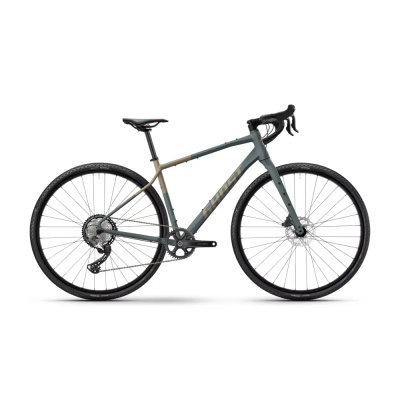
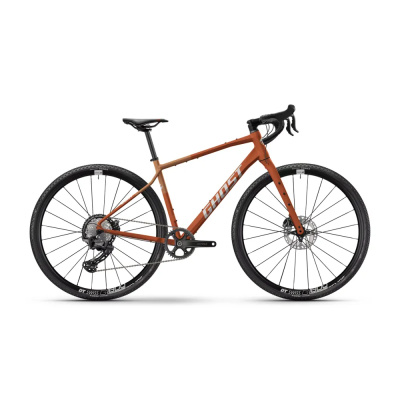
Ghost gravel bikes arrive in the drop-bar world carrying serious off-road credentials, and the lineup makes no apology for that. Where plenty of gravel bikes are essentially road bikes with slightly wider tyres bolted on, Ghost's approach - rooted in years of mountain bike development - pushes things considerably further into proper rough-stuff territory. The Asket is the centrepiece: a modern, adventure-ready platform available in aluminium and carbon that's as happy loaded up for a multi-day Scottish bikepacking trip as it is grinding out muddy winter bridleways in the Chilterns. Ghost engineers these bikes in Germany using their proprietary SuperFit geometry, a system built from a vast pool of biometric data that means the fit feels dialled from the moment you swing a leg over - no immediate stem swap required. Whether you're after an entry-level alloy workhorse, an enthusiast-grade carbon build with Shimano GRX, or a top-spec machine with electronic shifting, there's a Ghost gravel bike in the range worth serious consideration. Compare the full UK selection below and find the right spec at the right price.
Prices and availability can change quickly. Delivery charges are not always included in listed prices.
Final price, stock status and delivery terms are set by retailer. We may receive a commission on purchases made.
Decoding the Ghost Gravel Lineup
Ghost's gravel range centres on two distinct platforms, and knowing which is which saves a lot of head-scratching. The Asket is the one to focus on if adventure riding, bikepacking, or genuinely rough bridleway work is your thing. It comes in alloy (AL) and carbon (CF) frameset options, with three broad trim levels sitting beneath each: Essential, Advanced, and Pro. Essential builds are the accessible entry point - solid componentry, no frills, built to take a beating and keep rolling through winter. Advanced is where most enthusiast riders will land, typically pairing a more capable frame with Shimano GRX 600 or 800 groupsets and a carbon fork even on the alloy builds. Pro trim pushes into full LC carbon construction with electronic shifting for riders who want a serious performance machine without crossing into dedicated road-racing territory.
The Road Rage sits elsewhere in the Ghost catalogue and deserves a quick mention for context. It's an older, more traditional platform - closer in character to a cyclocross bike than an adventure gravel rig. Faster on hardpack, narrower tyre clearance, geometry that suits smooth gravel races or fast lane miles more than loaded bikepacking loops. If the Ghost Asket Advanced review is what brought you here, the Road Rage is essentially a different tool for a different job. Think of it as the flat-bar commuter's cousin at a road-racing family reunion - not wrong, just pointed in another direction. For riders comparing Ghost Asket vs Road Rage, the short answer is: Asket for adventure, Road Rage for pace on firmer stuff.
Alternatives worth benchmarking against the Ghost range include Cube gravel bikes and Focus gravel bikes, both of which occupy similar European-engineered, off-road-capable territory at comparable price points.
The Tech Behind the Bikes
SuperFit geometry is Ghost's most talked-about proprietary feature, and it's more than a marketing label. The system uses a biometric algorithm built from hundreds of thousands of rider measurements to calculate the precise relationship between reach, stack, and crank length for each frame size. The practical upshot is that a rider of, say, 175cm doesn't just get a medium frame with generic proportions - they get a frame where the contact points are already scaled to suit their body, reducing the need for aftermarket stem swaps or saddle-rail gymnastics out of the gate. It won't replace a professional bike fit for riders with specific biomechanical needs, but as off-the-shelf geometry goes, it's one of the more considered approaches in the gravel segment.
On carbon models, Ghost's LC (Lightweight Carbon) layup is worth understanding. Rather than chasing outright stiffness figures - the approach you'd typically see on an aero road frame - LC construction prioritises compliance, particularly through the rear triangle. The vibration-damping rear triangle design on CF models absorbs the kind of high-frequency chatter you get from gravel grinding over loose stone tracks or corrugated fire roads, without the frame feeling vague or disconnected. It's a meaningful trade-off: you're not getting the snappiest sprint platform, but over four hours on broken bridleways your hands and lower back will thank you.
MTB influence runs through the Asket's geometry in other tangible ways. Head angles are slacker than most pure gravel competitors, adding stability at speed on loose descents. Dropper post compatibility is built in rather than bolted on as an afterthought - a genuine differentiator for riders who want to drop the saddle for steeper descents on mixed-surface routes. Internal cable routing keeps things tidy and protects cables from grit ingress, though it does mean a bit more patience at service time. If you're already a Ghost mountain bike rider, the Ghost mountain bikes hub shows just how directly that DNA translates across to the gravel range.
Running a Ghost Through British Conditions
UK gravel riding is a specific kind of punishment. Peak District climbs throw loose gritstone at your drivetrain; South Downs bridleways turn to peanut-butter mud by November; canal towpaths in the Midlands grind grit into bottom bracket shells faster than you'd expect. The Asket handles most of this reasonably well. Tyre clearance is generous - the CF models comfortably accommodate 45mm tyres, which matters when you're trying to float through saturated chalk mud rather than plough through it. If you're running narrower rubber for summer use, keep a wider set ready for winter; the clearance is there to use.
A practical note on maintenance: internal cable routing on any bike requires a bit more attention when it comes to headset bearing checks, particularly after a wet autumn of riding. Water finds its way in, and ghost gravel bikes' CF models benefit from a headset service more regularly than the intervals you might follow on a road bike. That's not a Ghost-specific criticism - it applies broadly to internally routed gravel bikes ridden hard in British weather - but it's worth factoring into your ownership routine.
On the bikepacking front, the Asket is genuinely well-equipped. Multiple mounting points on the frame and fork handle frame bags, feed pouches, and extra bottle cages without compromise, and the frame geometry carries load predictably rather than getting twitchy with weight on board. That makes it a credible choice for multi-day routes like the Cairngorms Loop or the Wales West route. If your ambitions eventually push further into full off-road territory, it's also worth browsing Ghost e-bikes for loaded touring on bigger elevation days. For riders considering other capable platforms in the same space, Canyon gravel bikes offer a useful comparison point on value and geometry.
Ghost aluminium gravel bikes in the Asket Essential range are worth flagging for riders who want durability over weight savings. Alloy frames handle knocks and scrapes with less drama than carbon, and for riders who lock bikes outside or throw them in van boots without ceremony, that resilience has real-world value. Ghost gravel bike carbon options step up the ride quality noticeably but reward careful ownership. Neither is wrong - it's a question of how you ride and where you store the thing.
Ghost Gravel Bikes FAQs
Are Ghost gravel bikes good for bikepacking?
The Asket is genuinely set up for it. Multiple frame and fork mounts accommodate bags, extra bottles, and mudguards, and the geometry stays predictable with weight loaded on board. It's a credible choice for multi-day routes rather than just a bike that tolerates luggage as an afterthought.
What is the difference between Ghost Asket and Road Rage?
The Asket is Ghost's adventure-first platform - slacker geometry, wider tyre clearance, dropper post compatibility, built for rough bridleways and bikepacking. The Road Rage is an older, more traditional design that sits closer to cyclocross: faster on hardpack and smooth gravel, but less capable once the going gets properly loose or loaded.
How does Ghost SuperFit geometry work?
Ghost built a biometric algorithm from a large pool of rider data to calculate the ideal reach, stack, and crank length for each frame size. The result is proportions that suit your height straight out of the box, so you're not immediately hunting for a different stem or repositioning the saddle before the first ride.