
Genetic Pedals
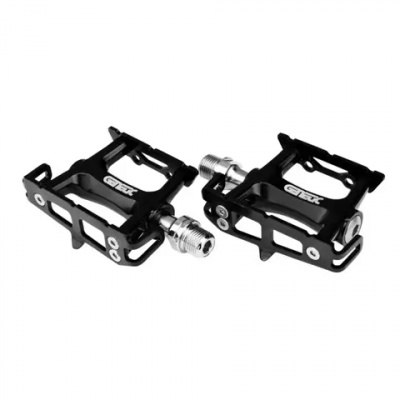
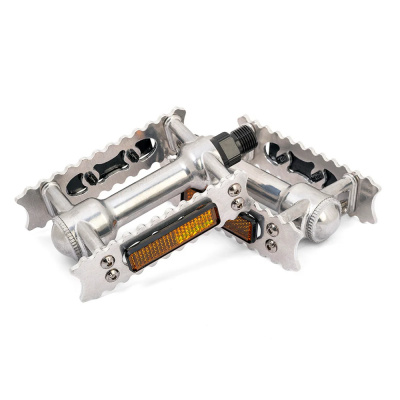
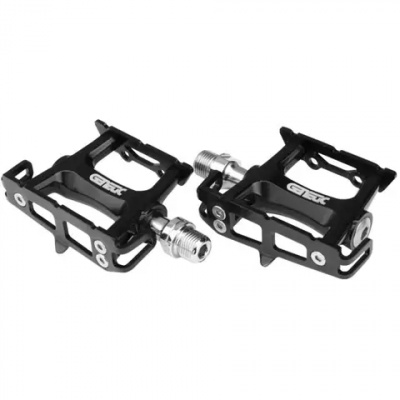
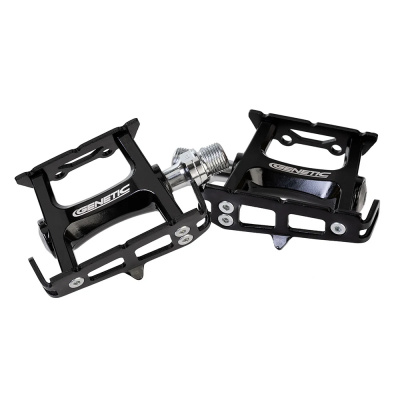
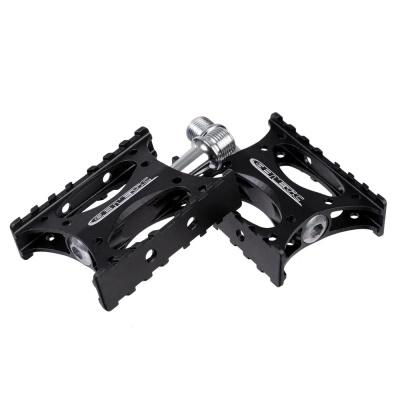
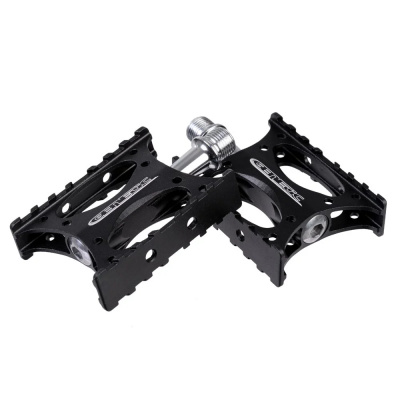
Genetic Pedals occupy a genuinely interesting corner of the market - retro aesthetics on the outside, properly modern engineering underneath. If you're building up a fixie, sorting a winter commuter, or refreshing a retro road bike, these pedals make a strong case on both looks and longevity. The bodies are CNC machined from extruded alloy, so you get a high strength-to-weight ratio without the bulk of a cheaper cast platform. The chromoly axles resist bending even under hard out-of-the-saddle efforts - no small thing if you're sprinting for gaps in traffic or hammering out of corners on the track. What really matters for UK riding, though, is what's inside: sealed tubular cartridge bearings paired with DU bushings keep road grit and winter salt from grinding your pedals to a halt before the first frost has even cleared. That's a practical advantage that unsealed alternatives simply can't match once the roads turn nasty. Whether you want the clean lines of a classic cage with toe-clip slots or a grippy flat platform for casual urban use, Genetic has a model aimed at you. Straightforward to fit, easy to maintain, and priced without too much drama.
Prices and availability can change quickly. Delivery charges are not always included in listed prices.
Final price, stock status and delivery terms are set by retailer. We may receive a commission on purchases made.
Fitment, Thread Standards, and Cage Geometry
Every adult Genetic pedal uses the industry-standard 9/16" thread, so they'll bolt straight onto virtually any modern crankset - road, track, fixie, or commuter. The only exception, as with almost any pedal brand, is 1/2" BMX and junior cranks, which use a different spec entirely. Worth double-checking before you order if you're fitting these to an older or non-standard build.
Q-factor - the lateral distance between your pedal platforms - is worth thinking about if you're sensitive to knee tracking. Genetic's platform sizes sit in a sensible mid-range, not so wide that they push your feet out awkwardly, not so narrow that you're fighting for foot placement. Their track-inspired cage designs are where things get interesting: several models feature the slotted cage geometry you need for double toe-straps and traditional clips, which is exactly what a lot of fixed-gear and urban riders are after. If you're running retention, check the specific model's cage profile before buying your Genetic chainring setup and toe-clip combo - not every cage in the range accommodates double straps, and the flat urban models are shaped differently, optimised for grip with a flat-soled shoe rather than clip compatibility.
What You Get as You Move Up the Genetic Range
Genetic's lineup splits fairly cleanly between their track-focused pedals and their flat urban offerings. At the entry point, you're looking at simpler construction - cast alloy bodies and loose ball bearings that do the job but need more frequent attention, especially through a British winter. Move up to the Genetic Pro Track and the picture changes: CNC machined alloy bodies that are noticeably stiffer and lighter, plus sealed cartridge bearings that laugh off the kind of grime that kills cheaper pedals by November.
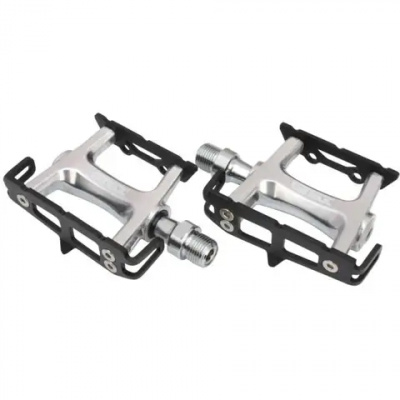
The Pro Track is the model most riders ask about, and for good reason. It sits in that practical zone where you're not paying exotic money but you're getting components that'll last several seasons of regular use without constant fettling. The cage design is deliberately classic - thin profile, optimised for track and fixed-gear geometry - which means it pairs naturally with toe clips and straps if that's your preference, or works clean without them if you're running flat-soled trainers.
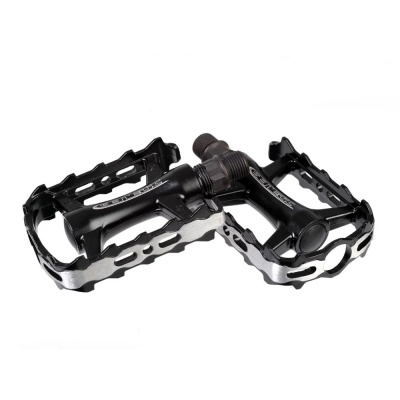
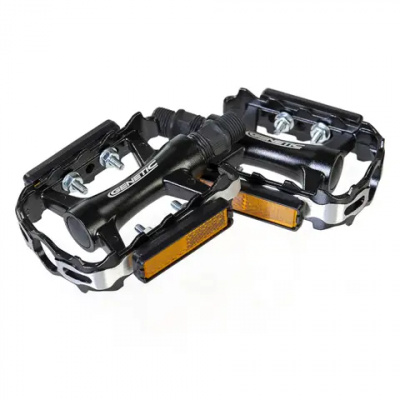
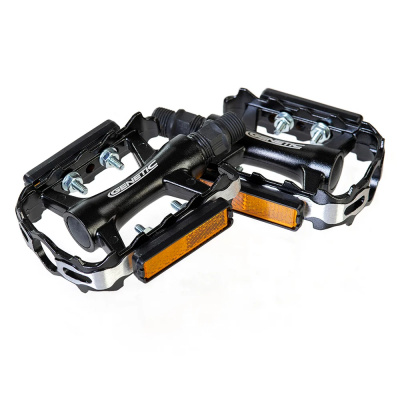
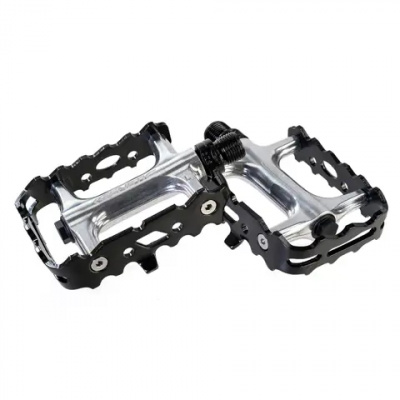
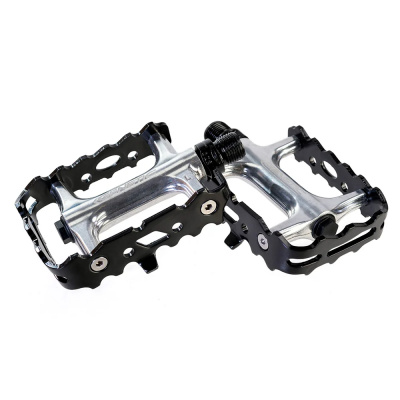
For riders who want a broader platform and removable pins for grip, the flat pedal models in the range serve a different purpose: more surface area underfoot, threaded pin inserts you can replace when they wear, and a profile that suits commuting or light trail use rather than track racing. Think of it as two distinct tools doing two distinct jobs. If MKS-style MKS pedals are your benchmark for track aesthetics, Genetic competes credibly in that space while offering a slightly more accessible entry point for UK riders.
Holding Up to UK Roads and Winter Riding
UK roads are genuinely hostile to pedal bearings. Road salt, standing grit, and the kind of relentless damp that settles in from October onwards will find any weakness in unsealed bearings within a season. Genetic's sealed tubular cartridge bearing system, combined with DU bushings, addresses that directly - water ingress is dramatically reduced, and the bearings maintain smooth rotation for far longer between service intervals than open systems.
The chromoly axles are worth calling out separately. Chromoly is significantly tougher than the mild steel used in budget pedals and resists the slow bending that can develop when you're putting consistent power through them on a fixed-gear or loaded commuter. If you're riding year-round in something like a Sheffield winter or a wet Welsh commute, that material choice matters more than it might seem on paper.
Service intervals on the sealed cartridge models are long compared to loose ball alternatives, but they're not zero - eventually the bearings will develop play and need attention. If you need replacement traction pins, dust caps, or bearing rebuild kits to keep your pedals spinning smoothly, check out our dedicated spares section for compatible components. Pair your pedals with the right Genetic handlebars and Genetic stems if you're building a cohesive urban or track setup - it's a range that works well as a system. For riders coming from DMR pedals or Burgtec pedals in the flat platform category, it's worth noting that Genetic leans more toward the urban and track end of the spectrum rather than aggressive off-road use - which shapes how you should think about pin configuration and platform size when choosing.
Genetic Pedals FAQs
What thread size are Genetic bike pedals?
All adult Genetic pedals use the standard 9/16" thread, which is compatible with the vast majority of modern road, track, and commuter cranksets. The only cranks that won't work are older 1/2" BMX or junior-specific spindles - check your crank spec if you're unsure.
Are Genetic pedals compatible with toe clips and straps?
Many Genetic models - particularly the track-inspired pedals like the Pro Track - are designed with slotted cage profiles that accept traditional toe clips and double straps. That said, their flat urban pedals use a different cage geometry optimised for platform grip, so always confirm the specific model's cage design before buying retention accessories.
How do I maintain the bearings on my Genetic pedals?
On the higher-spec models, sealed cartridge bearings handle most of what UK roads throw at them with minimal intervention - no regular greasing required. Once play develops, the cartridges can be pressed out and replaced with a standard rebuild kit rather than replacing the whole pedal.