
Genesis Road Bikes
Genesis road bikes have spent years making a compelling case that steel frames belong on Britain's roads - not as a nostalgia trip, but as a genuinely practical answer to cracked tarmac, winter grime, and rides that go on longer than planned. The brand designs and tests everything in the UK, and it shows in the details: generous mudguard clearance, geometry that suits all-day miles rather than criterium sprints, and a material choice that absorbs road buzz in a way stiff carbon simply doesn't.
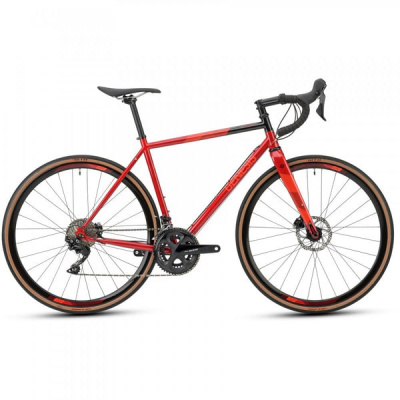
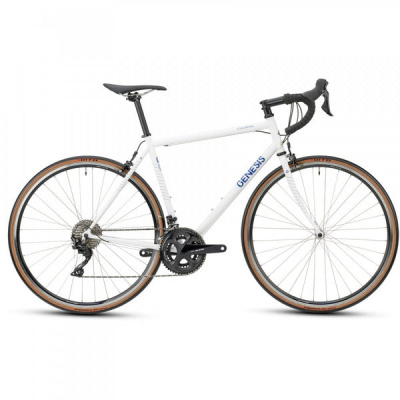
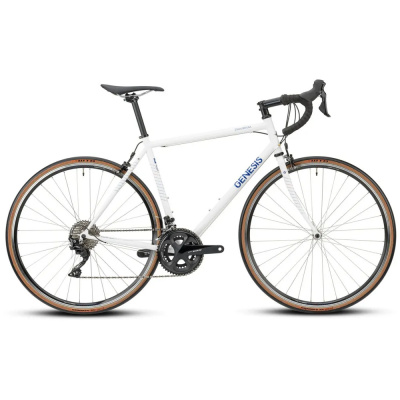
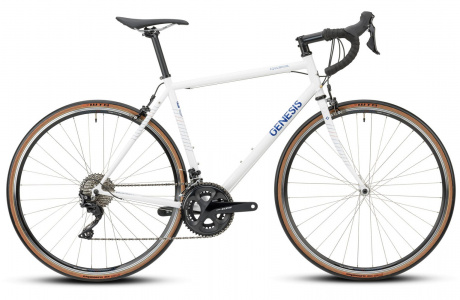
The Equilibrium is the centrepiece of the road range - a four-season endurance bike that's earned a devoted following among riders who want to cover serious miles without arriving wrecked. The Volare sits at the sharper end, a steel road racer with more aggressive numbers and tubing chosen for power transfer over plushness. Both reward riders who care about how a bike actually feels rather than just how light it is.
One thing worth flagging before you dig in: Genesis also builds some of the most respected mixed-surface and loaded-travel bikes around, but those sit on separate pages. If it's the Croix de Fer or Tour de Fer you're after, head straight to our Genesis Gravel Bikes or Genesis Touring Bikes pages instead.
Prices and availability can change quickly. Delivery charges are not always included in listed prices.
Final price, stock status and delivery terms are set by retailer. We may receive a commission on purchases made.
Decoding the Genesis Road Lineup
Genesis keeps the road range focused, which makes choosing straightforward once you know what each model is for. The Equilibrium is the flagship endurance road bike - Reynolds steel, relaxed geometry, clearance for 28 - 32mm tyres and full mudguards. It's the bike for long audax days, wet winter training, and B-roads that look like they've survived a small war. The Volare takes the same steel conviction but sharpens it: stiffer tubing grades, a lower front end, and an attitude that suits riders who want to go fast rather than just go far. The trade-off is obvious - the Volare is less forgiving on rough surfaces and less practical for year-round commuting or loaded days out.
If you're weighing up Genesis against similarly positioned British brands, Condor road bikes occupy a comparable space - handbuilt steel and titanium frames aimed at discerning riders who prioritise longevity and ride feel. For something with a more performance-oriented carbon focus at a competitive price, Boardman road bikes are worth a look. And if you want Italian flair with steel credibility, Cinelli road bikes sit in the same conversation.
For mixed-surface riding or any kind of loaded travel, the road range isn't the right tool. Head to our Genesis Gravel Bikes page for the Croix de Fer family, or the Genesis Touring Bikes page for the Tour de Fer and its kin.
The Genesis Tech Philosophy: Why Steel Still Rules
Genesis road bikes are built around a clear materials hierarchy, and understanding it helps you pick the right model. Entry points into the range use Reynolds 725 chromoly - a tough, forgiving alloy that gives a characteristically smooth ride and handles road vibration well without feeling vague. Step up and you're into Reynolds 853, an air-hardening steel that gains strength as it's welded, allowing thinner tube walls and a noticeable reduction in dead weight without losing that steel compliance. At the top of the range, Reynolds 931 stainless appears on select builds - corrosion-resistant, visually clean, and with a ride quality that's hard to argue with.
Genesis also uses its own in-house Mjölnir seamless double-butted chromoly on certain models. Seamless construction removes the weld seam running along conventional tubes, producing a more even stress distribution across the tube wall. Practically, that means a slightly more consistent flex pattern and marginally cleaner aesthetics - worth knowing if you're comparing spec sheets.
Pairing steel frames with modern carbon forks is where Genesis earns its engineering credibility. Steel is compliant along its length but can feel nervous through the front end on faster descents if the fork isn't stiff enough laterally. Genesis tunes its carbon forks specifically to complement steel frame compliance - so you get the vibration damping of the rear triangle without the wander you'd get from a steel or aluminium fork. Disc brakes across much of the range complete the picture: reliable stopping in the wet, and no rim wear to worry about through a British winter. For riders who prefer to wrench their own bikes, Genesis's commitment to BSA threaded bottom brackets is a genuine quality-of-life detail - more on that below.
Living with a Genesis on UK Roads
Day-to-day ownership of a Genesis road bike is largely hassle-free, but there are a few things worth knowing before you buy. Start with the BSA threaded bottom bracket. Press-fit standards creak. They creak when new, they creak after a wet ride, and they creak when you've just cleaned everything and want a quiet pedal stroke. A threaded shell with a quality threaded BB cartridge just doesn't do that - and on gritty British roads where water finds its way into everything, that's not a small thing. Genesis has stuck with BSA threading across the road range, and it's the right call.
On sizing: Genesis frames can run slightly long in the effective top tube compared to some European equivalents at the same nominal size. If you're between sizes or have a shorter torso relative to your leg length, it's worth checking reach figures carefully and considering whether a shorter stem is in the plan. Nothing unusual to solve, but worth knowing before you order rather than after.
Steel needs a bit more attention than aluminium or carbon in damp conditions. Internal corrosion is the main risk - moisture finds its way in through cable ports and steerer tubes over time. Treating the inside of a new steel frame with Framesaver or a similar waxy internal coating before the first ride is straightforward and adds years to frame life. It takes twenty minutes and costs very little. Don't skip it. You can also browse Genesis frames separately if you're building up a custom spec.
Genesis endurance road bikes and their Genesis disc brake road bikes are well suited to the kind of riding the UK actually offers - potholed back lanes in the Dales, wet descents in the Brecon Beacons, commutes where the weather turns halfway through. The mudguard clearance on the Equilibrium in particular is properly useful, not a token gesture. You can run full-length guards on 28mm tyres without fighting the frame. That detail alone separates it from plenty of bikes that claim all-season versatility but don't quite deliver it.
Genesis Road Bikes FAQs
Are Genesis road bikes any good?
Genuinely yes. Genesis has built a strong reputation for road bikes that suit British conditions rather than simply replicating what sells well in drier climates. The steel frames offer real vibration damping on rough roads, the geometry favours endurance over aggression, and the practical touches - mudguard clearance, threaded bottom brackets - reflect how the bikes actually get used.
Where are Genesis bikes made?
Genesis is a British brand; all design, geometry work, and testing happens in the UK. The frames themselves are manufactured in Taiwan by experienced builders working to Genesis's specifications. It's the same arrangement used by many respected European brands - the thinking is British, the fabrication is Taiwanese.
What is the difference between Genesis Equilibrium and Volare?
The Equilibrium is a <strong>Genesis endurance road bike</strong> - relaxed geometry, mudguard clearance, and tubing chosen for comfort over long miles. The Volare is the race-oriented sibling: stiffer Reynolds tubing grades, a more aggressive riding position, and a focus on speed rather than all-day practicality. If you're riding year-round or covering big distances, the Equilibrium is the more sensible choice; if you want to go fast and accept the trade-offs, the Volare is the one.