
Genesis E-Bikes
Genesis E-Bikes do something most electric bikes don't bother attempting: they look like proper bicycles. Built around double-butted chromoly steel frames - the same material that made Genesis a favourite on long British lanes and loose gravel - these are e-bikes that carry their assist invisibly. No bulging downtube. No motor that announces itself from twenty metres away. Just a quiet tailwind that happens to be built in.
The range splits across two clear purposes. Their drop-bar gravel and touring bikes lean on the featherweight Mahle X35 hub motor, keeping weight down and aesthetics clean for riders who want range without sacrificing the feel of a traditional road or adventure bike. Their urban utility models take a different path, pairing Shimano STEPS mid-drive systems with racks, mudguard mounts, and geometry suited to loaded daily commuting - the kind of bikes that cope with a potholed Bristol backstreet or a wet Edinburgh kerb without drama.
Steel absorbs what tarmac throws at it. That natural compliance, combined with modern pedal assist, is what makes Genesis's approach worth your attention. Whether you're eyeing a weekend bikepacking route or a five-day commuting solution, there's a model in this lineup that fits the brief without looking like a prop from a sci-fi film.
Prices and availability can change quickly. Delivery charges are not always included in listed prices.
Final price, stock status and delivery terms are set by retailer. We may receive a commission on purchases made.
Decoding the Genesis E-Bike Lineup: Gravel, Touring, and Urban
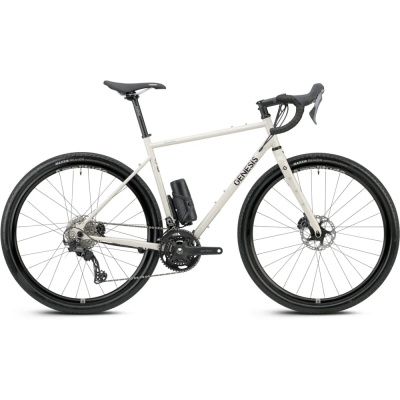
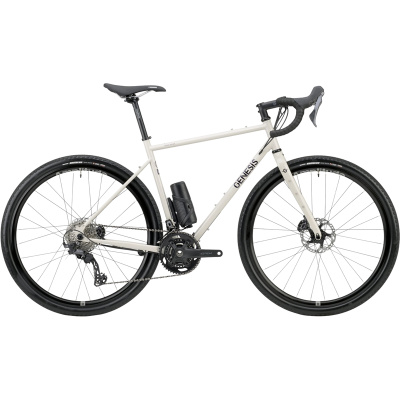
Genesis's electric range isn't sprawling, which is actually a point in its favour - every model has a clear job. At one end sits the Genesis Croix de Fer e-bike, the electrified take on one of Britain's most-loved steel adventure bikes. It uses the Mahle X35 rear hub motor specifically because that system adds minimal weight and - crucially - produces zero drag when you switch the assist off. You can ride it as a normal bike on the flat, flick the assist on for a long Welsh climb, and nobody watching would clock the difference at a glance. It's aimed squarely at riders who want gravel range, bikepacking versatility, and the option of assist on the days when the legs just aren't there.
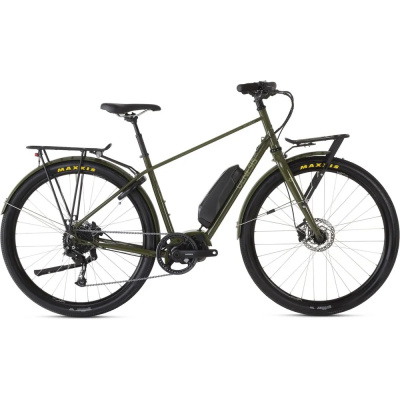
At the other end, the urban utility models - think along the lines of the Genesis Smithfield and Genesis Columbia - are built for the daily grind. Mid-drive motors here make sense: they handle load better, work with the gearing more naturally, and cope with stop-start city riding without the rear hub getting confused by the torque demands. These bikes come with the mounts you actually need - mudguards, racks, lights - rather than treating practicality as an afterthought. If you want an Genesis electric commuter bike that carries your kit, works in the rain, and doesn't need babying, this is the end of the range to look at.
Worth noting: if you're after the unassisted versions of these platforms, we list them separately. The Genesis gravel bikes and Genesis touring bikes pages cover those in detail. The e-bike lineup is a parallel track, not a replacement.
Steel and Stealth: How Genesis Builds Its Electric Bikes
The frame materials here aren't a compromise or a cost-saving move - they're the point. Genesis uses Reynolds 725 and their own Mjölnir double-butted chromoly steel across the e-bike range. Both are heat-treated, high-tensile steel alloys that are lighter than standard chromoly and noticeably more forgiving than aluminium. On a broken Northumberland back road or a loose gravel descent in the Brecon Beacons, that compliance is tangible. Steel flexes fractionally where alloy transmits every vibration straight to your hands and backside. It's not a dramatic difference on a smooth cycle path; it's a significant one over four hours of mixed surface riding.
The Mahle X35 is the motor that makes the Genesis e-gravel bikes work as well as they do aesthetically and functionally. It sits inside the rear hub, weighs around 1.85kg, and integrates a small battery into the downtube with minimal visual intrusion. The key trade-off to understand: hub motors don't interact with your gears the way mid-drives do, so they're less efficient on very steep, sustained climbs under load. For most UK gravel riding - rolling hills, moderate gradients, mixed surfaces - that's a non-issue. The pedal assist range is genuinely usable, and the system's near-silent operation means the experience feels much closer to a fast touring bike than a conventional e-bike.
Where Genesis opts for Shimano STEPS mid-drive integration on their city and utility models, the logic shifts. Mid-drive motors sit at the bottom bracket, keeping weight central and low, and they work with the bike's gearing - so a lower gear on a steep ramp means the motor is more efficient, not straining. For a loaded commuter or a touring bike carrying panniers, that matters. Pair that with the multi-mount adventure geometry Genesis runs across the range - rack eyelets, mudguard mounts, multiple bottle cage positions - and these bikes are genuinely equipped for the UK's version of everyday cycling, which often involves rain, hills, and carrying things.
If you want to see how the frame platform itself performs without the motor, the Genesis frames page shows the full range. And if you're weighing up alternatives with similar utility credentials, Boardman e-bikes and Cube e-bikes both sit in a comparable bracket - though neither leans as hard into the steel-and-stealth philosophy.
Living with a Genesis E-Bike Through a UK Winter
Steel e-bikes are heavier than carbon equivalents. That's just the deal, and it's worth being clear-eyed about it. A Mahle-equipped Genesis gravel model will typically sit between 15kg and 17kg; a fully kitted urban model with mid-drive and rack can push closer to 20kg. Carrying one up three flights of stairs to a flat every day will get old quickly. If that's your situation, factor it in before buying.
On the road, though, that weight works differently. Steel's density makes the bike feel planted - less skittish on fast descents, more composed on loose surfaces. It's the same reason loaded tourers have used steel for decades. You notice the weight getting the bike out of the shed; you don't notice it once you're moving.
Winter maintenance is where Genesis owners need to pay attention. The internal steel tubes should be treated with a rust inhibitor - Framesaver or equivalent - before the road salt season starts. This isn't unique to Genesis, but chromoly steel is more reactive to moisture ingress than stainless or alloy, so it's not optional if you're riding through November to February. The Mahle system's charging port also needs keeping clean; a cap or a wipe-down after a salty wet ride stops corrosion from working into the connector over time.
The generous mudguard mounts on Genesis models mean you can run full-length guards, which is worth doing. They protect the motor, the drivetrain, and your back. On the geometry side, Genesis runs a slightly more upright position on the utility bikes than pure road machines - practical for visibility in traffic and comfortable for longer daily distances without a dedicated fit session. The Genesis road bikes show where the sportier end of their geometry thinking sits, for context.
One final practical note: the Mahle battery has a finite charge cycle life like any lithium cell. Genesis recommends not leaving it fully discharged for extended periods. Store it at around 50 - 60% charge if the bike's going away for a few weeks. Small habit, meaningfully longer battery life.
Genesis E-Bikes FAQs
Are Genesis e-bikes any good?
They're well-regarded for blending genuine steel ride quality with reliable, understated electric assist. The frame material does real work - absorbing road buzz and gravel chatter in a way aluminium doesn't - and the motor integration is cleaner than most. They're particularly strong for UK riders who want durability and comfort over outright lightness.
What motor do Genesis electric bikes use?
Drop-bar gravel and adventure models typically use the Mahle X35 rear hub motor - lightweight, drag-free when off, and visually discreet. Urban and utility-focused models tend to spec Shimano STEPS mid-drive motors, which handle heavy loads and stop-start commuting more efficiently. The choice of motor reflects each bike's intended use rather than a one-size approach.
How much does a Genesis e-bike weigh?
Expect roughly 15 - 17kg for Mahle-equipped steel gravel models and up to 20kg for fully specced urban bikes with mid-drive motors and racks. Steel is heavier than carbon or aluminium, but that weight contributes to the planted, composed feel on rough surfaces. Worth factoring in if you need to carry the bike indoors regularly.