
G Form Jackets
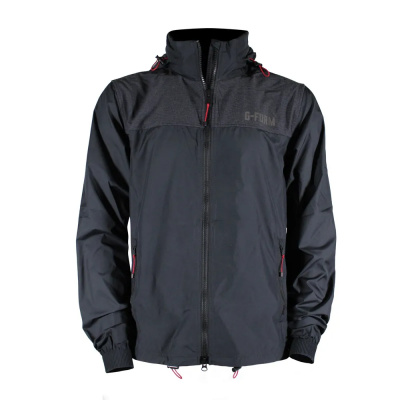
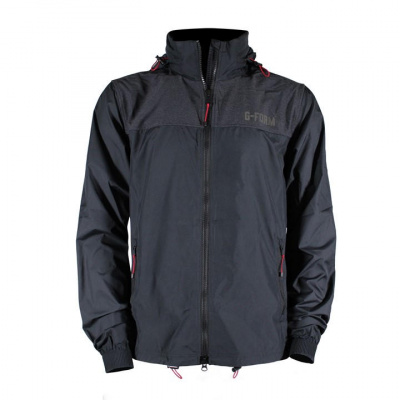
G-Form cycling jackets sit at a genuinely useful crossroads: serious impact protection and weather resistance in the same shell, without the bulk that usually comes with trying to do both. Most outerwear makers pick a lane - either a waterproof shell that ignores crashing, or armoured gear that lets rain through. G-Form's approach is different, threading SmartFlex technology into jackets that also carry DWR coatings and abrasion-resistant panels where brambles and gravel do their worst.
For UK riders, that combination makes real sense. You're not always picking between a wet ride and a rough one - on a typical winter lap in the Peaks or a late-autumn blast through the Brecon Beacons, you're dealing with both at once. These jackets are cut for the bike: longer at the back, pre-curved arms, articulated through the shoulders so you're not fighting the fabric every time you weight the front wheel into a corner. Whether you're running them over a base layer on milder days or pairing them with G-Form body armour underneath in proper winter conditions, there's a fit and spec level here worth knowing about before you buy.
Prices and availability can change quickly. Delivery charges are not always included in listed prices.
Final price, stock status and delivery terms are set by retailer. We may receive a commission on purchases made.
Fabric Tech and Weather Performance
The outer face of a G-Form jacket is doing several jobs simultaneously. The DWR coating handles the first line of defence - beading water off the surface before it can saturate the fabric and start pulling heat from you. On a greasy descent through overgrown singletrack, that coating is also keeping trail spray and thrown mud from soaking in immediately. It's not indestructible chemistry, but maintained properly it holds up well through a UK season's worth of abuse.
Where G-Form distinguishes itself from a standard waterproof shell is in the abrasion-resistant woven panels placed over the elbows, shoulders, and upper arms. These aren't decorative - they're there because those are exactly the points that connect with the ground, a gatepost, or a hawthorn hedge when things go sideways on a slippery root section. The weave is tighter and tougher than a standard softshell, which matters when you're pushing through overgrown winter trails where the brambles have no intention of getting out of the way.
Breathability is where jackets like this have historically struggled, and G-Form addresses it through moisture-wicking breathable membranes that allow sweat vapour to escape during hard efforts. A punchy climb on a humid October morning generates a serious amount of heat - the kind that leaves you soaked from the inside out if the fabric can't move air. The membrane construction helps, though it's worth checking individual model specs: fully waterproof versions will always sacrifice some breathability compared to highly water-resistant shells. Riders who run hot should factor that in, particularly on longer days with repeated climbing. If you want a benchmark for breathable outerwear at this level, Endura jackets offer a useful point of comparison for how membrane specs translate to on-trail feel.
Understanding the G-Form Fit and Range
G-Form jackets are cut for riding position, not standing around. The tail drops lower at the back - a deliberate choice that keeps your lower back and kidneys covered when you're stretched forward over the bars, rather than riding up and leaving a gap every time you lean into a descent. Arms come pre-curved to follow a natural riding position, which removes the pulling sensation you get from a jacket designed for upright wear when you're committed to the drops or pushing through a technical section.
The articulated shoulder construction is the part that's easy to overlook in a shop but you notice immediately on the bike. Reach forward, weight the front, move your arms through a full range of motion - a well-articulated jacket follows you rather than fighting back. That's particularly relevant when you're picking a line through something technical and need your upper body moving freely.
Sizing relative to armour is something worth thinking through before you order. G-Form's MTB jacket cut is generally relaxed enough to sit comfortably over low-profile base layer armour - the kind of thin, flexible protection that's become the standard approach for trail riders who want coverage without bulk. If you're running G-Form's own body armour in a vest or separate pieces, the fit tends to work well together since they're designed with the same rider in mind. Go up a size if you're planning to layer over hard-shell chest or back protectors with significant volume - you want the jacket sitting over the top without compressing your movement or bunching at the shoulders. Check the brand's size guide against your chest measurement and consider your usual base layer thickness too: a thick fleece mid-layer under a jacket that's already snug will cause problems on a cold day when you actually need it most.
For alternatives that take a different approach to the protection-versus-weather trade-off, Alpinestars jackets and 100% jackets are worth a look if the G-Form range doesn't quite hit the spec you need.
Layering and Care for UK Riding
Getting the layering right makes the difference between a jacket that works and one that ends up stuffed in your pack after twenty minutes. Under a G-Form shell, a moisture-wicking base layer does the first job of pulling sweat away from your skin - cotton doesn't cut it here, especially in cold, damp conditions where wet fabric against skin rapidly becomes a problem. Pair that with G-Form jerseys as a mid layer if the temperature warrants it; they're cut to work with the same fit principles, so you avoid the bunching and restriction that comes from mixing gear designed on different templates.
On milder shoulder-season days, some riders run the jacket directly over a jersey with no mid layer - that works fine when the jacket's breathability can keep pace with your effort level. Longer, harder days in genuine winter conditions need more thought: base layer, jersey, and jacket with the option to add a thin gilet or vest over the top if you're stopping for extended breaks.
Washing is where a lot of riders quietly wreck their DWR coating without realising it. The coating degrades faster with fabric softeners - they interfere with the molecular structure of the water-repellent finish, leaving you with a jacket that wets out rather than beads. Wash at low temperatures, use a technical fabric cleaner rather than standard detergent, and avoid tumble drying on high heat. If the DWR starts to wet out even after washing correctly, a wash-in DWR re-proofer will restore most of the original performance. Jackets with integrated SmartFlex padding should follow the same low-temp wash rule - the material handles washing fine, but sustained high heat during drying can affect the foam structure over time. Air dry where you can. Round out your setup with G-Form gloves and G-Form MTB baggy shorts for a cohesive layering system that shares the same fit and protection philosophy.
G Form Jackets FAQs
Are G-Form cycling jackets fully waterproof?
Most G-Form jackets use DWR coatings that handle trail spray and moderate UK rain well, but DWR-only construction isn't the same as fully waterproof. For sustained heavy downpours, check the specific model's hydrostatic head rating - if it's listed, you're looking at a sealed membrane; if not, treat it as highly water-resistant rather than bombproof.
How does G-Form SmartFlex padding perform in cold weather?
SmartFlex stays flexible during riding and stiffens on impact to absorb force - that's the design. In freezing temperatures it can feel noticeably firm straight out of the car, but a few minutes of riding generates enough body heat to bring it back to its normal pliable state. It's not a reason to avoid it in winter; just expect a brief warm-up period.
Should I size up my G-Form jacket to fit over body armour?
G-Form's MTB jacket cut is roomy enough to sit over thin, flexible armour without issue - it's designed with that use case in mind. If you're running bulkier hard-shell chest or back protectors, go up a size to maintain full arm movement and avoid the jacket pulling across the shoulders when you're reaching forward on the bike.