
G Form MTB Baggy Shorts
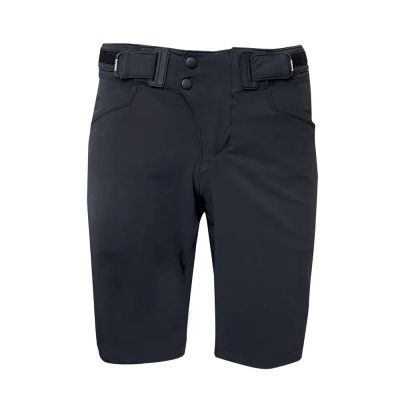
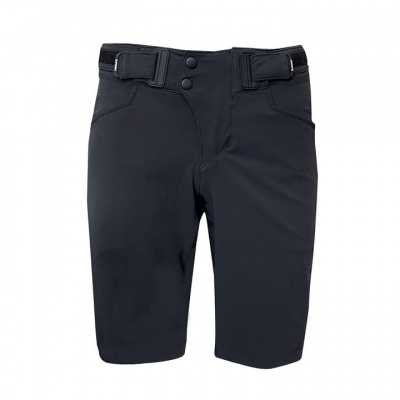
G-Form MTB baggy shorts are engineered around a simple principle: your outer shell should never be the thing that slows you down. G-Form built its reputation on impact protection, and that same rider-first thinking runs through every cut and seam of these shorts. The 4-way stretch woven fabric moves with you rather than fighting you, so whether you're grinding up a rooty Welsh climb or dropping into a loose, off-camber chute, your pedal stroke stays clean and your legs stay free.
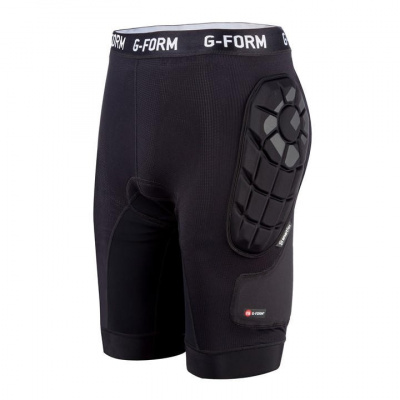
These are outer shells, full stop. No chamois, no liner - just a tough, well-cut over-short designed to work with your existing knee pads and base layers. The DWR coating handles the kind of trail spray and light Welsh drizzle that UK riding serves up on a typical Tuesday, and the abrasion-resistant fabric laughs off bramble snagging on overgrown bridleways. Laser-cut ventilation panels keep the air moving when the pace drops and the humidity climbs.
If you've ever wrestled with a pair of shorts that ride up over your knee pads mid-descent or leave a cold gap at the hem, you'll understand exactly what G-Form are solving here. These shorts are cut to integrate with armour, not ignore it.
Prices and availability can change quickly. Delivery charges are not always included in listed prices.
Final price, stock status and delivery terms are set by retailer. We may receive a commission on purchases made.
Fabric, DWR, and What the Weather Actually Throws at You
The 4-way stretch woven fabric is the foundation everything else builds on. It stretches in all directions simultaneously, which sounds like a small thing until you're standing on the pedals through a technical switchback and your shorts are keeping up with you rather than pulling tight across the thighs. That freedom matters just as much on slow, high-effort climbs - the kind where you're grinding up a steep forest track in the Peaks and every bit of restricted movement adds fatigue.
The DWR (Durable Water Repellent) coating is worth understanding properly, because marketing often blurs the line between water-resistant and waterproof. These aren't waterproof shorts. In a sustained, heavy downpour, they will wet out. What the DWR does brilliantly is handle everything short of that: rear-wheel spray kicking up from a saturated trail, puddle splashes, light showers that come and go, and the general low-level dampness that defines most UK trail days from October through to April. Water beads and rolls off rather than soaking straight through. For the majority of rides, that's exactly the coverage you need.
Laser-cut ventilation panels sit where airflow is most useful - typically across the thigh panels - and because they're laser-cut rather than mesh-inserted, there's no added bulk or snagging risk. During long, humid woodland climbs in summer, you'll notice the difference. During winter, they're subtle enough not to become a cold spot.
The Fit, the Inseam, and Getting It Right Over Knee Pads
Getting G-Form mountain bike shorts to work properly over knee pads comes down to two things: inseam length and articulation at the knee. G-Form address both. The inseam is cut slightly longer than a standard trail short, which means the hem sits over the top of your knee pad rather than above it - no cold gap, no exposed skin, no gaper situation mid-descent. The knees are articulated, meaning the fabric is pre-shaped to your bent riding position rather than pulling flat when you stand.
The adjustable waistband uses a low-profile retention system that keeps the shorts secure without adding bulk under a hip pack or riding jersey. It's the kind of detail that only matters when it's missing. Fit around the seat is relaxed enough for comfort but not so baggy that fabric bunches under a pack's hip belt on a longer enduro day in the Afan Valley.
One thing to be clear about: these are unpadded outer shells. There's no chamois built in. If you want padded comfort on the bike, you'll need to run a separate liner underneath - take a look at G-Form liner shorts to pair them up properly. Don't assume the baggy shorts alone will be enough for anything longer than a short blast.
Compared to something like Fox MTB baggy shorts or Endura MTB baggy shorts, G-Form's cut leans towards a more armour-integrated silhouette. If you regularly ride with knee pads, that specificity is worth something. If you mostly ride without armour, the slightly longer inseam is still comfortable - it just doesn't offer a functional advantage over more conventional cuts.
Running These Year-Round: Layering and Keeping the DWR Alive
In summer, the combination is simple: G-Form baggies over a lightweight padded liner, and you're sorted from the car park to the trail head. In cooler months - and in Scotland or the North, that means most of the year - layering over thermal tights is the standard move. The 4-way stretch means the shorts don't fight you when there's a thin baselayer underneath; they just sit over the top without binding. A set of G-Form body armour rounds the setup out on days when the trails are wet, rooty, and unforgiving.
Wash care is worth paying attention to if you want the DWR to last. Wash at 30°C or cooler, and keep fabric softener away from them entirely - softener coats the fibres and kills water repellency faster than anything else. After a muddy winter session, rinse the worst of it off before it dries if you can. Every few washes, or when you notice water starting to soak in rather than bead off, treat the shorts with a wash-in or spray-on DWR reproofer. Nikwax Tech Wash followed by TX.Direct is the go-to combination and genuinely restores performance rather than just delaying the inevitable. It takes ten minutes and adds months of life to the coating.
Worth keeping an eye on the seams and lower hems after gorse-heavy rides - abrasion resistance is good, but repeated contact with dense, spiky scrub will eventually show. Check them after rides on trails you wouldn't describe as manicured. For everything else in your kit setup, G-Form jerseys and G-Form gloves are worth looking at alongside these shorts if you're building out a full G-Form trail kit.
If you're deciding between G-Form and Leatt MTB baggy shorts, the main trade-off is this: Leatt's shorts often integrate more directly with their own knee brace ecosystem, while G-Form's cut is more pad-agnostic. Both are solid options for regular UK trail riding - which one suits you depends on what armour you're already running.
G Form MTB Baggy Shorts FAQs
Do G-Form MTB baggy shorts include a padded chamois?
No - G-Form baggy shorts are outer shells only, with no built-in chamois. For saddle comfort, pair them with a dedicated set of padded liner shorts worn underneath. Running them without a liner on longer rides will get uncomfortable quickly, so it's worth sorting that pairing before your first big day out.
Will these shorts fit comfortably over bulky knee pads?
Yes, and this is genuinely one of G-Form's strong suits here. The shorts are cut with a slightly longer inseam and articulated knees specifically to sit over knee pads without snagging or leaving an exposed gap at the hem. Whether you're running slim trail pads or chunkier enduro armour, the fit accounts for it.
How water-resistant are G-Form trail shorts?
They carry a DWR (Durable Water Repellent) coating that handles trail spray, splashes, and light showers well - water beads and rolls off rather than soaking through. They are not fully waterproof, though, and will eventually wet out in sustained heavy rain. For most UK riding days, the DWR coverage is more than adequate.