
Fox Rear Shocks
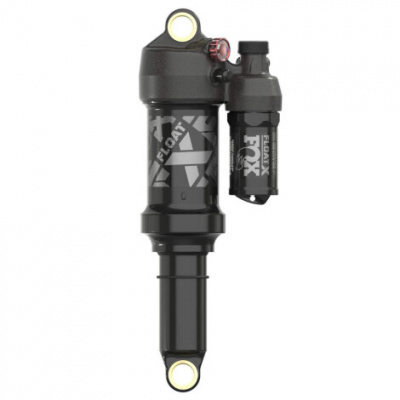
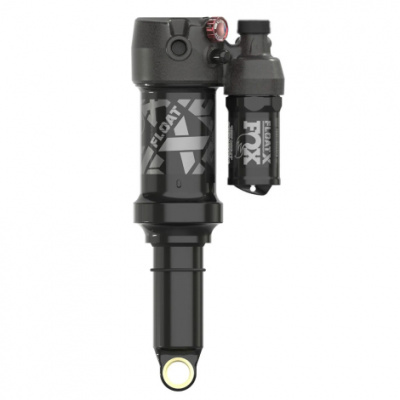
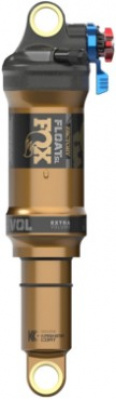
Fox rear shocks set the benchmark for mountain bike suspension, and for good reason - whether you're threading slick, rooty singletrack or sending it on a proper DH run, there's a Fox shock built for the job. The lineup spans lightweight inline air shocks for XC and trail riding all the way through to high-volume piggyback units and coil shocks capable of handling the most demanding descents. What ties them together is Fox's obsessive attention to tunability: you're not just bolting on a spring rate, you're dialling in how the whole rear end of your bike behaves.
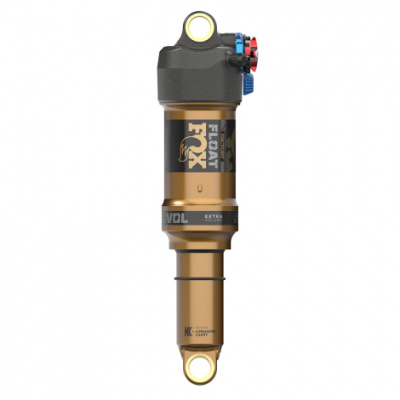
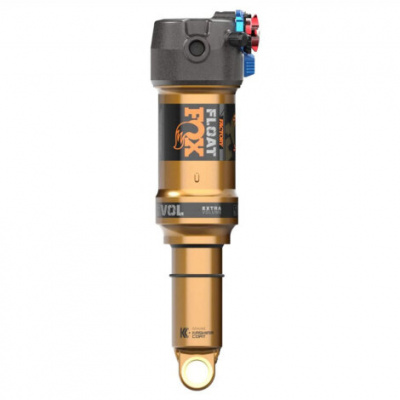
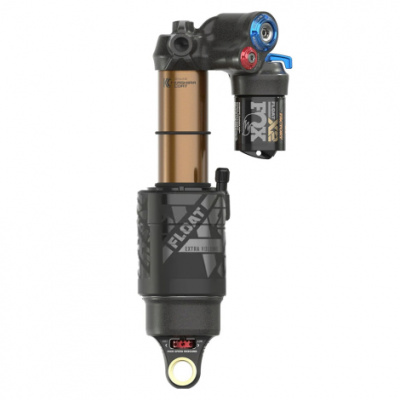
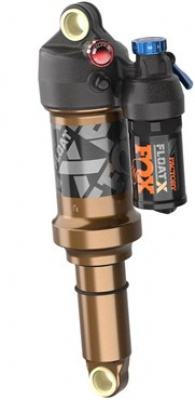
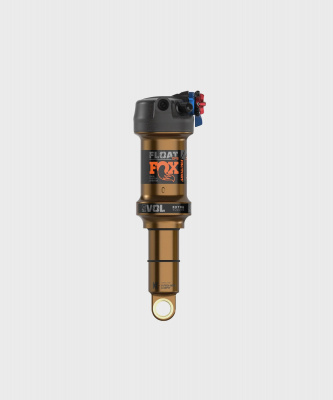
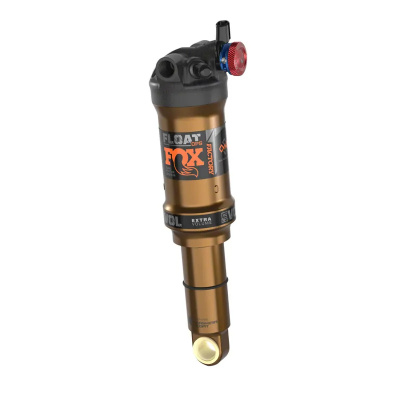
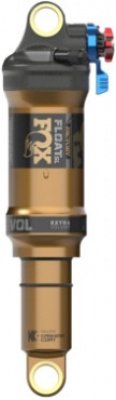
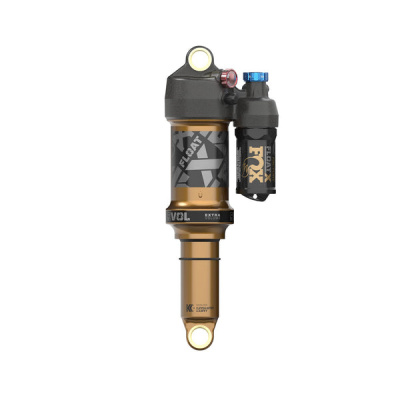
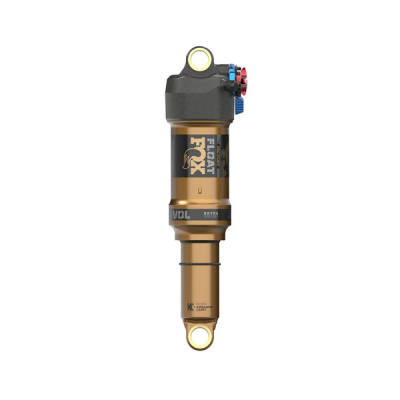
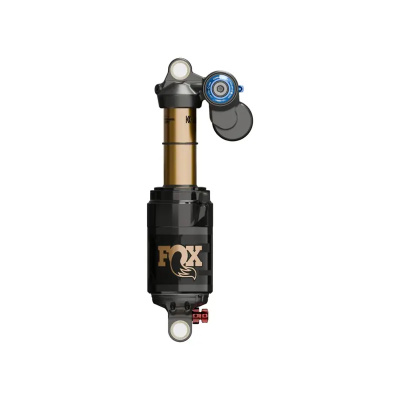
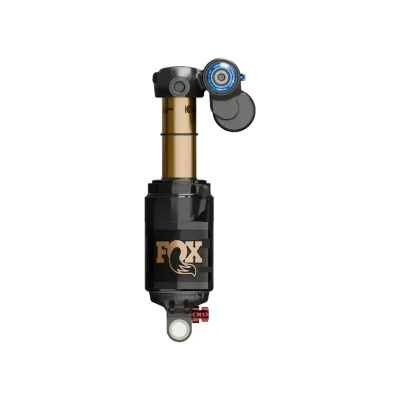
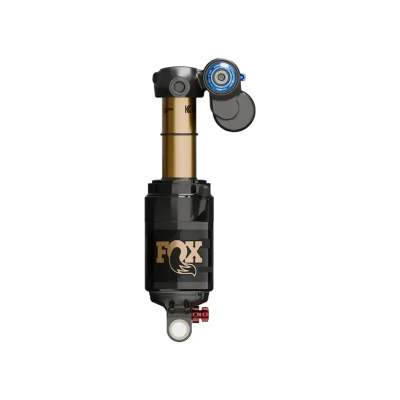
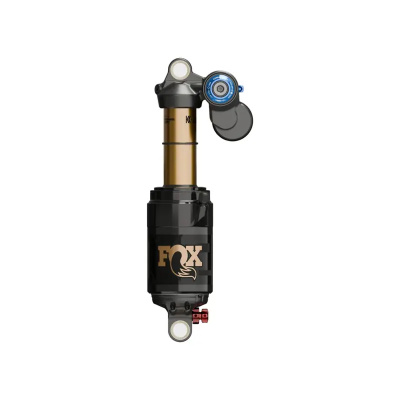
The gold Kashima coating on Factory models is more than a cosmetic flourish - it genuinely reduces shaft friction for a more consistent, sensitive stroke. The EVOL air sleeve gives you better small-bump compliance without sacrificing mid-stroke support, and the higher-spec models offer compression and rebound circuits that let you fine-tune response for specific conditions. If you're running a longer-travel enduro rig or a frame with a trunnion mount, there's a direct-fit option in the range. Browse our price-compared selection below to find the right rear shock for your frame and riding style.
Prices and availability can change quickly. Delivery charges are not always included in listed prices.
Final price, stock status and delivery terms are set by retailer. We may receive a commission on purchases made.
Decoding the Fox Rear Shocks Lineup
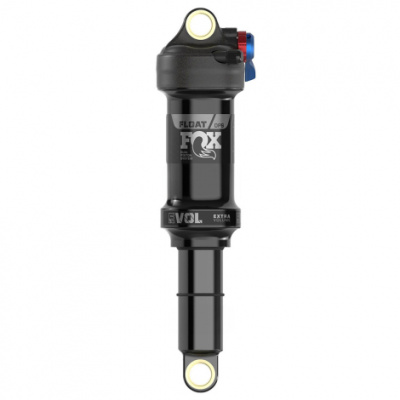
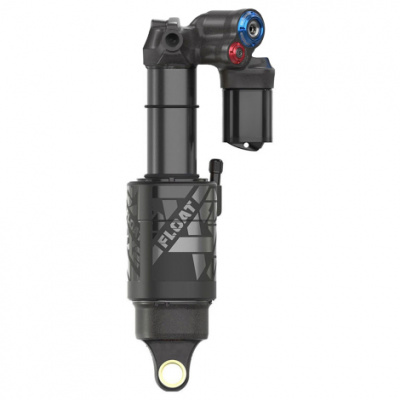
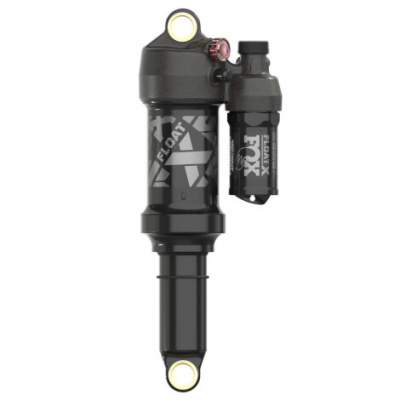
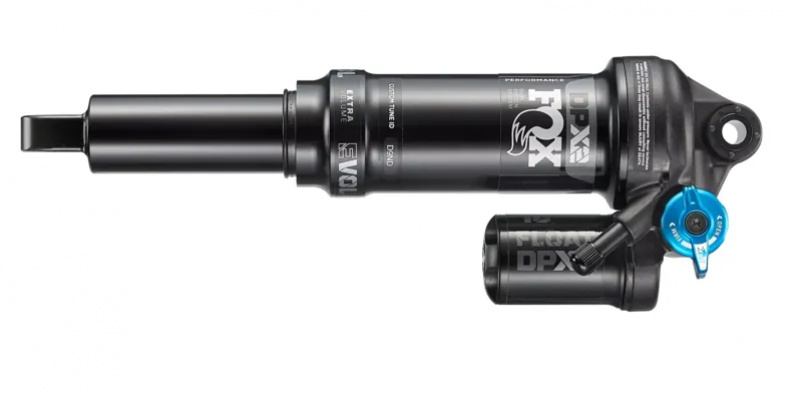
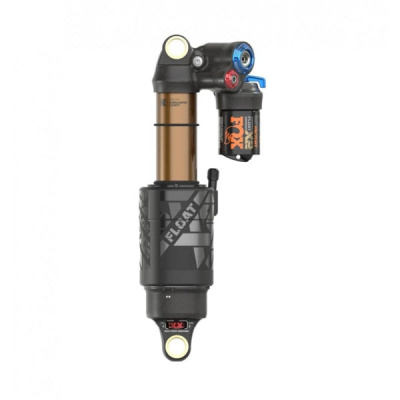
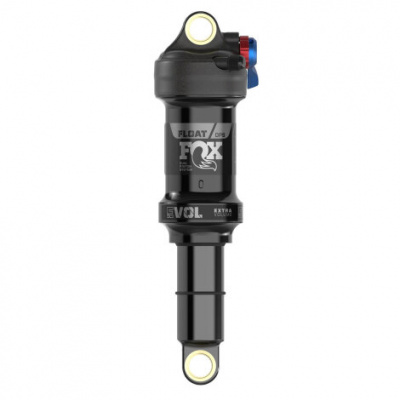
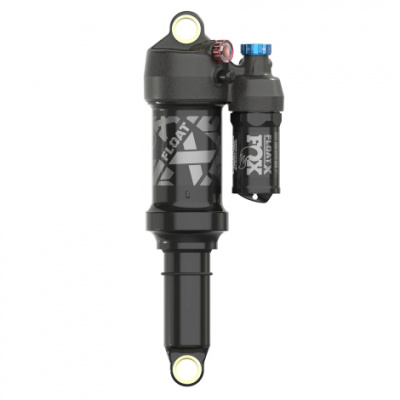
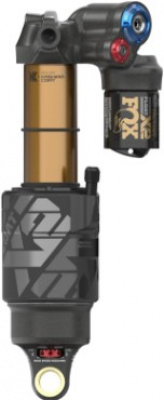
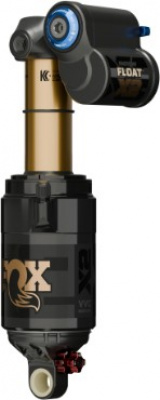
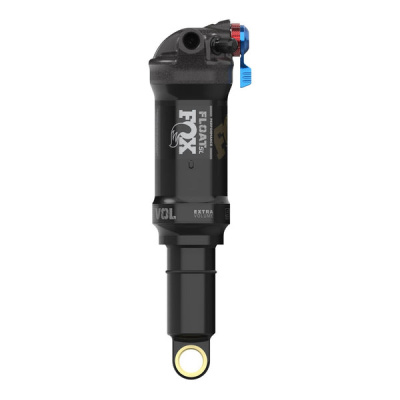
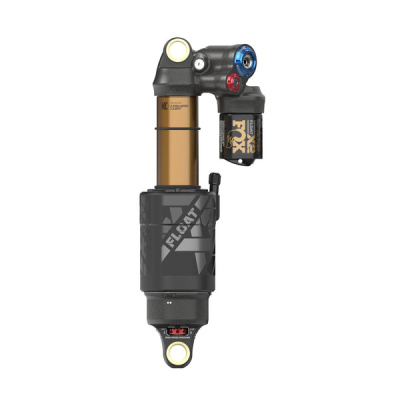
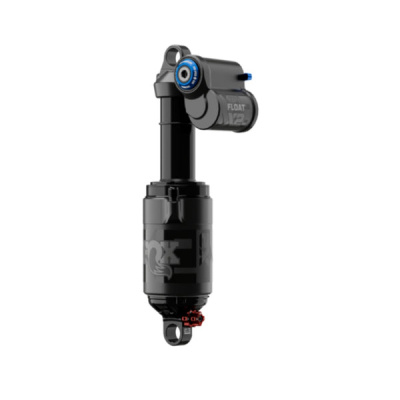
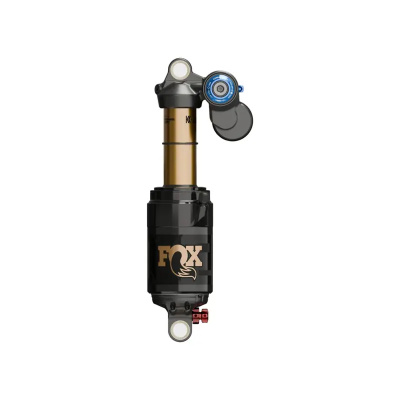
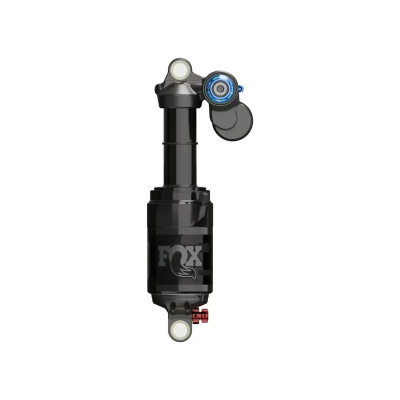
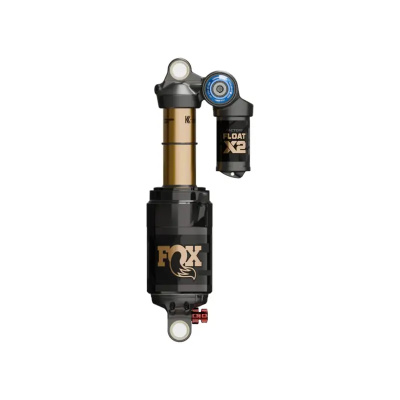
Think of the range in two broad camps: air and coil. On the air side, the Float is Fox's lightest inline option - no piggyback reservoir, compact, and suited to XC and lighter trail bikes where pedalling efficiency matters. Step up to the Float X and you get a piggyback reservoir for better heat management and more consistent damping on longer descents, making it the natural fit for enduro-length days. The Float X2 adds a larger air volume and a four-way damper circuit, including independent high and low-speed compression and rebound control - that's the shock you'll find specced on aggressive enduro and DH-capable frames.
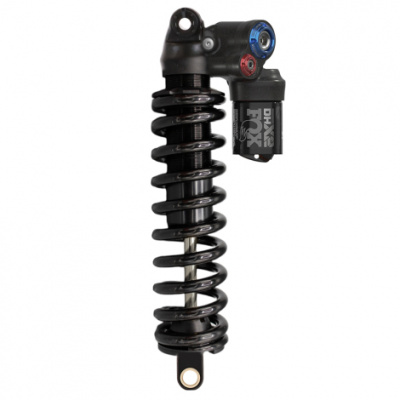
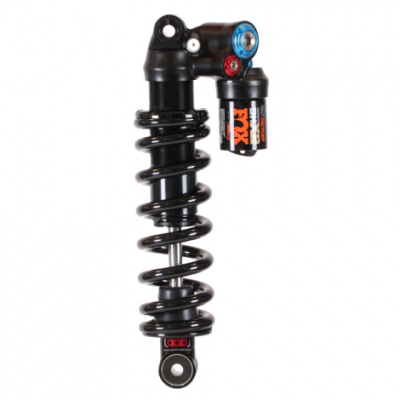
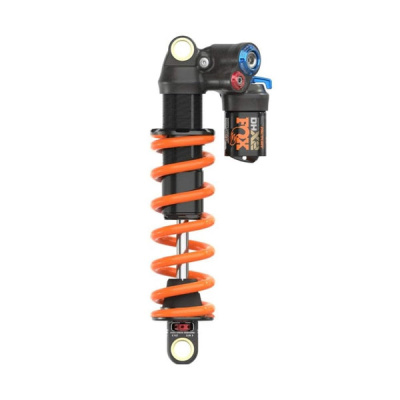
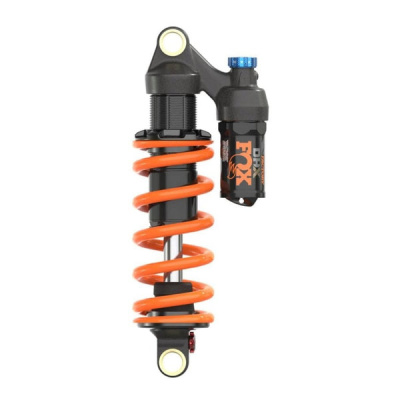
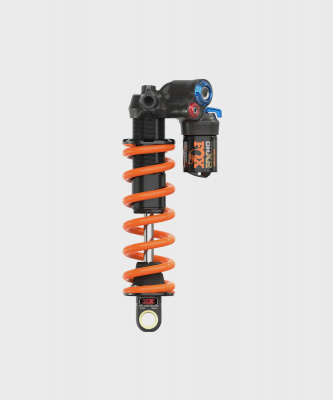
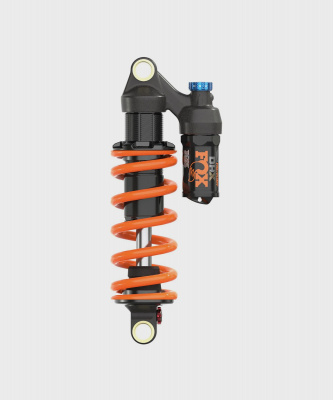
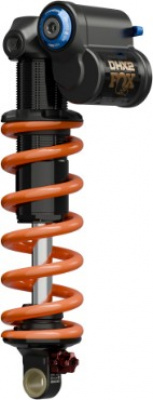
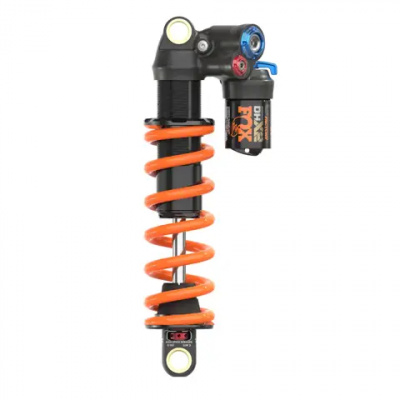
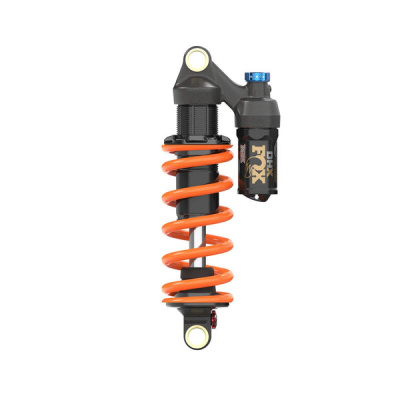
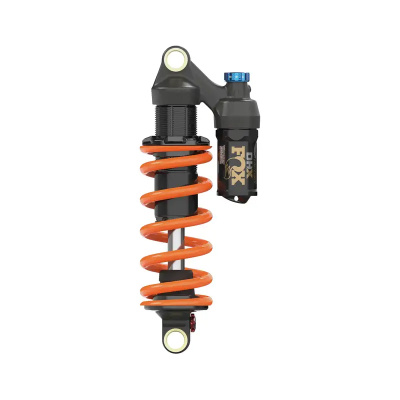
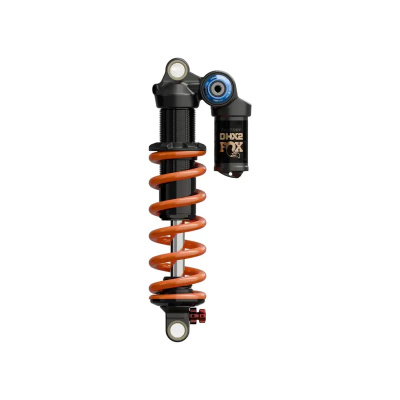
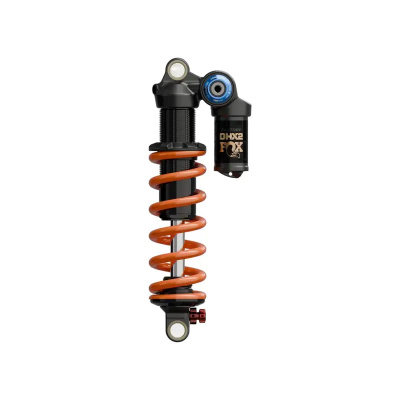
On the coil side, the DHX covers trail and enduro use, while the DHX2 is Fox's full-fat DH coil. Both use a proper steel spring rather than an air can, which means linear, fade-free feel and none of the seal friction that air shocks can exhibit in cold conditions. Worth knowing if you're riding through a British winter.
Trim levels matter here. Factory shocks get the gold Kashima coating, maximum external adjustability, and premium internals throughout. Performance Elite uses exactly the same damper internals - same valving, same quality - but with black anodised shafts instead. You lose the Kashima finish and pay a bit less; you don't lose any performance. Performance models simplify the damper with fewer external adjusters, which actually makes setup quicker if you'd rather ride than fiddle.
For setup and maintenance gear, head to our Fox Shock Pumps page for high-pressure options to dial your air pressure precisely, and our Fox Shock Spares page for wiper seals and service kits when it's time for a rebuild.
The Tech That Makes Fox Shocks Work
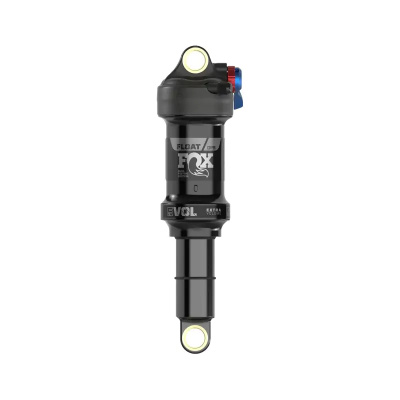
The EVOL air sleeve - Extra Volume - is central to how Fox air shocks feel. By increasing the air chamber volume, EVOL reduces the air spring's progressive ramp-up in the early part of the stroke. In practice, that means better small-bump sensitivity without the shock feeling like it blows through its travel too easily. You get a more linear, controlled feel through the mid-stroke, which translates directly to traction on rough ground.
On the Float X2, the VVC (Variable Valve Control) system on the high-speed rebound circuit is genuinely clever. Standard rebound circuits add preload to a valve spring to slow things down. VVC changes the actual stiffness of the valve itself, giving a far more precise control over how the shock recovers after a big hit. The practical difference: your wheel finds the ground again faster and more predictably after square-edged impacts, without the pogo-stick feel that too-fast rebound can cause.
The MCU bottom-out bumper - a microcellular urethane pad at the end of the stroke - is worth a mention too. It's not a magic carpet, but it takes the harshness out of hard bottom-outs in a way that feels progressive rather than like hitting a wall. And the Genuine Kashima Coat: it's a hard, porous anodising process developed in Japan that holds oil in microscopic pits on the shaft surface. Less stiction, more consistent feel across the full stroke, especially when the shock hasn't fully warmed up at the start of a cold ride.
The DPS (Dual Piston System) found in Fox's XC-oriented shocks is a different animal - it uses two pistons to generate pedalling platform without relying on a lockout lever, keeping the suspension active while resisting bob. Useful on longer climbs where you want both worlds without constantly flicking a remote.
If you're weighing up alternatives, RockShox rear shocks are the closest direct comparison in terms of range depth and metric sizing compatibility, and Öhlins rear shocks sit at the premium end with their twin-tube damper design - a different approach to similar goals.
Running a Fox Shock Through a UK Winter
British trails are hard on suspension. The abrasive grit that gets suspended in winter mud works its way past wiper seals faster than most riders expect, and once it's inside the air can, it accelerates wear on the shaft and seals significantly. Fox's own guidance recommends an air sleeve service every 50 hours - clean the can, regrease the seals, check for contamination. In UK conditions, treat that as a ceiling, not a suggestion. If you're riding year-round in Snowdonia or on the South Downs through November to March, 30 to 40 hours is a more sensible interval.
The coil argument - DHX2 versus an air shock - gets more interesting in winter. Coil shocks have no air seals to contaminate, run with lower friction in freezing temperatures, and are genuinely easier to hose down after a muddy ride. The trade-off is weight and the fact that spring rate changes mean buying a new spring rather than adjusting a Schrader valve. For dedicated winter bikes or anyone who'd rather spend less time servicing and more time riding, that's a reasonable deal.
For wet, rooty conditions - think the kind of off-camber roots you'd hit on a typical Coed y Brenin or Glentress trail - it's worth backing off your low-speed compression damping slightly. More low-speed compression means the shock resists small inputs more, which can cause the rear wheel to skip rather than track. Ease it off by two or three clicks from your usual setting and you'll feel the rear wheel stick more consistently. Pair that with a slightly lower tyre pressure and the bike handles wet roots in a completely different way.
On the subject of custom tune options: Fox's aftermarket tune service lets you get the internals reworked for your weight and riding style. Worth knowing about if you're at the lighter or heavier end of the rider weight range and finding the stock valving isn't quite responding the way you'd like. Complete the kit with Fox MTB baggy shorts and a Fox jersey built to the same mud-and-grit brief as the shocks themselves.
Fox Rear Shocks FAQs
What is the difference between Fox Factory and Performance rear shocks?
Factory shocks get the gold Kashima coating on the shaft - which genuinely reduces friction - and the highest level of external damper adjustability, typically four-way. Performance Elite shares the exact same internal damper components but uses a black anodised shaft and costs less. Standard Performance models simplify the damper further with fewer adjusters, making setup more straightforward but limiting fine-tuning options.
How do I know what size Fox rear shock I need?
You need two measurements from your frame: eye-to-eye length (centre of one mounting eyelet to the other) and stroke length (how far the shaft travels). You also need to know your mounting type - standard eyelet or trunnion mount - as these aren't interchangeable. Always check your bike manufacturer's exact spec sheet before buying; fitting the wrong size can cause frame damage.
How often should I service my Fox rear shock?
Fox recommends an air sleeve service every 50 hours - that means stripping the air can, cleaning it out, and regreasing the seals. A full damper rebuild should happen every 125 hours or once a year, whichever comes first. If you ride regularly through UK winters in gritty, wet conditions, lean towards the shorter end of those intervals to protect the shaft and seals.