
Rockshox Rear Shocks
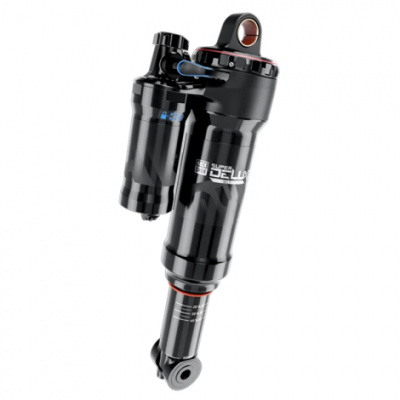
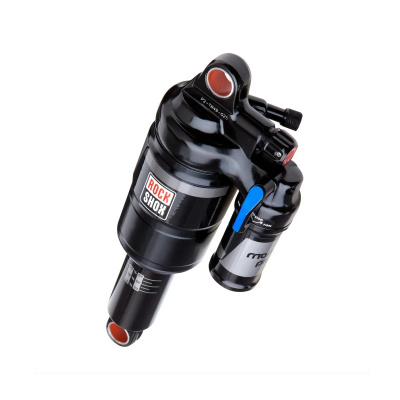
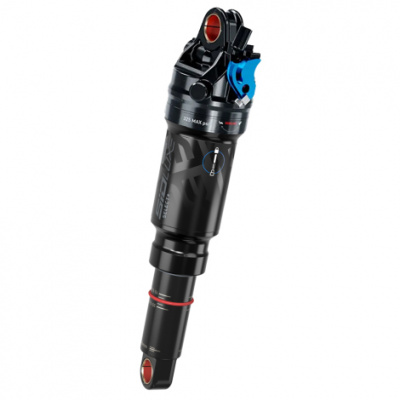
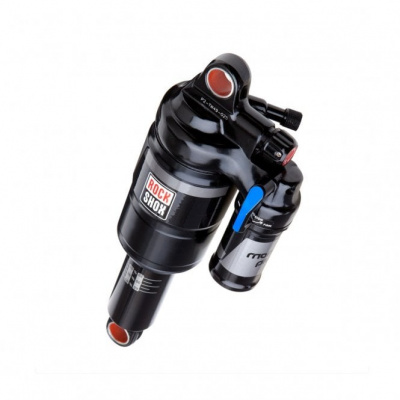
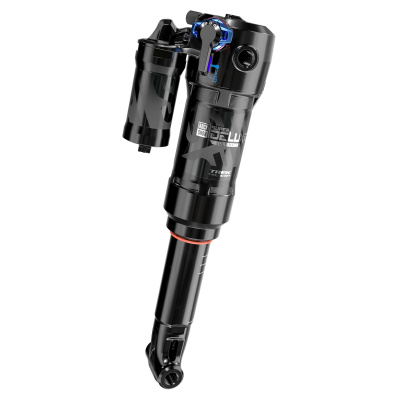
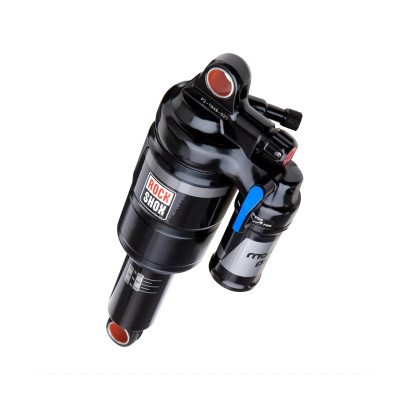
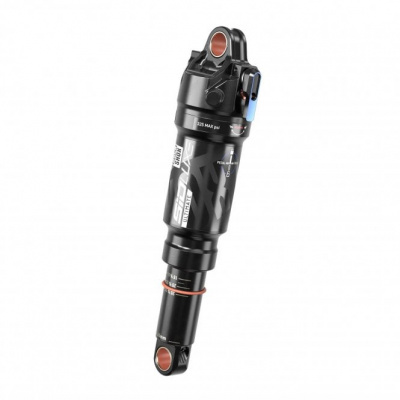
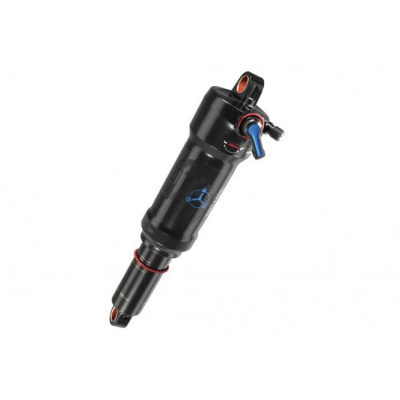
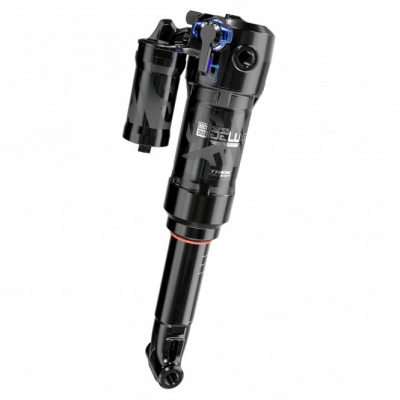
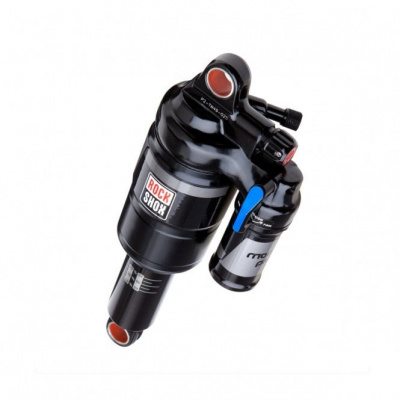
RockShox rear shocks have earned their place on everything from muddy Welsh trail centres to proper enduro racers, and the range is broader than most riders realise. Whether you're after the plush, progressive feel of an air shock or the linear, set-and-forget consistency of a coil, there's a model here built around how you actually ride. The air side leans on RockShox's DebonAir+ spring technology - a large-volume negative chamber design that gives you that supple, small-bump sensitivity without sacrificing mid-stroke support. Coil options trade a little tunability for a damping consistency that doesn't care how long or how steep your descent is. That matters when you're three runs deep at Ae Forest and your air shock is starting to feel vague. The range runs from the trail-friendly Deluxe through to the race-spec Super Deluxe and the coil-over Vivid - each one sitting at a distinct point on the weight, performance, and adjustability spectrum. Sizing is metric-standard across the board, and compatibility with modern trunnion and eye-to-eye mounts is well covered. Use the filters below to narrow by stroke length, spring type, and damper spec.
Prices and availability can change quickly. Delivery charges are not always included in listed prices.
Final price, stock status and delivery terms are set by retailer. We may receive a commission on purchases made.
Air or coil - which spring type suits your riding?
It's the first question most riders get wrong, usually by defaulting to whichever came on their bike. Air shocks are lighter and offer a tunable, progressive feel - you can adjust sag gradients by tweaking pressure and, on some models, volume spacers. The DebonAir+ air spring system uses a larger negative chamber than earlier RockShox designs, which means the shock moves into its travel more willingly on small bumps without feeling wallowy deeper in the stroke. That's the balance most trail and enduro riders are chasing.
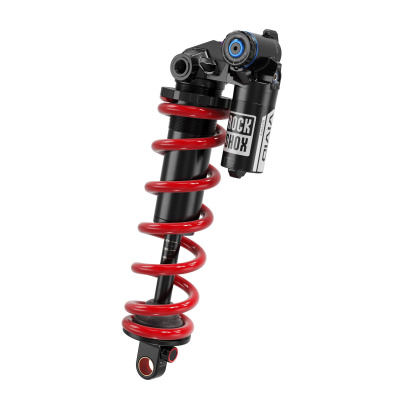
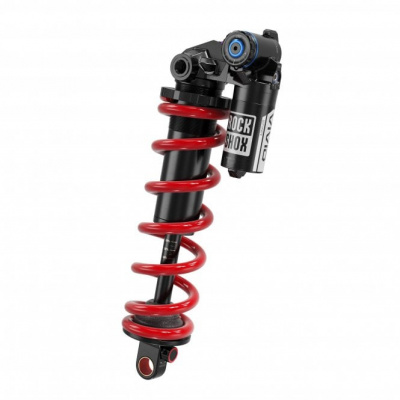
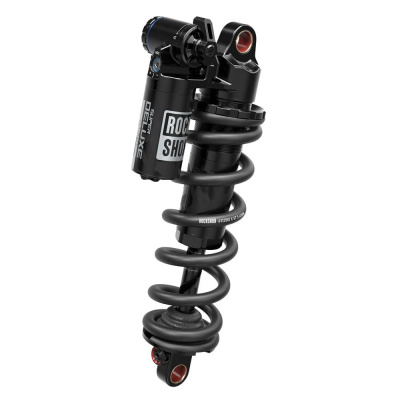
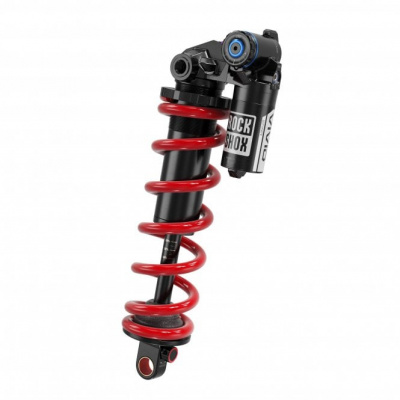
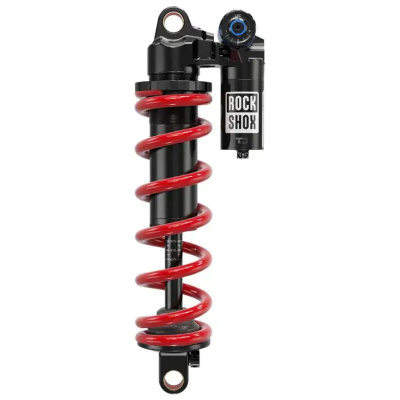
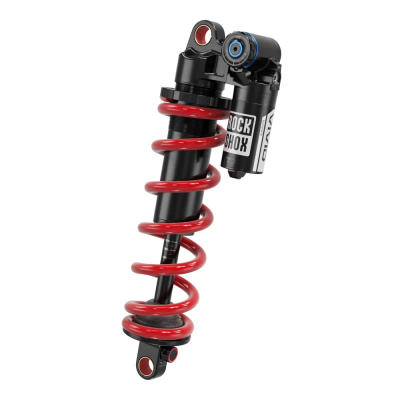
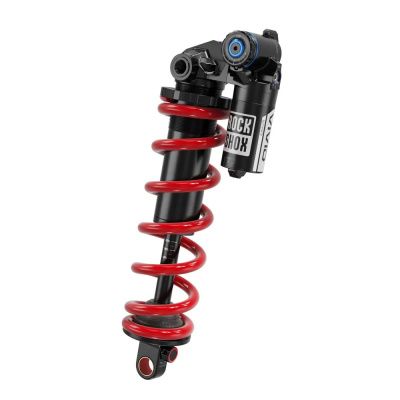
Coil shocks - primarily the Vivid range - work differently. The spring rate is linear, so the shock doesn't ramp up progressively as you dig into the travel. For some riders and some frames, that's exactly what you want: a consistent, predictable feel that doesn't change as the shock warms up on a long, rough descent. It also tends to be more forgiving in the kind of cold, gritty conditions that are standard issue in the Peak District between October and April. The trade-off is weight and the fact that changing spring rate means physically swapping the coil, not just reaching for a shock pump. If your frame is designed around a progressive leverage curve, a coil can work beautifully. If not, you may find it too easy to bottom out.
Breaking down the model range
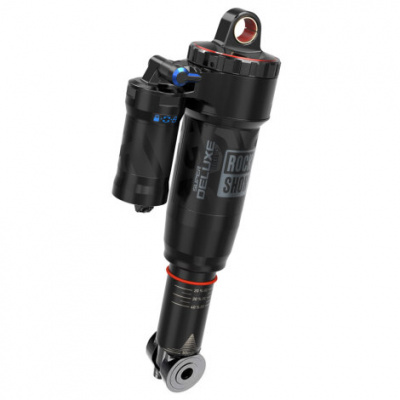
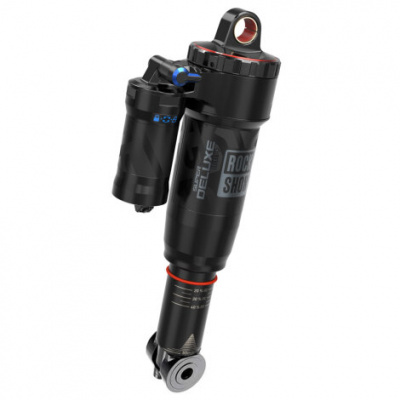
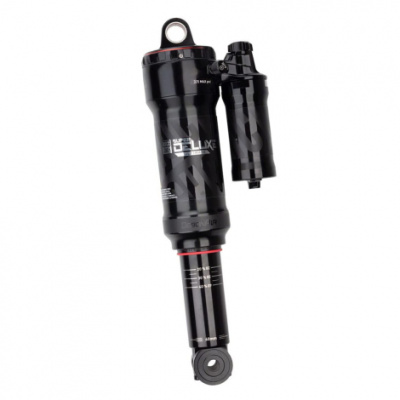
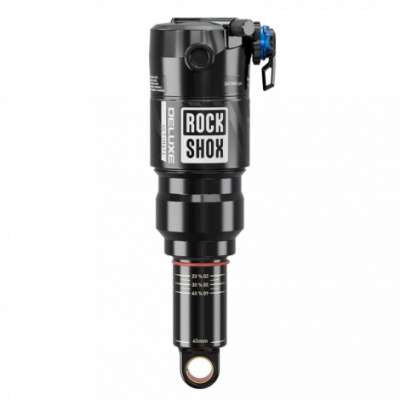
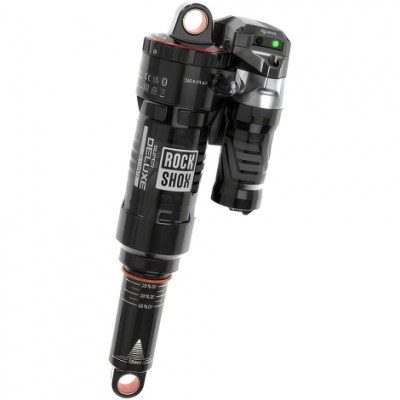
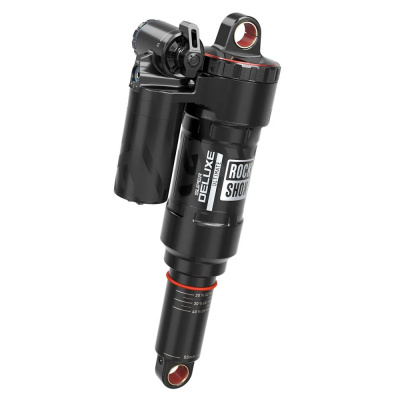
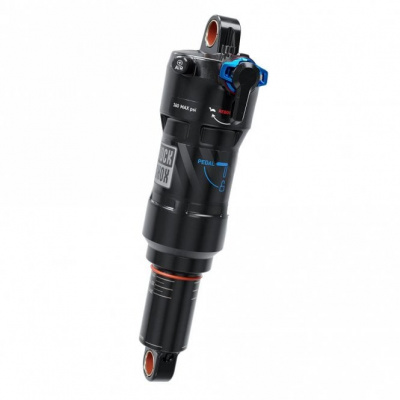
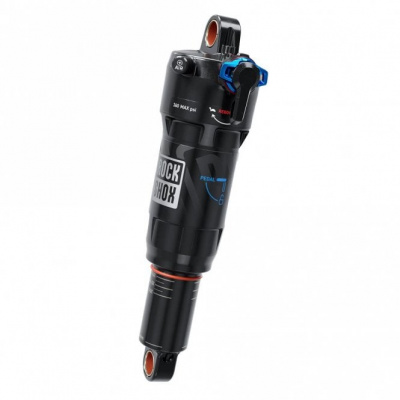
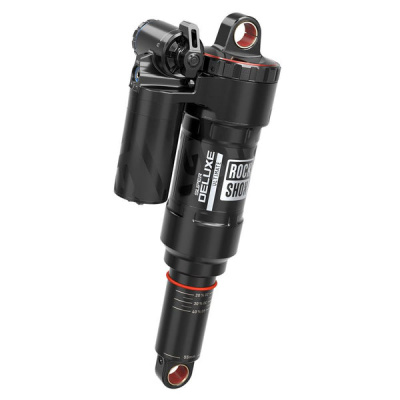
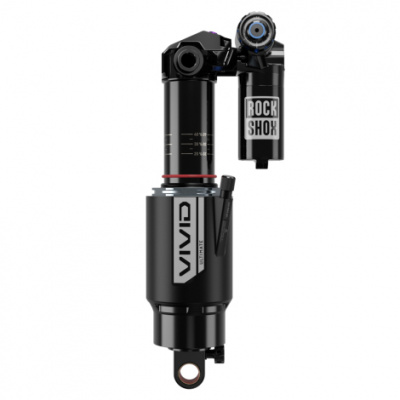
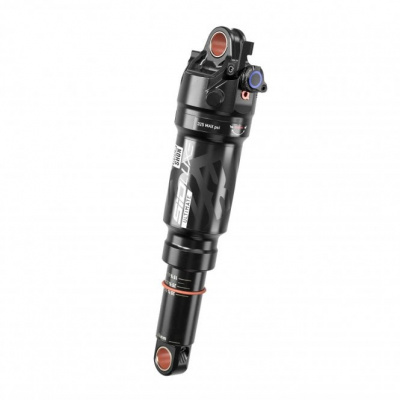
The Deluxe is the entry point for trail and light enduro use. It runs a simpler damper with rebound and low-speed compression adjustment - enough for most riders to find a solid setup without getting lost in the tuning. It's the shock you spec on a capable trail bike and largely forget about, which isn't a criticism. Reliable and sensibly priced, it suits riders who want performance without fuss.
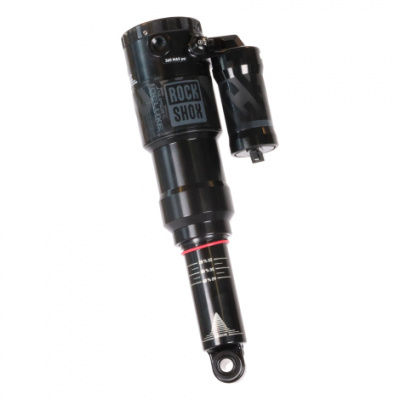
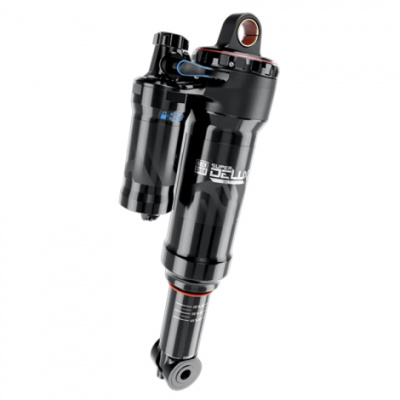
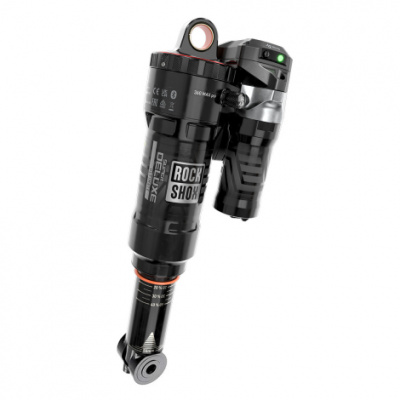
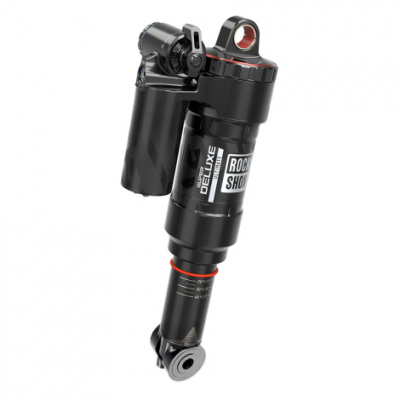
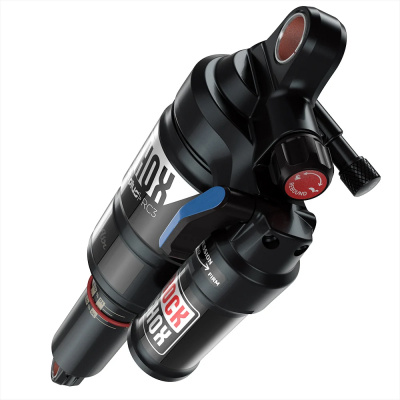
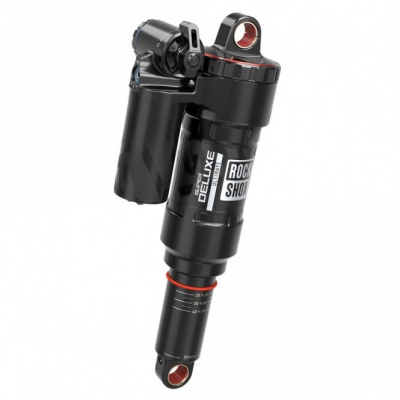
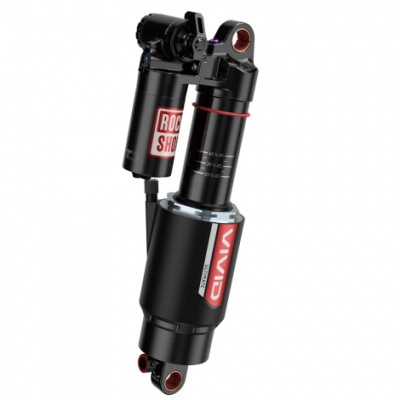
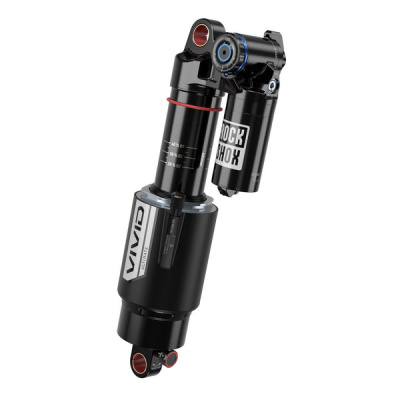
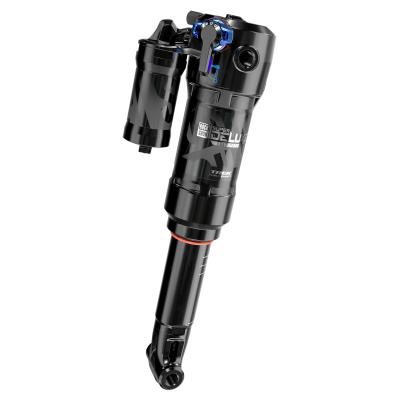
Step up to the Super Deluxe and the damper gets considerably more sophisticated. The RC2T damper adds high-speed compression alongside the low-speed and rebound controls, plus the Threshold circuit - a feature that lets you fine-tune how the shock responds to small, rapid trail chatter versus bigger, slower hits. That's a meaningful distinction on chunky natural trail, where a shock that's set firm enough to handle square-edged roots can still feel harsh on fast, chattery sections. The RC2T gives you a way to manage both. Comparing RockShox Super Deluxe vs Deluxe, the RC2T is the clearest functional upgrade - not just a spec sheet difference.
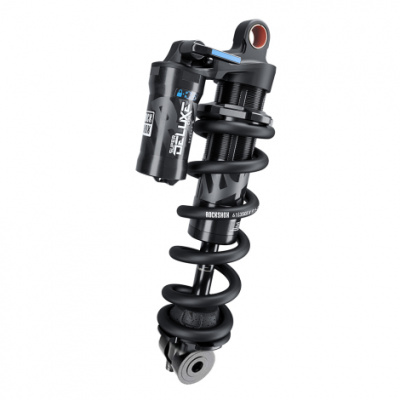
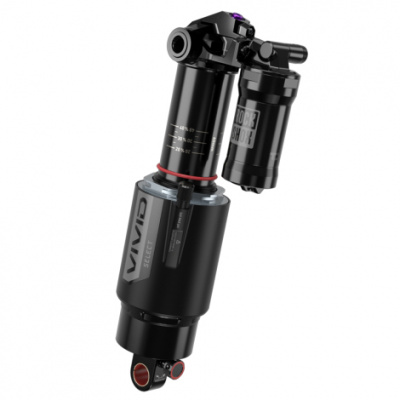
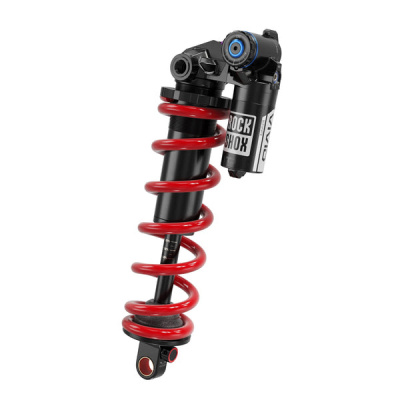
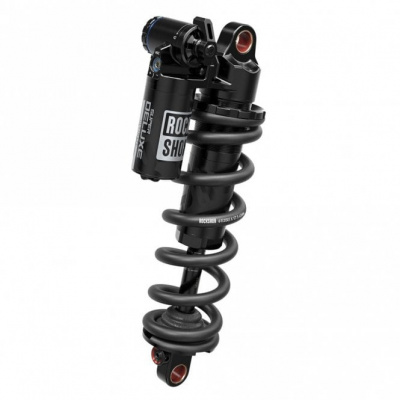
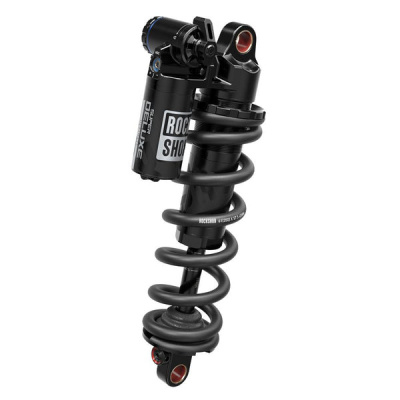
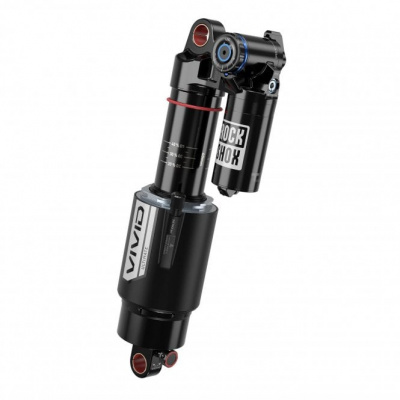
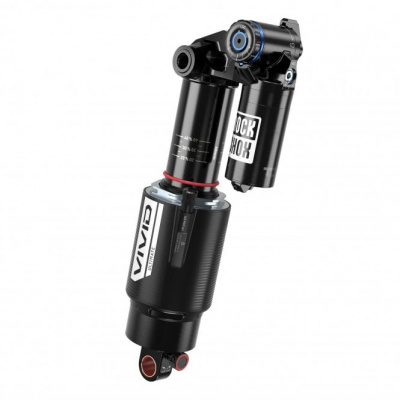
The RockShox Vivid Ultimate is the coil flagship. It pairs Counter Measure technology - a feature designed to reduce pedal-induced bob without the harshness of a traditional platform setting - with a fully adjustable damper. It's aimed squarely at enduro and gravity riders, and it shows in the build quality and the price. If you're racing EWS-format events or just spending serious days in the bike park, it's a strong option. Riders coming from Fox rear shocks will find the Vivid a comparable level of performance with a slightly different damping character - less high-speed plushness, arguably more mid-stroke support.
How to get sizing right
Metric sizing is now standard across the RockShox range, but getting it wrong is still easy, especially on older frames or bikes imported from markets that mixed standards. You need two measurements: eye-to-eye length (the distance between the two mounting centres) and stroke length (how far the shock shaft travels). Common metric sizes run from 185x50mm up to 230x65mm and beyond for longer-travel frames. Your frame manufacturer's geometry page or the original shock specification is the most reliable source - don't rely on visual estimation.
Mounting style matters too. Trunnion mount shocks sit differently to standard eye-to-eye designs, with the main eyelet replaced by a through-axle-style mounting at the top. If your frame is trunnion-specific, you can't simply swap in a standard shock without an adapter. Check this before ordering. If you're unsure, the frame's service manual usually specifies both mount type and the correct shock dimensions.
Damper features worth understanding
Hydraulic Bottom Out (HBO) is fitted to higher-spec models and works as a hydraulic buffer in the last portion of the stroke - it slows the shock down before it hits the physical bottom-out bumper, reducing that harsh clunk you get when you genuinely run out of travel on a big hit. It's subtler than it sounds and does a reasonable job of protecting the shock internals from repeat hard bottom-outs. The standard foam bottom-out bumper on entry-level models does a similar job mechanically, but without the progressive hydraulic ramp-up.
RockShox also uses Maxima Plush Dynamic Suspension Lube as the damper fluid across the range. It's a low-viscosity fluid designed to maintain consistent damping across a wide temperature range - relevant when you're going from a cold, wet Pennine morning to a longer descent where the shock has had time to warm up. Damping that shifts noticeably between cold and warm conditions is one of those things that's hard to diagnose on trail but easy to replicate in a workshop temperature test.
Keeping a RockShox rear shock running in UK conditions
UK winters are hard on rear shocks. Grit and mud work into the wiper seals around the shaft, and once contamination gets past the seals, you're looking at accelerated wear on the damper internals. A quick wipe of the shaft before and after muddy rides isn't excessive - it genuinely extends service intervals. RockShox recommends a lower leg (air can) service every 30-50 hours of riding, more frequently if you're riding in consistently wet and gritty conditions. The Tweed Valley in autumn is the kind of place that turns a 50-hour service interval into a 20-hour one.
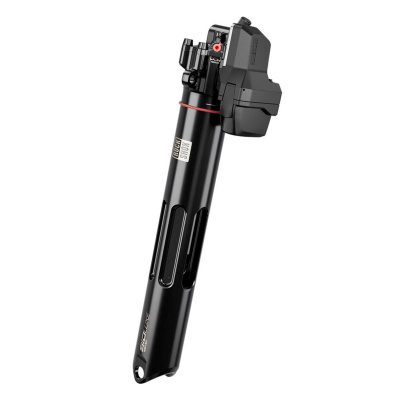
If you're pairing a new shock with fresh trail build, it's worth checking your MTB suspension forks are serviced at the same time - unbalanced front and rear suspension is one of those things that makes a bike feel off without an obvious cause. And once you've got the shock dialled, a quality shock pump with a reliable pressure gauge makes checking sag far less of a faff between rides.
For riders running a dropper post alongside a new shock, it's worth cross-referencing cable routing before fitting - some frames route the dropper internally in a way that can conflict with certain shock body profiles. Minor point, but worth ten minutes in the stand before you commit. Check out dropper posts on Bikesy if you're building up a complete suspension package.
Riders weighing up alternatives to RockShox will typically look at Fox Float and DHX models or Öhlins rear shocks for the premium coil end of the market. Fox's GRIP2 damper is a credible rival to the RC2T in terms of adjustment range; Öhlins offers a different damping character that some riders prefer for its linearity. Neither makes RockShox a lesser choice - it comes down to preference and what your frame was designed around.
Rockshox Rear Shocks FAQs
How do I know what size RockShox rear shock I need?
You need the eye-to-eye length and stroke length from your frame's specification - usually found in the owner's manual or the manufacturer's geometry page. Metric sizing is now standard, so a typical trail shock might be 210x55mm. Don't guess from the old shock's appearance; measure or look it up. Fitting the wrong stroke length can cause handling issues or damage the frame's pivot hardware.
What is the difference between RockShox Deluxe and Super Deluxe?
The core difference is the damper. The Deluxe runs rebound and low-speed compression adjustment - solid for trail riding and easy to set up. The Super Deluxe adds the RC2T damper with high-speed compression control and the Threshold circuit, which lets you tune response to fast chatter separately from bigger hits. For enduro or technical natural trail, that extra control is genuinely useful, not just a spec upgrade.
How much air pressure should be in a RockShox rear shock?
RockShox publishes a pressure chart based on rider weight - typically ranging from around 100psi for lighter riders up to 250psi or more for heavier ones, though it varies by model and volume spacer configuration. Start at the recommended pressure for your weight, set sag to roughly 25-30% of total travel, and adjust from there based on feel. Always use a dedicated shock pump; a tyre pump will overinflate and damage the air spring.