
Fingerscrossed Overshoes
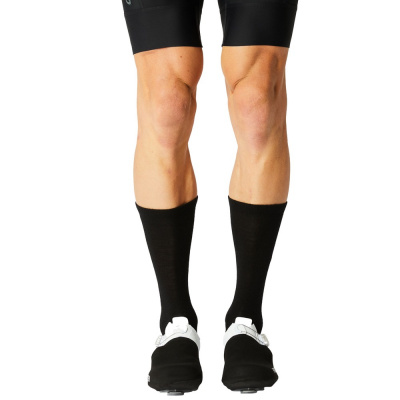
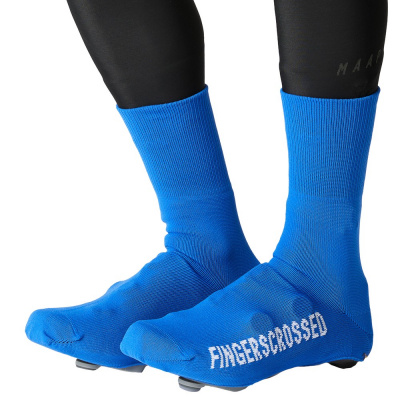
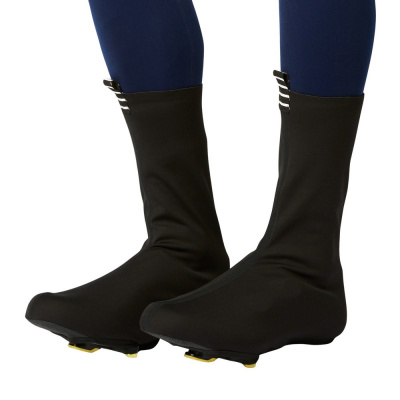
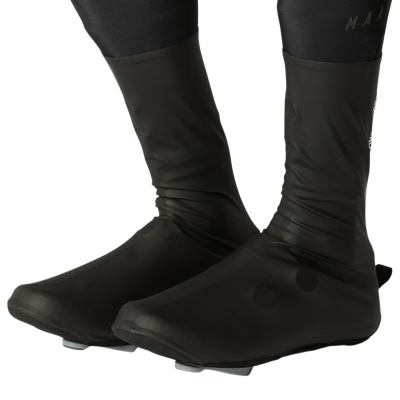
FINGERSCROSSED overshoes prove that keeping your feet dry and warm doesn't have to cost you clean lines or drag you back aerodynamically. The brand built its reputation on bold, graphic-led kit that actually performs, and these shoe covers carry that same thinking through to the details - PU-coated fabrics, taped seams, and neoprene insulation doing the real work while the silhouette stays tight and tidy. Cold toes are a misery. They kill your power output and your mood, and once they're gone numb on a January morning in the Peaks, no amount of effort gets them back mid-ride. FINGERSCROSSED addresses that with a thermal construction that blocks wind and road spray without bulking up like a pair of wellies. The range covers both ends of the spectrum, too. Lighter, water-resistant covers suit the shoulder season - those damp October mornings where rain is possible but not guaranteed - while deeper winter options layer in proper neoprene insulation for the real cold. Reflective details add a practical nod to low-light visibility without looking like an afterthought. If you're putting together a serious winter kit, these are the kind of shoe covers that earn their place in the bag every week.
Prices and availability can change quickly. Delivery charges are not always included in listed prices.
Final price, stock status and delivery terms are set by retailer. We may receive a commission on purchases made.
Fabric Tech and Weather Performance
The core of what makes FINGERSCROSSED cycling overshoes worth your attention is the material stack. A PU (Polyurethane) waterproof coating sits on the outer face of the fabric, acting as a hard barrier against road spray and driving rain - the stuff that comes up off a wet B-road at speed and soaks through cheaper covers in minutes. That coating alone handles a lot, but the taped seams are where the detail matters. Seams are the weak point in any weatherproofed garment; water finds a needle hole faster than you'd think. Taping them internally closes that route off, which is why these hold up better than untaped alternatives when the rain gets serious.
For genuine winter riding - the kind of base miles you're grinding out in February when it's four degrees and grey - thermal neoprene insulation does the heavy lifting. Neoprene traps a thin layer of warmth against the foot and doesn't collapse when it gets wet, so it keeps working even when road spray has made everything damp. It's the same logic as a wetsuit, scaled down to something that fits under your road shoe. Where riders often lose heat is around the toe box, which takes the most punishment from wind and spray. FINGERSCROSSED reinforces the toe and heel with abrasion-resistant material - Kevlar in the more robust models - that resists the scuffing from walking across car parks or grinding the toe on the ground when you clip in. Cheaper overshoes wear through here embarrassingly fast. This doesn't.
Understanding the FINGERSCROSSED Fit
The zipperless construction is the first thing you'll notice, and it's not just a styling choice. Without a zip running up the back, there's nothing to create a ridge against the ankle or snag on your leg warmers. The overshoe sits flush from toe to calf, which keeps the profile clean and removes a source of drag that matters if you're riding at any kind of pace. The stretch fabrics conform to the shoe's shape rather than standing proud of it, and that tight aerodynamic fit is consistent across the range.
Sizing is straightforward for road shoes: stick to your normal shoe size and you'll get the race-fit the design intends. The stretch in the fabric accommodates minor variations without issue, and it won't create pressure points over Boa dials or lace hardware - something that catches out overshoes with less give in the material. If you're pulling these over gravel shoes or MTB shoes with chunkier soles and more volume, go a size up. The cleat cut-out is sized for road cleats as standard, so check compatibility if you're running a two-bolt system on a wider shoe platform. Waterproof cycling overshoes from other brands like Castelli overshoes and GripGrab overshoes take a more traditional zipped approach if you prefer that entry style, though you trade the aerodynamic profile for easier on-off. Spatzwear overshoes sit in a similar zipperless, aero-focused bracket if you want a direct comparison point before you decide.
Layering and Care for UK Riding
Overshoes work hardest when the rest of your kit is doing its job too. Pair these with FINGERSCROSSED socks - merino-blend winter versions if the temperature is dropping below five degrees - because a thin sock under a warm overshoe is a better system than a thick sock that compresses the blood flow. The other thing people get wrong is the legs. If you're wearing bib tights that stop at the ankle with a gap before the overshoe, water runs straight down your shin and into the shoe regardless of how good the PU coating is. Pull the FINGERSCROSSED bib tights over the top of the overshoe cuff, not tucked inside. It sounds obvious until you've done a wet three-hour ride with soaked socks.
On cold mornings, warm your overshoes indoors before heading out - cold neoprene is stiffer and harder to stretch over the shoe. And if you're doing a long ride and know it's going to be properly wet, a thin layer of barrier cream on the foot before you sock up adds another line of defence against that creeping cold-and-damp feeling.
Care is simple but worth getting right. Don't machine wash these at high temperatures and keep fabric softener away from them entirely - both degrade the PU coating and reduce the DWR performance faster than normal use would. Wipe them down with a damp cloth after muddy or gritty rides, or hand wash in cold water if they need a proper clean. Let them air dry away from direct heat. Treated well, the coating holds its effectiveness for a solid couple of seasons. If you also ride in colder conditions with bare hands, the FINGERSCROSSED gloves follow the same material logic and care requirements.
Fingerscrossed Overshoes FAQs
How do you put on zipperless FINGERSCROSSED overshoes?
Pull the overshoe onto your foot like a sock before your cycling shoe goes on - get it positioned up around the ankle first. Once your shoe is on and secured, stretch the overshoe down over the heel and forward over the toe. It takes a couple of attempts to get the technique dialled, but it becomes quick once you're used to it.
Are FINGERSCROSSED overshoes fully waterproof?
They're highly water-resistant rather than fully waterproof in the technical sense. The PU coating and taped seams handle road spray and steady rain well, but in a sustained downpour, water can eventually find its way in through the cleat cut-out or run down an exposed leg into the shoe. Pulling your tights over the cuff rather than tucking them in helps significantly.
What size overshoes do I need for my cycling shoes?
For standard road cycling shoes, your normal shoe size gives you the intended race fit. The stretch fabrics accommodate Boa dials and similar closures without issue. If you're fitting these over gravel or mountain bike shoes with more volume or aggressive soles, size up one to ensure the overshoe stretches properly without straining at the seams.