
Fingerscrossed Gilets
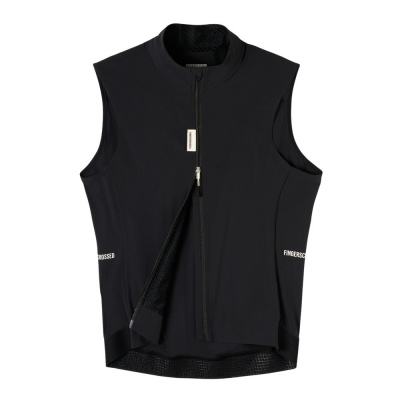
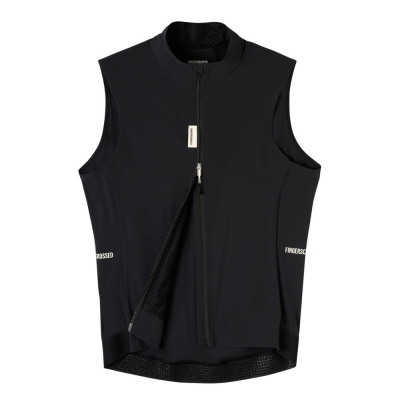
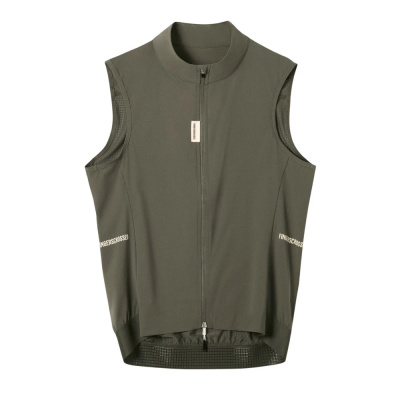
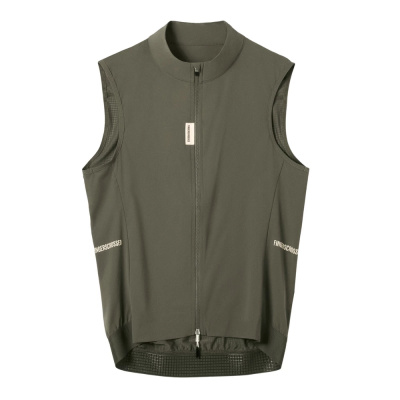
FINGERSCROSSED gilets have quietly become one of the most considered pieces of kit in the brand's lineup - and for good reason. The gilet is the workhorse of any cyclist's wardrobe, and FINGERSCROSSED has refined the format rather than reinvented it: windproof, DWR-treated front panels to cut the chill on exposed roads, and a highly breathable stretch mesh back that stops heat building up mid-effort. No boil-in-the-bag moments. No bulk. Just sharp core temperature regulation when conditions are doing their usual British thing.
These are race-cut vests, designed to sit cleanly over a base layer and jersey without bunching or flapping. The two-way YKK VISLON® zippers let you vent from the bottom without stripping the whole thing off - handy when a climb tips you from cold to warm in a few hundred metres. And when the sun finally shows up? The packable fabrics compress small enough to disappear into a back pocket. Chilly dawn start in the Peaks, warmer than expected by the top of the first climb - a FINGERSCROSSED gilet handles that transition without drama. Understated styling, purposeful construction, and nothing you don't need.
Prices and availability can change quickly. Delivery charges are not always included in listed prices.
Final price, stock status and delivery terms are set by retailer. We may receive a commission on purchases made.
Fabric Tech and Weather Performance
The dual-fabric construction is what makes a FINGERSCROSSED cycling vest worth its place in your kit rotation. The front panels use a tightly woven, windproof face fabric with a DWR coating that sheds light road spray and deflects the kind of biting headwind that makes a flat road feel twice as long. It's not a waterproof shell - don't expect it to shrug off a Welsh autumn downpour - but for dry-but-raw days or the damp, humid climbing conditions you get across much of the UK in spring and autumn, it does the job cleanly.
The mesh back panel is the other half of the equation. High-stretch and genuinely breathable, it lets excess heat escape during hard efforts rather than trapping it against your skin. That balance - wind resistance at the front, ventilation at the back - is what separates a well-engineered gilet from a vest that just looks the part. Push hard up a climb, slow to a rolling pace on the descent, and your core temperature stays in a sensible range throughout.
The two-way YKK VISLON® zipper deserves a specific mention. Opening from the bottom means you can vent the hem on a climb without exposing your chest to the wind - and crucially, you can reach into the pockets of the jersey underneath without pulling the gilet over your head. Small detail, but it matters when you're trying to get to a bar or your phone mid-ride without stopping.
Fit, Cut, and Choosing Your Size
FINGERSCROSSED cuts its softgoods for an aerodynamic, on-bike position. That means the front hem sits a touch shorter to prevent fabric bunching when you're stretched over the bars, while the rear drops lower for coverage over your lower back. It's a proper race-oriented cut - close-fitting, minimal wind flap, nothing wasted. If you're used to baggier club kit, it'll feel snug at first.
On FINGERSCROSSED gilet sizing: these run to a close fit by design. If you're between sizes, or if you plan to layer a heavier base layer underneath on colder days, go up one size. Sizing up gives you breathing room without wrecking the aerodynamic fit - the cut is structured enough that it won't turn baggy. If you're wearing it over a lightweight FINGERSCROSSED base layer in mild conditions, your usual size will be spot on.
The range sits alongside other premium European road vests - Assos gilets and Castelli gilets target a similar rider - but FINGERSCROSSED leans into a cleaner, more minimal aesthetic. Less branding noise, more focus on the fabric doing its job quietly.
Layering for UK Conditions and Keeping Your Kit Working
A gilet works hardest in the gaps - the rides where a jacket is overkill but rolling out in just a jersey feels optimistic. In the UK, that's a lot of rides. Think early spring mornings in the Surrey Hills where it's 6°C at the car park but 14°C by 10am, or Peak District days where the wind is sharp but the sun is genuinely warm. Pair the gilet over a FINGERSCROSSED jersey and a light base layer, and you've got a layering system that adapts as the ride warms up.
Knowing when to reach for a gilet versus a full FINGERSCROSSED jacket comes down to one question: is it going to rain persistently? If it's dry but cold or windy, the gilet wins - more breathable, lighter, packs smaller. If it's properly wet, or temperatures are sitting below around 4°C, a thermal or waterproof jacket earns its place instead. The gilet isn't trying to replace it; they cover different conditions.
Care is straightforward but matters. Wash at 30°C on a gentle cycle, and keep fabric softener away from it - softener clogs the fibres and kills breathability faster than anything else. Over time, the DWR coating will need refreshing; a wash-in DWR treatment or a spray-on re-proofer after washing (tumble dry on low or iron on low heat through a cloth to reactivate it) brings the water resistance back. Do this once a season and the gilet will stay performing as intended. Compared to Albion gilets, which use similarly technical fabrics, the care requirements are broadly the same - lightweight packable constructions need a bit of attention to stay at their best.
Fingerscrossed Gilets FAQs
Are FINGERSCROSSED gilets true to size?
They run close, with a race-oriented fit designed to stay aerodynamic and prevent wind flap. Most riders will find their usual size works well when layering lightly. If you prefer a more relaxed feel, or plan to wear a thicker base layer underneath, go up one size to avoid any restriction across the shoulders or chest.
How do you pack a cycling gilet into a jersey pocket?
Fold the gilet in half vertically, then roll it tightly from the collar downward, squeezing out the air as you go. The result should be roughly the size of a large apple - small enough for a centre jersey pocket. FINGERSCROSSED uses ultra-lightweight packable fabrics specifically so this works without a fight mid-ride.
Is a cycling gilet better than a jacket for UK riding?
For most UK spring and autumn days - cold, windy, but dry - a gilet is the more versatile choice. It protects your core while letting heat escape through your arms and the mesh back, keeping you comfortable across a wider range of effort levels. In persistent rain or genuinely cold temperatures below 4°C, a waterproof or thermal jacket is the better call.