
Fingerscrossed Jackets
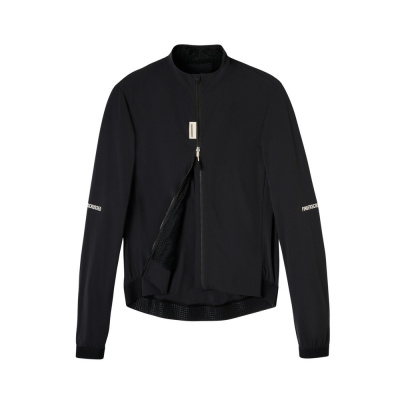
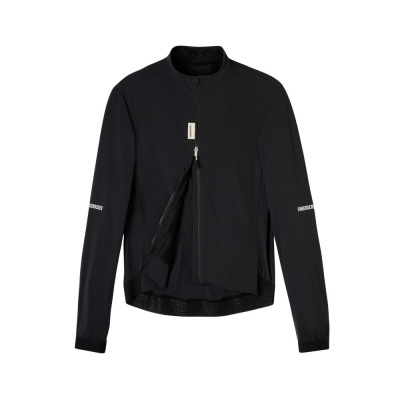
FINGERSCROSSED cycling jackets sit in a rare pocket of the market where technical performance and considered design genuinely coexist. This is a brand that treats a jacket as a precision tool, not an afterthought - and the range reflects that. You get a focused selection of road and gravel shells built around breathable membranes, DWR-treated fabrics, and cuts that stay aerodynamic rather than billowing about at 30mph.
For UK riders, that specificity matters. A dry morning in the Dales can turn brutal inside an hour, and a jacket that can't manage moisture output on a hard climb is worse than useless. FINGERSCROSSED builds with that in mind: lightweight packable options that stuff into a back pocket for emergency cover, and more substantial windproof pieces for deep winter base miles when you need real protection from biting headwinds without loading up the weight.
The aesthetic is clean and minimal - no garish colour-blocking, no excess branding. If you want gear that looks deliberate on and off the bike, that matters. But the design choices are always in service of function: taped seams, two-way zippers, reflective detailing where it counts. Style-conscious, yes. Frivolous, no.
Prices and availability can change quickly. Delivery charges are not always included in listed prices.
Final price, stock status and delivery terms are set by retailer. We may receive a commission on purchases made.
Fabric Tech and Weather Performance
The core of what makes FINGERSCROSSED jackets worth your attention is the fabric engineering. Most of the range leans on high-stretch breathable membranes that manage moisture from the inside out - critical when you're pushing hard on a long climb and your base layer is working overtime. That breathability stops the jacket becoming a sauna, which is a trade-off cheaper windproof shells rarely get right.
DWR coating handles the outer surface. When it's working properly, water beads and rolls off rather than soaking in and adding weight. You'll notice it on that first wet descent - the fabric sheds rather than absorbs. Fully waterproof models go further with taped seams, sealing every stitch line so there's no pathway for water to creep through during sustained rain. For lighter conditions, the water-resistant softshell options are more breathable but less bombproof - worth knowing before you head out in a proper Yorkshire downpour.
Windproof front panels are a consistent feature across the range, blocking the cold air that hits your chest on fast descents while allowing more airflow at the sides and back where you generate the most heat. It's a sensible split that avoids overcooking you on the climbs. YKK two-way zippers let you crack the jacket open from the hem when you need to dump heat fast - a small detail that makes a real difference mid-ride when you can't stop to strip layers. Reflective detailing is woven in without dominating the look, which keeps you visible on grey November afternoons without turning you into a hi-vis vest.
Compared to what you'd find from Castelli or Assos, FINGERSCROSSED takes a slightly more minimalist approach to construction - fewer proprietary fabric tradenames, more focus on clean integration of proven technologies. That's not a weakness; it keeps the jackets honest.
Understanding the FINGERSCROSSED Fit and Range
FINGERSCROSSED cuts its jackets with a race fit in mind. That means a close, streamlined profile that sits tight to the body, reduces wind resistance, and doesn't bunch or flap. On the road it works beautifully - no excess fabric to catch the wind, no loose hem riding up on climbs. If you're used to a more relaxed fit from brands like Albion, it's worth trying a size before committing, or sizing up if you're between measurements.
The race-oriented cut also means layering space is limited. For mild-weather riding with just a base layer underneath, you're in the intended sweet zone. Add a heavier mid-layer for winter and you may find the fit pulls across the shoulders or restricts your reach on the drops. If you're planning to use a jacket through December and January with serious insulation underneath, go up a size. It's a straightforward fix that most riders figure out quickly.
The range divides fairly cleanly by use case. For riders who only need core protection - keeping the chest and back covered without full sleeves - the FINGERSCROSSED Gilets page is where to look. If you want something more relaxed for off-bike warmth rather than active riding, check the FINGERSCROSSED Hoodies page instead. The jackets here are built specifically for time in the saddle.
Pairing a jacket from this range with FINGERSCROSSED bib tights gives you a coherent system - the fabrics and cuts are designed to work together, which shows in how the jacket hem sits when you're in the drops.
Layering and Care for UK Riding
Getting the layering right makes the difference between a good ride and a miserable one. The lightest packable shells in the FINGERSCROSSED range are best treated as reactive layers - folded into a jersey pocket and pulled on when conditions change. Pair one with a quality thermal base layer from the FINGERSCROSSED base layers range and you've got a genuinely versatile setup for rides where the forecast is optimistic but untrustworthy.
For winter riding - proper winter, not just cool autumn mornings - the heavier windproof jackets work better as the primary outer layer. Add FINGERSCROSSED gloves and a neck warmer and you've closed off the gaps that cold air finds on long exposed sections. Don't underestimate how much heat you lose through the neck on fast descents - it's worth sorting before you head out.
Care matters more than most riders realise with technical fabrics. Wash at 30°C using a dedicated tech-wash or non-biological detergent - standard detergents and fabric softeners degrade the DWR coating faster than you'd expect. Over time, the coating stops beading water as effectively; that's not always a sign the jacket is worn out. A low-heat tumble dry or a spray-on DWR treatment reactivates the repellency, and it's worth doing every few washes rather than waiting until the jacket is soaking through. Keep it out of high heat - a radiator dry after every ride will shorten the membrane's lifespan noticeably.
Frequently Asked Questions
Are FINGERSCROSSED cycling jackets waterproof or water-resistant?
The range covers both. Fully waterproof shells use taped seams and sealed construction for heavy rain, while softshell options rely on DWR treatment for lighter conditions. Check the individual model's spec before assuming either way.
How do FINGERSCROSSED jackets fit compared to other brands?
The fit is close and race-oriented - designed to minimise wind flap and stay aerodynamic on the bike. If you're planning to layer heavily underneath or prefer more room to move, size up from your usual choice.
How should I wash and care for my FINGERSCROSSED waterproof jacket?
Wash at 30°C with a tech-wash detergent and skip the fabric softener - it strips the DWR. To bring the water repellency back, tumble dry on low heat or apply a spray-on DWR treatment when you notice water no longer beading on the surface.
Fingerscrossed Jackets FAQs
Are FINGERSCROSSED cycling jackets waterproof or water-resistant?
The range covers both. Fully waterproof shells use taped seams and sealed construction designed for sustained heavy rain, while softshell options rely on DWR treatment for lighter drizzle and damp conditions. Check the individual model's rating before heading out in a proper downpour.
How do FINGERSCROSSED jackets fit compared to other brands?
FINGERSCROSSED cuts its jackets with a close, race-oriented fit that sits tight to the body and reduces wind resistance. If you run heavier thermal layers underneath in winter or prefer more room through the shoulders, sizing up from your usual choice is the sensible call.
How should I wash and care for my FINGERSCROSSED waterproof jacket?
Wash at 30°C using a tech-wash or non-biological detergent - fabric softeners degrade the DWR coating and should be avoided entirely. To reactivate water repellency, tumble dry on a low heat setting or apply a spray-on DWR treatment when water stops beading properly on the outer fabric.