
FFWD Fast Forward Gravel Wheels
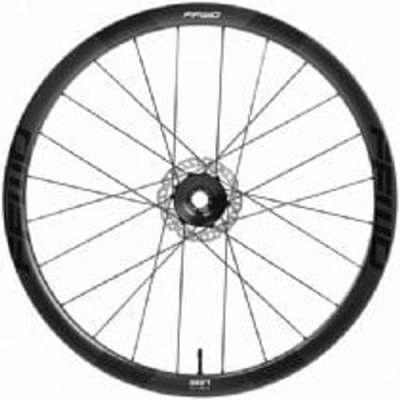
FFWD gravel wheels are hand-built in the Netherlands, and that precision shows in every detail - from the carbon layup to the hub internals. These aren't wheels dressed up for occasional fire-road use; they're engineered around the specific demands of modern gravel riding and bikepacking, where you need genuine stiffness underfoot, reliable tyre retention at low pressures, and hubs that don't pack in after a Welsh winter.
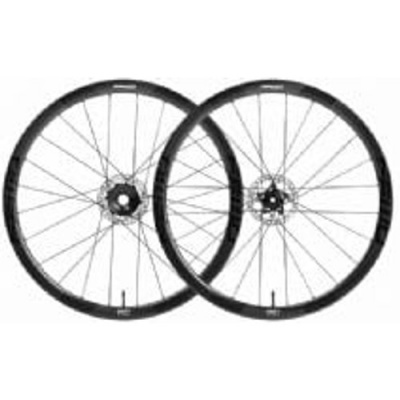
Two wheelsets define the FFWD gravel range: the Drift and the Outride. Both feature wide internal rim profiles sized for high-volume tubeless tyres - the kind of setup that actually makes a difference when you're picking lines across flinty South Downs chalk or slick root sections in the Scottish Borders. FFWD's hooked carbon rim design is central to this, locking the tyre bead securely even when you drop below 30psi. That matters. Carbon rims and marginal pressures don't mix well unless the engineering is right, and FFWD have done the work here.
Paired with DT Swiss hub internals throughout the range, these wheelsets offer straightforward servicing, genuine weather sealing, and fast engagement - things that count far more than headline weight figures when you're a long way from the van.
Prices and availability can change quickly. Delivery charges are not always included in listed prices.
Final price, stock status and delivery terms are set by retailer. We may receive a commission on purchases made.
Axle Standards, Rim Profiles and What Fits Where
Both the Drift and Outride run on 12x100mm front and 12x142mm rear thru-axle spacing - the current gravel standard, and compatible with virtually every disc-equipped gravel frame and fork sold in the UK over the past five years. Rotor fitment is Centerlock throughout; if your rotors are 6-bolt, you'll need a Centerlock adaptor lockring, so factor that in before you order.
The hooked rim profile across the FFWD gravel range is a deliberate choice rather than an oversight. Hookless construction has its advocates, but for riders regularly running sub-30psi on technical UK bridleways - where a sudden tyre unseating mid-descent isn't a theoretical concern - a hooked carbon rim gives you a meaningful margin of safety. Both tubeless and traditional clincher setups are supported, though tubeless is where these rims genuinely earn their keep. The internal rim width on the Drift sits at around 24mm, which positions 40 - 50mm tyres in their optimal range without the tyre ballooning out of shape.
Need to swap from Shimano HG to SRAM XDR freehub? That's a separate job - head to our FFWD freehub bodies and spares page for exact replacements rather than hunting through wheel listings.
Drift vs Outride: What the Price Gap Actually Buys You
The FFWD Drift sits at the top of the gravel range. It uses DT Swiss 240 hubs laced with aero spokes, and the carbon layup is tuned for a lower rotational weight without sacrificing lateral stiffness. The Drift also runs the Ratchet EXP system - DT Swiss's refined take on the star ratchet mechanism - which gives you 36-tooth engagement as standard. In practical terms, that's crisp, near-instant power pickup when you're sprinting out of a corner or clicking back into the pedals after a sketchy descent.
The FFWD Outride steps down to DT Swiss 350 hubs or FFWD's own hub bodies depending on the build. It's a heavier package overall, but the trade-off is robustness - the carbon layup is slightly more conservative, which makes it better suited to sustained load-carrying or riders who put high mileage through rough ground without always having the time to inspect the wheels between rides. Hub engagement on the 350 uses the standard 36T star ratchet, still well ahead of many competing wheelsets at this price point.
So what does the price gap buy? Primarily rotational weight reduction and marginally faster hub engagement on the Drift. If you're racing gravel events or chasing personal bests on the South Downs Way, those grams and milliseconds add up. If you're loaded up for a multi-day Scottish bikepacking trip, the Outride's extra robustness is probably the smarter call. Comparable carbon gravel wheels from ENVE and Hope occupy similar positions in the market, but neither pairing quite matches FFWD's combination of aero rim shaping and DT Swiss hub reliability at this price tier. DT Swiss's own gravel wheelsets are the obvious comparison if hub provenance is your priority - though FFWD's LAW Tech rim profiles give them an aerodynamic edge that DT Swiss's own builds don't always match.
FFWD's LAW Tech (Laminar Airflow Wing) rim profiles deserve a specific mention here. The concept - borrowed from FFWD's road wheel background - involves a rim profile shaped to manage airflow at the junction between tyre and carbon rim. On a 40mm gravel tyre, the aerodynamic gains are modest compared to a narrow road setup, but the profile also contributes to crosswind stability, which is genuinely useful when you're riding exposed ridgelines in the Peaks or along the North Yorkshire coast.
If you want to see how FFWD's engineering translates to a pure road context, their road wheelset range shows the same LAW Tech and DT Swiss hub philosophy applied to narrower profiles.
Keeping Them Running Through a UK Season
The DT Swiss star ratchet system - whether Ratchet EXP on the Drift or the standard unit on the Outride - is one of the most serviceable hub mechanisms available. After a winter of Peak District grit or muddy Cotswold bridleways, you can strip and regrease the ratchet without specialist tools. That's not a minor point; plenty of carbon gravel wheels use proprietary hub internals that require either brand-specific tools or a trip to a dealer to service properly.
The carbon layup on both FFWD gravel wheelsets is built with flint strike resistance in mind. Chalky, flinty trails are hard on rims - the impact energy is sharp and localised, different from the sustained compression of road cobbles. FFWD's construction handles this well, but it's still worth a post-ride visual check after anything particularly aggressive. Hairline cracks in carbon are easier to catch early than after several more rides have stressed the same spot.
Tubeless setup is straightforward on both the Drift and Outride, and the hooked rim profile makes initial bead seating reliable - you shouldn't need a compressor for most tyre/rim combinations, though having one available for first-time setup never hurts. If you're running deeper section rims and finding standard valves are too short to clear the rim bed, check our FFWD valve extenders collection before you start swapping sealant.
One practical point on winter riding: the DT Swiss hub seals on both the 240 and 350 series are genuinely good at keeping grit and water out, but no hub seal is completely immune to sustained immersion. After particularly deep ford crossings or extended wet rides, a quick spin and dry of the hub area goes a long way toward extending bearing life.
FFWD Fast Forward Gravel Wheels FAQs
Are FFWD wheels good for gravel?
Yes - the Drift and Outride are purpose-built for off-road use, not road wheels with wider tyres bolted on. The carbon layup is tuned to absorb trail vibration while staying laterally stiff under hard cornering loads, and the DT Swiss hubs are well-sealed for gritty, wet UK conditions. They're a credible choice for everything from fast gravel racing to loaded bikepacking.
What tyre size fits FFWD Drift wheels?
The Drift's internal rim width of around 24mm makes it best matched to tyres in the 38 - 55mm range - wide enough for genuinely rough gravel but not so wide that rolling resistance becomes a penalty on faster surfaces. Narrower gravel tyres (30 - 38mm) will fit and seal tubeless, but check your frame's maximum tyre clearance before going wider than 50mm.
Do FFWD gravel wheels have a weight limit?
FFWD gravel wheelsets are rated to a maximum system weight (rider, bike, and luggage combined) of 120kg. That's a solid ceiling for most riders and covers loaded bikepacking builds. If you're regularly riding at the upper end of that limit on rough ground, the Outride's more conservative carbon layup is the more appropriate choice over the Drift.