
Ferrino Rucksacks
Ferrino rucksacks have earned their place on backs that see serious mileage - from alpine approaches to rain-lashed UK commutes - and the range translates that mountain-tested thinking directly into cycling. The brand's roots are in expedition kit, and you can feel that in the way even the trail-focused models handle a loaded pack without pitching you around on technical singletrack.
The key to that stability is the H.B.S. (Hollow Back System), a tensioned frame that holds the bag away from your spine. That gap keeps air moving between bag and back, which matters more than you'd think when you're grinding up a long drag on a warm day. Less sweat pooling, better balance, more focus on the trail ahead.
Fabric choice is equally deliberate. Diamond HD and Supertex materials handle the abrasive grit that UK roads and trails throw at a bag constantly. A DWR coating and stowable rain cover deal with the drizzle. Reflective accents help when the light drops - and in a British winter, it drops early.
Whether you're after a commuter bag big enough for a laptop and change of kit, or a trimmed-down hydration bladder compatible pack for enduro laps, Ferrino's range covers both without padding out the spec sheet with features you'll never use.
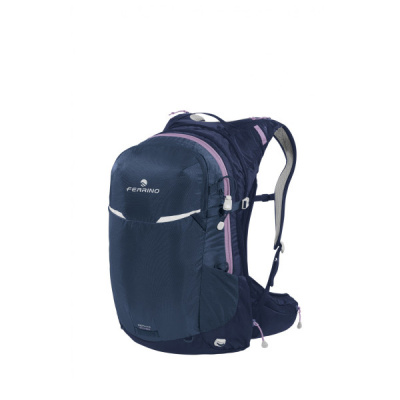
Prices and availability can change quickly. Delivery charges are not always included in listed prices.
Final price, stock status and delivery terms are set by retailer. We may receive a commission on purchases made.
Dialling In the Fit: Harness, Waist Belt and Hydration Routing
A rucksack that fits badly is a rucksack that gets left in the car. Ferrino builds adjustable harness systems across most of its cycling-specific models, and getting torso length right is the first thing to sort before you look at anything else. Measure from the bony knob at the base of your neck down to the top of your hip bones - that's your torso length, and it tells you which size harness you need. Most riders land in a medium, but don't guess.
Once the shoulder straps sit flush without gaps at the top, pull the waist belt snug around your hip bones, not your waist. That transfers the bulk of the load onto your hips and takes strain off your shoulders on longer rides. Then clip the chest strap across the sternum - it stops the shoulder straps splaying outward when you're hunched over the bars, which keeps the bag from rocking sideways on rough ground. Small adjustment, big difference in load stability.
Hydration is straightforward on any of the cycling-focused models. All are hydration bladder compatible, with a dedicated internal sleeve sized for bladders up to three litres depending on the model, plus a small exit port routed to either shoulder strap so the hose sits where you want it. Thread the hose before you pack anything else - trying to fish it out afterwards is a faff you don't need at the trailhead.
Commuter or Trail Pack - Where Each Model Sits
Ferrino's cycling range splits fairly cleanly into two camps, and picking the wrong one is a common mistake. Trail-focused packs like the X-Track series are built lean: low volume, close-fitting, and designed to stay out of your way when you're moving fast. You get hydration compatibility, a helmet carrier net, and enough pockets for a tube, a bar, and your phone. That's intentional. Loading one up with commuter gear and a padlock turns it into a different, worse bag.
Step up to something like the Zephyr and the priorities shift. More volume, a proper laptop sleeve, better organisation for everyday carry, and the D.N.S. (Dry Net System) - a tensioned mesh back panel that works alongside the H.B.S. frame to push ventilation further on longer, stop-start journeys. The Zephyr-type models also tend to carry an integrated rain cover tucked into a zip pocket at the base, high-vis enough to be seen in traffic. Commuters in Manchester or Edinburgh will use that cover regularly; trail riders less so.
If you're comparing at this level, Deuter rucksacks offer a similar split between trail and touring, with their Airstripes system doing comparable work to the H.B.S. EVOC rucksacks lean harder into protection and trail-specific features if that's your priority. For pure commuting with a cycling lean, Altura rucksacks are worth a look - they're built around UK weather from the ground up. And if you want a dedicated hydration-first setup with minimal faff, CamelBak rucksacks remain the benchmark for bladder integration and hose routing.
The honest trade-off with Ferrino's trail packs is that the slim profile means limited storage. For a two-hour ride out of the Peak District that's a feature. For a four-day bikepacking trip or a daily commute with a change of kit, you'll want to size up.
Keeping It Clean: Fabric Care and Zipper Maintenance in UK Conditions
British riding conditions are hard on bags. Road spray carries fine grit that works into zip teeth and fabric weaves, and wet mud dries into something closer to cement if you leave it. The Diamond HD fabric Ferrino uses on base panels and high-wear zones handles abrasion well, but it still needs some basic upkeep to stay that way.
Let the mud dry fully before you touch it. Brushing wet mud just spreads it deeper into the weave. Once it's dry, knock off the bulk with a stiff brush, then wipe down with a damp sponge and a small amount of mild soap - washing-up liquid works fine. Don't machine wash. The agitation cycle damages the DWR coating and can warp the internal frame elements that make the H.B.S. system work. A bucket and a sponge takes five minutes and keeps the bag performing for years.
Zips are the first thing to fail if you ignore them. After every muddy ride, work the zip pulls back and forth a few times with a damp cloth to clear grit from the teeth. Every month or so, run a thin coat of silicone spray or rub a stub of beeswax along the teeth - both keep the sliders moving freely and stop the grit from jamming. It sounds fiddly but takes about a minute.
Drying matters too. Hang the bag open in a ventilated space - not directly on a radiator, which can crack the foam back panel and degrade the DWR coating faster. If the DWR starts to bead less effectively after a season, a tumble on low heat (no heat is even better) or a light application of a spray-on DWR restorer will bring it back. Nikwax Tech Wash followed by their TX.Direct spray is the usual recommendation and it works.
Ferrino Rucksacks FAQs
Are Ferrino rucksacks waterproof enough for cycling?
Ferrino's cycling rucksacks use a DWR coating that handles light rain and road spray well. For heavier UK downpours, most models carry a stowable, high-visibility rain cover in the base. That combination covers the majority of British riding conditions, though the rain cover is what you'll rely on when it really comes down.
Can I fit a hydration bladder in a Ferrino backpack?
Yes. The active and cycling-specific models in Ferrino's range are hydration bladder compatible as standard. You get an internal sleeve to keep the bladder stable and a dedicated hose port routed to the shoulder strap. Bladder capacity varies by model, so check the spec - most trail packs take up to two or three litres.
How do I clean mud off my Ferrino cycling bag?
Let the mud dry completely first, then brush off the loose grit before wiping down with a damp sponge and mild soap. Don't machine wash - it strips the DWR coating and can damage the internal frame. Hang the bag open in a ventilated spot to dry, away from direct heat sources.