
Felt Road Bikes
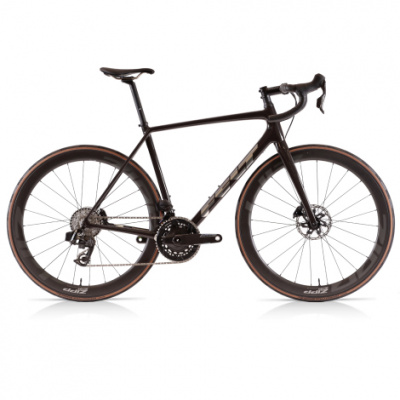
Felt Road Bikes have been shaped by wind tunnels and professional pelotons since the brand's earliest days - and that obsession with marginal gains is still visible in every carbon layup they produce. That distinctive checkerboard TeXtreme carbon weave isn't just a visual signature; it's a statement of intent from an engineering team that takes frame stiffness and weight seriously. Whether you're chasing a club record on a flat drag out of the Vale of York or grinding out a 100-mile sportive on lumpy Cotswold lanes, there's a Felt built specifically for what you're doing. The AR, FR, and VR families each target a different kind of tarmac rider - from the flat-out sprinter to the climber who counts grams, to the all-day endurance rider who needs compliance as much as speed. These are bikes for serious road cyclists who want engineering substance, not just a nice paint job. If you're looking to race against the clock, view our Felt Time Trial & Triathlon Bikes. For off-road adventures, check out our Felt Gravel Bikes.
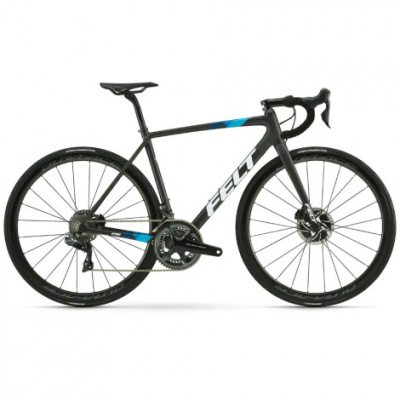
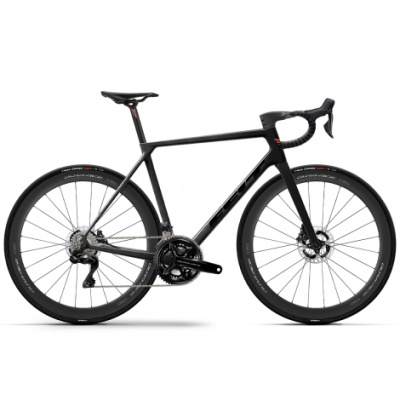
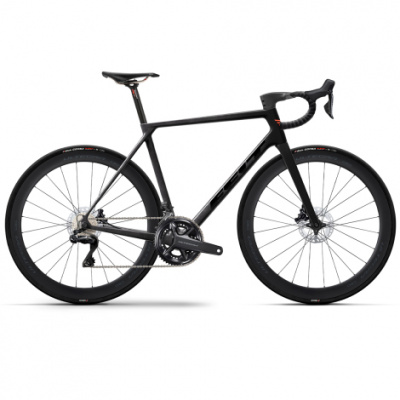
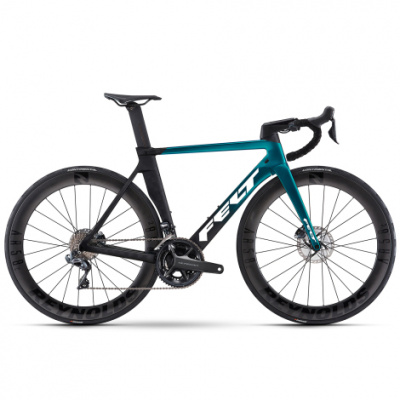
Prices and availability can change quickly. Delivery charges are not always included in listed prices.
Final price, stock status and delivery terms are set by retailer. We may receive a commission on purchases made.
Decoding the Felt Road Lineup
Three families. Three very different briefs. Getting this distinction right before you buy saves a lot of head-scratching later.
The AR is Felt's aero road bike - wide tubes, an integrated cockpit, cables buried out of the wind, and geometry that keeps you low and aggressive. It's the one you pick when the route is flat or rolling and you want every watt to count. Think bunch sprints, fast sportives, or just being the rider who gaps everyone on the dual carriageway section. The AeroTaper headtube is a key part of this - it transitions smoothly into the fork crown to reduce frontal drag without adding unnecessary weight to the front end.
The FR sits at the other end of the weight spectrum. This is Felt's lightweight race bike, optimised for climbing and aggressive handling. High stiffness-to-weight ratio is the whole point. Where the AR is about aerodynamic efficiency on flat roads, the FR rewards you on long ascents - the kind of riding where every 100g you've saved is felt by the time you reach the top of a long drag. It's a more traditional aero road geometry in the sense of being twitchy and responsive rather than aero-tuned.
The VR is the Felt VR endurance bike - longer wheelbase, more relaxed endurance geometry, and the most approachable of the three for riders who spend long days in the saddle. More on what makes it particularly relevant for UK riding in a moment.
Across all three families, Felt runs two main build tiers. Advanced models use UHC (Ultra Hybrid Carbon) layups - strong, well-made frames that represent genuine enthusiast-level quality. Step up to Ultimate and you get UHC combined with TeXtreme spread tow fabric, which is where the framesets really start to impress. If you're weighing up the Felt road bike framesets option, that's where the Ultimate carbon is at its most visible. You can browse Felt frames on Bikesy to compare build levels side by side.
What Felt's Carbon Engineering Actually Means in Practice
TeXtreme isn't just a marketing name. Conventional carbon fibre uses round yarns that create small resin-rich pockets where the fibres cross - and resin adds weight without adding strength. TeXtreme uses spread tow fabric: flattened tapes of carbon that lie closer together, reducing those resin pools and producing a laminate that's both lighter and stiffer for a given thickness. The result is frames that feel more direct underfoot - power goes in, the bike moves, not flex. That checkerboard surface finish is a by-product of the weave pattern, not a design gimmick.
The UHC Advanced and Ultimate layups refer to how Felt combines different carbon grades and orientations through the frame. On the Ultimate tier, TeXtreme is integrated into the layup schedule at the points where stiffness or weight savings matter most - typically the bottom bracket shell, chainstays, and head tube area. It's a considered approach rather than slathering expensive fibre everywhere and calling it done.
On the AR specifically, cable integration goes further than most. Internally routed cables and a tidied-up front end reduce aerodynamic drag in the areas where it's most significant - around the bars and head tube. The BB386 bottom bracket standard gives Felt a wider shell to work with, which helps with both chainline and lateral stiffness at the pedalling interface. Worth knowing: press-fit BB shells and disc brakes are now standard across most of the range, which is the right call for wet-weather confidence but does mean a little more attention to bearing maintenance (more on that below).
The VR's rear end is engineered differently to the other two models. Felt builds a degree of vertical compliance into the seatstays and uses a vibration-damping leaf spring seatpost design to take the sting out of rough surfaces. It's not suspension - it's controlled flex that absorbs road buzz without robbing pedalling efficiency. Think of it as the difference between a brick wall and a wooden floor: both solid, but one has a little give that your body will thank you for after four hours.
Running a Felt on UK Roads
British roads are not kind to bikes. Anyone who's done a long autumn ride in the Fens or a fast descent on a potholed B-road in the Dales knows exactly what we mean. That context matters when you're choosing between the three families.
The VR is the most relevant for typical UK riding conditions. Its endurance geometry puts you in a more upright position for comfort on long days, and the tyre clearance - up to 30mm or 32mm depending on model year - means you can run a wider, higher-volume tyre that genuinely absorbs surface chatter rather than transmitting it straight to your hands. On cracked, abrasive B-roads, that extra tyre volume does more for your average speed than any marginal aero gain. A quick tyre swap to something like a 30mm folding tyre is often the first thing experienced Felt VR owners do straight out of the box.
Disc brakes across the range are a genuine benefit in the UK. Consistent, predictable stopping on greasy tarmac descents - the kind of thing you'll encounter on any October morning in the Peak District or the Brecon Beacons - isn't something to compromise on. Hydraulic discs are now the norm on mid-range and above.
One thing to stay on top of: the BB386EVO press-fit bottom bracket shell. Press-fit BBs can develop creaks when grit and moisture work into the interface over a British winter. It's not a Felt-specific problem - it affects most press-fit designs - but it's worth cleaning and re-greasing the shell at least once a season, or fitting a threaded conversion insert if you want to eliminate the issue entirely. Regular bearing checks on the rear hub and headset will also pay dividends if you're riding through gritty conditions regularly.
If you're comparing Felt against other carbon road options, Cervélo road bikes and BMC road bikes occupy similar price brackets and share Felt's focus on engineering-led design - the Felt AR vs FR decision maps reasonably closely to the Cervélo S-series vs R-series split, for context. Felt's Felt carbon road bikes UK pricing sits competitively within that set, particularly at the Advanced build tier where you get TeXtreme-enhanced framesets without jumping to flagship money.
Felt Road Bikes FAQs
Are Felt road bikes good quality?
Yes. Felt's carbon engineering - particularly the TeXtreme spread tow layup and UHC carbon construction - is genuinely high-end, not just specification padding. Their frames have been validated in professional racing and wind-tunnel development over many years. Build quality at both Advanced and Ultimate tiers is strong, and the framesets are well-regarded for durability and ride consistency.
What is the difference between the Felt AR and FR?
The AR is Felt's aero road bike, built for speed on flat and rolling roads - wider tubes, integrated cockpit, and cables routed internally to reduce drag. The FR is their lightweight climbing bike, prioritising a high stiffness-to-weight ratio and responsive handling on gradients. Different tools for different roads: AR for speed, FR for ascents.
What is the maximum tyre clearance on a Felt VR?
The Felt VR typically clears up to 30mm or 32mm tyres depending on the model year. That extra clearance is genuinely useful on rough UK B-roads, where a higher-volume tyre absorbs surface chatter far more effectively than a narrow 25mm. It also gives you the option to fit something more robust for winter riding without changing bikes.