
Estarli Child Seats
Fitting Estarli child seats to your e-bike is one of the smartest moves you can make if the school run or a Sunday spin with the kids is on the agenda. Whether you're rolling on the compact Estarli e20 folder or the e28 hybrid, getting a child seat that's genuinely compatible - not just physically close enough - matters more than most riders realise until something goes wrong on a wet Wednesday morning.
The core things to check before you buy: your rear rack's load rating, the mounting standard it uses, and whether the seat itself meets EN 14344 safety standard. That certification isn't box-ticking; it's the benchmark that governs harness strength, side-impact resistance, and how the seat behaves under braking. A 5-point harness, adjustable footrests with ankle straps, and a weight limit clearly matched to your rack's payload capacity - these are the non-negotiables.
UK riding adds its own requirements. Wet seats, road grit in mounting tracks, and potholed urban roads all take a toll on both the seat and the child's comfort. The options we've pulled together prioritise weather-resistant construction, secure rear carrier mount systems, and broad compatibility with Estarli's rack geometry. Browse the grid below and compare UK prices to find your fit.
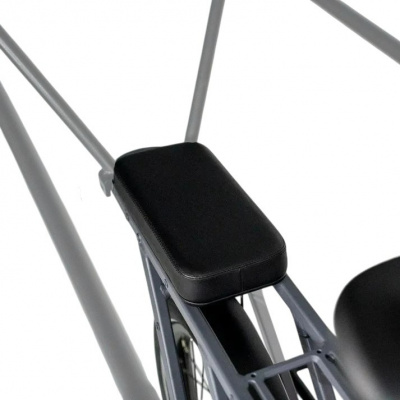
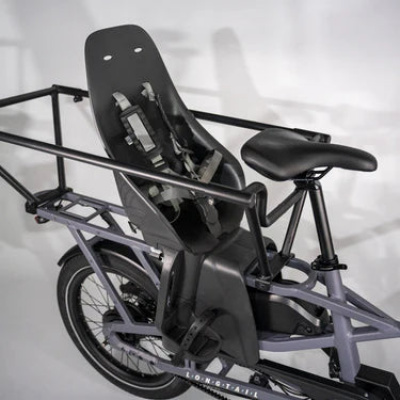
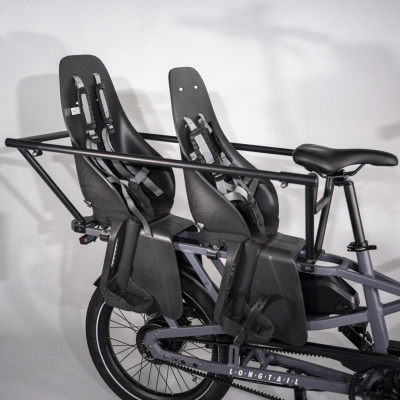
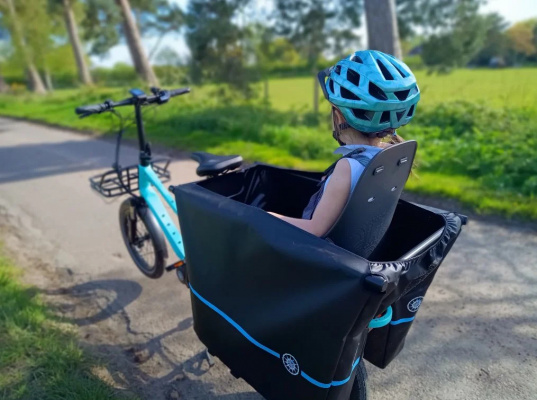
Prices and availability can change quickly. Delivery charges are not always included in listed prices.
Final price, stock status and delivery terms are set by retailer. We may receive a commission on purchases made.
Fitting a Seat to Your Estarli: Rack Standards and Load Ratings
Not every pannier rack is built for a passenger. Standard racks are typically rated to 15kg - enough for a bag of shopping, not a child plus seat. For a safe Estarli family e-bike setup, you need a rack rated to at least 25kg and compliant with ISO 11243 standard, which governs the structural requirements for child seat carrier systems. Skip that check and you're building on shaky ground.
The gold standard here is MIK HD (Mounting is Key Heavy Duty) integration, which supports up to 27kg load ratings and uses a click-in interface that locks the seat positively onto the rack plate. It removes the guesswork from mounting and gives you a solid, rattle-free connection. If your current rack doesn't carry the MIK HD plate or a confirmed ISO 11243 rating, check out the Estarli pannier racks range - some models are built specifically for heavier rear loads.
Wheel size affects handling too. The Estarli e20's 20-inch wheels place the rear rack lower and further back relative to the rider than the e28's 28-inch setup, which shifts the loaded centre of gravity noticeably. It doesn't make the e20 unsafe with a child seat, but it does mean you'll feel the extra weight in low-speed manoeuvres. Factor that in, especially if you're new to riding with a passenger. For clamp-on seats that attach to the carrier tubes directly, measure your tube diameter before ordering - most accept 10 - 16mm carrier tubes, but it's worth confirming rather than assuming.
Can you put a child seat on an Estarli e-bike? Yes, straightforwardly - but only with a rack that's up to the job. The e-bike payload capacity of the whole system, including rider, child, seat, and any luggage, also needs to stay within the bike's total rated limit. Check the Estarli spec sheet if you're unsure.
Rack Mount vs. Frame Mount: Which Works Best on an Estarli
Two main mounting styles dominate the child seat market, and they suit different setups. Rack-mounted seats sit on the rear carrier and account for the vast majority of what you'll find compatible with Estarli bikes. Frame-mounted seats clamp directly to the seat tube or top tube, positioning the child in front of you between your arms.
For Estarli e-bikes with rear hub motors or integrated battery racks, rack-mounted is generally the cleaner choice. There's no risk of interfering with the motor wiring or battery housing, and the weight distribution - though rearward - keeps the frame triangle clear. Brands like Hamax and Bobike offer well-regarded rack-mount options with broad compatibility, while Thule brings strong build quality and clever harness adjustment to the category.
The practical case for rack-mount goes beyond compatibility, though. If you commute on your Estarli during the week without your child, a tool-free quick-release mounting system means the seat comes off in seconds and goes back on just as fast. No spanners, no fuss. That kind of flexibility is genuinely useful when the bike doubles as a solo commuter Monday to Friday and a family hauler at the weekend. Frame-mount seats can be quicker to reposition for different riders, but they tend to suit smaller children and bikes with a more accessible frame geometry - worth considering if the e20's compact frame appeals for that reason.
Keeping It Safe Through a British Winter
UK riding eats at gear in ways that aren't always obvious until something fails. Road salt and grit work their way into quick-release mounting tracks over the autumn and winter months, and if you're not clearing them out periodically, the mechanism can stiffen or jam. A rinse with clean water and a wipe-down of the mounting interface after wet rides takes two minutes and extends the life of the hardware considerably.
Seat padding material is worth scrutinising before you buy. Open-cell foam absorbs water like a sponge and takes ages to dry - not ideal when you're loading a child into a cold, damp seat on a dark November morning. Look for closed-cell EVA polymer construction, which repels water and wipes clean easily. The water-repellent, shock-absorbing EVA polymer used in better-spec seats also handles road vibration more effectively, which matters when you're navigating the potholed reality of most UK urban roads. Your child feels every surface the bike crosses. A seat that absorbs some of that rebound makes longer rides noticeably more comfortable for them.
Check the bolt torques on the rack mounting hardware monthly, particularly through winter. Rough road surfaces work fixings loose faster than smooth ones, and a loose rack-to-frame connection is the kind of thing that's easy to miss until it becomes a problem. Pair that with a quick harness inspection - check the 5-point harness buckle clicks cleanly, the straps haven't frayed, and the adjusters move freely. If you're carrying panniers alongside the seat, keep an eye on the total load; Estarli pannier bags are a tidy pairing, but weight adds up quickly on a loaded rear rack. Brands like Urban Iki and Polisport both offer seats with robust weather-resistant finishes that hold up well through repeated wet-weather use if you're weighing options.
Estarli Child Seats FAQs
Can you put a child seat on an Estarli e-bike?
Yes, you can fit a child seat to an Estarli e-bike as long as you're using a compatible rear rack. The rack needs to be rated for at least 25kg and meet ISO 11243 standards. The Estarli e20 and e28 both suit rack-mounted seats, though you'll want to confirm your specific rack spec before buying.
What is the weight limit for an Estarli rear rack child seat?
Most rear rack child seats have a maximum weight limit of 22kg, which covers children up to roughly 5 or 6 years old. You also need to check that your Estarli pannier rack can handle the combined weight of the seat and child - look for a rack rated to 25kg or above to stay safely within limits.
Do I need a special pannier rack for a child seat?
Yes. A standard rack rated to 15kg isn't built for a passenger and shouldn't be used for one. You need a heavy-duty rack with either a MIK HD interface or a load rating of 25kg or more. ISO 11243 compliance is the marker to look for - it confirms the rack meets the structural standard required for child seat mounting.