
ENVE Road Bikes
ENVE road bikes represent something genuinely rare at the top end of the market: a brand that started by making carbon wheels so good that building whole bikes around them was the logical next step. The range centres on a concept ENVE call the ENVE Chassis - frame, fork, bar, stem, and seatpost engineered together as one aerodynamic unit, not bolted together from a catalogue of mix-and-match parts. That distinction matters more than it might sound.
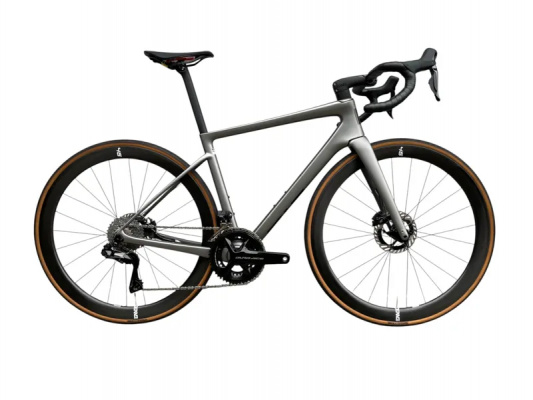
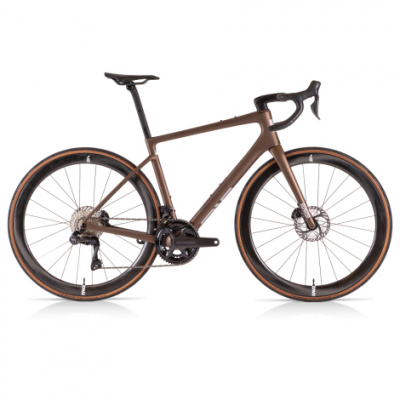
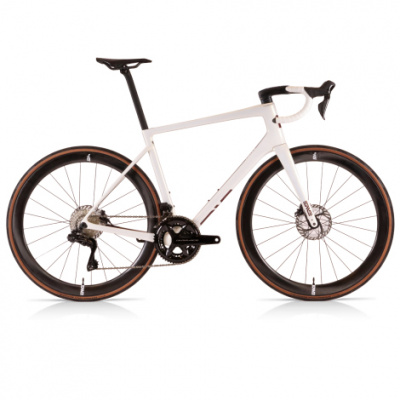
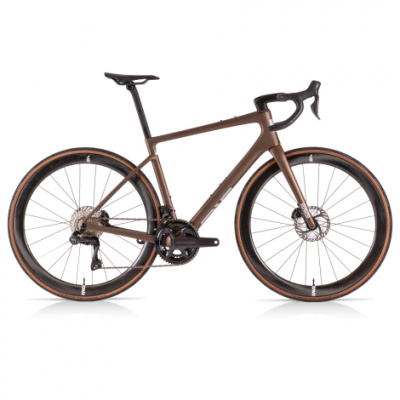
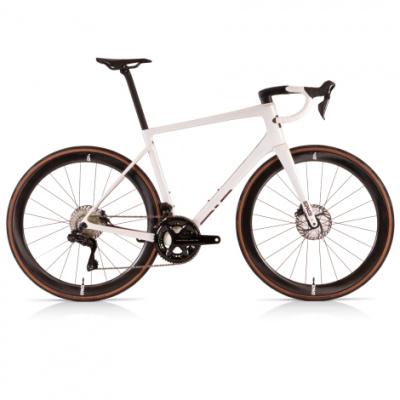
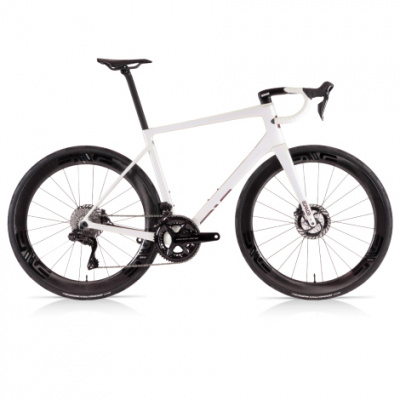
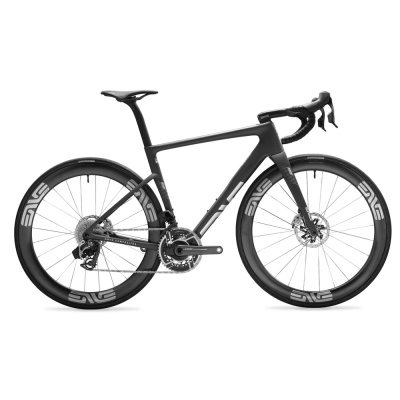
The current road lineup splits broadly into two directions. The Melee is ENVE's production aero race bike - wind tunnel tested, widely available through UK dealers, and surprisingly capable on roads that aren't exactly smooth. Then there's the Custom Road, a bespoke, US-made option for riders who want geometry dialled to their exact measurements. Both are typically sold as a Rolling Chassis - frame, cockpit, and wheels as a complete aerodynamic package - then built up with your groupset of choice by a premium dealer.
If you're here to spec a frameset rather than a complete bike, our dedicated ENVE Frames page is the better starting point. For everyone else, here's how the bikes stack up.
Prices and availability can change quickly. Delivery charges are not always included in listed prices.
Final price, stock status and delivery terms are set by retailer. We may receive a commission on purchases made.
Decoding the ENVE Road Lineup
The Melee is where most riders will land. It's ENVE's answer to the modern aero road bike - a category increasingly crowded with options from Cervélo and Factor - but the ENVE approach differs in one key way: the whole bike is designed as a single system, not a frame waiting for you to choose a cockpit. The tube shapes, the integrated front end, the seatpost - they're all developed together in the same aerodynamic environment. You're not losing efficiency at the junction between a third-party bar and a frame that was never designed with it in mind.
The Custom Road sits in a different conversation entirely. Made at ENVE's facility in Ogden, Utah, it's a fully bespoke build with geometry tailored to your body and riding style. Lead times are longer, the process is more involved, and the price reflects both. It suits the rider who's done the research, knows their numbers, and wants something no one else is riding. Not a casual purchase - but then, it's not meant to be.
Worth knowing: ENVE complete bikes are often sold as a Rolling Chassis first. That means you get the frame, fork, cockpit components, and wheels - then a specialist dealer builds it up with whichever groupset you're running. It keeps the system integrity intact and means your drivetrain choice doesn't compromise the aero package ENVE spent years refining.
The ENVE Tech Philosophy: Real-World Fast
ENVE's Real-World Fast philosophy is the thing that separates their aero approach from a straightforward wind tunnel arms race. Pure zero-yaw aerodynamics - optimising a bike for air hitting it dead-on - looks impressive in a lab but tells you very little about how a bike behaves on an exposed coastal road with a 20mph crosswind trying to push you into the verge. ENVE design their tube shapes and integrated front end for stability across a range of yaw angles, because that's what riding in the real world actually involves.
The practical result is a bike that feels planted and predictable when the wind gets awkward, rather than one that demands constant correction. It's a meaningful trade-off: you might not win a head-to-head comparison at exactly zero yaw, but across a four-hour ride with variable conditions, the Real-World Fast approach is almost certainly faster for most riders.
Cable management is handled by the IN-Route System - ENVE's proprietary fully internal routing solution. Cables and hoses run completely hidden through the frame and integrated cockpit, which tidies up the aerodynamic profile considerably and keeps the bike looking clean. It also means significantly less grit and water finding its way into cable runs, which matters on British roads in October. The trade-off is that any maintenance requiring cable access takes longer and benefits from a dealer who knows the system. Keep that in mind when budgeting for servicing.
Underpinning all of it is the ENVE Chassis concept. Frame, fork, handlebar, stem, and seatpost aren't just compatible - they're co-developed and wind tunnel tested as a unit. Fitting a different bar or stem breaks that optimisation. It's similar to running a custom-tuned suspension setup and then swapping a single component for something off the shelf: the whole system loses coherence. If you're buying an ENVE, the integrated cockpit isn't an upsell. It's the point. Pair it with ENVE road wheels and you're keeping the whole system under one roof.
Living with an ENVE in the UK
Thirty-five millimetres. That's the maximum tyre clearance on the Melee, and on British roads it's not a trivial number. A lot of aero bikes still squeeze you into 28mm rubber and call it done - fine for closed circuits, less fine for the cracked and patched B-roads that make up most UK riding. The Melee's clearance means you've got real options. Run 30-32mm and you get the best balance between the bike's aerodynamic optimisation and enough volume to take the edge off rough surfaces. Go to 35mm and you're into genuinely comfortable all-conditions territory, though you'll give up a small amount of the aero efficiency the bike was designed around.
For exposed riding - think the Yorkshire Wolds, Dartmoor edges, or anything along the Northumberland coast - the crosswind stability built into the Real-World Fast tube shapes does actual work. These aren't conditions where you want a nervous front end. The Melee's integrated front end keeps handling consistent when the gusts come in at an angle, which is most of the time in those spots.
The IN-Route fully internal cable routing is largely a benefit in wet and gritty conditions, but it does ask something of you in return. Headset bearings on a fully integrated front end need attention - grit and water ingress around the headset is the main wear point on any integrated cockpit system, and UK winters accelerate that. Check bearing preload and condition at the start of each season, or after any extended wet riding. ENVE road tyres are worth considering here too, since they're spec'd to work with the wheel and frame system as a whole.
One more practical note: if you're adding a computer or accessories, ENVE offer dedicated computer mounts and aero bars designed to maintain the cockpit's aerodynamic profile. Third-party options often introduce gaps and edges that undo some of the integration work. It's the kind of detail that compounds across the whole build.
Are ENVE road bikes worth the money? For riders who care about system-level integration - not just a fast frame but a fast bike - the answer is yes. The Chassis concept means you're not buying a premium frame and then compromising it with a mismatched cockpit. That coherence shows in how the bike handles and how it performs aerodynamically. If you're purely after a frame to build around your preferred components, the value equation shifts, and our ENVE Frames page is the better place to start that conversation.
ENVE Road Bikes FAQs
Are ENVE road bikes worth the premium price?
If holistic integration matters to you, yes. ENVE designs the frame, cockpit, and wheels as a single coherent system - the ENVE Chassis - rather than a frame you mix and match. That approach delivers genuine aerodynamic and handling consistency that most component-by-component builds don't replicate. If you want a frameset to build your own way, the value case is less clear-cut.
Where are ENVE road bikes manufactured?
The Custom Road is built at ENVE's headquarters in Ogden, Utah, using bespoke geometry for each rider. The Melee is produced at a dedicated overseas facility to ENVE's own carbon layup specifications and quality standards - not a generic factory build wearing a badge.
What is the maximum tyre clearance on the ENVE Melee?
The Melee clears up to 35mm tyres. ENVE optimise the aerodynamics for 27-32mm rubber, so that's the range where the bike performs as designed. The full 35mm clearance is there for rougher roads or worse conditions - a genuinely useful buffer for UK riding.