
ENVE Gravel And Cyclocross Tyres
When you're running premium carbon wheels, the tyres you bolt on dictate how well the whole system actually performs - and ENVE gravel and cyclocross tyres are engineered to make the most of every millimetre of that investment. Precise bead diameters, built specifically for modern hookless rims, mean tubeless setup stops being a wrestling match and starts being a five-minute job. That matters whether you're picking a line across flint-strewn South Downs bridleways or lining up for a muddy Tuesday-night cyclocross league in November.
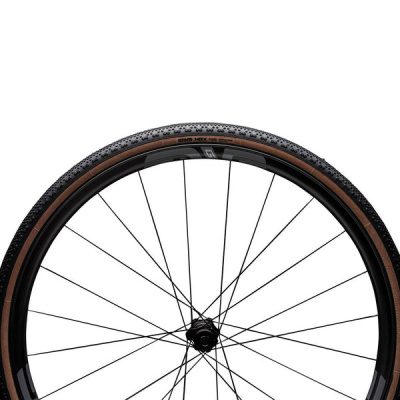
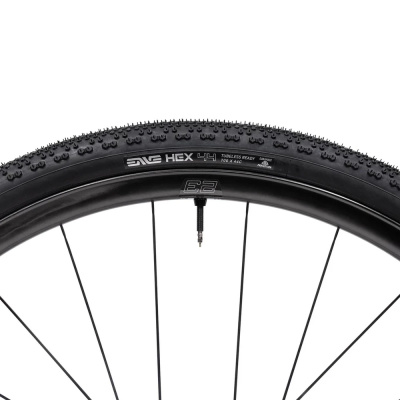
The construction spec is serious. Vectran™ puncture protection belts sit beneath a supple, high-TPI casing - cut resistance without turning the tyre into a wooden hoop. Rolling resistance stays low, compliance stays high, and the aerodynamic tread geometry is shaped to integrate cleanly with ENVE's own rim profiles rather than fighting them. These aren't tyres that happen to fit ENVE wheels; they're designed as part of the same system.
For UK riders that means a contact patch you can actually trust on wet roots, off-camber woodland sections, and the kind of abrasive winter grit that destroys lesser sidewalls before Christmas. Compare the latest UK prices across the range below and find the right fit for your setup.
Prices and availability can change quickly. Delivery charges are not always included in listed prices.
Final price, stock status and delivery terms are set by retailer. We may receive a commission on purchases made.
Nailing the Tubeless Setup: Compatibility and Standards
Get the basics wrong here and no amount of premium rubber will save you. ENVE tyres follow ETRTO standards, which means rim internal width and tyre width have to be matched sensibly - run a 40c tyre on a rim with a 23 - 25mm internal width and you'll get a taller, rounder profile that handles sluggishly and sits closer to your frame's tyre clearance limits than you'd like. ENVE's own rims typically sit in the 21 - 25mm internal range depending on model, so check your specific rim spec before ordering.
The hookless-specific bead construction - ENVE calls it TSS (Tubeless System Standards) - uses a stiff, dimensionally precise bead that locks onto the rim's bead shelf without a hook to retain it. That's reliable and light, but it comes with a hard ceiling: never exceed 73 PSI (5 Bar) on a hookless setup. That's not a suggestion. Exceeding it risks bead blowoff, which is as unpleasant as it sounds. For gravel and cyclocross use, most riders run well below that ceiling anyway, so it's rarely a practical constraint - just don't treat these like your old road tubulars and pump them rock-hard.
On bead seating, a standard track pump sometimes won't shift enough air fast enough to snap the bead home. Remove the valve core, use a tubeless inflator canister or a high-volume floor pump with a blast chamber, and make sure the tyre bead is tucked into the central channel of the rim before you inflate - that's what creates enough slack for the bead to pop outward onto the shelf. Add sealant before the final seat, or inject it through the valve afterwards. Either works; the former is less messy.
If you're running a non-ENVE wheelset, cross-reference the rim manufacturer's hookless approval list. Not all hookless rims carry the same tolerances, and ETRTO standards exist precisely to give a common baseline - but compliance varies. When in doubt, a quick email to the rim brand is faster than a roadside repair on the North Downs.
SES vs. Adventure: Picking the Right ENVE Tyre for Your Riding
ENVE's gravel tyre range splits into two clear camps. The SES gravel tyres - part of the Smart ENVE System - prioritise aerodynamic integration and fast rolling. The centre tread is relatively smooth and quick, flanked by shoulder knobs that engage when you tip into a corner or the surface turns loose. These are the tyres ENVE designed to work aerodynamically with their SES rim profiles; the tread geometry isn't arbitrary, it's shaped to minimise turbulence at the tyre-rim junction. On dry summer gravel, bridleway hardpack, or mixed-surface sportives, they're the sharper, faster choice.
The Adventure and Overland options take a different approach. More volume, more aggressive tread, more sidewall protection. You're trading a fraction of rolling speed for confidence in the wet - think Dartmoor bog tracks in October, or the kind of peaty, rooty cross-country riding you find across Scotland and Wales. The rubber compound runs softer on these models, which pays dividends on wet roots and slick compressed mud but does mean slightly higher rolling resistance on smooth hardpack. Worth it if your riding skews towards technical and damp rather than fast and mixed.
For dedicated ENVE CX race tyres, the priority shifts again toward aggressive mud-shedding tread patterns. Cyclocross demands a tyre that clears itself between obstacles rather than packing up with peanut-butter mud - and the casing needs to be supple enough to deform over wet roots and off-camber slopes at the sub-20 PSI pressures that experienced CX riders favour. The high-TPI casing construction across the range is what makes low-pressure running feel controlled rather than wallowy.
If ENVE's price point sits outside your budget, Vittoria gravel and cyclocross tyres offer comparable TPI casing options at a lower entry price, while Panaracer gravel and cyclocross tyres are worth a look for volume-focused adventure riding. For the CX-specific end of the market, Tufo cyclocross tyres remain a credible alternative with a long race pedigree. ENVE's edge is the system-level integration with their own carbon rim range - pair them with ENVE road wheels or their gravel-specific builds and you're getting a setup that's been optimised as a unit rather than assembled from separate decisions.
UK Durability: Flint, Winter Grit, and Keeping the Sealant Fresh
The South Downs will find any weakness in a tyre sidewall. Chalk paths there shed sharp flinty fragments that sit on the surface like tiny razors - the kind of debris that slices through an unprotected casing in a single pass. ENVE's Vectran™ puncture protection belt is a synthetic fibre layer with high cut resistance, and it's meaningfully better than a standard nylon breaker at stopping that kind of damage propagating through to the tube (or your sealant reservoir). It's not a guarantee against every piece of flint on the North Wessex Downs, but it shifts the odds noticeably in your favour.
That said, Vectran protects the crown more than the sidewall. After rides on abrasive chalk or hawthorn-lined bridleways, run your fingers carefully along the sidewall - you're feeling for small cuts or abrasions that haven't punched through yet but might next time. Catching a 2mm nick early and sealing it with a drop of tyre sealant from the outside is a ten-second fix. Missing it until it's a 10mm gash is a roadside job.
On tubeless maintenance: top up your sealant every three to four months minimum. UK temperature swings - cold, damp winters followed by dry summer spells - accelerate sealant drying inside the casing. A tyre that sealed perfectly in September may have a dried-out core by January, and you won't know until you hit something sharp. Pull the valve core, check the sealant is still liquid, and add a fresh 30ml if it's looking thick or crystallised.
Winter grit deserves attention too. Abrasive salt and road debris works its way into the bead seat over a full winter of riding. Give the tyre bead and rim channel a rinse after a few gritty rides - corrosive contamination at the bead can cause slow, intermittent leaks that are frustrating to diagnose. It's a two-minute job with a hose that saves you half an hour of head-scratching.
If you're running best ENVE tyres for UK winter conditions on a gravel bike, also check tyre clearance with mud clearance in mind - a 45c tyre in packed mud can bridge the gap to your chainstay faster than the nominal measurement suggests. ENVE's Adventure options in wider sizes are often better paired with ENVE suspension forks on more aggressive setups, where mud clearance and compliance become the governing factors. And if you're running their tyres on a road-biased build, their road tyre range follows the same tubeless system logic, so the setup skills transfer directly.
ENVE Gravel And Cyclocross Tyres FAQs
Are ENVE gravel tyres compatible with hookless rims?
Yes - ENVE gravel tyres are built with a stiff, dimensionally precise bead specifically for hookless (TSS) rim compatibility. Match the tyre width to your rim's internal width using ETRTO guidelines, and keep inflation below the 73 PSI (5 Bar) maximum. Using them on a hookless rim from another brand is fine provided that rim's manufacturer approves the combination.
What tyre pressure should I run on ENVE gravel tyres?
On a 40c tyre with a 25mm internal rim, most riders run 25 - 35 PSI depending on body weight, surface, and conditions. Wet roots and loose gravel reward the lower end of that range; firmer hardpack can handle slightly more. ENVE's online tyre pressure calculator gives a solid starting baseline - adjust from there based on feel and how much squirm you're getting in corners.
How do you seat tubeless ENVE gravel tyres?
Remove the valve core first, then use a high-volume tubeless inflator canister or a floor pump with a blast chamber - a standard track pump rarely shifts air fast enough. Before inflating, seat the tyre bead into the central rim channel all the way round; that slack is what lets the bead snap outward onto the shelf. Once seated, refit the valve core and inflate to your target pressure. Add sealant before the final seat or inject it afterwards through the valve.